
Mold Remediation near Hewlett Bay Park, NY
When Willow Pond Is Next Door, Mold Doesn't Wait
Hear from Our Customers
Black Mold Remediation Nassau County
Mold in a Hewlett Bay Park home isn’t just a cleaning issue it’s a property value issue. With median home values exceeding $1,000,000 in this village, a documented mold problem can shave 20% to 37% off what your property is worth. That’s a six-figure loss on a home you’ve invested in for years. Fixing it the right way, with a certified team and a written clearance report, is what protects that number when it matters most during a sale, a refinance, or an insurance claim.
Living this close to the Macy Channel and Willow Pond means moisture pressure on your foundation and crawl space isn’t seasonal it fluctuates with the tides. Homes along the waterfront deal with groundwater movement that most inland Nassau County properties never experience. When mold takes hold in those spaces, it doesn’t stay there. It moves into wall cavities, insulation, and HVAC systems, and the health effects especially for kids tend to show up long before the visible growth does.
The goal isn’t just to remove what’s visible. It’s to get your home back to a condition where the air is clean, the structure is sound, and you have the documentation to prove it. That’s what professional mold remediation in Hewlett Bay Park actually delivers.
Certified Mold Remediation Companies Hewlett Bay Park
We’ve been serving Nassau County homeowners since the late 1990s through Hurricane Floyd, Hurricane Sandy, and every nor’easter that pushed tidal water into Five Towns basements and crawl spaces in between. That kind of track record isn’t a marketing line. It means we’ve seen what Long Island’s South Shore actually does to homes over time, and we know how to fix it.
Every technician who walks into your Hewlett Bay Park home is individually IICRC certified not just the company. That’s a real distinction. It means the person doing the work has completed the same rigorous training standard that the industry uses to separate professionals from everyone else.
We also handle full reconstruction after remediation. Most companies stop at the cleanup and leave you to find a separate contractor for the rebuild. Here, you make one call and one company handles the entire process from the first inspection through the finished restoration.

Professional Mold Remediation Process Hewlett Bay Park NY
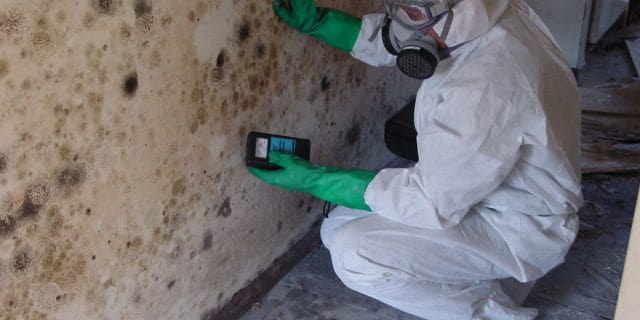
It starts with a thorough inspection not a visual walkthrough, but a 13-point assessment that includes air testing, swab sampling, infrared imaging to find hidden moisture behind walls, and a full moisture level evaluation across the property. Lab results come back within two to three business days, and you get a written report with everything documented. In a village of 147 homes where real estate transactions are closely scrutinized, that written record matters.
New York State’s 2016 mold law requires that the company performing the assessment and the company performing the remediation be separate entities. This protects you from the common scenario where a company inflates findings to sell you a bigger job. We operate in full compliance with this law the inspection is independent, and the remediation scope is based on what the lab results actually show.
Once remediation begins, we address the moisture source first. In Hewlett Bay Park, that often means evaluating groundwater intrusion in crawl spaces, tidal moisture pressure along waterfront foundations, or ventilation deficiencies in attic spaces of large estate homes. Containment goes up, air scrubbers run, affected materials are removed, and the space is treated and dried to industry standards. After the work is done, clearance testing confirms the job is complete and if reconstruction is needed, that happens under the same roof, with the same accountable team.
Ready to get started?
Basement and Crawl Space Mold Remediation Hewlett Bay Park
Estate-scale homes on one-acre-plus lots come with large crawl spaces, full basements, and expansive attic areas all of which are high-risk zones for mold growth in a coastal environment like Hewlett Bay Park. Many of the homes here were originally built in the mid-to-late 20th century, before vapor barrier standards and crawl space encapsulation became code requirements. That construction era creates hidden moisture pathways that show up decades later, especially in homes that have experienced any flooding from Jamaica Bay tidal events or storm surge.
Crawl space mold remediation in this area typically involves removing contaminated insulation, treating structural wood, installing or replacing vapor barriers, and improving ventilation to prevent recurrence. Attic mold remediation often traces back to inadequate insulation that allowed ice dams to form during winter nor’easters water that entered quietly and sat long enough to colonize. Basement mold remediation along the Macy Channel waterfront frequently involves addressing the groundwater table itself, not just the surface growth.
Every project includes containment to protect the rest of the home during work, HEPA filtration throughout the remediation, post-remediation clearance testing, and full written documentation. If structural materials need to be replaced drywall, subfloor, insulation, framing we handle that reconstruction phase directly. You don’t need a second contractor.
How do I know if my Hewlett Bay Park home has a mold problem?
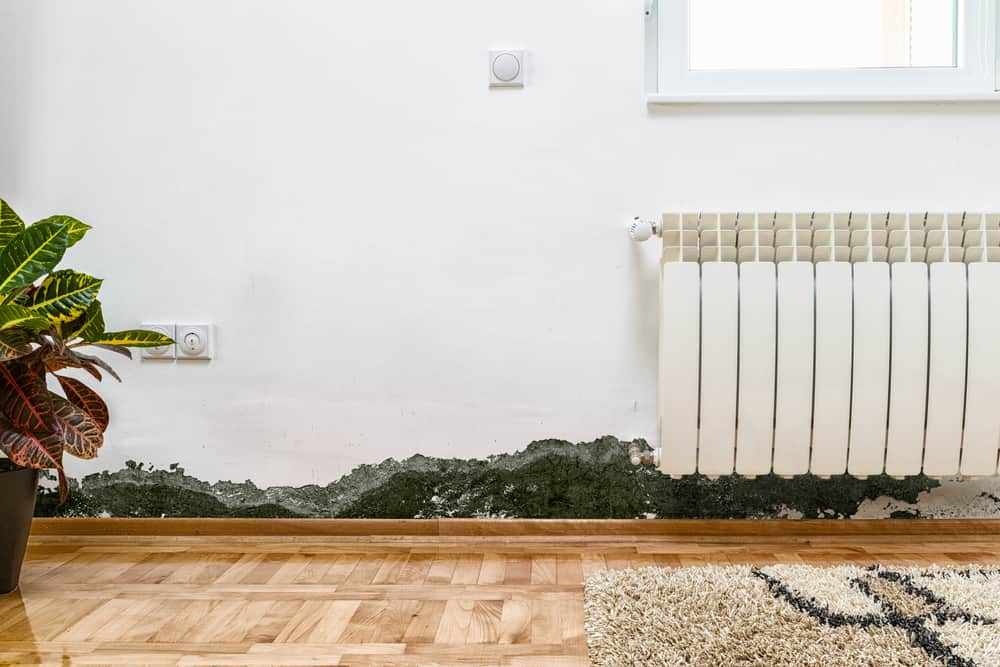
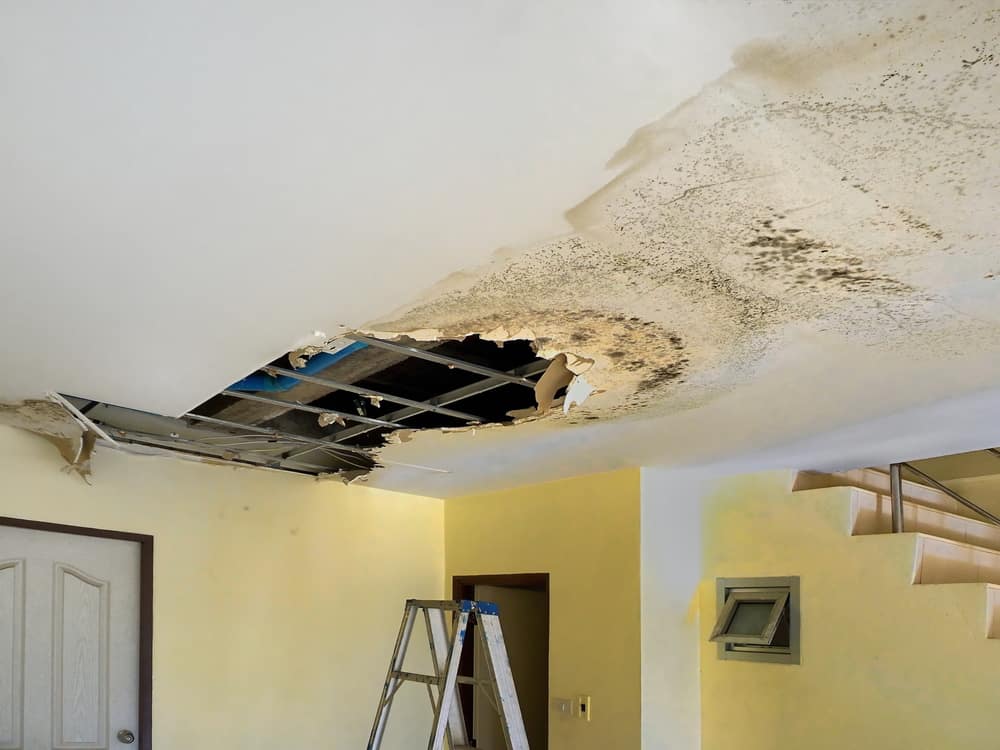
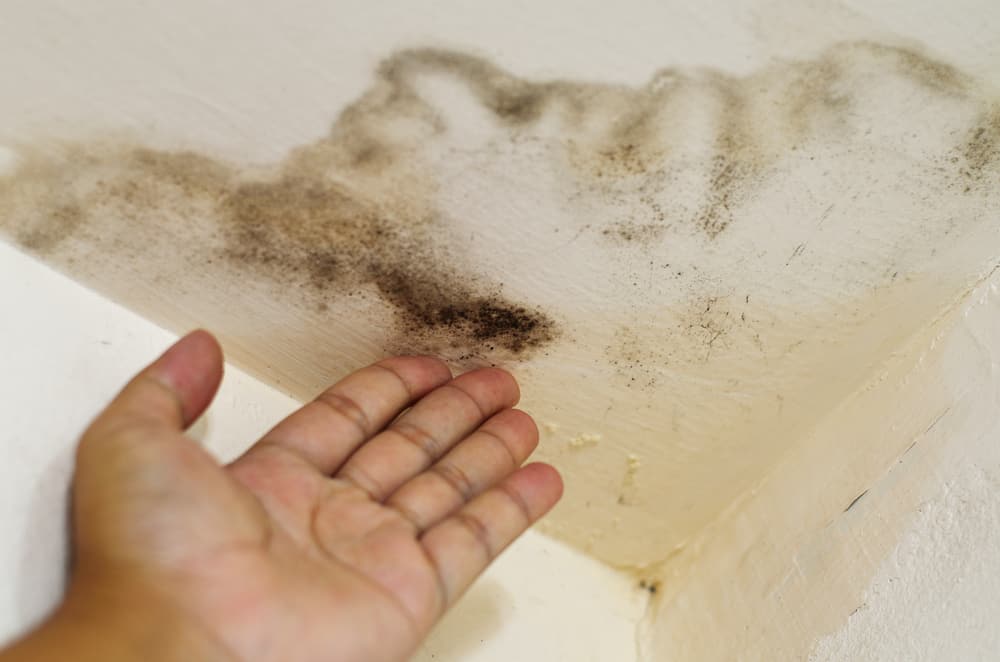
The most common signs are a persistent musty odor especially in basements, crawl spaces, or near HVAC vents unexplained allergy-like symptoms that improve when you leave the house, and visible discoloration on walls, ceilings, or wood framing. That said, in a lot of Hewlett Bay Park homes, the mold is hidden. It’s behind drywall, under flooring, or inside crawl spaces that don’t get looked at regularly.
Given how close many properties here sit to the Macy Channel and Willow Pond, tidal moisture and groundwater fluctuation can push humidity into foundation walls and crawl spaces without any obvious water event. You don’t need a burst pipe to have a mold problem you just need consistent moisture and enough time. If your home experienced any flooding during Hurricane Sandy or a subsequent tidal event and wasn’t professionally dried within 48 hours, there’s a real possibility of hidden mold growth that’s been sitting there for years.
A proper inspection with air sampling and moisture mapping, not just a visual check is the only way to know for certain.
What does mold remediation cost for a Nassau County home like mine?
The range varies depending on where the mold is, how much area is affected, and what caused it. For a contained area like a single bathroom or a small section of basement wall, you’re typically looking at $1,200 to $3,500. Larger projects a full crawl space, an attic, or mold that’s spread into wall cavities throughout a significant portion of the home can run $5,000 to $15,000 or more. Whole-house remediation on a large estate-scale property can reach $25,000 to $30,000 in serious cases.
For Hewlett Bay Park specifically, where homes are large and the construction is complex, the cost of doing it right is almost always a fraction of what an unaddressed mold problem costs in property value. A 20% reduction on a $1.5 million home is $300,000. The remediation cost doesn’t look the same after you run that comparison.
Homeowners insurance may cover remediation costs if the mold resulted from a sudden and accidental covered event a burst pipe, storm flooding but most policies exclude mold from gradual moisture accumulation. We can help document the cause clearly, which makes a real difference when working with your insurer.
What is the difference between mold remediation and mold removal?
Mold removal implies you’re taking out what’s visible wiping down surfaces, pulling out stained materials, and calling it done. The problem is that mold isn’t just what you can see. It exists as spores in the air, as root structures embedded in porous materials like wood and drywall, and as colonies growing behind surfaces that look fine from the outside.
Mold remediation is the professional standard. It means containing the affected area so spores don’t spread during the work, removing contaminated materials properly, treating the structural surfaces that remain, running air filtration throughout the process, and then testing the air after the work is complete to confirm the spore count has returned to normal levels. It also means identifying and addressing the moisture source because mold that comes back within months of being “removed” was never actually remediated.
In a coastal environment like Hewlett Bay Park, where tidal moisture and high ambient humidity create persistent conditions for regrowth, remediation without fixing the underlying moisture issue is essentially temporary. The process has to address the root cause, not just the visible symptom.
Does New York State law affect how mold remediation works in Hewlett Bay Park?
Yes, and it’s worth understanding before you hire anyone. New York State passed a mold law in 2016 that specifically prohibits the same company or any of its employees from both assessing and remediating mold on the same property. The law exists because of a documented pattern of companies performing “free inspections” and then exaggerating or fabricating findings to sell large remediation contracts.
What this means practically is that if a company offers to inspect your home and then immediately quotes you a remediation job, they’re operating outside the law. A licensed mold assessor conducts the inspection, produces a written protocol, and that document is what a licensed remediator uses to scope and execute the work. These have to be separate parties.
We operate in full compliance with this law. The inspection process is independent, the findings are documented, and the remediation scope is based on what the lab results actually show not on what generates the largest contract. For Hewlett Bay Park homeowners who are accustomed to working with credentialed, accountable professionals, this regulatory framework is something worth asking any mold company about before you let them through the door.
Can mold in my crawl space affect the rest of my Hewlett Bay Park home?
Absolutely, and it’s one of the more common scenarios in this area. Crawl spaces in Hewlett Bay Park homes particularly those on waterfront lots near the Macy Channel are subject to groundwater pressure that fluctuates with tidal cycles. When moisture gets into a crawl space and stays there, mold colonizes the wood framing, the insulation, and the subfloor above. From there, spores move through the home via air circulation, HVAC systems, and gaps in the floor structure.
The health effects tend to show up in the living spaces above respiratory irritation, allergy symptoms, headaches long before anyone thinks to look in the crawl space. Children are more sensitive to mold exposure than adults, and in a community like Hewlett Bay Park where families are deeply invested in their kids’ health and school performance, that’s not a minor concern.
Crawl space mold remediation typically involves removing contaminated insulation, treating structural wood, installing a proper vapor barrier, and improving ventilation so the space stays dry going forward. Addressing it correctly the first time is what prevents it from coming back especially in a coastal environment where the moisture pressure doesn’t go away on its own.
How quickly does mold grow after water gets into a home on Long Island's South Shore?
Mold can begin colonizing within 24 to 48 hours of water intrusion and on Long Island’s South Shore, that window matters more than almost anywhere else in Nassau County. When a nor’easter pushes tidal water from Jamaica Bay into a Hewlett Bay Park basement, or when a storm surge event saturates a crawl space overnight, the clock starts immediately. By the time the water recedes and the cleanup begins, mold may already have a foothold in the materials that absorbed the moisture.
This is why emergency response time is so important after any flooding event in the Five Towns area. The longer wet materials sit drywall, wood framing, insulation, carpet the deeper the mold penetrates and the more extensive the remediation becomes. A property that gets professionally dried within 24 to 48 hours of a water event has a dramatically better outcome than one that waits a week for an available contractor.
We’re available 24 hours a day, seven days a week, including weekends and holidays, specifically because water damage on the South Shore doesn’t happen during business hours. If you’ve had water in your home from a storm, a pipe, or a tidal event the fastest call you make is the most important one.
Useful Links
Other Services we provide in Hewlett Bay Park