
Mold Remediation in Lake Success, NY
When a $2M Home Has a Mold Problem, Surface Treatments Won't Cut It
Hear from Our Customers
Basement Mold Remediation, Lake Success NY
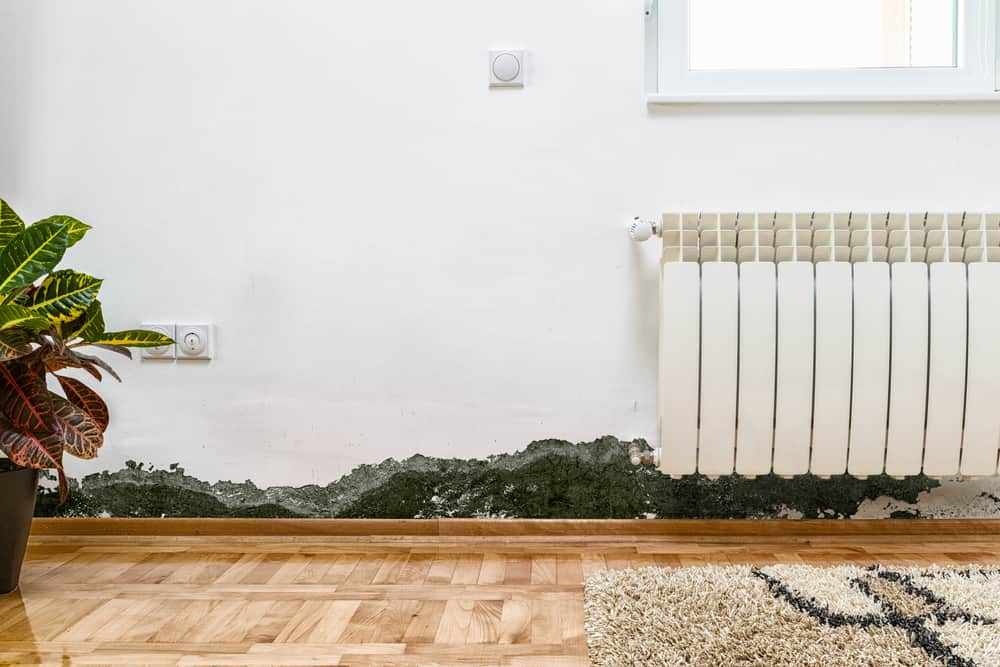
Most mold problems in Lake Success aren’t random. They’re the result of something specific a crack in an aging basement wall, a crawl space without a vapor barrier, or an attic that’s been quietly absorbing humidity through a clogged gutter line for two seasons. The mold you can see is rarely the whole story.
When remediation is done right, you’re not just clearing visible growth. You’re eliminating the conditions that allowed it to take hold in the first place. That means the finished basement you’ve invested in stays usable. The attic above your kids’ rooms isn’t a hidden health risk. And when it comes time to sell in a market where active listings run from $1.4 million to $4 million there’s no mold disclosure hanging over the transaction.
Lake Success sits on glacially formed terrain, and homes near the kettle lake deal with groundwater conditions that fluctuate seasonally. After a nor’easter or a stretch of heavy spring rain, hydrostatic pressure pushes against foundation walls that are already 70 to 80 years old. That’s a specific, local risk and it’s exactly why a thorough remediation here looks different than it does somewhere with newer construction and better-drained soil.
Certified Mold Remediation Companies, Nassau County
We’ve been serving Nassau County for nearly three decades and that track record is verifiable. We’ve worked in Lake Success’s aging colonial homes, navigated the village’s permit requirements, and dealt with the specific moisture conditions that come with North Shore climate patterns. We know this area because we’ve been here.
Every technician on our team holds individual IICRC certification not just the company. That distinction matters when someone is opening walls in a home on Round Hill Road or Farm Lane. You deserve to know the person doing the work is credentialed, not just the business that sent them.
We also operate in full compliance with New York State Labor Law Article 32, which requires that mold assessment and mold remediation be handled by separate licensed entities. That law exists to protect you and we follow it, every time.
Professional Mold Remediation Process, Lake Success NY
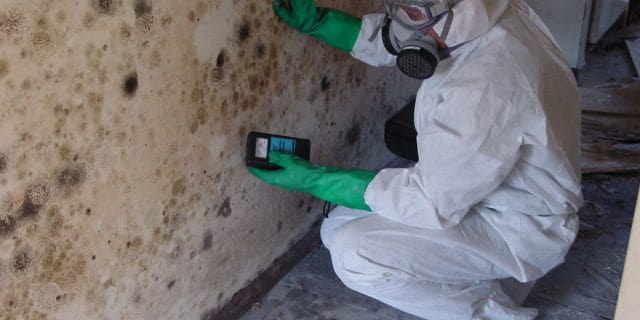
It starts with a 13-point mold inspection. We use air testing, surface swabs, infrared imaging, and moisture meters to get a complete picture not just what’s visible, but what’s hiding behind finished walls or underneath flooring. Lab results come back within 2 to 3 business days, and you get a written report you can share with your insurance adjuster, your attorney, or a future buyer’s inspector.
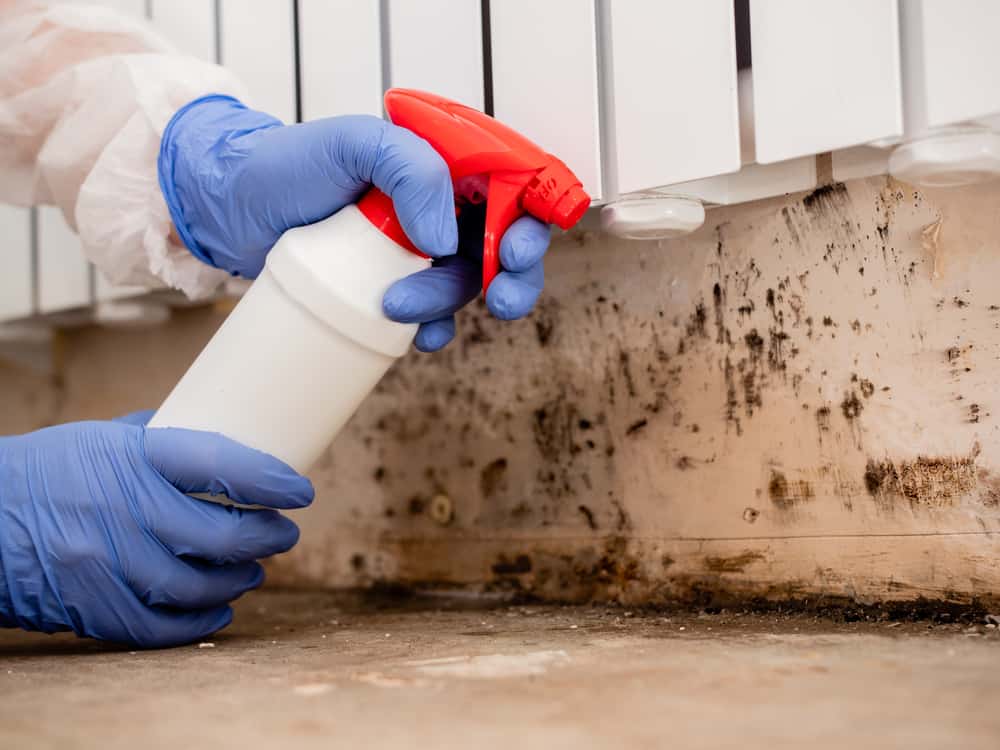
From there, a licensed mold assessor prepares a written remediation plan as required under New York State’s Article 32 mold law. Remediation then begins with full containment of the affected area, HEPA filtration, controlled demolition of contaminated materials where necessary, and treatment of structural surfaces. Our trucks arrive equipped on day one: air movers, dehumidifiers, moisture monitors everything needed to start immediately.
Once remediation is complete, an independent licensed assessor conducts post-remediation clearance testing. That’s the documented proof that the job was done correctly not our word for it, but a verified result. And if walls, flooring, or structural elements need to be rebuilt, we handle that too. You won’t be coordinating a separate contractor while living in a half-demolished home.
Ready to get started?
Black Mold Remediation Services, Lake Success NY
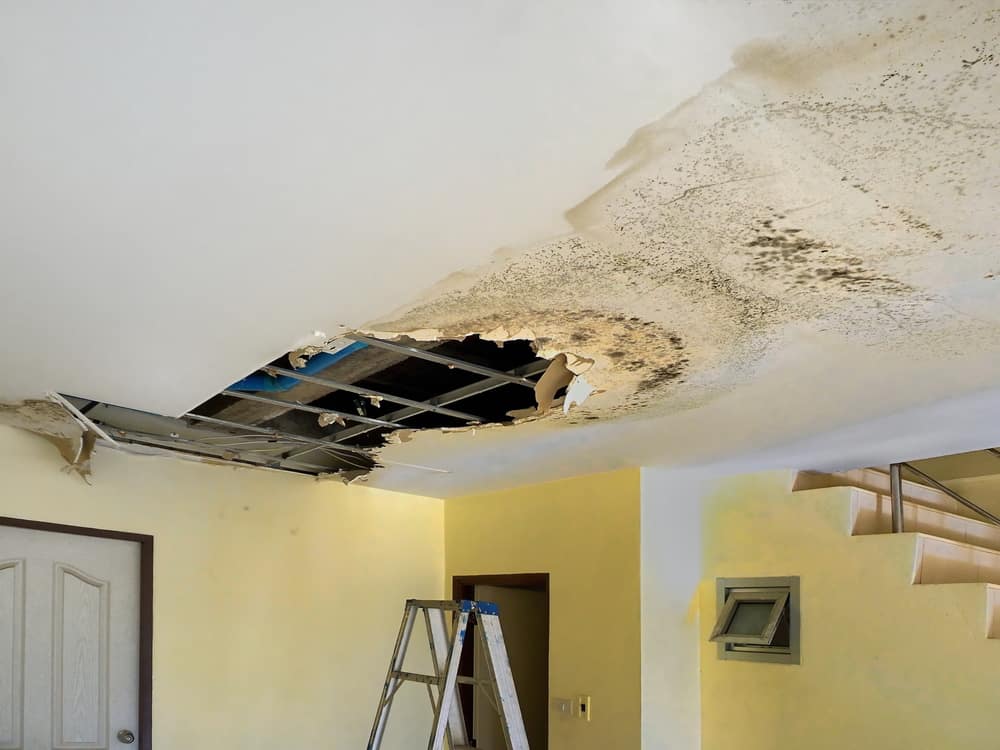
Mold remediation in Lake Success isn’t a one-size situation. A finished basement with water intrusion from a foundation crack looks different from attic mold caused by years of gutter overflow from a mature oak tree. Crawl space mold in a 1940s-era home without a vapor barrier is a different project than black mold remediation behind drywall in a renovated bathroom. We assess each situation individually and build the scope around what’s actually there.
Every project includes the full inspection and written report, containment setup, air filtration, removal of contaminated materials, antimicrobial treatment, and post-remediation clearance testing by an independent assessor. For homes near the kettle lake or in lower-lying areas of Lake Success where seasonal groundwater rise is a real factor, we also assess and address the underlying moisture source because remediation that doesn’t fix the root cause is just a temporary fix.
For homeowners managing properties in the $1.4 million to $4 million range, we also support the insurance claims process. We document everything in a format that works for adjusters, and we’re available to answer questions throughout. If reconstruction is needed after remediation new drywall, flooring, structural framing we handle that in-house. One company, one point of contact, from the first call to the final walkthrough.
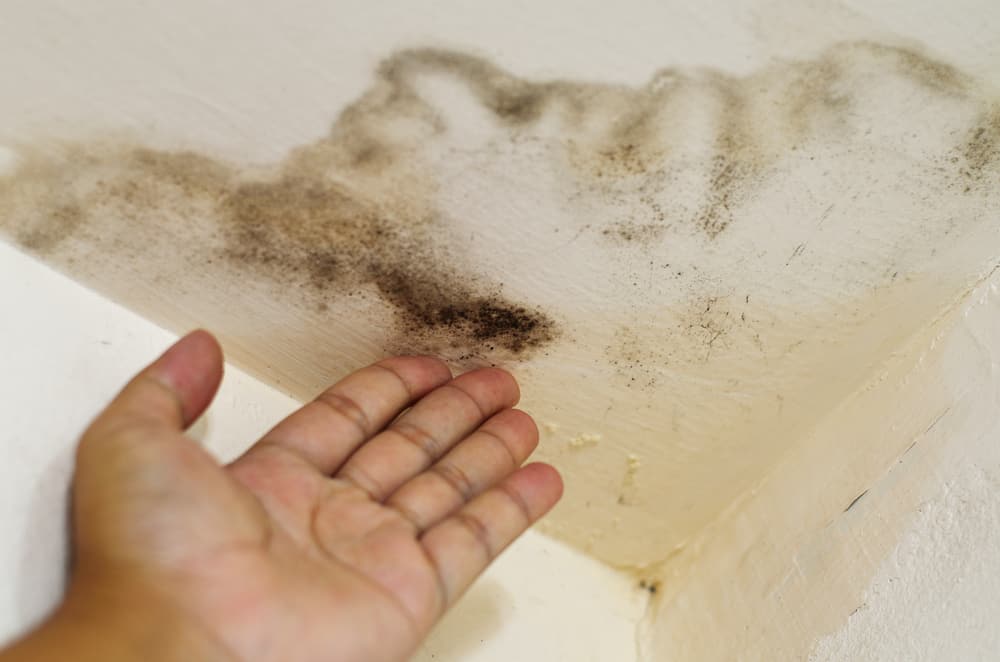
What causes mold in Lake Success homes, and why are older houses more vulnerable?
Most homes in Lake Success were built in the 1940s an era that predates vapor barriers, modern drainage systems, and the building science we now take for granted. Basement walls from that period are typically poured concrete or block construction, and over 70 to 80 years, they develop hairline cracks that allow moisture to seep in under hydrostatic pressure. Crawl spaces in these homes often have no vapor barrier at all. Attics were framed without the ventilation standards that prevent humidity from accumulating over time.
Add in the fact that Lake Success sits on glacially formed terrain the same glacial outwash soils that surround the kettle lake allow groundwater to move readily through the subsurface and you have a recipe for seasonal moisture intrusion that repeats every spring and after every significant storm. Long Island’s North Shore summers also bring sustained humidity above 60%, which is the threshold where mold growth accelerates significantly. Older homes with modern market values carry the vulnerabilities of their construction era, and that’s exactly why professional mold remediation in Lake Success requires more than a surface-level approach.
How much does mold remediation cost for a home in Lake Success, NY?
The actual cost depends on the size of the affected area, how deep the contamination goes, whether structural materials need to be removed, and what’s required to address the underlying moisture source. A small bathroom with surface mold is a very different project from black mold remediation behind finished walls in a basement or widespread attic mold from years of roof intrusion.
For Lake Success homeowners, the more relevant number is what a mold problem costs if it’s left unaddressed or handled poorly. Research consistently shows that a known mold history can reduce a home’s resale value by 20% to 37% and in a market where homes sell for $1.4 million to $4 million, that’s a six-figure exposure. Getting a written inspection with lab results first gives you an accurate scope of work, a defensible paper trail for insurance, and a clear picture of what you’re actually dealing with before any remediation dollar is spent.
Does homeowners insurance cover mold remediation in Nassau County?
It depends on the cause. Most standard homeowners insurance policies in Nassau County will cover mold remediation if the mold resulted from a sudden, covered event like a burst pipe, a roof leak from storm damage, or flooding from a nor’easter. What they typically won’t cover is mold that developed gradually over time due to deferred maintenance, chronic moisture, or a slow leak that went undetected.
This is where documentation matters enormously. When you have a written inspection report, lab results, moisture readings, and photographic evidence from a certified mold assessor, your adjuster has something concrete to work with. Verbal assessments and informal estimates don’t carry the same weight in a claims process. We prepare our documentation with insurance review in mind, and we’re available to answer adjuster questions directly. If your policy covers the loss, proper documentation is the difference between a covered claim and a denial.
What's the difference between mold remediation and mold removal?
Mold removal typically refers to cleaning visible mold off a surface. It’s a surface treatment and in most cases, it’s temporary. If the moisture source that created the mold in the first place isn’t identified and resolved, the mold comes back. Sometimes within weeks.
Mold remediation is a more complete process. It includes identifying and addressing the moisture source, containing the affected area to prevent cross-contamination, removing contaminated materials that can’t be salvaged, treating structural surfaces with antimicrobial agents, and verifying through post-remediation testing that the environment is clear. In a Lake Success home where the moisture source might be seasonal groundwater pressure against an aging foundation wall, or condensation accumulating in an unventilated attic, remediation that skips the root cause is just setting up the next mold problem. The goal is to fix it once and document that it’s fixed not to clean what’s visible and hope for the best.
Can I stay in my house during mold remediation in Lake Success?
In most cases, yes but it depends on the scope of the project and where the mold is located. For contained remediation in a basement, crawl space, or attic where the living areas aren’t directly affected, most homeowners can remain in the home during the process. We use full containment barriers and HEPA air filtration to prevent spores from spreading to other areas of the house during work.
For larger projects particularly those involving black mold remediation in finished living spaces, or situations where air quality testing indicates elevated spore counts throughout the home temporary relocation may be the safer and more practical choice, especially if you have children, elderly family members, or anyone with respiratory conditions or a compromised immune system in the household. We’ll give you a clear, honest answer about this during the inspection phase, before any work begins, so you can plan accordingly.
Is mold remediation in Lake Success required to follow New York State licensing laws?
Yes and this is one of the most important things to understand before you hire anyone. New York State Labor Law Article 32, which took effect in 2016, requires that mold assessors and mold remediation contractors be separately licensed by the New York State Department of Labor. The same company legally cannot perform both the assessment and the remediation on the same property. That rule exists specifically to prevent contractors from inflating the scope of a problem to secure a larger remediation contract.
In 2025, the NYS Department of Labor has increased enforcement activity, which means unlicensed operators face real consequences and so do homeowners who unknowingly hire them. If a remediation project is performed by an unlicensed contractor, you may have no legal recourse if the work fails, and the documentation won’t hold up in an insurance claim or a real estate transaction. Before you hire anyone for mold remediation in Lake Success, ask to see their New York State mold contractor license. Every project we take on is fully compliant with Article 32 and we’ll explain exactly how that protects you before we start.
Useful Links
Other Services we provide in Lake Success