
Hear from Our Customers
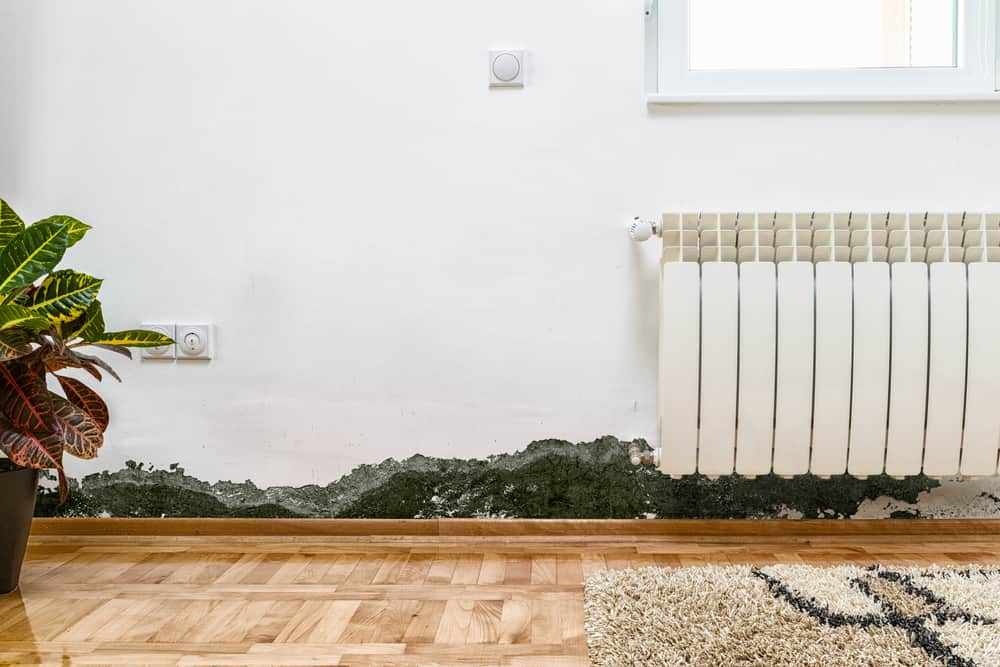
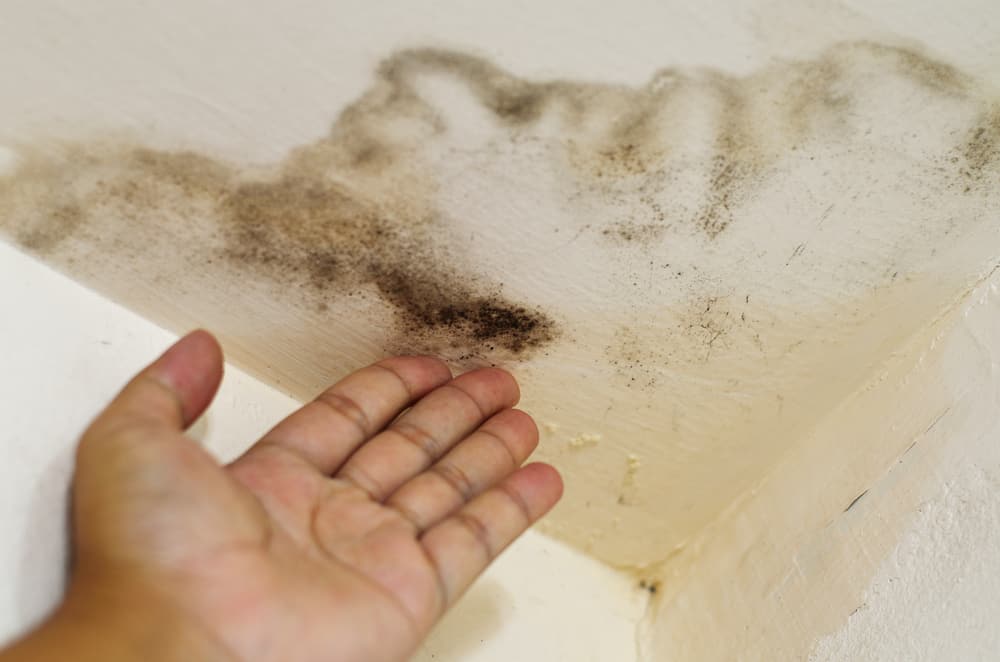
Mold in a Laurel home isn’t just a cosmetic issue. Whether it’s in the crawl space under an older Route 25 cottage, behind drywall in a Peconic Bay Boulevard waterfront property, or spreading through an attic that’s been closed up since October — the problem compounds fast. Mold starts growing within 24 to 48 hours of water intrusion. By the time most people notice it, it’s already deeper than the surface.
What changes after proper mold remediation in Laurel isn’t just the air quality — it’s your peace of mind about the property itself. You get a home that’s been assessed by a licensed professional, remediated to NYS standards, and cleared with post-remediation air quality testing that produces a written report. That documentation matters whether you’re staying put, planning to sell, or managing a seasonal property remotely.
The North Fork’s dual-water geography — Peconic Bay to the south, Long Island Sound to the north — creates ambient humidity levels that older homes in this area were never built to handle. Many of the housing structures in and around Laurel predate modern vapor barriers, crawl space encapsulation standards, and proper attic ventilation requirements. That’s not a flaw in the house — it’s just the reality of the local building stock. Knowing that going in is what separates a remediation that lasts from one that doesn’t.
First Response Restoration and Cleaning Inc. has been working on Long Island for over three decades — long enough to know exactly what moisture does to homes in Laurel and throughout the North Fork, and long enough to have a track record you can actually check. This isn’t a regional chain routing calls through a dispatch center. We’re an owner-operated company where Richard Peterson, our owner, holds personal New York State licenses in both mold assessment and mold remediation. You can look those up through the NYS Department of Labor before you ever pick up the phone.
Every technician on our team is IICRC-certified, which means the people walking into your Laurel home have been formally trained and tested — not just supervised by someone who was. We also run an integrated cleaning division, so the full restoration cycle — from initial containment through final cleaning — is handled under one roof, one contract, and one point of accountability. No handoffs, no coordination gaps, no second contractor to track down.
We serve communities throughout eastern Suffolk County, including Southold Town and the surrounding North Fork hamlets, and we’re available 24 hours a day, seven days a week — because water damage and mold don’t follow business hours.
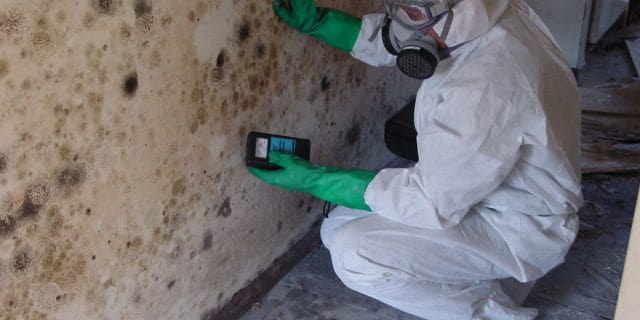
The first step is a thorough assessment. Before anything is removed or treated, the source of moisture has to be identified. In Laurel, that means looking at the full picture — crawl space conditions, attic ventilation, basement wall integrity, window seals, and any history of flooding or storm intrusion from the bay. Skipping this step is the most common reason mold comes back after remediation. The moisture source has to be addressed, not just the mold itself.
Once the source is identified and the scope of contamination is mapped, the affected area is contained to prevent spores from spreading to other parts of the home during removal. Contaminated materials are removed according to NYS Article 32 protocols — the state law that governs all mold remediation work in New York, including in Laurel and throughout the Town of Southold. Depending on the scope of structural repairs involved, the Southold Town Building Department may require a permit, and we can help you navigate that upfront rather than discover it mid-project.
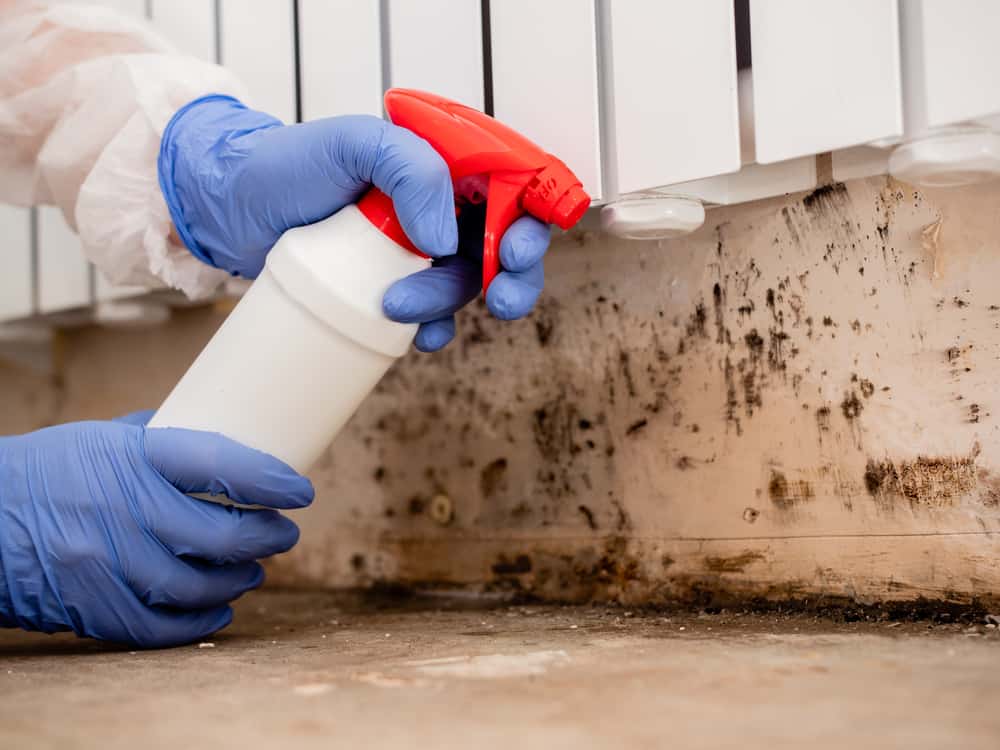
After removal, antimicrobial treatment is applied to the affected surfaces, and the space is dried and stabilized. The final step is post-remediation verification — independent air quality testing that confirms spore counts have returned to normal levels. You receive a written clearance report. That’s the document that satisfies home inspectors, real estate attorneys, and insurance adjusters — and it’s what tells you the job is actually done.
Ready to get started?
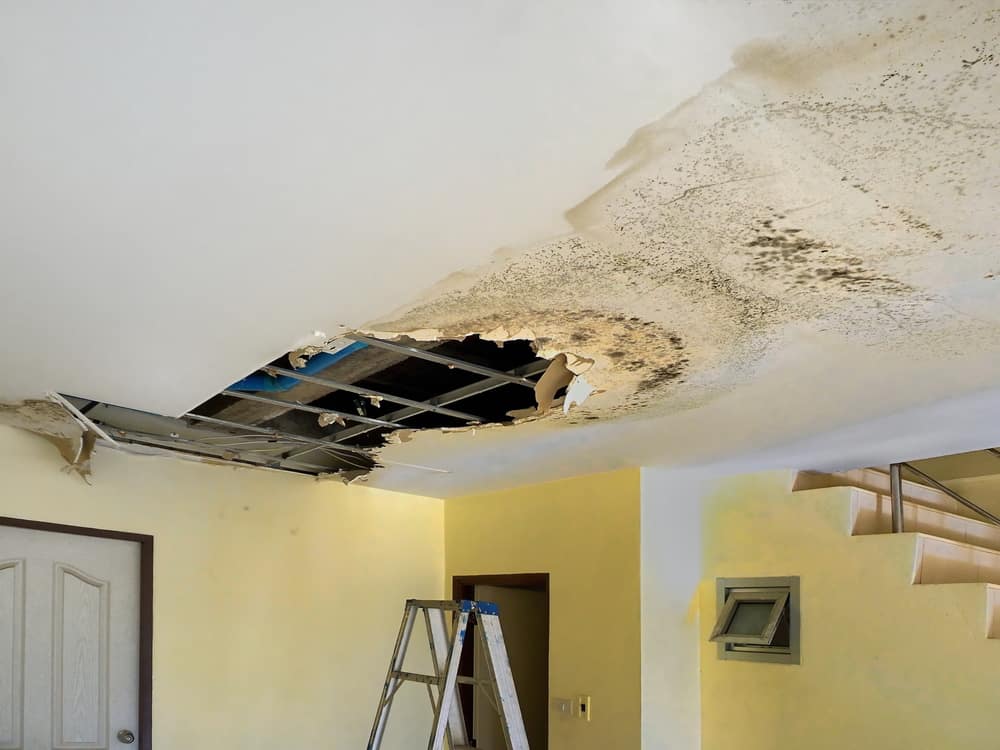
Mold remediation in Laurel covers a range of scenarios — and we scope each service around what’s actually in front of you, not a one-size-fits-all checklist. Basement mold remediation is common in older North Fork homes where block foundation walls have been absorbing ground moisture for decades. Crawl space mold remediation — including full encapsulation when needed — addresses one of the most persistent moisture problems in the area’s housing stock. Attic mold remediation is frequently triggered by inadequate ventilation in older rooflines, where warm air gets trapped and condensation builds season after season.
For seasonal homeowners in Laurel, there’s a specific scenario that comes up regularly: you return to your property in spring, open the door, and something’s wrong. A musty smell, visible growth on the walls, or discoloration under a windowsill. What started as a minor moisture issue in November became a real problem by April while the property sat unoccupied. We handle this situation regularly — including for homeowners managing it remotely from New York City who need a company that can assess, document, and mobilize without requiring constant oversight.
Black mold remediation, emergency mold remediation after storm events, and mold cleanup tied to real estate transactions are all part of what we handle. If you’re selling a Laurel property — where the average sale price runs around $1.3 million — having proper mold remediation documentation isn’t optional. It’s what keeps a deal from falling apart.
It depends on the scope of work. The mold remediation process itself — containment, removal of contaminated materials, antimicrobial treatment — doesn’t automatically trigger a building permit. But if the remediation involves structural repairs, such as replacing framing, removing and rebuilding sections of drywall, or making changes to the building envelope, the Town of Southold Building Department may require a permit for that portion of the work.
The best approach is to get clarity on this before the project starts, not after. We can help you understand what’s involved in your specific situation and whether a permit is likely to be required based on the scope. Getting this right upfront avoids delays, protects you in a future sale, and ensures the work is fully documented and compliant with both NYS Article 32 mold licensing law and local Southold Town requirements.
The honest answer is that it depends on where the mold is, how far it’s spread, and what caused it. For most residential mold remediation jobs, costs typically fall somewhere between $1,200 and $3,800. Crawl space remediation with full encapsulation can run higher — often $4,000 to $6,000 or more. Attic mold remediation, which is common in older North Fork homes with inadequate ventilation, can reach $9,000 depending on the size of the space and the extent of contamination. Basement remediation involving structural materials can exceed $10,000 in more serious cases.
In Laurel, where average home sale prices are around $1.3 million, the financial case for doing this right the first time is straightforward. A mold problem that isn’t fully resolved — or that gets papered over without addressing the moisture source — will resurface. And a mold history that surfaces during a home inspection can cost far more than the remediation itself, both in negotiating leverage and in buyers walking away entirely. Get a written estimate, understand what’s included, and make sure post-remediation verification is part of the scope.
Mold removal is exactly what it sounds like — physically taking the visible mold out. The problem is that mold isn’t just what you can see. Spores are microscopic, they travel through air, and they colonize surfaces that look perfectly clean. Removing visible mold without containing the area, treating the affected surfaces, addressing the moisture source, and verifying the result with air quality testing isn’t remediation — it’s a temporary fix.
Mold remediation is the full process: assessment, containment, removal of contaminated materials, antimicrobial treatment, structural drying, and post-remediation verification. In New York State, this work is regulated under Article 32 of the Labor Law, which requires both the assessor and the remediation contractor to hold valid state-issued licenses. That law exists because improper mold removal can actually make the problem worse by disturbing spores and spreading them to unaffected parts of the home. In a North Fork property where moisture conditions are persistent, cutting corners on this process almost always means dealing with the same problem again within a year or two.
Yes — and it does so faster than most people expect. Crawl spaces are one of the most common locations for mold growth in Laurel and throughout the North Fork, largely because older homes in this area were built without modern vapor barriers or encapsulation systems. Ground moisture rises, humidity from Peconic Bay settles, and the crawl space becomes a warm, damp environment where mold can establish itself quickly and quietly.
Once mold is active in a crawl space, spores move upward through gaps in flooring, around pipe penetrations, and through the home’s air circulation system. By the time you notice a musty smell in the living area above, the crawl space below may already have significant contamination. Crawl space mold remediation — including full encapsulation if warranted — stops this cycle at the source. It also reduces the ambient humidity that the rest of the home has to manage, which can improve air quality and reduce strain on HVAC systems. This is a job worth doing thoroughly, not just treating the surface and hoping it holds.
Don’t try to clean it yourself, and don’t wait to see if it gets better on its own. Mold found in a property that’s been closed up through a North Fork winter has almost certainly been growing for months. What you’re seeing on the surface is typically a fraction of the actual contamination. Disturbing it without proper containment — even with household cleaning products — can spread spores to areas that weren’t previously affected.
The right first step is to call a licensed mold assessor who can evaluate the full scope of the problem before any remediation work begins. Under New York State law, the assessment and the remediation are actually required to be performed by separately licensed individuals or entities — this separation exists to protect you from a contractor who assesses their own work. We can walk you through how this process works, what to expect in terms of timeline, and whether your homeowner’s insurance policy covers any portion of the remediation based on the cause of the moisture. For seasonal homeowners managing this remotely, our 24/7 availability means you can get real answers without waiting until Monday morning.
Go directly to the New York State Department of Labor’s online licensing portal and search by the contractor’s name or license number. Under NYS Article 32 of the Labor Law, which took effect in January 2016, anyone performing mold assessment or mold remediation in New York — including in Laurel and throughout Southold Town — must hold a valid state-issued license. It is illegal to advertise or perform this work without one. The license is tied to an individual, not just a company name, which means you can verify that the specific person responsible for the work is actually licensed.
This matters more than it might seem. Hiring an unlicensed contractor exposes you to real risk: the work may not meet NYS standards, your insurance claim could be denied if the remediation was performed without proper licensure, and the lack of proper documentation could create liability when you go to sell the property. In a real estate market like Laurel’s, where transactions move at high dollar amounts and buyers’ attorneys look closely at property history, having remediation work performed by a verifiably licensed contractor isn’t a formality — it’s protection. Richard Peterson, our owner, holds personal NYS licenses in both mold assessment and mold remediation, and both are searchable and verifiable before you ever commit to anything.
Useful Links
Other Services we provide in Laurel