
Mold Remediation in Lido Beach, NY
Barrier Island Homes Need More Than a Basic Mold Fix
Hear from Our Customers
Professional Mold Remediation Lido Beach NY
Mold in a Lido Beach home isn’t a one-time event it’s a symptom. Reynolds Channel to the north, the Atlantic to the south, sandy soil that holds water around your foundation, and coastal humidity that rarely drops below 60% in summer. That combination doesn’t care how recently you renovated. If the moisture pathway isn’t closed, the mold comes back.
When remediation is done right, you stop reacting and start breathing easier literally. Crawl spaces that used to smell damp stay dry. Attic framing that was quietly growing black mold gets cleared and sealed. The air inside your home stops carrying what was festering in the walls. For the older homes throughout Lido Beach many built before modern vapor barriers were standard that shift is significant.
There’s also the property side of this. Homes in Lido Beach trade at serious numbers. A documented mold problem can cut resale value by 20% or more, and half of buyers walk away entirely once mold comes up in inspection. Getting ahead of it or handling it properly when it’s found protects what you’ve built here, not just the structure itself.
Certified Mold Remediation Companies Lido Beach NY
We’ve been serving Nassau County homeowners for close to three decades. That includes the South Shore communities along the Long Beach Barrier Island homes in Lido Beach and surrounding areas that have been through Sandy, through nor’easters, and through the slow, quiet damage that coastal humidity does between storms. This isn’t a national franchise with a local phone number. We’re a Long Island company that knows what barrier island construction actually looks like from the inside.
What separates us from most of the field is individual IICRC certification. Every technician who shows up at your door whether you’re in Lido Dunes, near Nickerson Beach, or on the channel side of Lido Boulevard has personally completed training under the ANSI/IICRC S520 Standard. That’s not a company-level checkbox. It’s the person doing the work.
Our trucks arrive fully stocked. No second dispatch, no waiting for equipment. On a barrier island with one road in and out, that matters more than it might anywhere else.
Mold Damage Repair Process Lido Beach NY
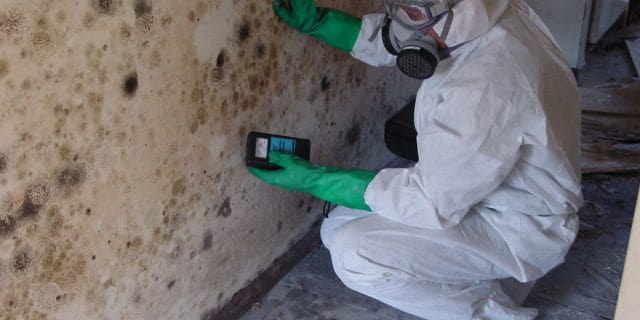
It starts with a thorough inspection not a visual scan and a handshake. We use air sampling, swab testing, infrared imaging to find mold behind walls and under floors, and moisture readings throughout the structure. You get a written report with lab results within two to three business days. If you’re navigating a flood insurance claim common in a community with Lido Beach’s FEMA flood zone exposure that documentation is what makes or breaks the process with your adjuster.
Before any remediation begins, the moisture source gets identified and addressed. This is the step most companies skip, and it’s why mold comes back. In Lido Beach, that source could be tidal intrusion through a crawl space foundation, condensation from an overworked AC system during a humid August, or storm surge that pushed water into sub-floor framing during the last major nor’easter. The fix has to match the actual cause.
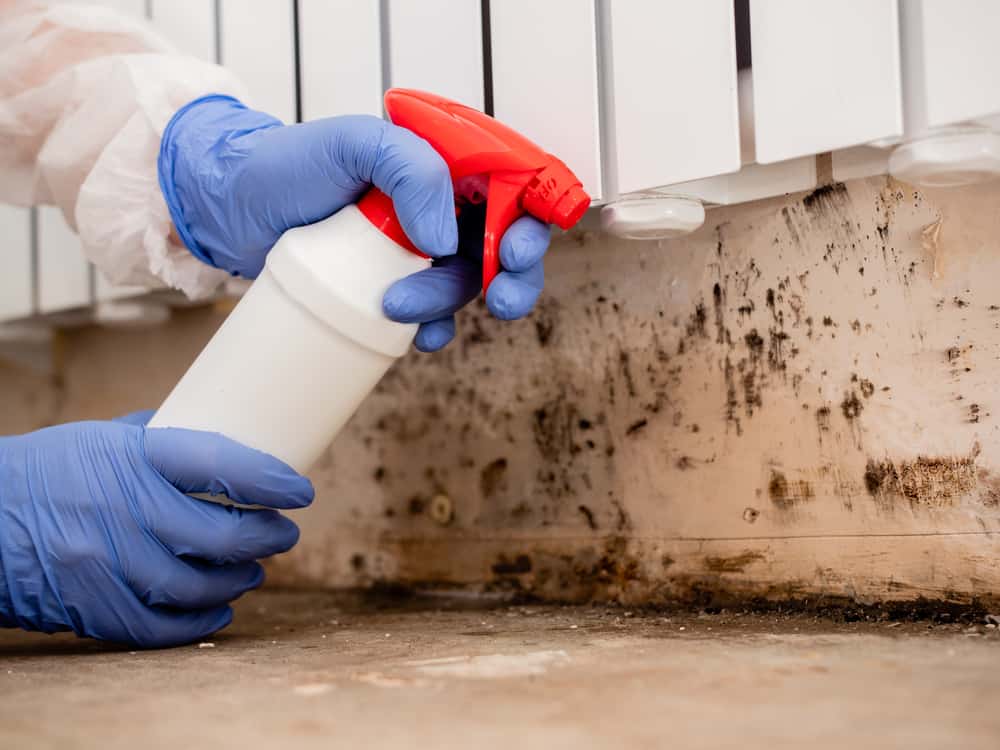
Once the source is controlled, the remediation follows the IICRC S520 protocol containment, removal of affected materials, HEPA filtration, antimicrobial treatment, and post-remediation clearance testing to confirm the job is complete. If structural materials need to come out drywall, insulation, framing we handle the rebuild too. You don’t need a second contractor. New York State law also requires that the company assessing the mold and the company remediating it be separate we’ll walk you through exactly how that works and why it protects you.
Ready to get started?
Emergency Mold Remediation Services Lido Beach NY
We handle the full range of mold remediation scenarios that Lido Beach homeowners actually face. Crawl space mold remediation is one of the most common calls on the barrier island the combination of sandy, water-saturated soil and limited airflow underneath older homes creates exactly the conditions mold needs. Attic mold remediation is another. Salt air accelerates the breakdown of roofing materials and ventilation systems, and when warm, humid air finds its way into attic space, mold colonizes roof decking fast.
Basement and below-grade mold, black mold remediation in water-damaged living spaces, post-flood mold cleanup after storm surge events these are all within scope. So is the full reconstruction that comes after affected materials are removed. If your home took on water and the remediation left you with open walls or missing insulation, that work gets handled under one roof.
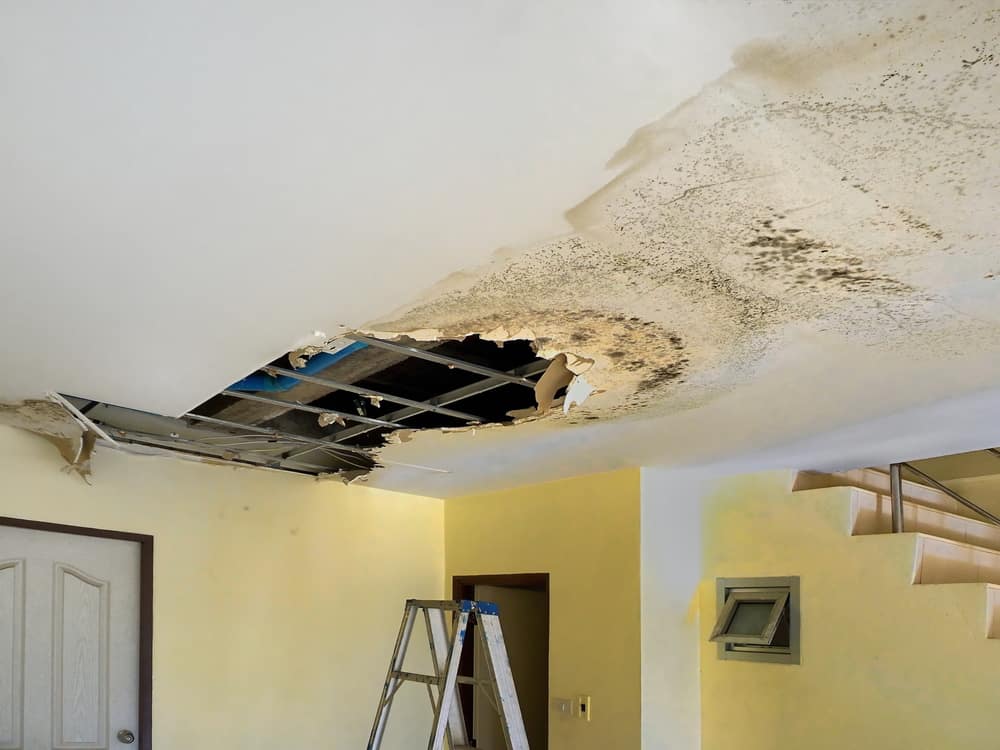
Emergency mold remediation is available 24 hours a day, seven days a week. Given that the most serious water intrusion events in Lido Beach happen during storms and storms don’t arrive on a schedule that availability is real, not a marketing line. Mold begins growing within 48 hours of water intrusion. Waiting until Monday morning costs you wall space, floor joists, and potentially more of the structure than you’d expect.
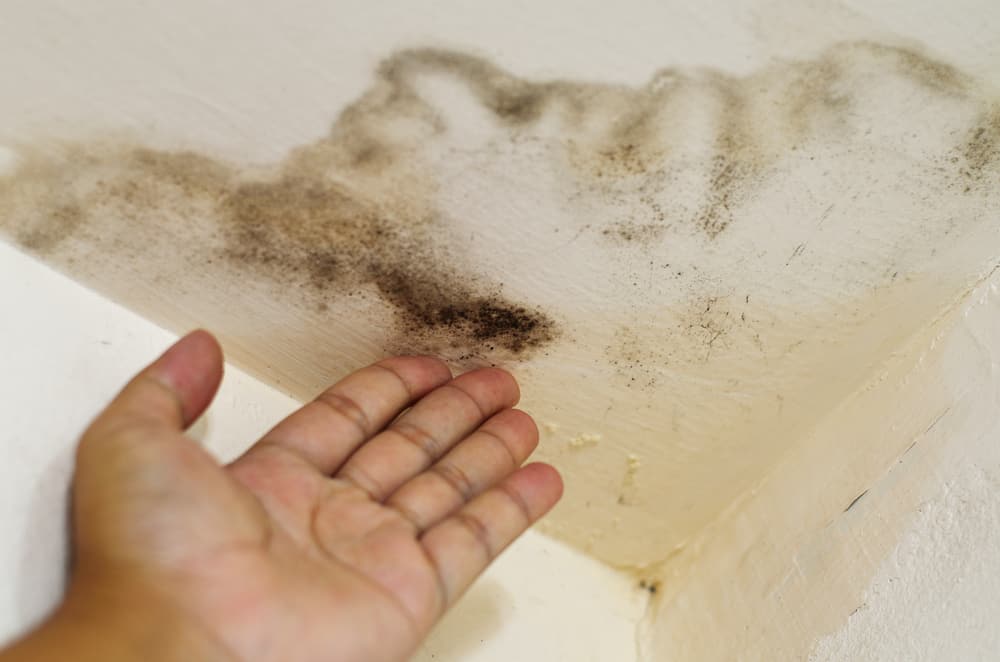
How quickly does mold grow after flooding in a Lido Beach home?
Mold can begin colonizing building materials within 24 to 48 hours of water intrusion and in Lido Beach’s coastal environment, conditions accelerate that timeline. The combination of warm temperatures, high ambient humidity, and the organic materials in older construction gives mold everything it needs to take hold fast. If your home took on water during a storm surge event from Reynolds Channel or ocean-side flooding, the clock starts the moment the water enters.
This is why response time matters so much on the barrier island. The longer saturated drywall, insulation, or sub-floor framing sits wet, the deeper the mold penetrates and the more material has to come out. Calling for emergency mold remediation within the first 24 to 48 hours after a flooding event can be the difference between a manageable remediation and a full structural rebuild.
Does homeowners or flood insurance cover mold remediation costs in Lido Beach, NY?
It depends on the source of the mold and the type of policy you carry. In Lido Beach, many homeowners carry both a standard homeowners policy and a separate NFIP flood insurance policy a direct result of the community’s FEMA flood zone designations and the lessons of Superstorm Sandy. Mold that results from a covered flood event may be covered under your flood policy, while mold from a plumbing failure or HVAC leak would typically fall under your homeowners policy.
The critical factor is documentation. Insurance companies require a clear paper trail written inspection reports, lab results, moisture readings, and a detailed scope of work before they authorize a mold-related claim. We provide that documentation as a standard part of the inspection process, not as an add-on. If you’re dealing with a claim across two policies with two different adjusters, having a restoration company that understands how to build that file makes a real difference in whether the claim gets paid.
What is the difference between mold removal and mold remediation?
Mold removal suggests that mold can be completely eliminated from an environment which isn’t accurate. Mold spores are naturally present in the air both inside and outside every home. The goal isn’t to achieve zero spores; it’s to bring indoor mold levels back to a normal, safe range and eliminate the active growth that’s causing damage. That’s what remediation means it’s a controlled, documented process, not just scrubbing visible mold off a surface.
In practice, professional mold remediation involves containment of the affected area, removal of compromised materials, HEPA air filtration, antimicrobial treatment, and post-remediation clearance testing to confirm the indoor air quality has returned to an acceptable baseline. For Lido Beach homeowners dealing with mold that’s developed in crawl spaces or behind walls after a storm event, surface cleaning alone would leave the problem intact. The remediation process addresses what you can see and what you can’t.
How much does mold remediation cost in Lido Beach, NY?
Nationally, mold remediation costs range from roughly $1,200 to $3,800 for contained, localized problems with an average around $2,300. Larger jobs, like full attic remediation or crawl space remediation in a home with significant structural involvement, can run from $5,000 to $15,000 or more depending on the extent of the damage and how much material needs to be removed and replaced.
In Lido Beach specifically, a few factors tend to push costs toward the higher end of those ranges. The age of the housing stock, the barrier island’s chronic moisture exposure, and the frequency with which storm-related water intrusion reaches structural framing and insulation all mean that mold problems here are often more extensive than they initially appear. The best way to get an accurate number is a proper inspection with documented findings not a visual estimate from someone who hasn’t looked inside the walls. We provide written inspection reports with lab results so you know exactly what you’re dealing with before any work begins.
Can mold come back after professional remediation in a coastal home?
Yes if the moisture source wasn’t fully addressed, mold will return. This is the most common reason homeowners in coastal communities end up calling a second remediation company. The first company removed visible mold but didn’t close the pathway that allowed moisture to enter in the first place. In a Lido Beach home, that pathway could be a crawl space vent that allows humid air to condense on cold framing, a foundation crack that allows tidal groundwater to seep in during high tide, or an HVAC system that’s generating more condensation than the drainage can handle.
Our process begins with identifying and resolving the moisture source before remediation starts. Post-remediation clearance testing then confirms that indoor mold levels have returned to normal before the job is considered complete. That combination source control first, verified clearance last is what separates a remediation that holds from one that doesn’t. In an environment as moisture-rich as the Long Beach Barrier Island, skipping either step is how you end up back at square one.
Does mold remediation in Lido Beach require a permit from the Town of Hempstead?
It depends on the scope of the work. Mold remediation that involves removing and replacing structural materials drywall, framing, insulation, sub-floor components typically requires a building permit from the Town of Hempstead, which governs Lido Beach as an unincorporated hamlet. Remediation that stays at the surface level and doesn’t involve structural alterations generally does not trigger a permit requirement, but the line between the two isn’t always obvious until the inspection reveals how deep the damage goes.
This is worth knowing before work begins, especially in Lido Beach where post-Sandy rebuilds and renovation projects have already put many properties through the Town of Hempstead permitting process. We’re familiar with Nassau County and Town of Hempstead requirements and can help you understand what the scope of your specific job means from a compliance standpoint. Working with a company that’s been operating in Nassau County for nearly 30 years means you’re not navigating that process alone or finding out after the fact that unpermitted structural work creates a problem at your next sale.
Useful Links
Other Services we provide in Lido Beach