
Mold Remediation in Lindenhurst, NY
Sandy Flooded It. Time Made It Worse. Here's the Fix.
Hear from Our Customers
Certified Mold Remediation in Lindenhurst, NY
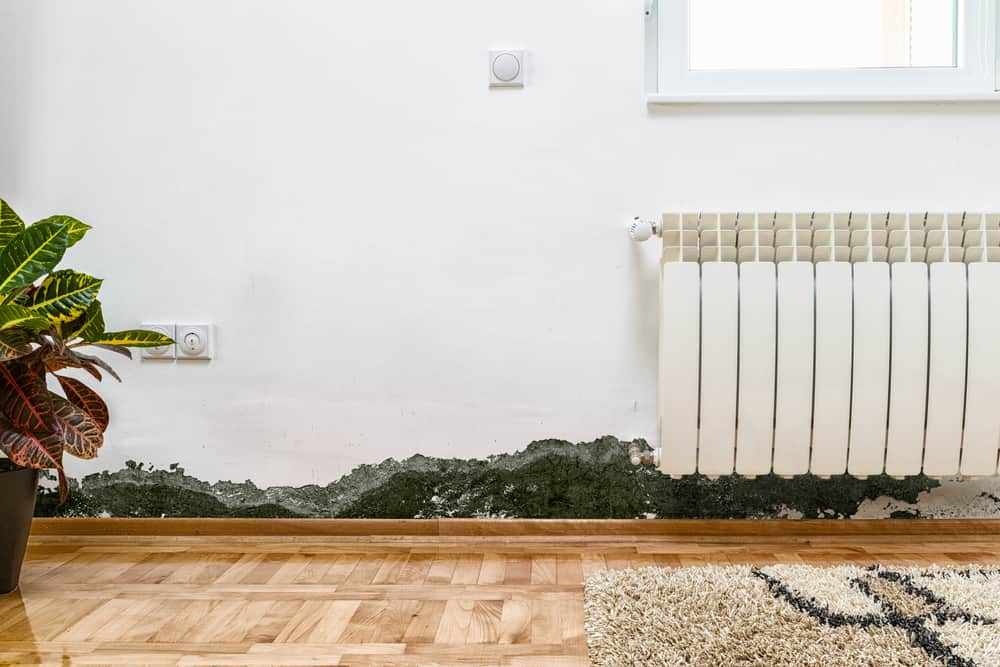
The musty smell in the basement after a wet spring. The discoloration behind the drywall you found during a renovation. The cough that gets worse every winter and better every time you leave the house. These aren’t random they’re what mold does when it’s been living inside a mid-century ranch or Cape Cod that absorbed water and never fully dried out.
When mold remediation is done right, those things stop. The air in your Lindenhurst home changes. The smell clears. You stop second-guessing whether your family’s health is connected to something in the walls. For homeowners here, that outcome is worth more than it sounds because the alternative isn’t just discomfort, it’s a property that fails inspection, loses value, and costs you twice when the mold comes back because the moisture source was never addressed.
That’s the part most companies skip. Lindenhurst homes especially the ones south of Montauk Highway, near the canals, or in neighborhoods where the water table sits close to the surface don’t just have mold. They have the conditions that keep producing mold. Removing what’s visible without correcting what’s causing it is how you end up calling a second company six months later. Our process starts with the source, not the surface.
Professional Mold Remediation Company in Lindenhurst, NY
We are an owner-operated restoration company that has been serving Long Island since the early 1990s. Our owner, Richard Peterson, holds personal New York State licenses in both mold assessment and mold remediation contracting not a company-level certificate filed in a drawer somewhere, but his own name on the license, which means his own reputation on every job. Every technician on our team is individually IICRC-certified, trained and tested to the S520 standard that governs professional mold remediation.
We’ve worked in Lindenhurst homes through every major weather event this South Shore community has faced including the October 2012 storm surge that pushed nearly 9 feet of water into roughly 1,600 properties south of Montauk Highway. We know what the housing stock here looks like. We know what a 1950s Cape Cod with a wet crawl space and no vapor barrier holds after a decade of coastal humidity. And we know the difference between remediation that actually works and remediation that just looks finished.
Mold Cleanup and Remediation Process in Lindenhurst, NY
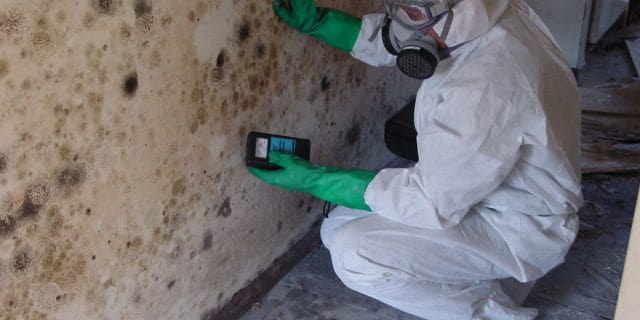
It starts with a thorough assessment not a quick visual scan, but a systematic moisture mapping of the affected area. In Lindenhurst, that matters more than it does in most places. Homes near the American Venice canals, along the southern sections of the village, or in any area that took on water during Sandy carry moisture in places that aren’t immediately visible: inside wall cavities, beneath subfloors, within insulation, and in the structural framing itself. We locate the source before we touch the mold, because treating the mold without addressing what’s feeding it is a temporary fix at best.
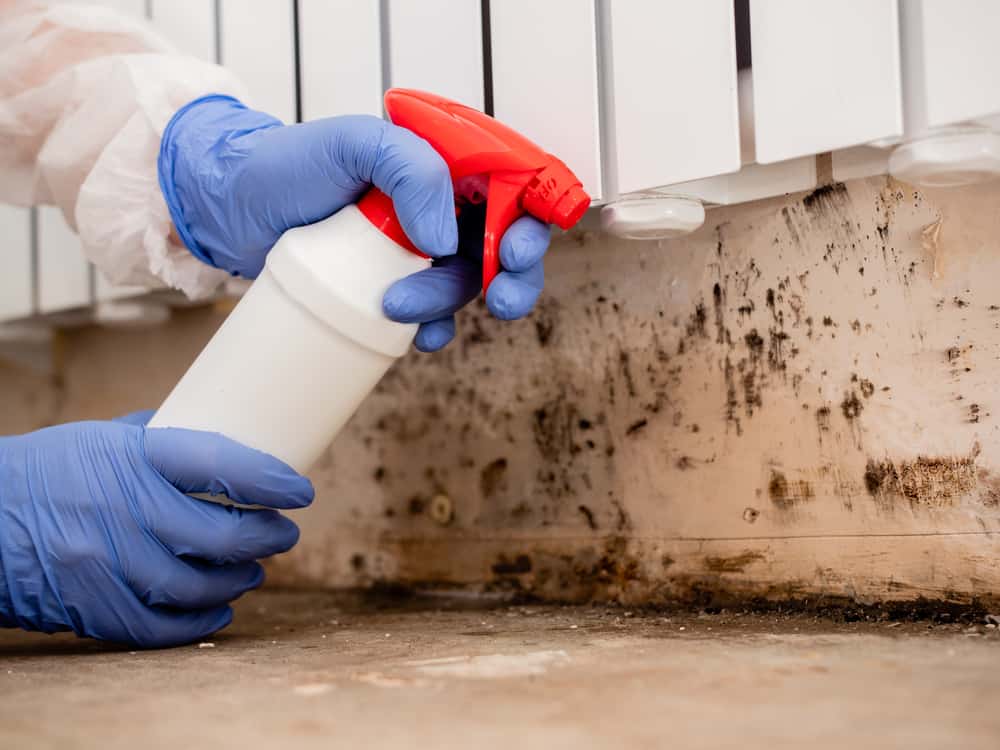
Once the source is identified and controlled, we establish proper containment polyethylene barriers, negative air pressure systems, and HEPA filtration to prevent spores from spreading to unaffected areas of your home. Then we remove the mold-affected material, treat all surfaces with EPA-registered antimicrobials, and clean the space completely. Our integrated cleaning division handles the final step in-house, so there’s no gap between remediation and the clean that follows it.
The job isn’t considered done until post-remediation verification is complete. That means independent air quality testing not our own assessment of our own work that confirms spore counts have returned to normal levels. You get a clearance report. That document matters for insurance claims, real estate transactions, and your own peace of mind. Under New York State’s Article 32 mold licensing law, this level of documented, licensed remediation is the legal standard and it’s the only standard we work to.
Ready to get started?
Black Mold Remediation Services in Lindenhurst, NY
Mold remediation in a Lindenhurst home isn’t one-size-fits-all. The problems we find in canal-front properties in the American Venice neighborhood are different from what shows up in a basement ranch off Sunrise Highway, and both of those are different from the attic mold we find in homes where summer humidity from the Great South Bay gets trapped under an under-ventilated roof. We handle all of it basement mold remediation, crawl space mold remediation, attic mold remediation, and full structural remediation when water damage has reached the framing.
For Lindenhurst homeowners dealing with the ongoing legacy of Sandy flooding, we pay particular attention to what saltwater intrusion does differently than freshwater. Salt is hygroscopic it pulls moisture from the air long after the water itself is gone, which means mold conditions in a post-Sandy home can persist for years without any new water event. That’s the reason so many homes in the southern sections of this village still have active mold problems more than a decade after the storm.
We also assist with insurance documentation throughout the process. If you’re navigating a claim whether it’s related to a recent water event or a prior loss that wasn’t fully resolved we document the damage in the format carriers require and provide the clearance reports that support your claim. Suffolk County’s licensing requirements and New York State’s Article 32 standards are built into every job we do. There’s no unlicensed workaround here, and that’s exactly the kind of accountability that protects you.
How do I know if my Lindenhurst home still has mold from Sandy flooding?
This is one of the most common questions we hear from homeowners in the southern sections of Lindenhurst, and it’s a legitimate one. A lot of the post-Sandy remediation that happened in 2012 and 2013 was done quickly, under pressure, by contractors who weren’t licensed or equipped for the scale of saltwater flooding those homes absorbed. Saltwater penetrates porous building materials wood framing, plaster, insulation deeply, and it leaves behind hygroscopic salt deposits that continue to attract moisture from the air even after the visible water is gone. That means mold conditions can persist and expand for years without any new flooding event.
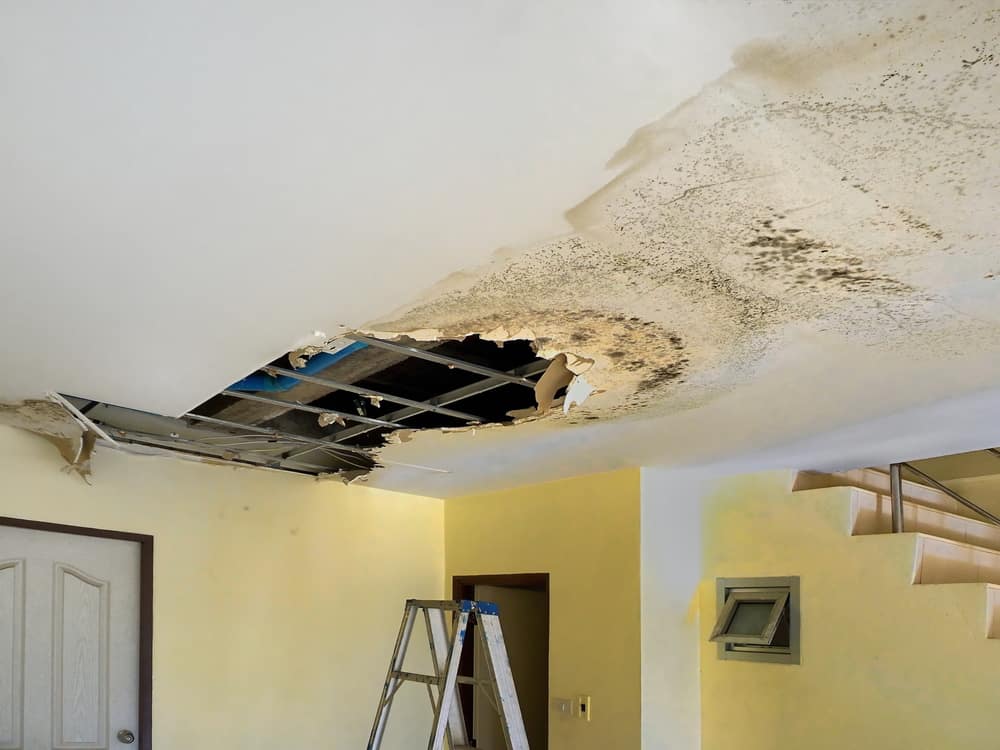
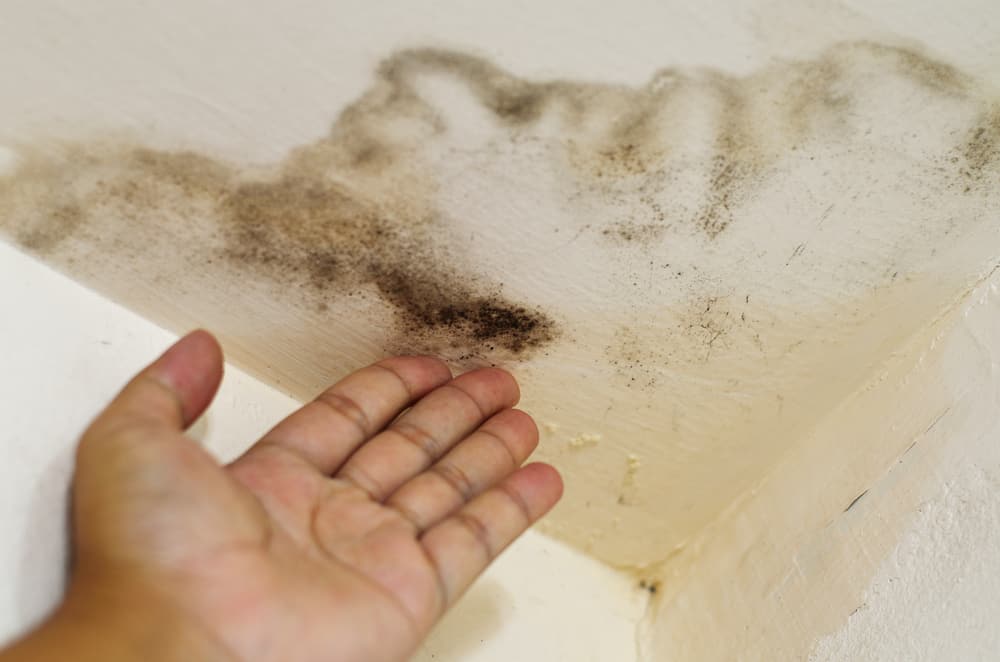
Signs that post-Sandy remediation may have been incomplete include a persistent musty odor in the basement or lower levels, visible discoloration on walls or ceilings that returns after surface cleaning, unexplained respiratory symptoms that improve when you’re out of the house, and peeling or bubbling paint on interior walls. If your home was south of Montauk Highway and took on storm surge in 2012, a professional mold assessment conducted by a licensed NYS mold assessor is the only way to know for certain what’s still there and where.
What does mold remediation cost for a typical home in Lindenhurst, NY?
Cost varies depending on how much mold is present, where it’s located, and whether the moisture source requires structural correction. For most residential mold remediation projects, you’re looking at a range of roughly $1,500 to $6,000. Surface mold in a basement or crawl space with a contained moisture source tends to fall on the lower end. Structural remediation where mold has reached the framing, subfloor, or wall cavities can push higher, particularly in older homes where the damage has had years to develop.
In Lindenhurst specifically, crawl space and basement projects often require more than just mold removal. Homes near the canal network or in the flood zone south of Montauk Highway frequently need moisture control measures vapor barriers, improved drainage, or encapsulation to prevent recurrence. Those additions affect the total cost, but they’re also what separates a permanent fix from a temporary one. Getting a detailed scope of work from a licensed assessor before any remediation begins is the best way to understand what you’re actually dealing with and what it will realistically cost.
Is mold remediation covered by homeowner's insurance in New York?
It depends on the cause. New York homeowner’s insurance policies generally cover mold remediation when it results from a sudden and accidental water event a burst pipe, an appliance failure, or storm-driven water intrusion. What most policies don’t cover is mold that developed over time due to ongoing moisture, poor ventilation, or deferred maintenance. The distinction matters, and insurance carriers will look at the documentation carefully before approving a claim.
For Lindenhurst homeowners, this gets complicated by the Sandy legacy. Some properties have had multiple water events, prior claims, and prior remediation all of which create a documentation trail that carriers scrutinize. Working with a licensed remediation contractor who documents the damage thoroughly, in the format your carrier requires, gives your claim the best possible foundation. We assist with that documentation throughout the process. A clearance report from a licensed assessor, combined with a detailed remediation scope, is the standard that most carriers and real estate attorneys in Suffolk County expect to see.
What's the difference between mold remediation and mold removal in Lindenhurst, NY?
Mold removal, as a term, implies that all the mold is physically taken out which sounds thorough but is actually incomplete as a description of what needs to happen. Mold spores are present in every indoor environment at some baseline level. The goal of professional remediation isn’t to eliminate every spore it’s to bring spore counts back to normal, safe levels and eliminate the conditions that allowed mold to colonize in the first place.
Mold remediation, done properly, includes containment to prevent spore spread during the work, physical removal of mold-affected materials, treatment of remaining surfaces with EPA-registered antimicrobials, correction of the moisture source, and post-remediation verification through independent air quality testing. In a South Shore community like Lindenhurst where coastal humidity, a high water table, and aging housing stock create persistent moisture pressure remediation without source correction is almost always a temporary fix. The mold comes back because the conditions that produced it were never addressed. That’s the core difference between remediation that holds and remediation that doesn’t.
How long does mold remediation take in a typical Lindenhurst home?
For most residential projects, the active remediation work takes between one and five days, depending on the scope. A contained basement or crawl space issue with a clear moisture source might be resolved in a day or two. A larger project one involving multiple areas of the home, structural material removal, or the kind of deep moisture penetration common in homes that absorbed Sandy storm surge can take longer, particularly if drying time is required before final treatment and verification.
After the remediation work is complete, post-remediation verification requires air sampling and lab analysis, which typically adds a few business days before the clearance report is issued. In Lindenhurst, where many homeowners are navigating real estate transactions or inspection contingencies, we try to be direct about realistic scheduling from the start. If there’s a closing deadline involved, let us know upfront that context helps us sequence the work and documentation in a way that fits your timeline.
Do I need a licensed mold assessor and a separate remediation contractor in New York?
Under New York State’s Article 32 mold licensing law, the assessor who evaluates the mold and writes the remediation plan must be a different licensed individual from the contractor who performs the remediation. This separation exists to prevent conflicts of interest a contractor who assesses their own work scope has a financial incentive to expand it. The law also requires a post-remediation assessment to confirm the work was successful, and that assessment must again be conducted by a licensed assessor, not the remediation contractor.
In practice, this means you’ll work with two licensed professionals: one to assess and document, one to remediate. Our owner, Richard Peterson, holds personal NYS licenses in both mold assessment and mold remediation contracting, which means he can coordinate both sides of that process with full understanding of what each requires without the confusion that comes from hiring two unconnected companies who’ve never worked together. For Lindenhurst homeowners dealing with the complexity of post-Sandy documentation, insurance claims, or real estate transaction requirements, having that coordination under one accountable operator makes a measurable difference in how smoothly the process runs.
Useful Links
Other Services we provide in Lindenhurst