
Mold Remediation near Locust Valley, NY
Gold Coast Homes Deserve More Than a Surface Fix
Hear from Our Customers
Professional Mold Remediation near Locust Valley NY
The air feels different. The musty smell that you stopped noticing because it had just become part of the house is gone. You stop wondering whether the corner of that basement is a problem or just old stone doing what old stone does. That uncertainty is one of the most draining parts of owning an older home, and it ends when the job is done right.
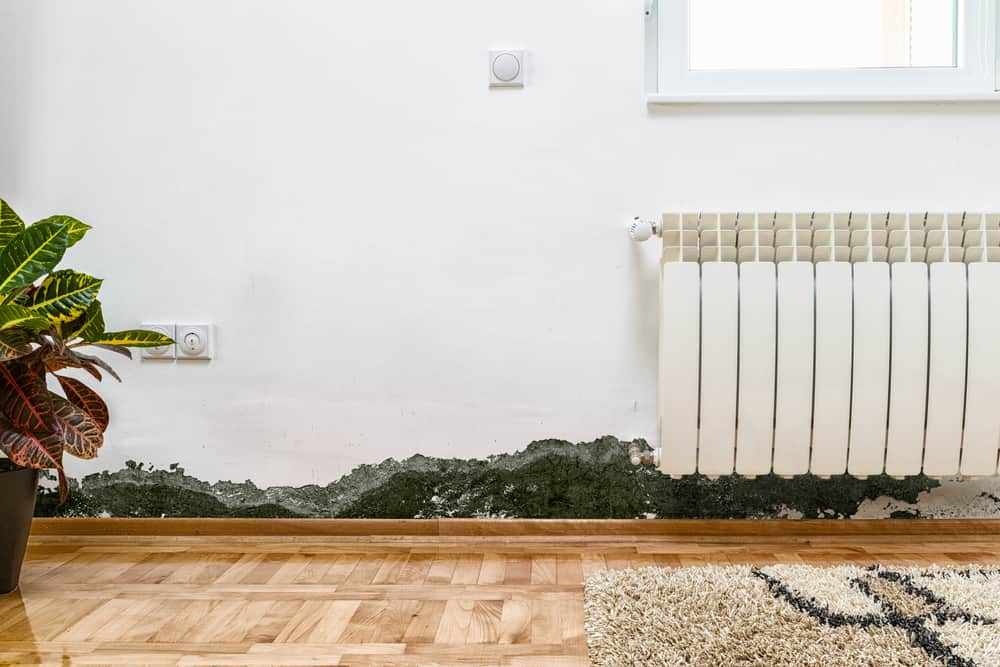
Locust Valley’s housing stock is genuinely different from most of Nassau County. A median construction year of 1945, fieldstone foundations, original plaster walls, unfinished crawl spaces these aren’t just architectural details. They’re the conditions that let moisture move through a home in ways that newer construction simply doesn’t allow. When mold takes hold in a pre-war structure, it rarely stays in one place. It follows the moisture. And if the moisture source isn’t resolved, the mold comes back.
What you get from a properly completed remediation isn’t just a cleaner space. It’s a written report with lab results, air quality readings, and clearance testing documentation that protects your property value, satisfies your insurance carrier, and gives any future buyer confidence that the problem was handled correctly. On a home worth over a million dollars, that paper trail isn’t optional. It’s the whole point.
Mold Remediation Companies near Locust Valley NY
We’ve been serving Nassau County for close to three decades. That’s not a franchise timeline or a recently opened branch it’s nearly 30 years of working in North Shore communities like Locust Valley, learning the specific conditions that drive water intrusion and mold in this part of Long Island, and building a track record that holds up under scrutiny.
Every technician who walks into a Locust Valley home is individually IICRC certified. Not our company as a whole each person on your job. That distinction matters when the work involves a historic estate off Piping Rock Road or a pre-war residence near the Bailey Arboretum, where the wrong approach can damage irreplaceable original materials.
We handle everything from the initial inspection through full reconstruction of affected areas. One call. One company. No coordinating between a remediation crew and a separate contractor to put the walls back together.
Mold Cleanup and Remediation near Locust Valley
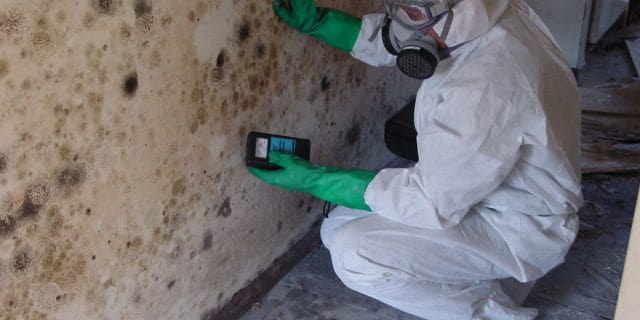
It starts with a 13-point mold inspection not a walkthrough with a flashlight, but a documented assessment that includes air testing, surface swab sampling, moisture level measurement, infrared imaging to locate hidden moisture behind walls, and a comparison of indoor versus outdoor mold particle counts. The written report with lab results comes back within two to three business days, and it gives you a clear, factual picture of what’s present and where.
From there, the remediation scope is built around what the inspection actually found. In Locust Valley’s older homes, that often means addressing moisture intrusion through aging foundations or crawl spaces before any remediation work begins because treating mold without fixing the source is just cleaning up the same problem twice. Under New York State’s 2016 Mold Law, the assessment and remediation must be handled by separate licensed entities, which means the scope of work you receive is based on independent findings, not on what generates the largest remediation contract.
Once the source is controlled and the affected materials are removed, air scrubbers and HEPA filtration run until clearance testing confirms the space is clean. If structural repairs are needed drywall, framing, flooring we handle that too. You don’t hand off to a second contractor. The job closes when everything is restored, tested, and documented.
Ready to get started?
Black Mold Remediation near Locust Valley NY
We provide mold remediation near Locust Valley, NY for every environment where moisture and older construction intersect and in this hamlet, that list is long. Basement mold remediation in Locust Valley addresses the stone and brick foundation walls that are common in pre-war homes throughout Lattingtown and Matinecock, where ground moisture moves through original masonry without the vapor barriers that modern construction takes for granted. Crawl space mold remediation in Locust Valley focuses on the unfinished, often dirt-floor spaces that exist beneath many of the area’s older estate properties environments that stay damp year-round without active moisture management.
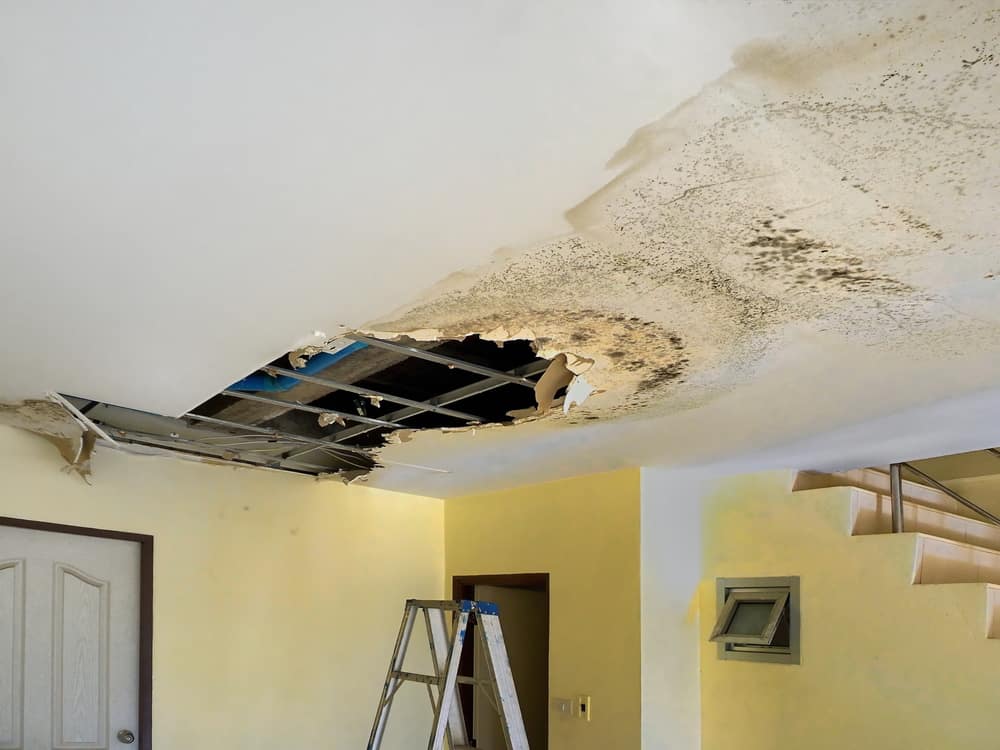
Attic mold remediation in Locust Valley is particularly relevant in the large, multi-story homes throughout the hamlet, where original roof framing and inadequate ventilation create warm, humid conditions that support mold growth even when there’s no visible leak. Emergency mold remediation in Locust Valley is available around the clock because nor’easters off Long Island Sound don’t wait for business hours, and water intrusion in a historic home can reach mold-growth conditions within 48 hours of a storm event.
Every service includes the full documentation package: inspection report, lab results, remediation records, and post-clearance testing. For Locust Valley homeowners managing high-value properties, that documentation is the deliverable that matters most and it’s included in every job, not offered as an add-on.
How much does mold remediation cost in Locust Valley, NY for a large older home?
The honest answer is that it depends on the scope, and in Locust Valley, scope can vary significantly. A contained mold problem in a single bathroom or utility room typically falls in the $1,500 to $3,500 range. A larger remediation involving a basement, crawl space, or attic in a pre-war estate the kind of property common throughout Locust Valley and the surrounding villages of Lattingtown and Matinecock can run anywhere from $5,000 to $15,000 or more, depending on square footage, the extent of material removal required, and whether structural reconstruction is needed afterward.
What drives cost up in older homes isn’t the mold itself it’s the complexity of getting to it and resolving the moisture source driving it. Fieldstone foundations, original plaster walls, and unfinished crawl spaces require more careful, time-intensive work than modern drywall construction. The written inspection report you receive before any work begins gives you a clear scope and a documented basis for the cost so there are no surprises after the fact.
Is mold common in pre-war homes in Locust Valley, and what causes it?
Yes and it’s not a reflection of how well the home has been maintained. Pre-war construction in Locust Valley simply predates the building science that modern homes rely on. There were no vapor barriers, no modern waterproofing membranes, and no insulation systems designed to manage moisture movement through walls and foundations. Original stone and brick foundations absorb ground moisture. Old-growth wood framing holds water longer than engineered lumber. Plaster walls trap humidity in ways that modern drywall doesn’t.
Layer on top of that the North Shore’s coastal humidity Long Island Sound keeps the air moisture-heavy through most of the year and the glacial moraine topography that creates natural low points where water collects on larger estate properties throughout Locust Valley, and you have a set of conditions that make mold a persistent risk regardless of how well the home is kept. The question for most Locust Valley homeowners isn’t whether moisture is entering the structure it’s where, and whether it’s reached a level that requires professional remediation.
What's the difference between mold remediation and mold removal and does it matter?
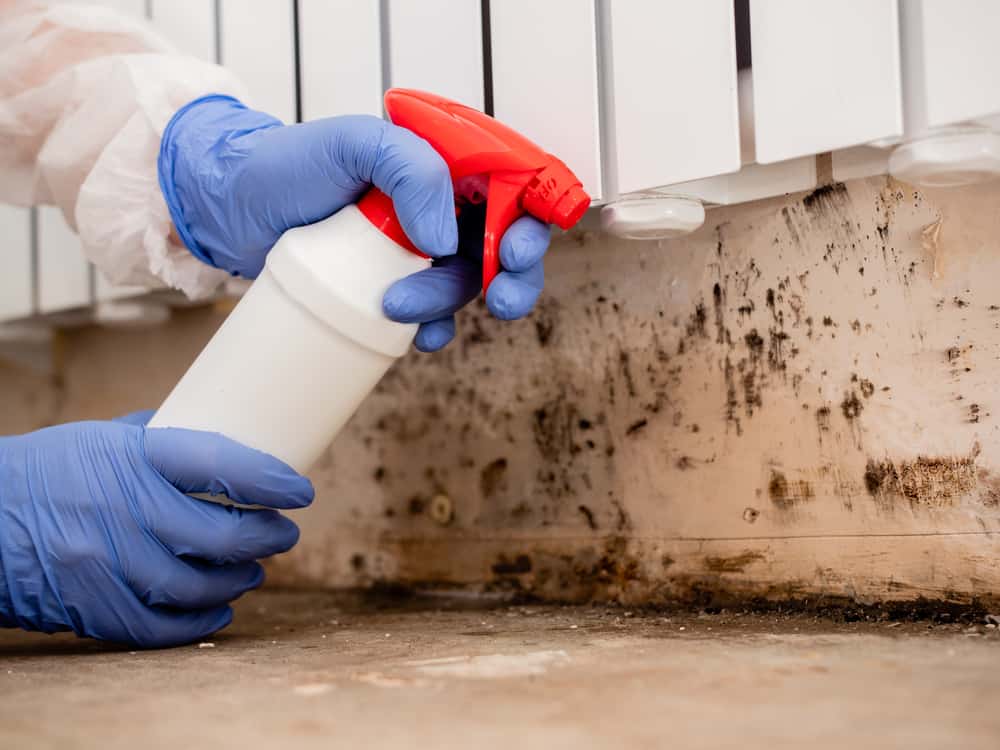
It matters quite a bit. Mold removal implies physically taking mold out scrubbing a surface, pulling out a piece of drywall, spraying a treatment. Mold remediation is a broader process that includes identifying the moisture source, containing the affected area to prevent spore spread, removing compromised materials, treating surfaces, running air filtration, and verifying through clearance testing that the space is clean. Remediation addresses the environment, not just the visible growth.
In a home with the age and construction complexity common in Locust Valley, the distinction is especially important. Mold that gets “removed” from a fieldstone basement wall without resolving the moisture coming through the foundation will return often within a season. Proper remediation means the source is controlled first, the affected materials are handled correctly, and the space is tested and documented before the job is considered complete. That’s the standard that holds up when you’re protecting a property worth well over a million dollars.
Does homeowners insurance cover mold remediation in Nassau County, NY?
It depends on how the mold originated. Homeowners insurance in Nassau County typically covers mold remediation when it results directly from a sudden and accidental covered event a burst pipe, an appliance leak, or storm-related water intrusion. What most policies exclude is mold that developed gradually over time from ongoing moisture issues, like a slow foundation seep or long-term condensation in a crawl space.
For Locust Valley homeowners, the distinction often comes down to documentation. If a nor’easter drives water through an old foundation and mold develops within days, that’s a scenario where a claim may be viable but only if the water intrusion event is documented and the remediation is handled by a licensed contractor with proper records. We help with that documentation process, producing the inspection reports, lab results, and remediation records that insurance carriers require to evaluate a claim. Getting the paperwork right from the start is what makes the difference between a covered claim and an out-of-pocket expense.
Can I stay in my house during mold remediation in Locust Valley?
In most cases, yes but it depends on the location and extent of the affected area. If the mold is contained to a basement, crawl space, or a single room that can be properly isolated with containment barriers and negative air pressure, the rest of the home typically remains livable during the remediation process. Air scrubbers and HEPA filtration run throughout the job to prevent cross-contamination to unaffected areas.
Where it gets more complicated is in larger, open-plan estate homes where a significant portion of the living space is involved, or when HVAC systems are implicated and the air handling needs to be shut down during remediation. In those cases, temporary relocation may be the more practical choice both for your comfort and to ensure the remediation environment is properly controlled. The inspection report will give you a clear picture of the scope before work begins, so you can make that decision with real information rather than guessing.
What should I look for when hiring a mold remediation company near Locust Valley, NY?
Start with licensing. Under New York State’s 2016 Mold Law Article 32 of the Labor Law mold remediation near Locust Valley must be performed by a company holding a valid New York State Mold Contractor License. This isn’t optional, and it’s verifiable. Any company that can’t confirm their license number upfront is a company to move past quickly.
Beyond licensing, look for individual IICRC certification not just a company-level credential, but technician-level certification for the people actually doing the work. Ask whether the company produces a written inspection report with lab results before remediation begins, and whether clearance testing is included after the job is complete. For a Locust Valley property, you also want a company experienced with older construction pre-war homes and historic estate structures require a different approach than post-war ranch homes, and a company that doesn’t understand that difference will either miss the problem or cause damage trying to fix it. Finally, be cautious of any company that both assesses and sells you remediation on the same visit New York State law prohibits this for good reason, and a company operating outside that framework is one that may not be operating inside others either.
Useful Links
Other Services we provide in Locust Valley