
Mold Remediation in Malverne Park Oaks, NY
When 500 Neighbors Know Your Name, Shortcuts Aren't an Option
Hear from Our Customers
Nassau County Mold Damage Repair
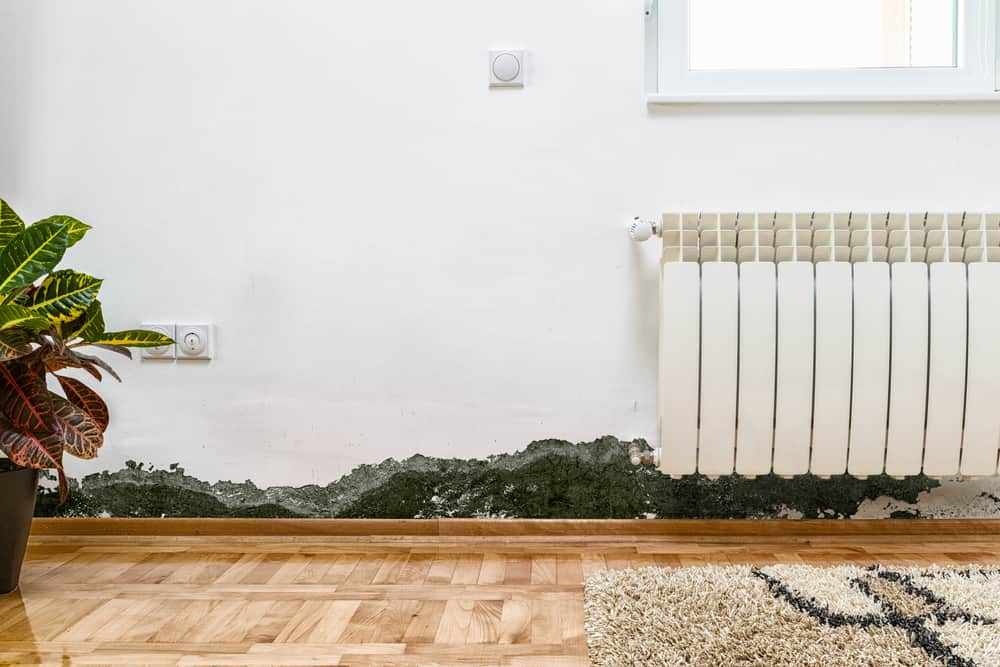
Mold doesn’t stay put. It moves through wall cavities, settles into insulation, and spreads through the air your family breathes every day. When it’s properly remediated not just wiped down, but fully addressed at the source you stop managing a problem and start living in your home again without that low-grade worry sitting in the back of your mind.
For Malverne Park Oaks homeowners, that matters more than most people realize. The post-war homes throughout this corridor many built in the 1940s through 1960s were constructed before modern moisture barriers existed. Aging plumbing, older roofing, and basements that have absorbed decades of south shore humidity don’t just create mold once. They create the conditions for it to return, unless the underlying moisture source is found and fixed. That’s the difference between a real remediation and a temporary fix.
And with median home values near $490,000 in a community where every resident is a homeowner, the financial stakes are real. Mold problems can reduce a home’s resale value by 20% or more and in Malverne Park Oaks, where real estate transactions travel by word of mouth, a known mold history follows a property. Getting it handled correctly the first time isn’t just about your health. It’s about protecting what you’ve built here.
Certified Mold Remediation Companies Nassau County
We’ve been working in Nassau County homes since before most of today’s competitors were in business. That’s not a marketing line it’s a track record that covers multiple storm cycles, housing market shifts, and the kind of institutional knowledge about local conditions that only comes from showing up, year after year, in communities like Malverne Park Oaks, Lynbrook, and the broader south shore corridor.
Every technician who arrives at your door is individually IICRC certified not just the company, every person on our team. That distinction matters when someone is working inside your walls. We also carry full reconstruction capability, meaning when the remediation is done, you don’t have to go find a separate contractor to put things back together. One call handles the whole job, from the first inspection to a fully restored home.
Professional Mold Remediation Process Malverne Park Oaks
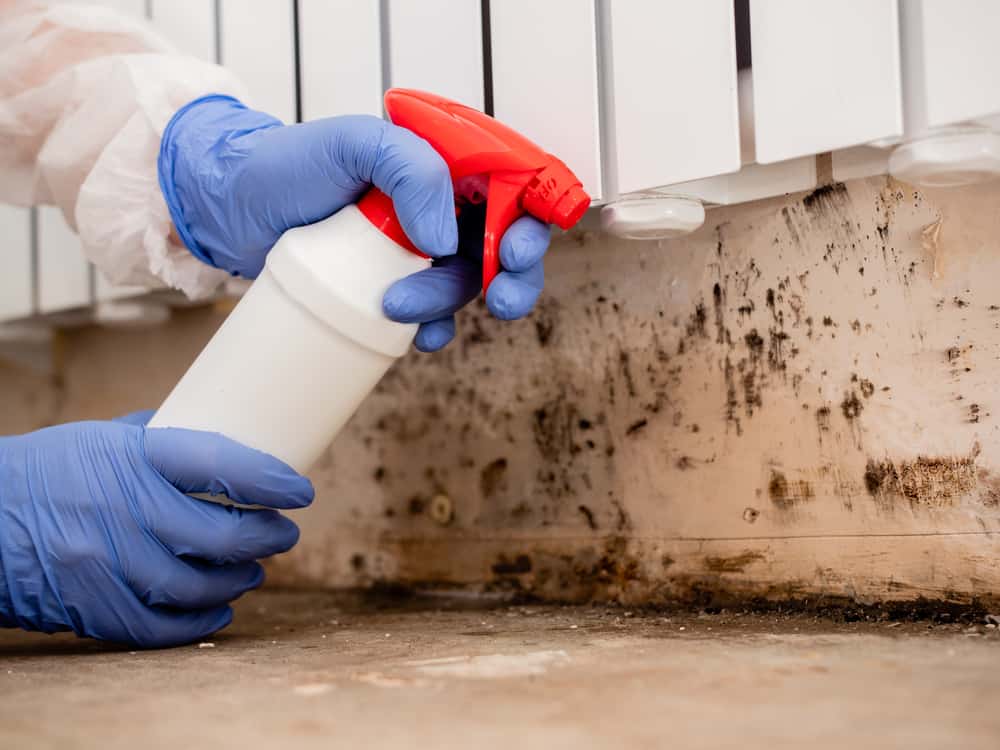
It starts with a thorough inspection not a flashlight walkthrough and a verbal opinion, but a documented 13-point assessment that includes air testing, swab sampling, infrared imaging to detect hidden moisture, and a written report with lab results delivered within 2 to 3 business days. In Malverne Park Oaks homes with finished basements and older construction, that level of detail matters because mold is frequently living somewhere you can’t see it yet.
Once the scope is confirmed, containment goes up before any remediation begins. That means physical barriers, negative air pressure, and HEPA filtration to keep spores from spreading to unaffected areas of your home while the work is underway. The moisture source the crack, the failing seal, the aging pipe gets addressed first, because treating mold without fixing what caused it is just setting a timer for the next outbreak.
It’s also worth knowing that under New York State’s 2016 mold law, the company that assesses your home cannot be the same company that performs the remediation. Most homeowners in Malverne Park Oaks have never heard of this law, but it exists specifically to protect you from inflated scopes and conflicts of interest. We operate in full compliance, and we’ll walk you through what that means for your specific situation before anything starts.
Ready to get started?
Basement and Crawl Space Mold Remediation Nassau County
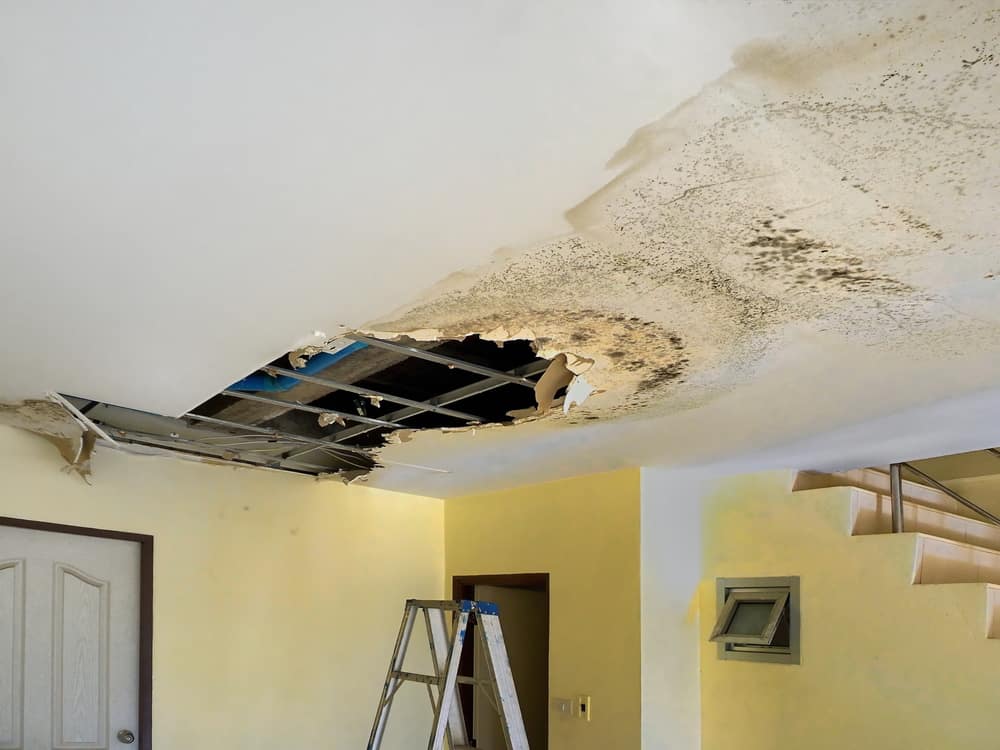
The mold issues we see most often in Malverne Park Oaks aren’t random they’re predictable given the housing stock. Basement mold is the most common call, driven by aging waterproofing systems, Nassau County’s notoriously high water table on the south shore, and the Atlantic coast humidity that regularly climbs past 60% through the summer months. Crawl space mold follows closely, particularly in homes where vapor barriers have degraded or were never installed to modern standards. Attic mold rounds out the picture, typically tied to ventilation failures in older rooflines that trap moisture against the sheathing.
Each of these environments gets treated differently, and each requires the right equipment on-site from the moment our truck arrives. We dispatch fully loaded vehicles air movers, dehumidifiers, moisture monitors, and full remediation equipment so the job starts when we walk through your door, not after a second trip to gather supplies. For Malverne Park Oaks homeowners navigating a Town of Hempstead permit process rather than a village building department, we’re familiar with how that works and can help you understand what documentation your specific project may require.
If your situation involves storm-related water intrusion a sump pump failure during a nor’easter, flooding from a heavy rain event we offer emergency mold remediation response 24 hours a day, seven days a week. The 48-hour window before mold growth begins isn’t a theory in Nassau County’s summer climate. It’s the actual timeline you’re working against, and we’re built to meet it.
What does mold remediation actually cost for homes in Malverne Park Oaks?
The honest answer is that cost depends heavily on what’s found during the inspection the size of the affected area, how many surfaces are involved, and whether structural materials need to be removed and replaced. For a standard remediation job in Nassau County, most homeowners are looking at somewhere between $1,500 and $6,000, with the national average sitting around $2,300. Larger jobs involving significant structural work or full basement remediation can run higher.
What’s worth understanding for Malverne Park Oaks specifically is that the older housing stock in this area homes built in the 1940s through 1960s often means the mold has had more time and more pathways to spread before it’s discovered. A job that looks contained at first glance sometimes reveals additional affected areas once walls are opened. That’s the reality of working in homes of this vintage, and it’s why a thorough inspection with documented lab results matters before any scope of work is finalized.
The other piece of the cost conversation is insurance. Homeowners insurance in New York typically covers mold remediation when it results from a sudden, accidental event a burst pipe, storm flooding, a sump pump failure but generally won’t cover mold that developed from a slow, long-term leak. Knowing how to document your claim and what language to use with your adjuster can make a real difference in what gets covered. We’ve spent nearly 30 years working with Nassau County homeowners through that process and can help you navigate it.
What is the difference between mold remediation and mold removal?
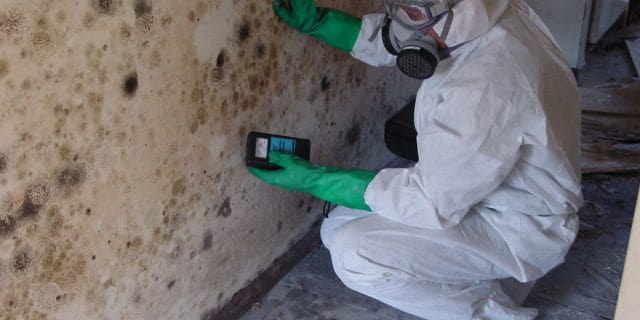
Mold removal implies you can simply take the mold out and be done with it and that’s not really how mold works. Mold spores are always present in the air to some degree. The goal of remediation isn’t to achieve a zero-spore environment, which isn’t possible, but to bring indoor mold levels back down to what’s normal for the outdoor environment and eliminate the active colony that’s growing in your home. That involves containment, HEPA filtration, treatment of affected materials, and verification testing after the work is complete.
The reason this distinction matters practically is that surface-level “removal” scrubbing visible mold with a cleaning product doesn’t address what’s living inside drywall, insulation, or wood framing. In the post-war homes common throughout Malverne Park Oaks and the surrounding Lynbrook and Malverne corridor, mold that appears as a small visible patch on a wall is frequently a sign of a much larger colony behind it. Professional mold remediation follows the IICRC S520 standard, which requires independent pre- and post-testing, proper containment, and full documentation not just a surface wipe-down.
Can mold in my Malverne Park Oaks basement come back after remediation?
It can but only if the moisture source that caused it wasn’t addressed. Mold needs moisture to grow. If the foundation crack, failing sump pump, aging pipe, or degraded waterproofing system that allowed water in is still there after remediation, the mold will return. This is the most common reason homeowners end up calling a second company after the first one “already handled it.”
The south shore of Nassau County presents specific challenges here. The area’s high water table, Atlantic coast humidity that regularly exceeds 60% in summer, and the age of the residential infrastructure in Malverne Park Oaks mean that basement moisture is often a chronic condition, not a one-time event. A proper remediation process identifies the moisture source first, addresses it as part of the scope, and verifies through post-remediation testing that the environment has returned to normal levels. If the company you’re talking to doesn’t mention the moisture source as part of their plan, that’s a gap worth asking about.
How long does mold remediation take, and can I stay in my home during the process?
Timeline depends on the size and severity of the job. A contained remediation in a single room or small basement area might be completed in one to three days. A larger job involving multiple areas, structural material removal, or significant reconstruction can run one to two weeks. You’ll have a clearer picture of the timeline once the inspection is complete and the scope is documented.
Whether you can stay in your home during remediation depends on where the mold is located and how extensive the containment setup needs to be. In most cases where the affected area is isolated a basement, a crawl space, a single room the rest of the home remains livable. When mold is more widespread or involves the HVAC system, temporary relocation may be recommended to avoid exposure to disturbed spores during the remediation process. We’ll give you a straight answer on this before work begins, not after you’ve already committed to a scope.
Does black mold in my home require a different remediation process?
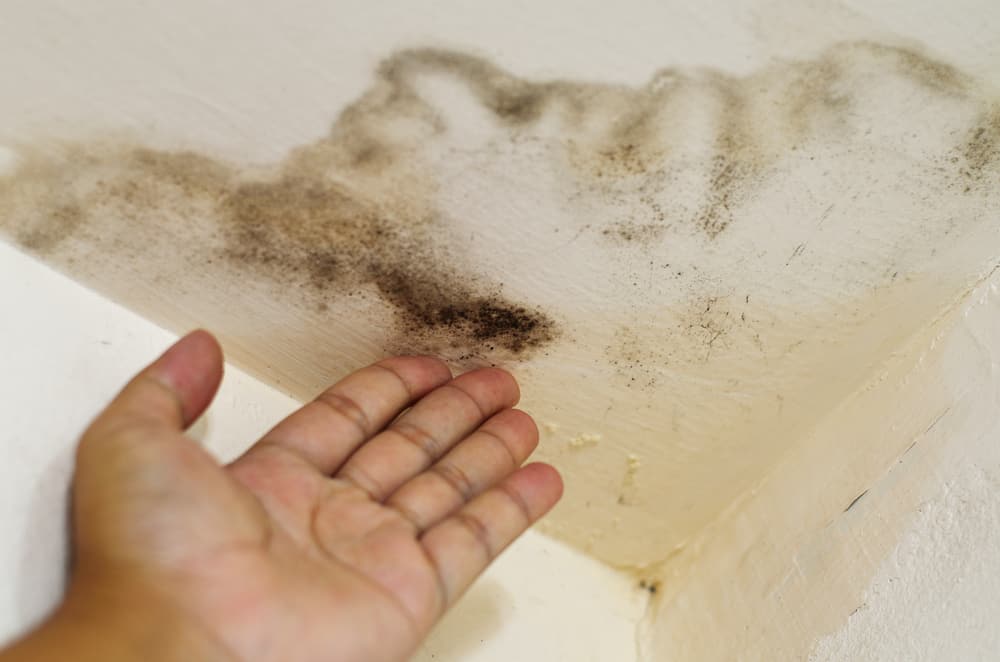
The term “black mold” gets used a lot, and it’s worth clarifying what it actually means. Stachybotrys chartarum the species most people are referring to when they say black mold is one of hundreds of mold species that can grow in homes. It does require moisture to thrive and is associated with health concerns, but it’s not the only mold that warrants professional remediation. Many mold species that are equally problematic are not black in color.
The remediation process for any confirmed mold colony follows the same core protocol: containment, HEPA filtration, removal of affected materials, treatment, and post-remediation verification testing. What changes with Stachybotrys specifically is that it tends to grow deeper into porous materials like drywall and wood, meaning more material removal is typically required. In the older homes found throughout Malverne Park Oaks where building materials have had decades to absorb moisture this is worth factoring into the scope conversation. Lab testing during the inspection phase confirms exactly what species you’re dealing with, which removes the guesswork and gives you an accurate picture of what the job actually involves.
How does New York State's mold law affect the remediation process in Malverne Park Oaks?
New York State passed a mold law in 2016 that most homeowners have never heard of and it was put in place specifically to protect people like you. The law prohibits the same company from performing both the mold assessment and the mold remediation on the same property. The reason that rule exists is documented consumer fraud: companies that do both have a financial incentive to exaggerate what they find during the inspection to generate a larger remediation job.
What this means practically for Malverne Park Oaks homeowners is that your assessment needs to come from an independent source, and your remediation company cannot be the one writing the inspection report. We operate in full compliance with this law. When you call us, we’ll walk you through how the process works under New York State regulations who does the assessment, what the report covers, and how remediation proceeds from there. It also means that the post-remediation clearance testing, which confirms the job is complete, should be conducted independently as well. Understanding this upfront saves you from being caught off guard mid-project, and it’s the kind of transparency that separates a company with 30 years of Nassau County experience from one that’s just generating pages for zip codes they’ve never worked in.
Useful Links
Other Services we provide in Malverne Park Oaks