
Mold Remediation in Mount Sinai, NY
When Harbor Humidity Follows You Indoors, It's Time to Act
Hear from Our Customers
Certified Mold Remediation, Suffolk County NY
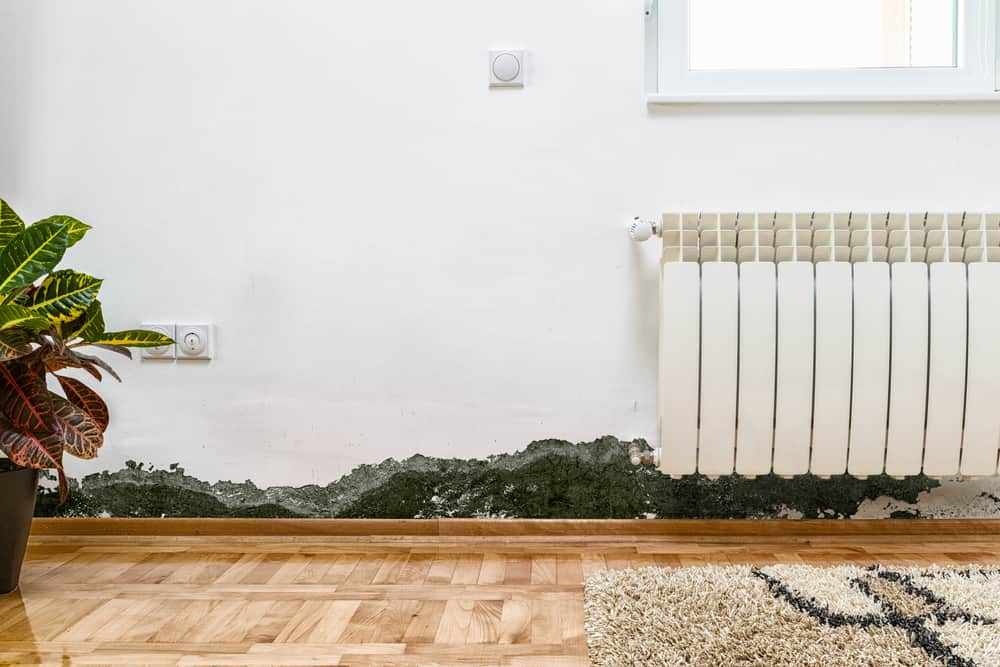
Most mold problems in Mount Sinai don’t start with a flood. They start quietly in a crawl space under an older home on Pipe Stave Hollow Road, in an attic that hasn’t been properly ventilated since the 1970s, or behind a basement wall that’s been absorbing groundwater every spring for years. By the time you notice something, the problem has usually been building for months.
When mold remediation is done correctly meaning the moisture source is identified and corrected, not just the visible mold removed the air in your home actually changes. Musty odors disappear. Allergy symptoms that seemed seasonal stop cycling back every few months. The respiratory issues your kids have been dealing with start to ease. That’s not coincidental. The WHO has found that resolving mold environments reduces asthma-related symptoms by 25 to 45 percent.
For homeowners in Mount Sinai, where median home values sit above $640,000, there’s a financial reality to this too. Mold found during a buyer’s home inspection can kill a sale or force a significant price cut. Professional remediation with documented clearance protects what you’ve built here and gives you something verifiable to stand behind if you ever sell.
Professional Mold Remediation Company, Mount Sinai NY
We’ve been serving Long Island homeowners for approximately 31 years. Our owner, Richard Peterson, holds personal New York State licenses in both mold assessment and mold remediation issued under Article 32 of the NYS Labor Law, verifiable through the state’s Department of Labor. That’s not a company-level registration. It’s his name on the license, which means he’s personally accountable for every job.
Every technician on our team holds IICRC certification, trained and tested against the S520 Standard for Professional Mold Remediation. When someone walks into your Mount Sinai home near Cedar Beach or off Crystal Brook Hollow Road, they know exactly what they’re doing and why each step matters.
We also run an integrated cleaning division, which means the remediation and the post-remediation cleanup happen under one roof, one team, one point of contact. No handoffs. No gaps. Just a complete job from start to finish.

Mold Remediation Process, Mount Sinai NY
It starts with moisture mapping. Before anything is removed or treated, the source of the moisture driving the mold growth has to be identified. In Mount Sinai, that could be seasonal groundwater rising through a crawl space foundation, inadequate attic ventilation trapping summer humidity from the harbor, or a slow plumbing leak that’s been feeding a wall cavity for months. Finding the source is what separates a permanent fix from a temporary one.
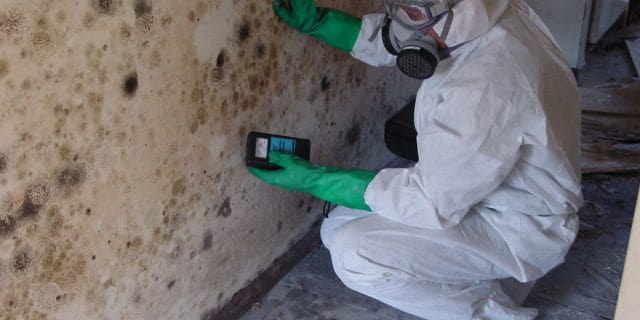
Once the source is confirmed, the affected area is contained to prevent spores from spreading to unaffected parts of your home. Contaminated materials drywall, insulation, wood framing where necessary are removed using HEPA-filtered equipment and disposed of according to New York State Article 32 requirements. Antimicrobial treatment is applied to all affected surfaces, and structural drying brings moisture levels down to safe thresholds before anything is closed back up.
The final step is post-remediation verification. Independent air quality testing confirms that spore counts have returned to normal, and you receive a written clearance report. If you’re preparing to sell your home or navigating an insurance claim, that documentation is exactly what you’ll need. We also assist with insurance documentation throughout the process organizing the moisture readings, photographs, and scope of work your insurer will require.
Ready to get started?
Basement and Attic Mold Remediation, Mount Sinai NY
Basement mold remediation in Mount Sinai, NY is one of the most common calls we receive and for good reason. The hollow road terrain concentrates groundwater, and homes in lower-lying areas of the hamlet see seasonal water table rises that push moisture through foundation walls and floor slabs. If your basement has that familiar damp smell every spring, it’s not just the season. It’s a structural moisture problem that mold is already feeding on.
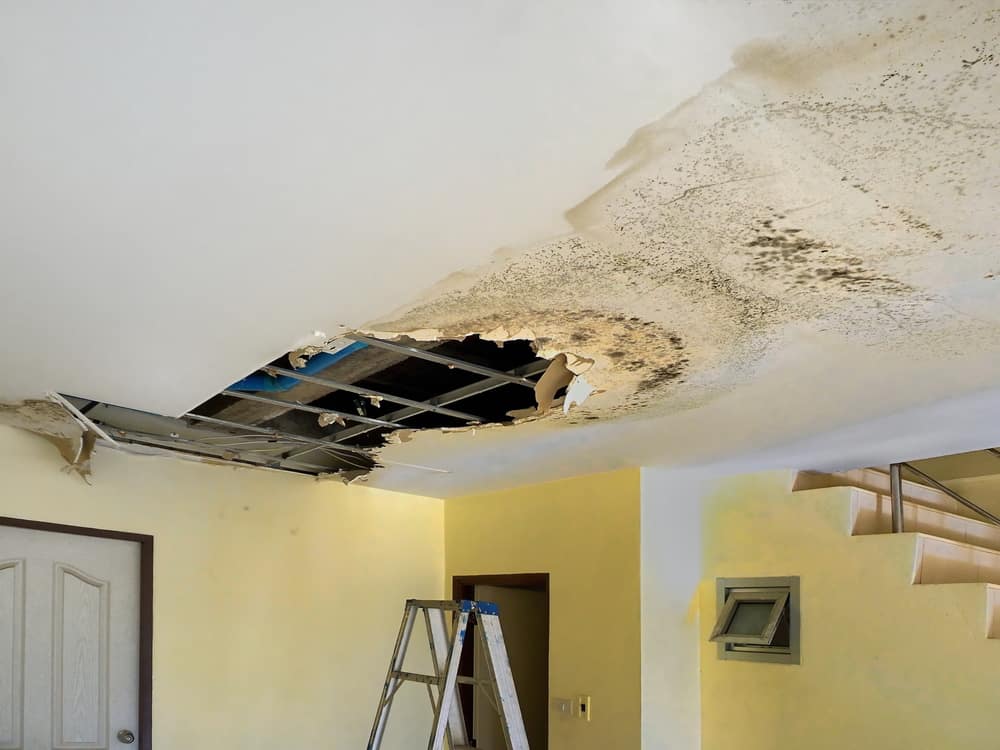
Attic mold remediation is the other frequent issue on the North Shore. Mid-century homes throughout Mount Sinai were built without the ridge and soffit ventilation standards required today. During summer months, when harbor and Sound humidity is at its peak, those attics trap warm, moist air against the roof sheathing and mold follows. This is one of the most common findings during pre-sale home inspections in the hamlet, and it catches homeowners off guard because it’s completely out of sight.
We also handle crawl space mold remediation, black mold remediation, emergency mold remediation after storm events, and the full mold damage repair cycle when structural materials need replacement. All work is performed in compliance with New York State Article 32. If you’re dealing with mold following a nor’easter or a sudden water intrusion, the 24-to-48-hour window before active mold growth begins is real and our 24/7 availability is operational, not just a line on a website.
How much does mold remediation cost in Mount Sinai, NY?
The honest answer is that cost depends heavily on where the mold is, how far it’s spread, and what materials are involved. For most residential projects, professional mold remediation runs between $1,200 and $3,800. Attic remediation in Mount Sinai which often involves removing and replacing contaminated roof sheathing, insulation, and applying antimicrobial treatment throughout can run $1,500 to $9,000 depending on the size of the attic and how long the problem has been developing. Crawl space remediation typically falls between $500 and $6,000.
What drives cost up in Mount Sinai specifically is the age of the housing stock. Older homes along the hollow roads and in the historic residential areas often have more extensive contamination because the moisture conditions have been present for years without being addressed. A written estimate after a proper assessment will give you a real number not a range designed to get you in the door. We provide clear, itemized estimates so you know exactly what you’re paying for before any work begins.
What is the difference between mold remediation and mold removal?
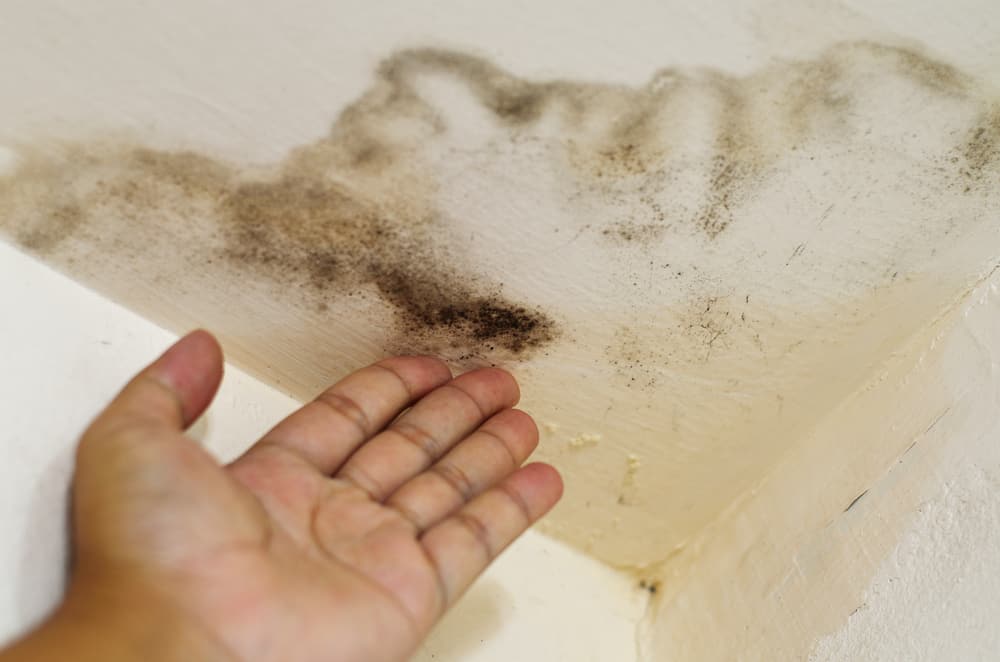
Mold removal typically refers to cleaning visible mold off a surface wiping it down, spraying it with a product, and calling it done. That approach treats what you can see, not what caused it to grow. Mold remediation is a comprehensive process: identify the moisture source, contain the affected area, remove contaminated materials safely, treat all surfaces with antimicrobial agents, dry the structure to proper moisture levels, and verify the results with independent air quality testing.
In a community like Mount Sinai where homes sit near Mount Sinai Harbor, where crawl spaces in older properties are often unencapsulated, and where groundwater rises seasonally through hollow terrain surface-only mold removal almost guarantees the problem comes back. The moisture that fed the mold the first time is still there. Remediation addresses the root cause, which is why clearance testing at the end of the process matters. It’s the only way to confirm the job was actually finished, not just started.
Does New York State require mold remediation companies to be licensed?
Yes, and it’s worth understanding before you hire anyone. New York State Article 32 of the Labor Law has required all mold assessors, remediation contractors, and abatement workers to hold valid state-issued licenses since January 1, 2016. It’s illegal to perform mold remediation in Mount Sinai or anywhere in New York without one. You can verify any contractor’s license through the NYS Department of Labor’s online lookup tool.
There’s also an important consumer protection built into Article 32 that most homeowners don’t know about: the same company cannot legally perform both the mold assessment and the mold remediation on the same project. That separation exists to prevent conflicts of interest so the person diagnosing your problem isn’t also the person profiting from the scope of the solution. We operate as a licensed remediation contractor and work alongside independent assessors, keeping that separation intact. When you’re getting quotes in the Mount Sinai area, ask every company for their Article 32 license number. If they can’t provide one, that’s your answer.
Is attic mold common in Mount Sinai homes, and what causes it?
It’s one of the most common mold findings in Mount Sinai, and most homeowners don’t discover it until a home inspector flags it during a sale. The cause is almost always the same: inadequate attic ventilation combined with elevated ambient humidity. Homes built in the 1950s, 60s, and 70s which make up a significant portion of Mount Sinai’s housing stock, particularly along the hollow road neighborhoods were constructed before modern ridge and soffit ventilation requirements existed.
During summer months, when Long Island Sound and Mount Sinai Harbor push ambient humidity levels higher than inland communities experience, those poorly ventilated attics trap warm, moist air against the roof sheathing. Over time, condensation forms, and mold colonizes the wood. It happens slowly and silently, which is why it’s often advanced by the time it’s found. Attic mold remediation typically involves HEPA vacuuming, antimicrobial treatment of all affected sheathing and framing, and in more severe cases, replacement of contaminated materials. Addressing the ventilation deficiency is part of the solution without it, the conditions that created the mold will simply create it again.
Can I stay in my house during mold remediation?
In most cases, yes but it depends on the location and severity of the contamination. If the mold is confined to a crawl space, attic, or a single room, proper containment barriers allow the rest of the home to remain occupied safely during the remediation process. HEPA filtration equipment runs continuously inside the containment zone to maintain negative air pressure, which prevents spores from migrating to unaffected areas of the home.
Where temporary relocation becomes advisable is in situations involving extensive contamination across multiple areas, or when black mold Stachybotrys is present in living spaces. Stachybotrys thrives in the consistently wet conditions found in basement and crawl space environments, which are common in Mount Sinai’s lower-lying hollow road neighborhoods. If there’s any question about whether your family should remain in the home during the process, a licensed assessor can evaluate the contamination level and give you a clear recommendation based on the actual scope.
How do I know if mold remediation was done correctly in my Mount Sinai home?
The only way to know for certain is post-remediation verification independent air quality testing conducted after the remediation is complete. A clearance test measures mold spore counts in the treated area and compares them against baseline outdoor levels. If the counts are within acceptable range, you receive a written clearance report confirming the job was completed successfully. If they’re not, we go back in. That’s what accountability looks like in this process.
This matters especially in Mount Sinai, where moisture conditions don’t disappear after remediation the harbor is still there, the hollow terrain still concentrates groundwater, and the older homes still face the same ventilation challenges they always have. Post-remediation verification gives you documented proof that the mold was eliminated, not just disturbed. It’s also what real estate attorneys, buyers’ lenders, and insurance adjusters will ask for if you’re selling or filing a claim. We include this step as a standard part of every project not as an add-on you have to request.
Useful Links
Other Services we provide in Mount Sinai