
Mold Remediation in Napeague, NY
When a Vacant Beach House Becomes a Mold Problem
Hear from Our Customers
Mold Damage Repair, East End NY
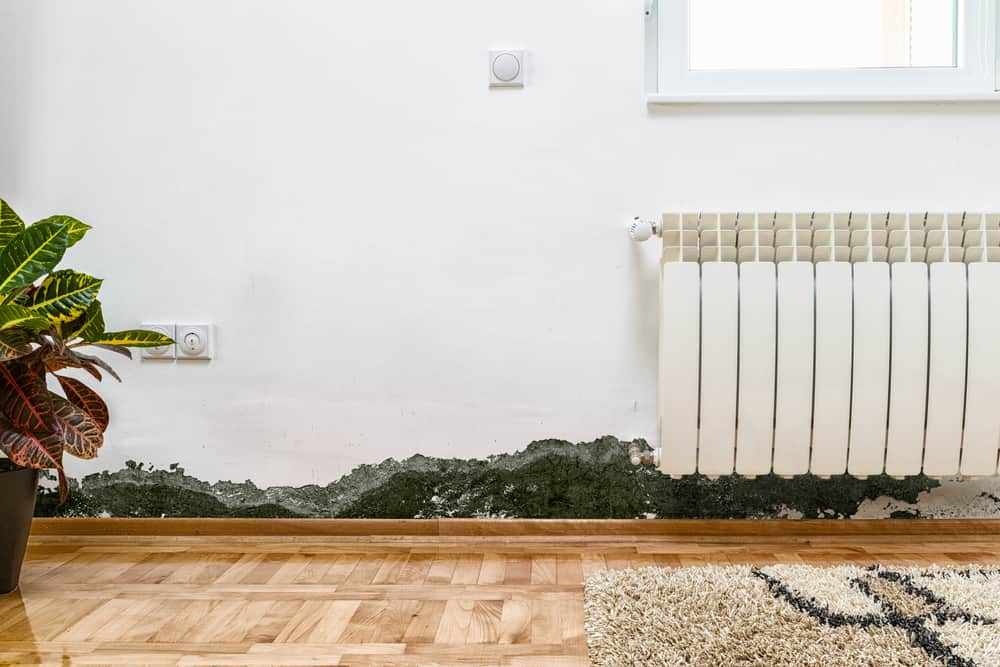
Most Napeague homeowners don’t find mold when it starts. They find it in May, when they open the house for the first time since fall, and what started as a damp crawl space after a nor’easter has had five months to spread. By that point, it’s not just a smell it’s in the walls, the HVAC, sometimes the framing. The difference between catching it early and catching it late is the difference between a manageable remediation and a project that eats into your entire rental season.
When mold remediation is done right, the property doesn’t just look better it performs better. Air quality improves, musty odors disappear, and the underlying moisture problem that caused the growth in the first place is actually corrected. For properties on the water in Napeague, that last part matters most. Napeague sits between the Atlantic and Gardiners Bay with no buffer. Salt air, coastal humidity, and seasonal flooding are permanent conditions here, not occasional ones. If the moisture source isn’t addressed, the mold comes back and you’re having this same conversation again next spring.
For vacation rental owners managing properties along Napeague Harbor Road or near the Ocean Colony area, the stakes are even more direct. A mold issue discovered mid-season means tenant complaints, lost bookings, and potential liability. A clean clearance report after professional remediation means you can rent with confidence, document the work for insurance, and protect an asset that generates real income every summer.
Certified Mold Remediation Company, Napeague NY
First Response Restoration and Cleaning Inc. has been working on Long Island for over three decades. That’s not a marketing number it means we’ve been inside coastal properties from Lazy Point to Montauk, dealt with every variation of post-storm moisture damage the East End throws at a building, and seen what happens to crawl spaces and attics in homes that sit vacant through a Long Island winter.
Our owner, Richard Peterson, holds personal New York State licenses in both mold assessment and mold remediation not a company-level credential, but his individual license, issued under Article 32 of the NYS Labor Law and verifiable through the state. Every technician on our team carries individual IICRC certification. That means whoever shows up at your Napeague property has been formally trained and tested, not just handed a company shirt.
We also operate a full cleaning division, which means remediation doesn’t stop at the structural work. When the job is done, your property is genuinely ready not just treated.
Professional Mold Remediation Process, Suffolk County
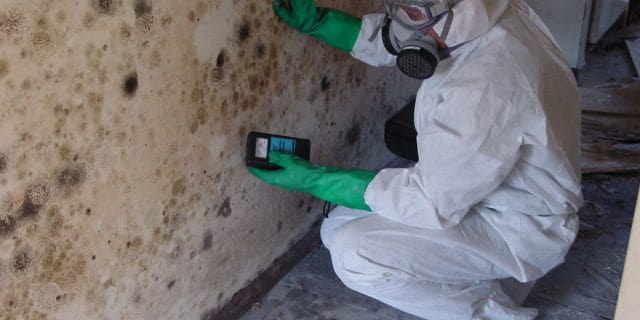
The first step is assessment, and it’s more than a visual check. Moisture mapping and thermal imaging identify where water is entering the structure and where mold is growing beyond what’s visible. In Napeague’s older housing stock most of it built around 1985, with unencapsulated crawl spaces and aging moisture barriers the source is often below grade or inside wall cavities where you’d never think to look. That’s where the problem is, and that’s where the work has to start.
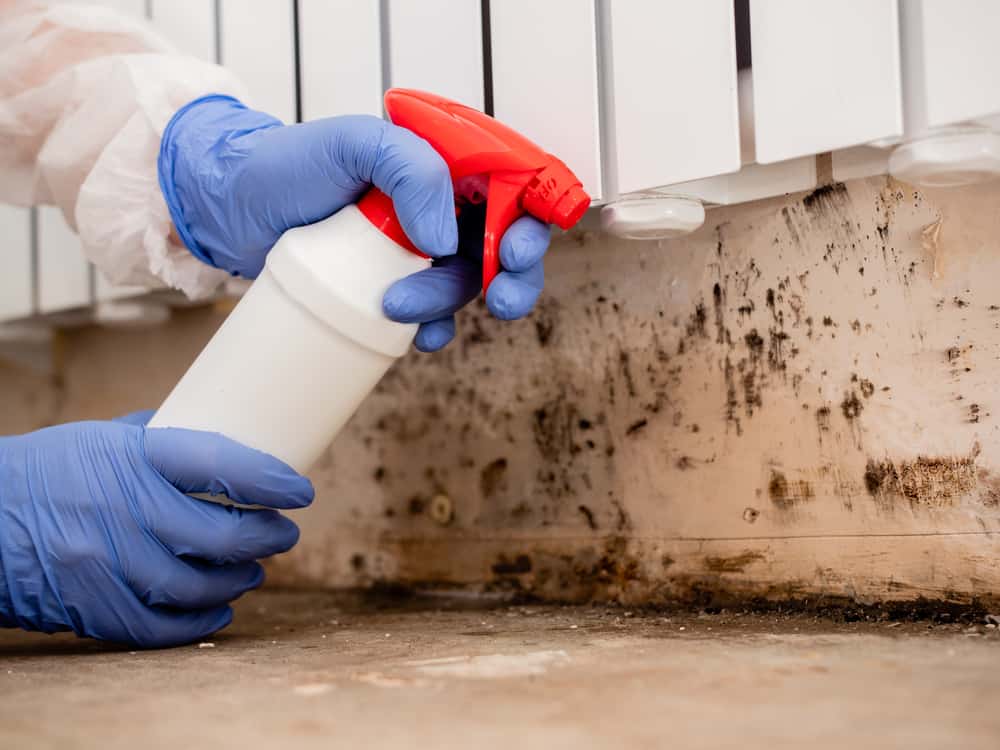
Once the scope is clear, we set up containment before any remediation begins. This keeps spores from spreading to unaffected areas of your property during the removal process. Affected materials are removed, surfaces are treated using EPA-registered antimicrobials, and the moisture source is corrected not worked around. If the remediation involves structural material removal or replacement, we pull any required permits through the East Hampton Town Building Department before work proceeds.
After remediation is complete, independent air quality testing confirms that mold spore counts have returned to normal levels. You receive a written clearance report documentation you can use for an insurance claim, a real estate transaction, or simply the confidence of knowing your property is safe. For property managers handling multiple homes along Napeague Harbor Road or in the Ocean Colony area, that paper trail matters every season.
Ready to get started?
Black Mold and Crawl Space Remediation, Napeague NY
Mold remediation in Napeague isn’t a one-size situation. The specific problems here crawl space mold from tidal flooding, attic mold from coastal humidity condensing against cooled surfaces, HVAC contamination in homes that cycle between heavy summer use and months of vacancy each require a different approach. We handle all of it under one roof, which means you’re not coordinating between a remediator, a cleaner, and a separate contractor for the moisture fix.
Crawl space mold remediation is one of our most common calls from this area. Properties near the water, particularly in the Lazy Point neighborhood, deal with ground moisture and periodic flooding that can saturate an unencapsulated crawl space for weeks before anyone notices. Attic mold is another frequent issue in Napeague beach houses, where the contrast between air-conditioned interiors and warm, humid coastal air creates condensation on attic surfaces throughout the summer. Black mold remediation after flooding the kind that follows a nor’easter or a tropical storm making its way up the coast is handled as emergency mold remediation, with same-day response available around the clock.
All work is performed in full compliance with New York State Article 32 licensing requirements. We also assist with insurance documentation, which is especially useful when you’re managing a high-value East End property from outside the area and need someone to handle the claim process on the ground.
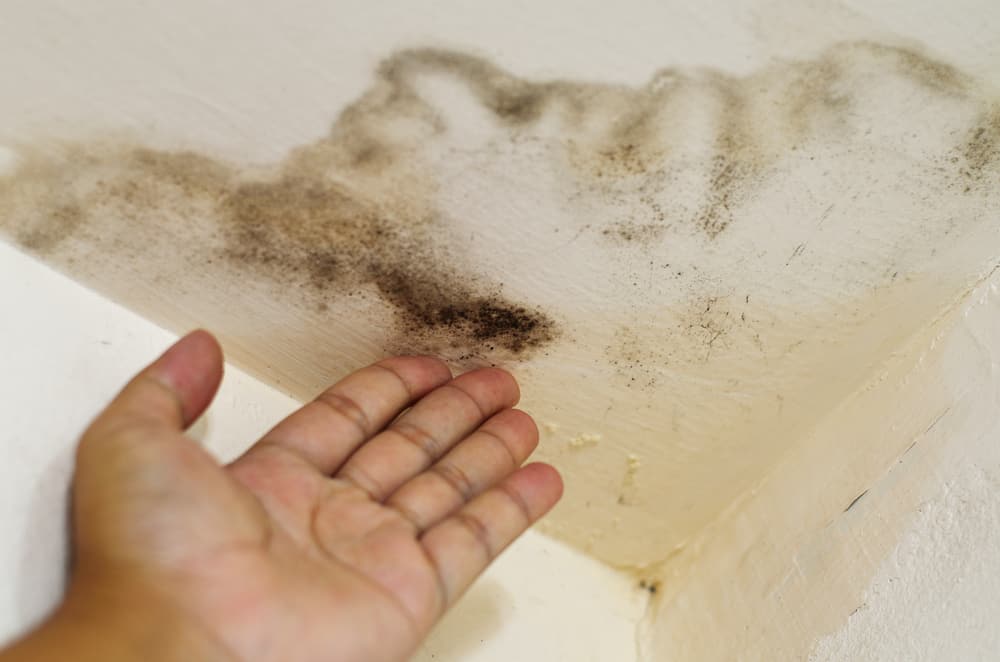
Can mold really grow that fast in a vacant Napeague beach house?
Yes and in a coastal environment like Napeague, it can grow faster than most people expect. Mold needs three things: moisture, a surface, and time. Napeague properties surrounded by open water on both sides have ambient humidity that rarely drops to a level where mold growth slows down on its own. When a house is closed up from October through May with minimal heat and no dehumidification running, any moisture intrusion a small roof leak after a nor’easter, a crawl space that takes on water during a coastal flood, a window seal that failed creates conditions where mold can establish and spread within 24 to 48 hours.
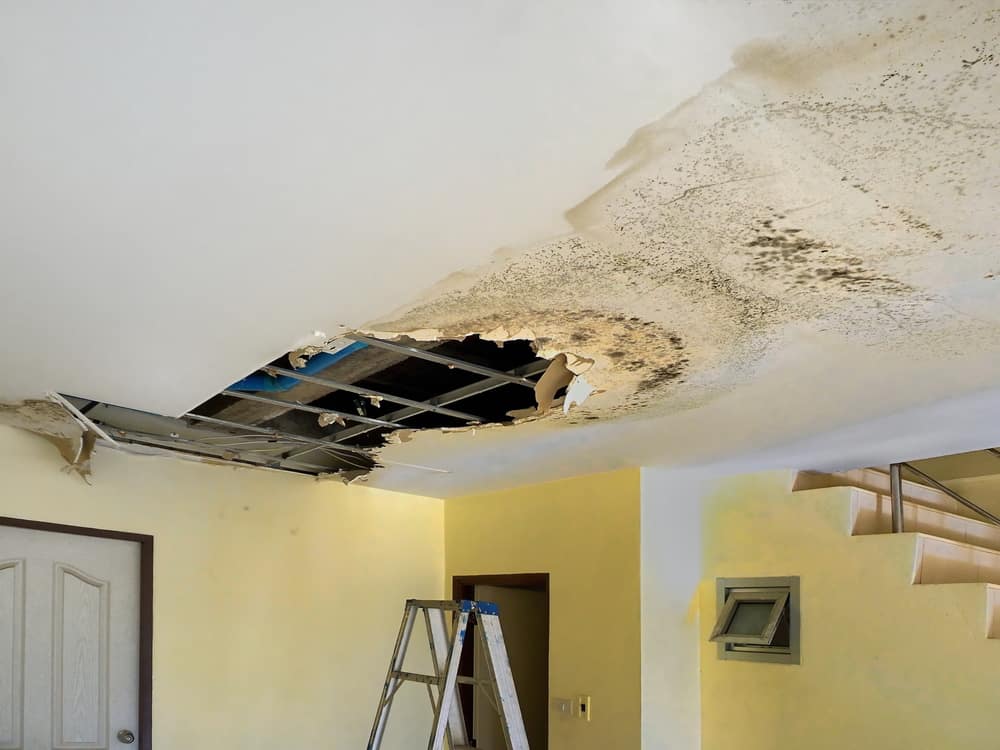
By the time a seasonal owner opens the property in late May or early June, what started as a localized problem can be widespread. Crawl spaces, wall cavities, HVAC ductwork, and attic sheathing are all common areas where mold grows silently through the winter. The best protection is a pre-season inspection before you assume the property is ready for guests or family.
How much does mold remediation typically cost for a property in this area?
For a standard residential mold remediation, most projects fall somewhere between $1,500 and $6,000 depending on the scope, the affected areas, and how far the growth has spread. Smaller, contained situations a bathroom, a section of crawl space tend to land on the lower end. Larger projects involving multiple areas, structural material removal, or HVAC contamination will cost more.
In Napeague specifically, crawl space and attic remediations are among the most common scenarios, and those can vary significantly based on the size of the space and the extent of the moisture intrusion. For high-value vacation rental properties generating $65,000 to $180,000 per season, the cost of remediation is almost always a fraction of what a lost rental season or a deferred problem would cost. Getting a written assessment before committing to any scope of work is always the right move it tells you exactly what you’re dealing with and what it will take to fix it.
What's the difference between mold remediation and mold removal?
Mold removal implies you’re simply taking mold away from a surface, which isn’t really how mold works. Mold spores exist naturally in the air and on surfaces the goal isn’t to eliminate every spore, which isn’t possible, but to bring levels back to a normal, non-harmful range and eliminate the conditions that allowed growth to occur in the first place. That’s what mold remediation means: a structured process of containment, removal of contaminated materials, treatment of affected surfaces, moisture source correction, and post-remediation verification.
The distinction matters practically because a company that only “removes” visible mold without identifying the moisture source is setting you up for recurrence. In a coastal environment like Napeague where ground moisture, salt air, and periodic flooding are ongoing realities skipping the moisture correction step almost guarantees the mold comes back. Remediation done correctly addresses what caused the growth, not just what you can see.
Does homeowner's insurance cover mold remediation in Napeague, NY?
It depends on the cause of the mold and how your policy is written. Most standard homeowner’s insurance policies will cover mold remediation when it results directly from a covered event a burst pipe, storm damage, or sudden water intrusion. What they typically don’t cover is mold that developed from long-term neglect, deferred maintenance, or gradual moisture buildup that wasn’t addressed.
For Napeague properties, the seasonal vacancy factor complicates this. If a property was closed for the winter and mold developed from a slow leak that went undetected for months, some insurers may argue the damage was preventable. This is why documentation matters so much having a professional assessment that clearly identifies the cause and timeline of the damage can be the difference between an approved claim and a denied one. We assist with insurance documentation as part of the remediation process, which is particularly useful for out-of-area property owners managing claims remotely.
How do I know if my Napeague crawl space has a mold problem?
The most obvious sign is a musty smell that you notice when you enter the property or open certain rooms particularly on the ground floor or near HVAC vents. But crawl space mold often has no smell you’d notice at the living level, especially in a property that’s been closed up. Other indicators include visible discoloration on floor joists or insulation when you look into the crawl space, higher-than-normal allergy symptoms among occupants during stays, or a history of crawl space flooding after heavy rain or coastal storms.
In Napeague, crawl spaces are particularly vulnerable because of the low-lying geography and the proximity to tidal water. Properties near Napeague Harbor or in the Lazy Point area sit close to sea level, and even moderate storm surge or heavy rain can push water into an unencapsulated crawl space. If your property has experienced any flooding in the past two to three years and you haven’t had the crawl space professionally inspected, that’s a reasonable starting point for getting ahead of a potential problem.
Is emergency mold remediation available after a storm hits Napeague?
Yes we operate 24 hours a day, seven days a week, including after major storm events. Napeague’s position on a narrow strip of land between the Atlantic and Gardiners Bay makes it one of the most storm-exposed communities on Long Island. Nor’easters and tropical storms regularly push water into properties here, and the 24 to 48 hour window before mold begins growing is not a guideline it’s a real deadline.
When a storm causes flooding or significant moisture intrusion, the priority is getting water extraction and drying equipment into the property as fast as possible. The faster the structure dries, the less likely mold is to establish. If mold has already begun growing by the time remediation begins, containment and treatment follow immediately. For property managers overseeing multiple homes along Napeague Harbor Road or near the Ocean Colony area, having a single company to call for both emergency response and full remediation available at any hour removes a significant logistical burden when conditions are already stressful.
Useful Links
Other Services we provide in Napeague