
Mold Remediation in Oak Beach, NY
When Your Beach House Has Been Closed All Winter, This Is What Waits Inside
Hear from Our Customers
Professional Mold Remediation Oak Beach NY
You open the door in April expecting the smell of salt air. Instead, there’s something musty something that tells you the winter wasn’t kind to your home. That moment is exactly what Oak Beach homeowners describe when they call us. The difference between handling it right and handling it fast isn’t just cosmetic. It determines whether you’re back on the beach by Memorial Day or still coordinating contractors in July.
Oak Beach sits between the Atlantic and the Great South Bay, which means your home is dealing with moisture from both sides, all year. Salt air accelerates the breakdown of building materials. Ambient humidity on the barrier island routinely pushes past 60% during warmer months the point where mold spores stop being dormant and start spreading. When a home is closed and unventilated through a Long Island winter, that moisture has nowhere to go. It settles into walls, subfloors, and framing, and by the time you smell it, it’s been there for weeks.
After a proper remediation one that finds the moisture source, eliminates the mold, and verifies the result with air quality testing your Oak Beach property is safe, documented, and genuinely clean. Not surface-treated. Not visually cleared and called done. Actually cleared, with a written report that holds up for insurance claims, real estate transactions, or your own peace of mind.
Certified Mold Remediation Company Oak Beach NY
First Response Restoration and Cleaning Inc. has been working on Long Island for approximately 31 years. That’s not a corporate timeline it’s the owner’s timeline. Richard Peterson holds personal New York State licenses in both mold assessment and mold remediation, which means his name and credentials are attached to every job we take on. Under Article 32 of the NYS Labor Law, those licenses aren’t optional. Anyone performing mold remediation in New York without them is operating illegally and any insurance claim tied to that work is at risk.
Our team is IICRC-certified, trained to the S520 Standard for Professional Mold Remediation. That’s an individual credential, not a company-wide marketing badge. The people doing the work in your home have been tested on it. We serve Suffolk County, including the Town of Babylon and the barrier island communities along Jones Beach Island Oak Beach, Gilgo, and Captree among them. We know what these properties look like, how they’re built, and what the post-Sandy remediation landscape left behind. That context matters when we walk into your home.
Mold Damage Repair Process Oak Beach NY
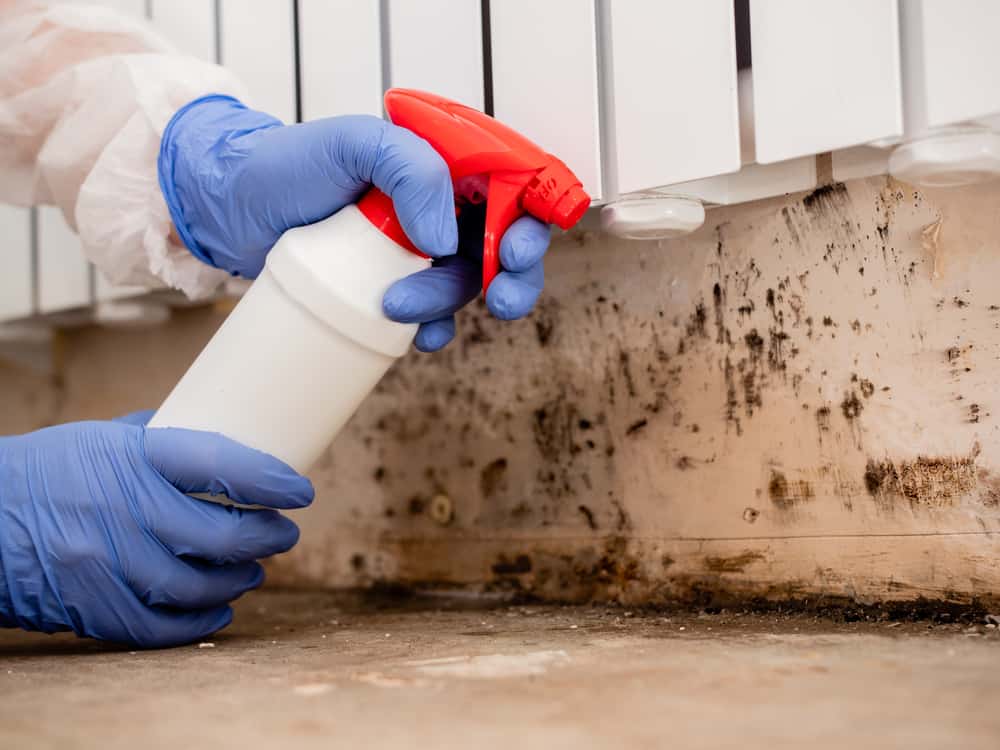
The first thing we do is find the water. Not just the mold you can see the moisture source feeding it. In Oak Beach, that could be storm surge intrusion that was never fully dried out, condensation on cold surfaces from a poorly balanced HVAC system, vapor pushing through an unprotected crawl space, or a combination of all three. Without addressing the source, the mold comes back. That’s the most common reason homeowners call a second company after the first one already came out.
Once we’ve mapped the moisture and contained the affected area proper containment, not plastic sheeting taped to a doorframe remediation begins. We remove contaminated materials. Surfaces are treated with EPA-registered antimicrobials. Structural drying follows, and we don’t move on until the moisture readings are where they need to be. Because some Oak Beach properties sit in FEMA-designated flood zones, we document the process in a format that supports both homeowner policy and NFIP flood insurance claims so you’re not left piecing together paperwork after the fact.
When the remediation is complete, we don’t just pack up and leave. Post-remediation verification independent air quality testing confirms that spore counts have returned to normal. You get a written clearance report. That’s the document that closes the loop on the job, and it’s included as a standard step, not an add-on.
Ready to get started?
Black Mold Remediation Services Oak Beach NY
Mold remediation in Oak Beach isn’t the same job it is in an inland Suffolk County town. The conditions here salt air, tidal humidity, seasonal closures, elevated or pier-foundation construction create moisture pathways that don’t exist in a standard suburban home. Crawl spaces on barrier island properties are some of the most mold-vulnerable spaces in any residential structure, and attic mold in homes with inadequate ventilation for coastal humidity loads is a consistent problem we see across Oak Beach and the surrounding barrier island communities. Emergency mold remediation after a nor’easter or tropical storm is also a reality here that most inland companies aren’t operationally prepared for.
What you get with us covers the full cycle: initial assessment and moisture mapping, containment setup, physical removal of contaminated materials, antimicrobial treatment, structural drying, and post-remediation air quality verification with a written clearance report. We also handle the professional cleaning of affected surfaces and contents so you’re not coordinating a separate cleaning crew after we leave. For Oak Beach homeowners managing their properties remotely, that single-company, full-cycle capability makes a real difference.
Costs for residential mold remediation typically range from $1,223 to $3,754 for most projects, with the average around $2,347. Crawl space remediation can run $500 to over $6,000 when encapsulation is needed which is common in coastal properties. Attic remediation ranges from $1,500 to $9,000 depending on scope. We provide honest, written estimates before anything starts.
Can mold really grow in my Oak Beach home while it's closed for winter?
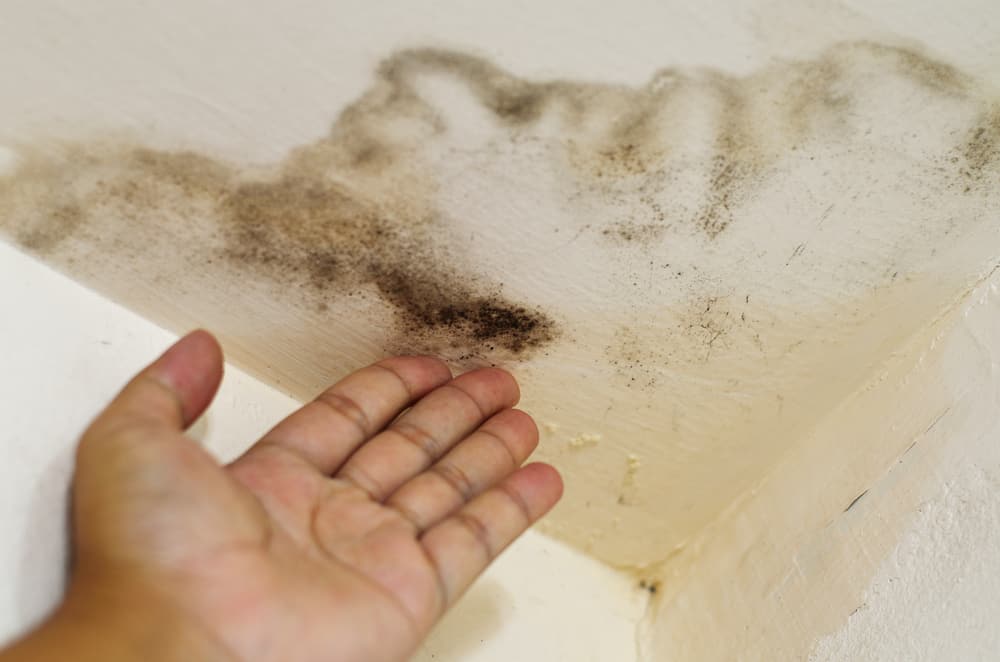
Yes and it’s one of the most common situations we deal with in Oak Beach and across the barrier islands. When a home is closed and unheated through a Long Island winter, interior humidity has nowhere to go. Moisture accumulates in walls, ceilings, and structural materials, and without active climate control or ventilation, the conditions become ideal for mold growth. Mold begins developing within 24 to 48 hours of water intrusion, but even without a specific flooding event, sustained high humidity in an unoccupied coastal home is enough to trigger growth over weeks or months.
By the time you return in spring and notice a musty smell or visible discoloration, the mold has often spread well beyond what’s visible on the surface. A professional assessment not just a visual check is the only way to understand the true scope. If you’re opening your Oak Beach property after a long closure, a mold inspection before you settle back in is worth the time.
How do I know if my home still has mold issues from Hurricane Sandy?
Sandy caused storm surge flooding that exceeded eight feet across much of the Oak Beach area, and 293 properties were impacted. A lot of remediation work was done quickly in the aftermath and not all of it was thorough. If your property was flooded in 2012 and you’ve noticed recurring musty odors, unexplained allergy symptoms, or discoloration that keeps coming back after cleaning, there’s a real possibility that the original remediation didn’t address the moisture embedded in structural materials.
Surface mold treatment without correcting the underlying moisture source is the most common reason mold returns. We’ve worked on properties across Long Island’s South Shore where post-Sandy remediation left latent moisture in subfloors and wall cavities that continued feeding mold growth for years. Air quality testing combined with moisture mapping is the most reliable way to determine whether a prior remediation was actually complete. If you have questions about your specific Oak Beach property, a professional assessment will give you a clear answer.
Does mold remediation in Oak Beach cost more than in other parts of Long Island?
It can, and there are real reasons for that not inflated margins. Barrier island properties present conditions that add complexity to a remediation job: elevated or pier foundations with exposed crawl spaces, salt air that accelerates material degradation, seasonal occupancy patterns that allow mold to develop further before it’s discovered, and the logistical realities of working on an island accessible only via Ocean Parkway and the Robert Moses Causeway. When a crawl space also requires encapsulation to prevent recurring vapor intrusion which is common in coastal construction costs can increase significantly.
That said, the national range for professional mold remediation is $1,223 to $3,754 for most residential projects, with an average around $2,347. Crawl space work can exceed $6,000 when encapsulation is included. Attic remediation runs $1,500 to $9,000 depending on scope. We provide written estimates before any work begins, and we explain exactly what’s included and why. There are no line items that appear after the job starts.
What's the difference between mold remediation and mold removal?
Mold removal implies physically taking mold out and while that’s part of the process, it’s not the whole picture. Mold remediation is the complete process: finding the moisture source, containing the affected area, removing contaminated materials, treating surfaces with antimicrobials, drying the structure to normal moisture levels, and verifying the result through post-remediation air quality testing. The remediation process is governed in New York by Article 32 of the NYS Labor Law, which requires anyone performing this work to hold a valid state-issued license.
The distinction matters practically because a company that only removes visible mold without addressing the moisture source is leaving the problem in place. In an environment like Oak Beach where ambient humidity is persistently elevated and storm-related water intrusion is a recurring reality mold will return within weeks if the underlying cause isn’t corrected. When you’re evaluating companies, ask specifically what our moisture source protocol is and whether post-remediation verification is included. Those two questions will tell you a lot about what kind of job you’re actually getting.
Will my insurance cover mold remediation after storm flooding in Oak Beach?
It depends on the type of policy and the cause of the damage and in Oak Beach, that question is more layered than it is for most Long Island homeowners. Many properties on the barrier island carry both a standard homeowner’s policy and a National Flood Insurance Program policy through FEMA. Whether mold damage is covered, and under which policy, depends on how the damage originated. Storm surge flooding is typically a flood claim. Mold that developed from a roof leak or interior plumbing failure would fall under a homeowner’s policy. Mold that developed because a prior flood claim was inadequately remediated is a more complicated situation.
The documentation you provide to your insurer matters enormously. A written scope of work, moisture mapping records, before-and-after photos, and a post-remediation clearance report are the materials that support a claim and reduce the likelihood of a dispute. We help customers document damage in the format insurers require and can assist with the claims process from initial notification through settlement. For Oak Beach homeowners navigating both NFIP and homeowner coverage simultaneously, that support is often the difference between a covered claim and an out-of-pocket expense.
How long does mold remediation take for a seasonal home in Oak Beach?
For most residential projects, remediation takes anywhere from one to five days, depending on the size of the affected area and the extent of contamination. A seasonal home that’s been closed all winter and has widespread mold growth in multiple areas will take longer than a single-room situation caught early. Structural drying which follows the physical removal of contaminated materials adds time because the framing and subfloor need to reach target moisture levels before the job can be closed out. Rushing that step is one of the most common ways a remediation fails.
For Oak Beach homeowners working against a Memorial Day or summer-opening deadline, timing matters. The earlier you schedule an assessment after returning to the property, the more realistic your timeline becomes. If you’re managing the property remotely and aren’t sure what you’re dealing with, a professional inspection before you commit to a remediation scope gives you accurate information to plan around. We work with seasonal homeowners regularly and understand that your window is specific we’ll give you a realistic timeline upfront, not one that shifts once work starts.
Useful Links
Other Services we provide in Oak Beach