
Mold Remediation in Ocean Beach, NY
When You Unlock That Door in May, Mold Shouldn't Be What Greets You
Hear from Our Customers
Mold Damage Repair, Ocean Beach, NY
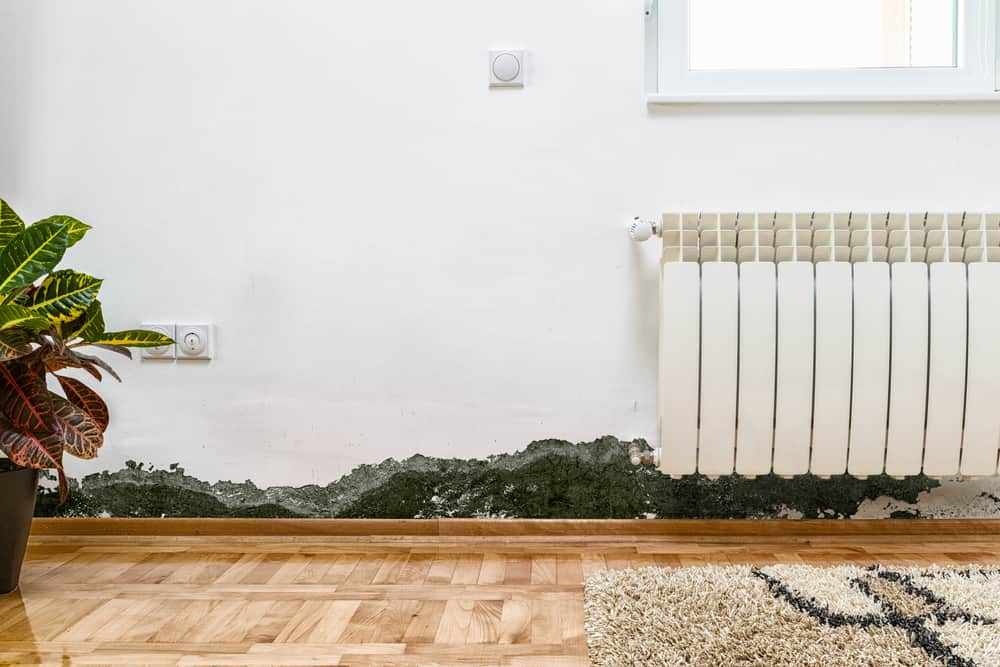
The frustrating part isn’t finding mold when you return for the season. It’s paying to have it removed, coming back the following May, and finding it again. That cycle happens when the moisture source never gets addressed and in Ocean Beach, those sources are everywhere. Salt air off the Atlantic pulls moisture into wood framing. The Great South Bay keeps ambient humidity elevated well past the threshold where mold actively grows. Older bungalows with minimal insulation and no mechanical ventilation give that moisture nowhere to go.
What changes after a proper remediation isn’t just the visible growth it’s the conditions that allowed it to take hold. When we identify and correct the source, the mold doesn’t come back the following spring. Your home is ready when your family is, not a week late because you’re waiting on a crew to come back out.
For property owners generating serious seasonal rental income, that reliability isn’t a luxury. A mold problem that surfaces in late May during peak booking season doesn’t just cost you a remediation bill. It costs you weeks of rental income and a reputation with guests who won’t rebook.
Certified Mold Remediation, Ocean Beach, NY
Richard Peterson, our owner, holds personal New York State licenses in both mold assessment and mold remediation. That’s not a license held somewhere in a filing cabinet under a corporate umbrella it’s his name on the credential, verifiable through the NYS Department of Labor. Under Article 32 of the New York State Labor Law, anyone performing mold remediation in Ocean Beach, NY is required to hold a valid state-issued license. A lot of companies meet that bar on paper. Fewer have the owner personally licensed and accountable.
Every technician on our team is IICRC-certified, which matters because they’re the ones actually doing the work inside your home. We’ve been operating on Long Island for approximately 31 years through the post-Sandy rebuilding era, the elevated construction transition on Fire Island, and the recurring nor’easter seasons that have battered south shore communities like Ocean Beach year after year. That’s not a marketing number. It’s just how long we’ve been here.
Professional Mold Remediation Process, Ocean Beach, NY
The first step is assessment not a quick visual scan, but a full moisture mapping of the property. In a coastal bungalow that’s been closed up since September, the visible mold is rarely the whole picture. Growth in wall cavities, under flooring, inside HVAC systems, and beneath post-Sandy elevated crawl spaces often goes undetected until it’s mapped properly. That assessment drives everything that follows.
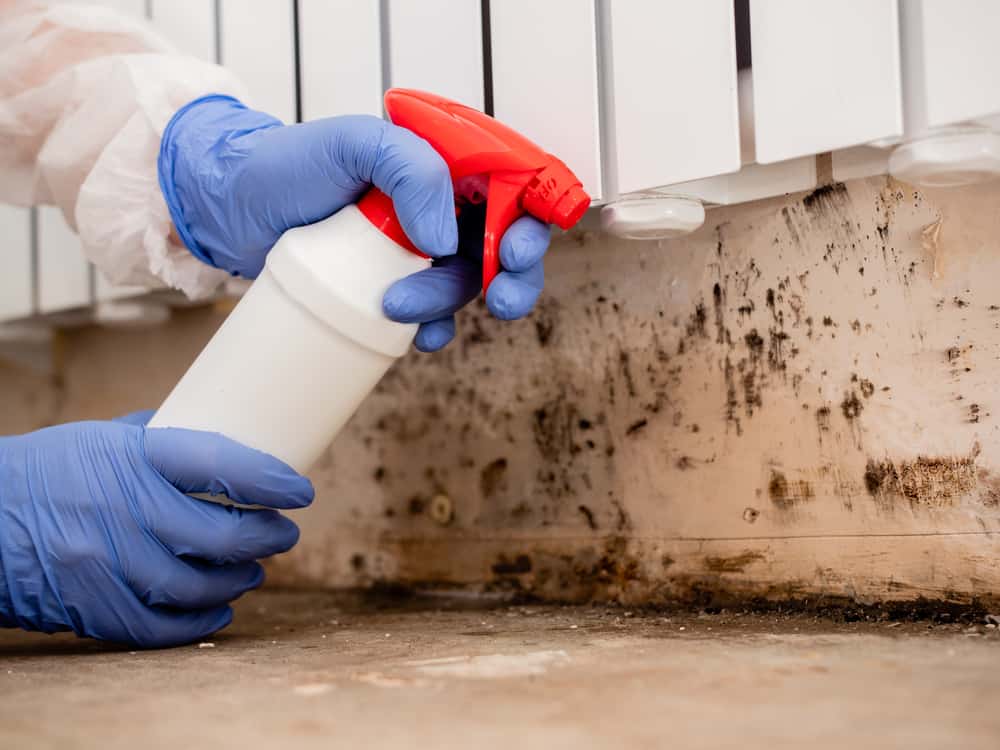
Once the scope is clear, we set up containment to isolate the affected areas and protect the rest of the home. From there, HEPA-filtered air scrubbers run continuously while contaminated materials are removed, treated, and disposed of properly. We apply antimicrobial treatment to affected surfaces, and we identify and address the moisture source directly whether that’s inadequate ventilation, a compromised crawl space, or water intrusion from a storm event. Skipping that step is why mold comes back.
Before the job is considered complete, post-remediation air quality testing confirms that spore counts have returned to normal levels. You receive clearance documentation the paperwork your insurance company, your real estate attorney, or your own peace of mind requires. For Ocean Beach properties, that documentation matters. Whether you’re closing a sale, filing a storm claim, or simply opening the house for the season, you leave with proof the job was done right not just a handshake.
Ready to get started?
Black Mold and Crawl Space Remediation, Ocean Beach, NY
Fire Island bungalows aren’t built like mainland Long Island homes. Many were constructed between the 1920s and 1970s with wood framing, minimal insulation, and no real moisture management built in. Post-Sandy, a generation of rebuilt homes now sit elevated on pilings with open or enclosed crawl spaces directly beneath the living space and those crawl spaces, in a coastal environment with persistent humidity, are among the highest-risk zones for mold growth on the entire property. We handle crawl space mold remediation in Ocean Beach, NY, from HEPA treatment of framing and subfloor surfaces to full encapsulation systems that create a lasting moisture barrier.
Black mold remediation in Ocean Beach, NY follows the same rigorous containment and removal process regardless of species but Stachybotrys and other moisture-dependent strains thrive in exactly the conditions that Ocean Beach bungalows produce: persistent dampness, organic material, and limited airflow. Attic mold remediation in Ocean Beach, NY is also common in older homes where inadequate roof ventilation allows condensation to build up during the off-season months when the home is sealed.
We provide emergency mold remediation in Ocean Beach, NY around the clock because flooding events on Fire Island don’t follow a schedule. After the January 2024 storms the worst flooding the village had seen since Sandy mold cleanup and remediation had to begin within hours, not days. We’re equipped to mobilize, coordinate ferry access, and get a certified crew on the island when it counts. Our integrated cleaning division means the property comes back to you fully restored, not just structurally treated.
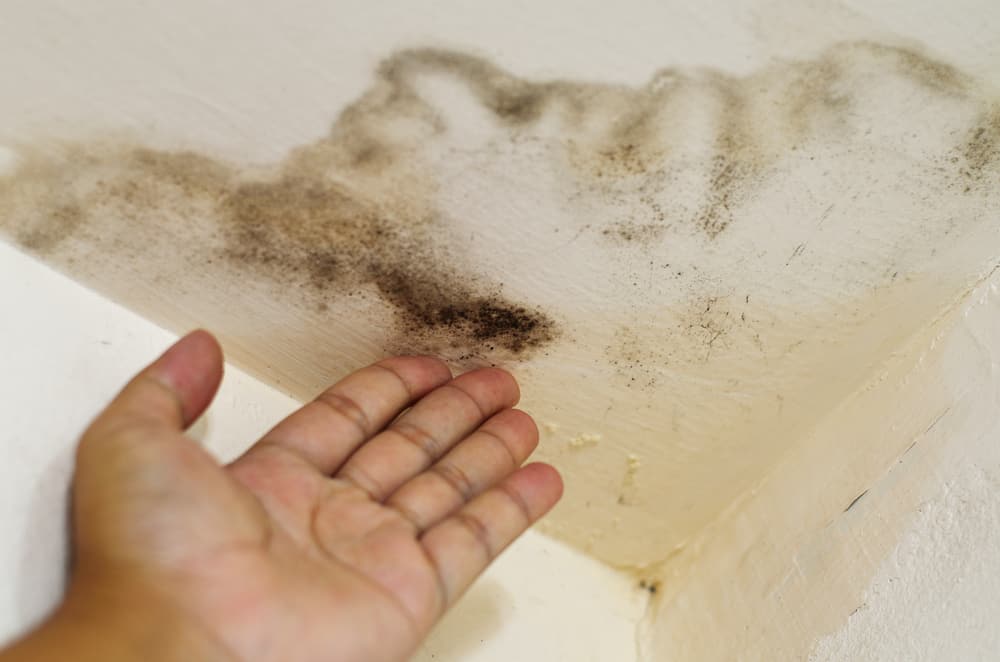
Can a mold remediation company actually service homes in Ocean Beach, NY?
Yes but not every company is set up to do it. Ocean Beach is a car-free barrier island, and getting a crew and equipment there means coordinating ferry transport from Bay Shore, navigating permitting requirements for operating on Fire Island, and working within the logistical realities of a community with no roads. A lot of mainland contractors simply aren’t willing to deal with that, or they’ll say yes and then create problems for you when the logistics don’t work out.
We’ve been serving Long Island’s coastal communities for approximately 31 years, including south shore properties with the same ferry-dependent access and barrier island conditions as Ocean Beach. When you call, you’re not handing off a logistics problem our crew handles it. Equipment gets transported, permitting gets coordinated, and the job gets done without making the access situation your responsibility to manage.
How much does mold remediation cost in Ocean Beach, NY?
The honest answer is that it depends on the scope and in Ocean Beach specifically, scope can vary significantly. A contained area of surface mold in a single room is a very different job than mold that has spread through wall cavities, into a crawl space beneath an elevated post-Sandy home, or through an HVAC system that’s been sitting idle since September. Our assessment phase exists precisely to define that scope before any work begins, so you’re not getting a number that changes once the crew is on the island.
What’s worth understanding about Ocean Beach specifically is that the cost of doing this right is almost always less than the cost of doing it twice. Seasonal rental income on Fire Island can reach well into six figures annually for well-maintained properties. A mold problem that recurs because the moisture source wasn’t addressed doesn’t just cost you another remediation bill it costs you rental weeks, real estate transaction delays, and the compounding damage of mold that’s had another full off-season to grow. The estimate you receive from us reflects the full scope of the job, not a low number designed to get in the door.
What is the difference between mold remediation and mold removal in Ocean Beach, NY?
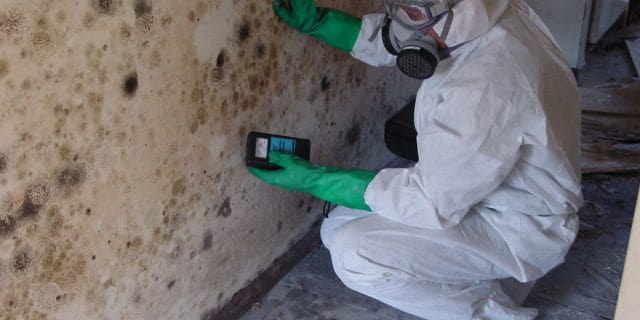
Mold removal typically refers to physically taking out or wiping down visible mold growth. It’s the surface-level version of the job. Mold remediation in Ocean Beach, NY goes further it includes containment to prevent spores from spreading during the work, removal of contaminated materials, antimicrobial treatment of affected surfaces, and critically, identification and correction of the moisture source that allowed the mold to grow in the first place.
In a seasonal coastal environment like Ocean Beach, that distinction matters more than it does almost anywhere else. If you remove visible mold from a wall but don’t address the fact that the crawl space beneath an elevated home has no vapor barrier and sits in persistent coastal humidity, the mold comes back. Every year. The difference between remediation and removal is the difference between solving the problem and managing a recurring one.
My Ocean Beach home flooded how quickly does mold start growing after water intrusion?
Mold can begin colonizing within 24 to 48 hours of water intrusion. That’s not a scare statistic it’s the actual biological timeline, and it’s why the response window after a flooding event matters so much. In Ocean Beach, that timeline is complicated by the ferry-dependent access to the island. You can’t just drive a crew out immediately. That’s exactly why having a company already familiar with Fire Island logistics on call makes a real difference the coordination that would slow down an unfamiliar contractor is already built into how we operate.
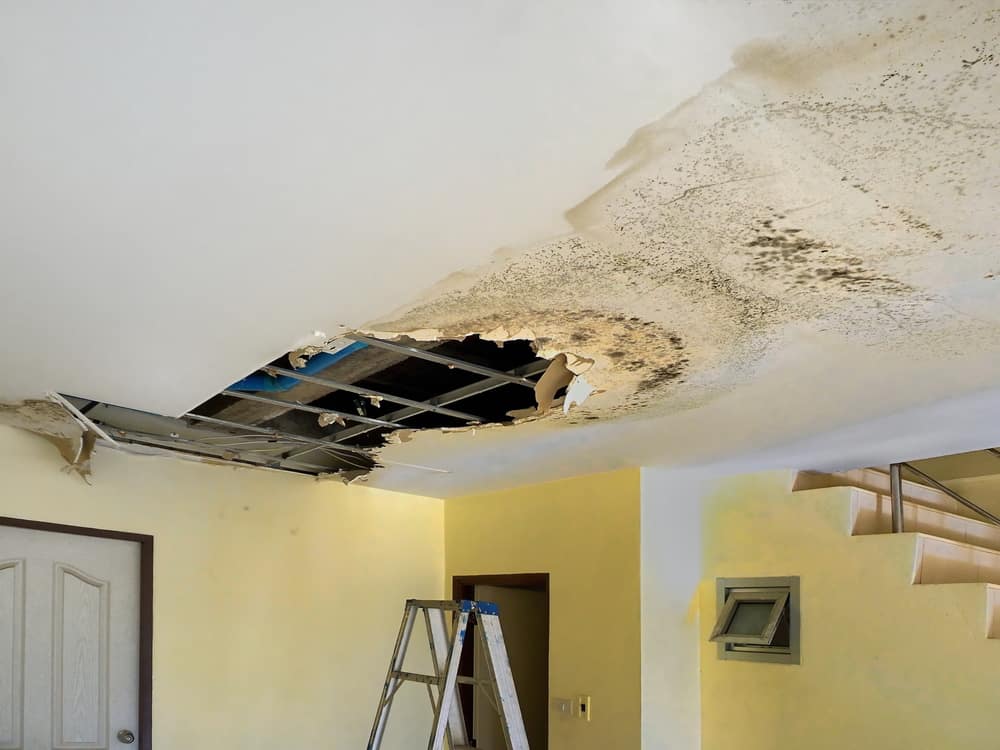
After the January 2024 storms, which the Ocean Beach mayor described as the worst flooding since Superstorm Sandy, the homes and businesses that fared best were the ones where water extraction and drying began quickly. The longer standing water or saturated materials sit in a sealed, humid coastal home, the deeper the mold problem becomes and the more extensive the mold damage repair in Ocean Beach, NY ends up being. If your property took on water, the right call is to get someone on it as fast as the ferry allows.
Does homeowner's insurance cover mold remediation in Ocean Beach, NY after storm flooding?
It depends on your policy and the cause of the mold. Mold that results directly from a covered water event like storm flooding or a burst pipe is often covered, at least partially. Mold that results from long-term moisture buildup or lack of maintenance is frequently excluded. The language in most standard homeowner’s policies around mold is specific, and the documentation you provide when filing the claim matters significantly.
For Ocean Beach properties, flood insurance through the National Flood Insurance Program is common given the village’s FEMA high-risk flood zone designation. If your mold stems from a flooding event covered under that policy, the claim process has its own documentation requirements. We help property owners understand what their coverage includes, document the damage in the format insurers require, and provide the post-remediation clearance report that closes the claim properly. Managing that process remotely from the mainland, for a Fire Island property is stressful enough without having to navigate the paperwork alone.
Why does mold keep coming back in my Ocean Beach home every spring?
Because the moisture source was never fixed. That’s the straightforward answer. If a remediation job removes visible mold but doesn’t identify and correct what’s feeding it whether that’s an unencapsulated crawl space beneath an elevated home, inadequate attic ventilation in an older bungalow, or salt-air moisture penetrating wood framing with no vapor barrier the conditions that created the mold in the first place are still there. Close the house up in September, and by the following May, the mold has had eight months of uninterrupted, humid, unventilated time to recolonize.
Ocean Beach’s seasonal vacancy pattern makes this cycle worse than it would be in a year-round occupied home, because there’s no one there to catch early signs of moisture buildup or run a dehumidifier through the winter months. The solution isn’t just better mold removal it’s a remediation process that treats the source alongside the growth, so the next time you unlock that door in late May, the air inside smells like a beach house, not a problem.
Useful Links
Other Services we provide in Ocean Beach