
Mold Remediation in Plainview, NY
Plainview's Aging Homes Deserve More Than a Surface Fix
Hear from Our Customers
Certified Mold Remediation in Nassau County
When mold remediation is done right, you stop guessing. No more wondering if that musty smell in the basement is something serious, no more worrying about what your kids are breathing in while they sleep, and no more anxiety about what a home inspector might find if you ever decide to sell.
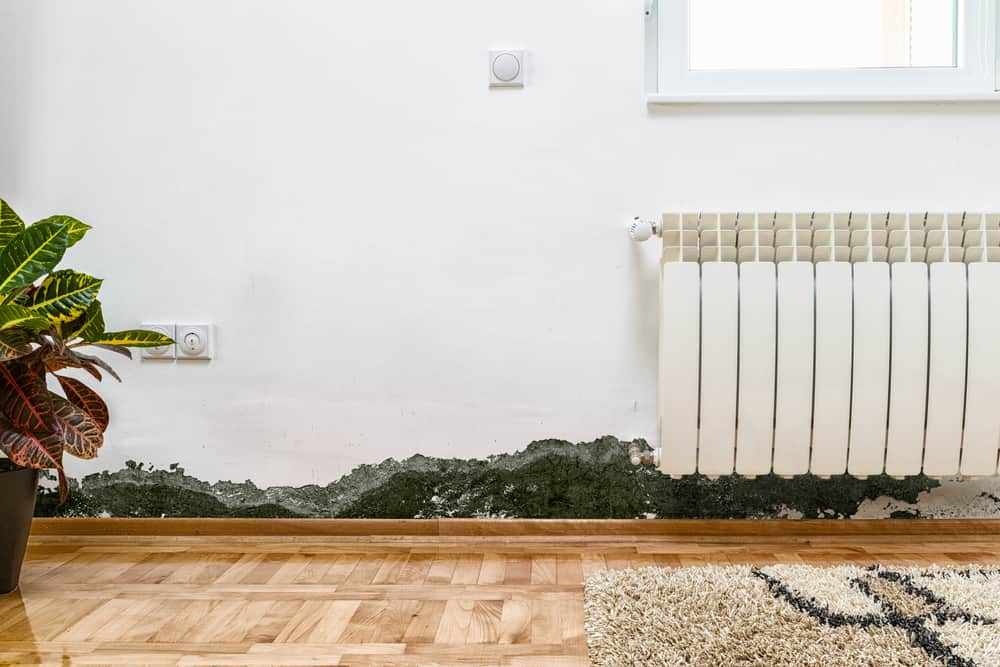
Over 81% of Plainview’s homes were built between the 1940s and 1960s and those homes were never designed to handle decades of Long Island humidity the way modern construction is. Block foundations settle, crawl spaces absorb moisture, and attic ventilation in cape cods and hi-ranches often falls short of what Long Island summers actually demand. By the time mold becomes visible, it has usually been growing behind walls and under floors for months.
The financial reality matters here too. With median home values in Plainview approaching $900,000, an unresolved mold problem isn’t just a health issue it’s a liability. Mold discovered during a home inspection can cost you tens of thousands in price reductions or kill a sale entirely. Getting it handled by our certified team protects your family and your investment at the same time.
Mold Remediation Companies in Plainview, NY
We’ve been serving Nassau County homeowners for close to three decades. That means we were already working in Plainview when many of today’s families first moved into their homes off Manetto Hill Road or near the Old Country Road corridor. That kind of history isn’t something a franchise or a lead-generation site with an out-of-state phone number can replicate.
Every technician who walks into your home is individually IICRC certified not just the company. That distinction matters because it means the person doing the actual work has been trained, tested, and held to a documented standard. You get written lab results within two to three business days, full photographic documentation, and a team that arrives fully equipped so the job starts the moment we show up.
We also handle reconstruction after remediation something most competitors in the area don’t offer. One call, one company, from inspection through rebuild.
Professional Mold Remediation Process in Plainview
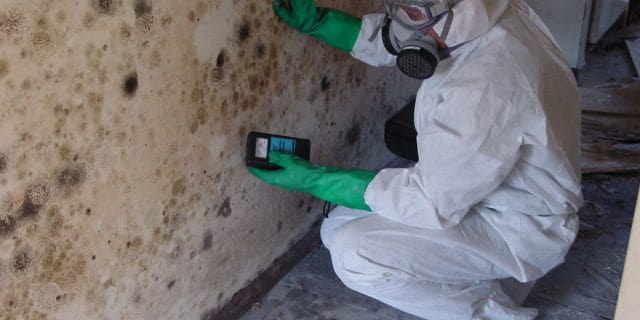
It starts with a thorough inspection not a quick walkthrough, but a 13-point process that includes air testing, swab sampling, infrared imaging to detect moisture hidden behind walls and ceilings, and moisture level measurements throughout the affected areas. In Plainview’s mid-century homes, where moisture often hides inside block foundation walls or beneath finished basement flooring, this step is where the real picture comes into focus. Lab results come back in writing within two to three business days, giving you documented evidence of exactly what you’re dealing with.
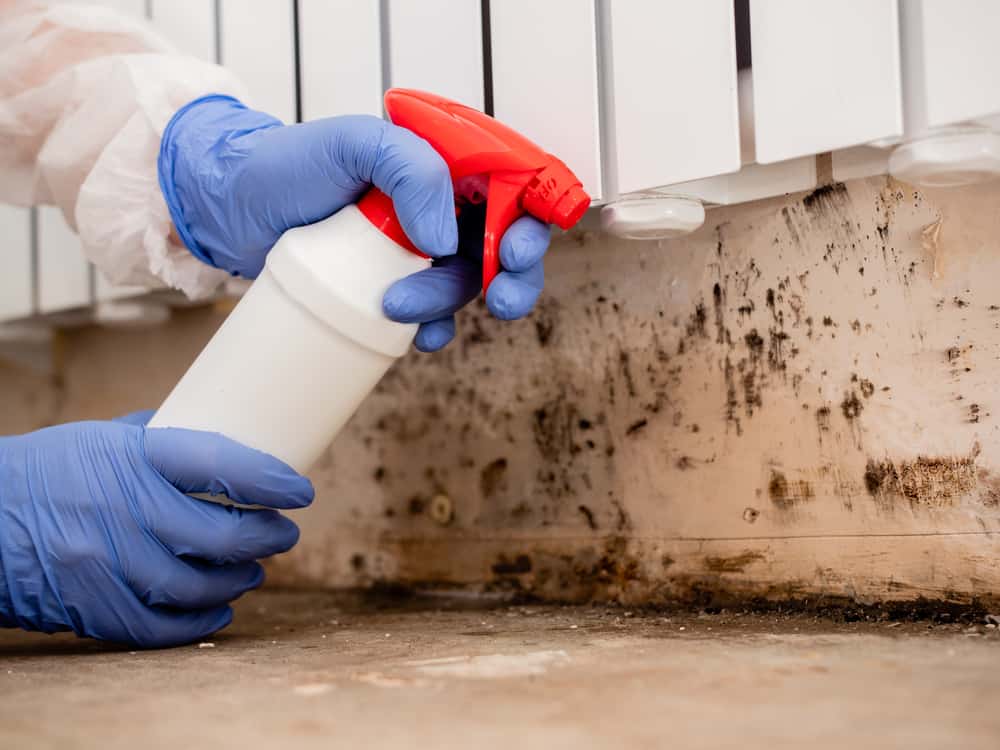
Once the scope is confirmed, containment goes up before any work begins. This keeps mold spores from spreading to unaffected areas of your home during the remediation process a step that matters especially in homes where the basement or crawl space shares air circulation with the living areas above. HEPA filtration runs throughout, and all contaminated materials are removed and disposed of properly under New York State’s mold remediation licensing requirements.
After remediation is complete, if walls came down or materials were removed, we handle the rebuild. You don’t need to find a separate contractor to put your home back together. When the job is done, clearance testing confirms the space is clean before anyone calls it finished.
Ready to get started?
Basement and Attic Mold Remediation in Plainview, NY
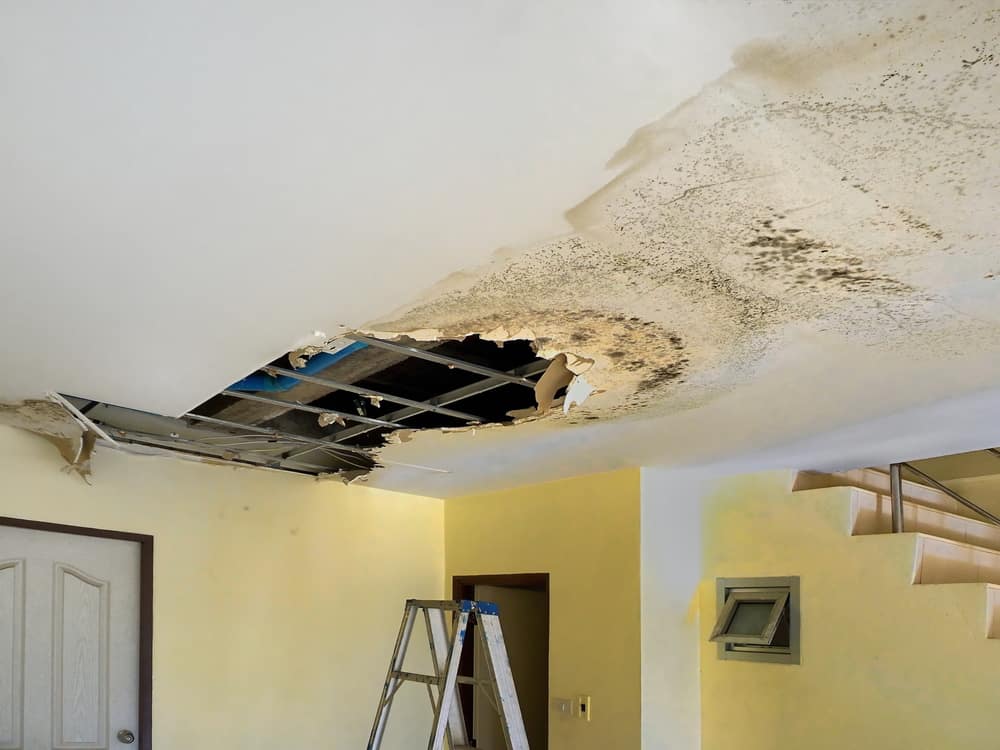
Mold in Plainview tends to show up in predictable places finished basements where a slow foundation seep went unnoticed for years, crawl spaces that were never properly encapsulated, and attic spaces in cape cods and hi-ranches where summer humidity gets trapped under inadequate ventilation. Each of these situations requires a different approach, and we’re equipped to handle all of them.
Basement mold remediation in Plainview typically involves identifying and addressing the moisture source first whether that’s a hairline foundation crack, a drainage failure, or a plumbing issue before any cleanup begins. Attic mold remediation often requires assessing the ventilation system alongside the mold itself, because cleaning without fixing airflow just means the mold returns. Crawl space mold remediation goes hand in hand with encapsulation in many cases, especially in homes where the original construction left the space exposed to ground moisture for decades.
New York State law requires that mold assessment and mold remediation be performed by separately licensed parties the same company cannot do both on the same job. We operate in full compliance with this law, and our team will walk you through how the process works so you’re never left confused about what’s happening or why. If you’re navigating an insurance claim alongside this, we have the documentation and experience to help you through that process as well.
How do I know if my Plainview home actually has a mold problem?
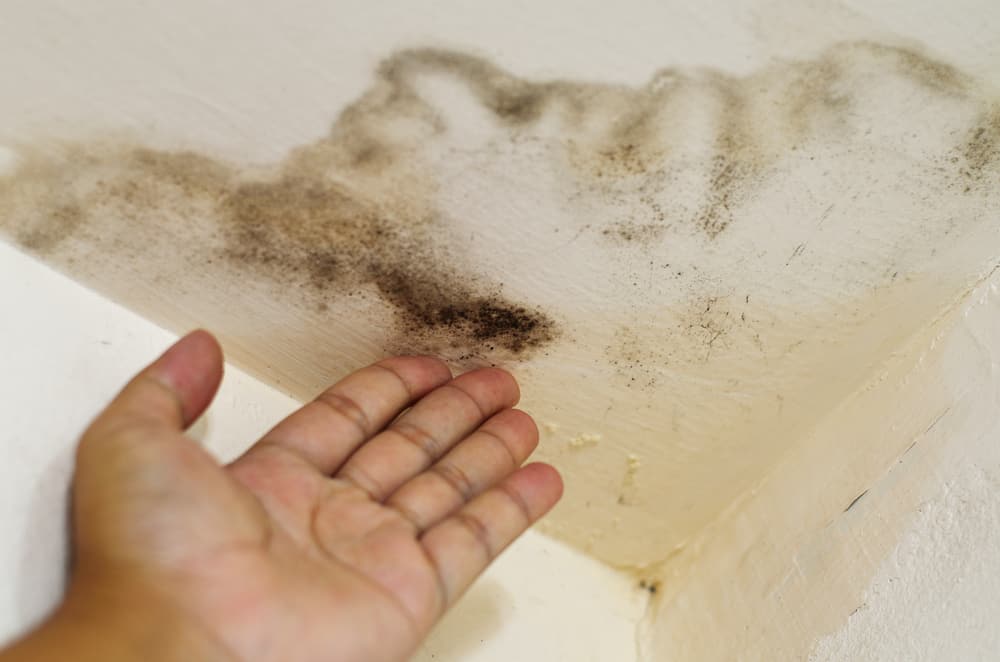
The most common signs are a persistent musty odor especially in the basement or near exterior walls visible discoloration on drywall, wood framing, or ceiling tiles, and unexplained respiratory symptoms like congestion or irritation that seem to improve when you leave the house. In Plainview’s older homes, these signs often appear in finished basements or crawl spaces first, because that’s where moisture tends to enter through aging block foundations or inadequate drainage systems.
That said, mold is frequently present without any visible signs at all. It grows inside wall cavities, under subfloors, and behind bathroom tile places a homeowner would never think to look. If your home was built in the 1950s or 1960s and has never had a professional moisture assessment, there’s a real chance something is developing that you simply can’t see yet. An inspection that includes infrared imaging and air testing will tell you definitively what’s there and where.
What does mold remediation actually cost, and does insurance cover it in Nassau County?
For a standard mold remediation job say, a contained area in a basement or a single bathroom costs typically run between $1,200 and $3,800. Larger cases involving multiple rooms, significant structural material removal, or whole-house contamination can run $10,000 to $30,000 or more. The scope of the job drives the cost, which is why a thorough inspection before any pricing conversation is essential.
Insurance coverage in Nassau County depends heavily on the cause. If mold resulted from a sudden, covered event like a burst pipe or an appliance failure your homeowner’s policy will often cover remediation. If it developed gradually from a slow leak or long-term moisture accumulation, coverage is less likely. The documentation we provide written lab results, photographic evidence, infrared imaging reports is exactly what insurance carriers require to process a claim. Having that paperwork organized from the start makes a significant difference in how the claim goes.
What is the difference between mold remediation and mold removal?
Mold removal implies that mold can be fully and permanently eliminated which isn’t accurate. Mold spores are naturally present in the air everywhere, including inside your home. What remediation does is bring mold levels back down to a normal, safe range and address the conditions that allowed a colony to grow in the first place. That second part addressing the moisture source is what separates a lasting result from a temporary one.
Companies that offer “mold removal” without identifying and fixing the underlying moisture problem are essentially cleaning the surface without solving anything. In Plainview, where many homes have chronic moisture conditions tied to aging foundations, unencapsulated crawl spaces, or inadequate attic ventilation, skipping the root cause means the mold comes back within months. Professional mold remediation means the source gets addressed alongside the cleanup so you’re not paying for the same job twice.
Does New York State require a license for mold remediation work?
Yes. New York State’s mold law, which took effect in 2016 under Article 32 of the Labor Law, requires that anyone performing mold remediation hold a valid New York State mold remediation contractor license. Equally important and something many homeowners don’t know the law also prohibits the same company from both assessing and remediating mold on the same project. The assessor and the remediator must be separate, independently licensed parties.
This law exists because the “free inspection” model where a company inspects your home and then sells you a remediation based on their own findings created documented consumer fraud problems across New York. The separation requirement protects you from inflated assessments. If a company in Plainview is offering to inspect and remediate under the same contract without involving a separate licensed assessor, that’s a red flag worth taking seriously. We operate in full compliance with state licensing requirements and will explain the process clearly before any work begins.
How long does mold remediation take in a typical Plainview home?
For a contained area a single basement room, a bathroom, or a section of crawl space remediation typically takes one to three days. Larger jobs involving multiple areas, significant material removal, or homes with more extensive moisture damage can run a week or longer, particularly if reconstruction is needed after materials are removed.
In Plainview’s mid-century homes, the timeline can extend when hidden mold is discovered during the process which happens more often than not in homes with finished basements or attic spaces that haven’t been assessed before. Infrared imaging during the inspection phase helps identify these areas upfront so the scope is as accurate as possible before work begins. If reconstruction is part of the job, that adds time as well, though having one company handle both remediation and rebuild avoids the scheduling gaps that come with coordinating separate contractors.
Can mold in my Plainview home affect my ability to sell the property?
It can, and in a meaningful way. Mold discovered during a home inspection which is standard in any real estate transaction gives buyers grounds to renegotiate the price, demand remediation before closing, or walk away entirely. In a market where Plainview homes are valued near $900,000, even a modest price reduction tied to a mold disclosure represents a significant loss.
Beyond the inspection itself, New York requires sellers to disclose known material defects, and mold qualifies. Attempting to conceal it creates legal exposure that outlasts the sale. The smarter move and the one that protects your equity is to have a licensed remediation done before you list, with written clearance documentation to show buyers and their agents. Homes that come to market with clean inspection results and documented remediation history tend to move faster and with fewer contingencies. In Plainview’s competitive real estate environment, that documentation is a genuine selling advantage.
Useful Links
Other Services we provide in Plainview