
Mold Remediation in Plandome, NY
When Manhasset Bay Humidity Gets Inside Your Walls
Hear from Our Customers
Certified Mold Remediation Nassau County
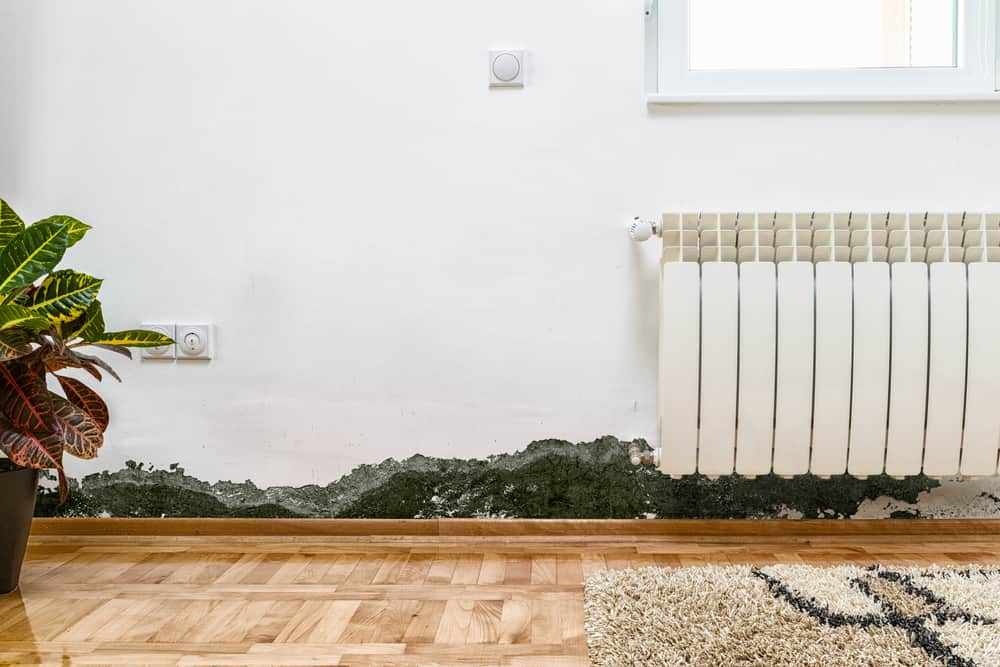
Most mold problems in Plandome aren’t random. They’re the predictable result of older homes Dutch Colonials, English Tudors, brick Colonials built between the 1910s and 1950s sitting in a coastal environment that pushes ambient humidity well past 60% every summer. Crawl spaces without modern vapor barriers, attics with original timber framing and limited airflow, masonry basement walls that wick moisture through these aren’t flaws unique to your home. They’re structural realities of living in one of Long Island’s most historic residential villages.
When mold remediation is done right, you’re not just removing what’s visible. You’re identifying the moisture source, eliminating it, and restoring the affected materials so the problem doesn’t come back six months later. That’s the difference between a surface treatment and an actual fix. For a Plandome home on Manhasset Bay, where humidity and seasonal nor’easters keep feeding moisture into the building envelope, that distinction matters more than it would almost anywhere else.
The financial stakes are real too. Industry data consistently shows mold can reduce a home’s resale value by 20% to 37%. In Plandome, where median sale prices are approaching $3.8 million, that’s not an abstract percentage it’s a number that gets your attention. Professional remediation with proper documentation protects your investment and gives you the paper trail you need whether you’re staying put or eventually selling.
Experienced Mold Remediation Company Plandome NY
We’ve been serving Nassau County homeowners since the late 1990s. That’s not a tagline it’s a track record you can verify. In that time, we’ve worked through every type of moisture and mold situation Plandome and the North Shore can produce: post-storm flooding along Manhasset Bay, hidden crawl space mold in century-old Colonials, attic mold in Tudors where ventilation was never designed for modern humidity levels. We know this housing stock because we’ve worked in it for decades.
What separates us from most of the competition isn’t just longevity it’s the certification standard. Every technician holds individual IICRC certification. Not just the company. Every person who walks into your Plandome home. In a village of 1,448 residents where word travels fast and your home is likely your most significant asset, that level of accountability isn’t optional it’s the baseline.
Professional Mold Remediation Process Plandome NY
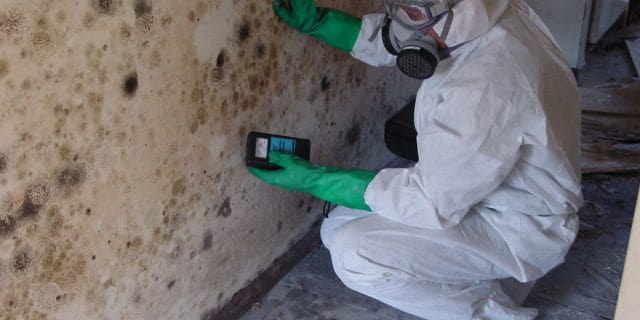
It starts with a 13-point mold inspection not a visual walkthrough followed by a verbal opinion. Air testing, surface swab sampling, infrared imaging to detect moisture hiding behind walls and under floors, and moisture readings taken throughout the structure. Lab results come back within 2 to 3 business days, and you get a written report with everything documented. For Plandome homeowners navigating a real estate transaction or an insurance claim, that documentation is not a bonus it’s essential.
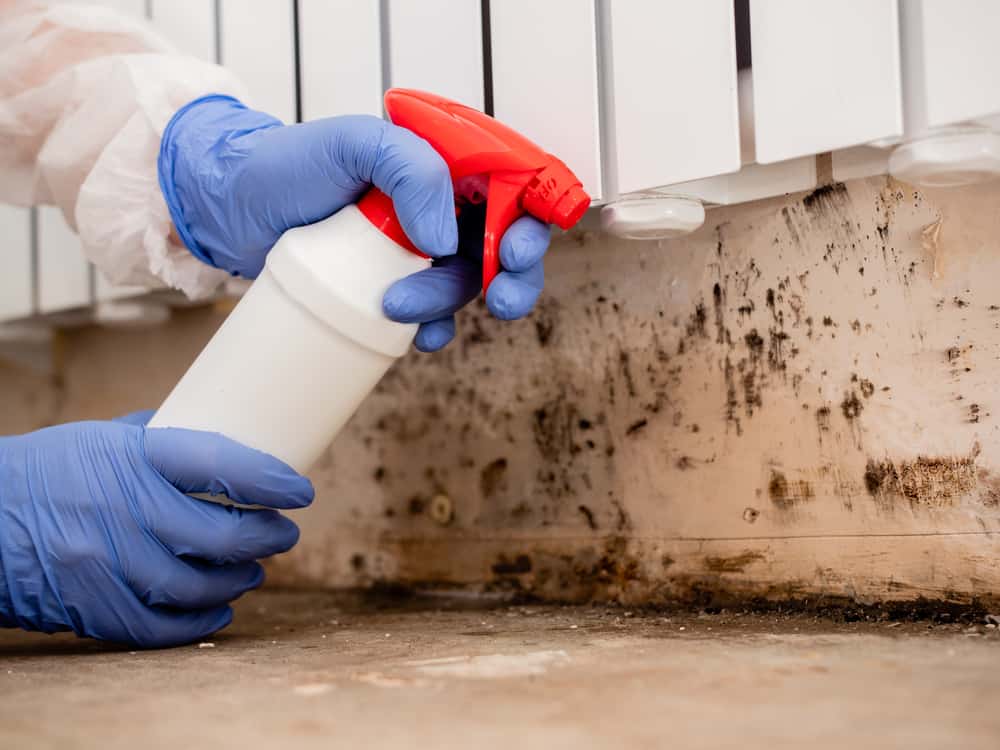
Once the scope is confirmed, remediation begins with full containment of the affected area to prevent spores from spreading to clean parts of your home. Affected materials are removed, HEPA air filtration runs throughout the process, and antimicrobial treatments are applied to surfaces. Critically, the moisture source gets addressed before anything is closed back up because sealing over an active moisture problem is how mold comes back. In older Plandome homes, that sometimes means identifying a compromised crawl space vapor barrier, correcting attic ventilation, or tracing a slow plumbing leak inside a wall cavity.
New York State’s 2016 mold law requires that the company performing the assessment and the company performing the remediation be separate entities. We operate in full compliance. After remediation is complete, clearance testing confirms the space is clean before the job is closed out. If building materials need to be rebuilt drywall, insulation, structural components we handle that too, so you’re not left coordinating between a remediator and a separate contractor.
Ready to get started?
Black Mold and Basement Mold Remediation Plandome
Mold remediation in Plandome covers more ground than it does in most Nassau County towns, simply because of what the homes here are. Large square footage many exceeding 4,000 square feet means more attic space, more crawl space, more basement area where mold can establish itself long before it’s visible. Attic mold remediation is one of our most common calls from the North Shore, particularly in older Tudors and Colonials where roof ventilation wasn’t built to handle modern humidity loads. Crawl space mold remediation is equally common, especially in Plandome homes that sit on older, unencapsulated foundations close to Manhasset Bay.
Basement mold remediation in Plandome often follows water intrusion events spring thaw, heavy rainfall, or the kind of coastal storm surge that Manhasset Bay communities see during nor’easters. Black mold remediation requires full containment, proper PPE, HEPA filtration, and antimicrobial treatment of all affected surfaces. It is not a job for bleach and a weekend. The health implications are real, particularly in a community where 88.5% of households are family households with children present.
Every remediation job we perform includes the inspection, containment setup, material removal where necessary, antimicrobial application, air filtration, clearance testing, and a written final report. For jobs requiring structural rebuilding after mold damage repair, we handle the full reconstruction one company, one point of contact, from discovery through to a fully restored home. Emergency mold remediation is available 24 hours a day, 7 days a week at 516-698-1776.
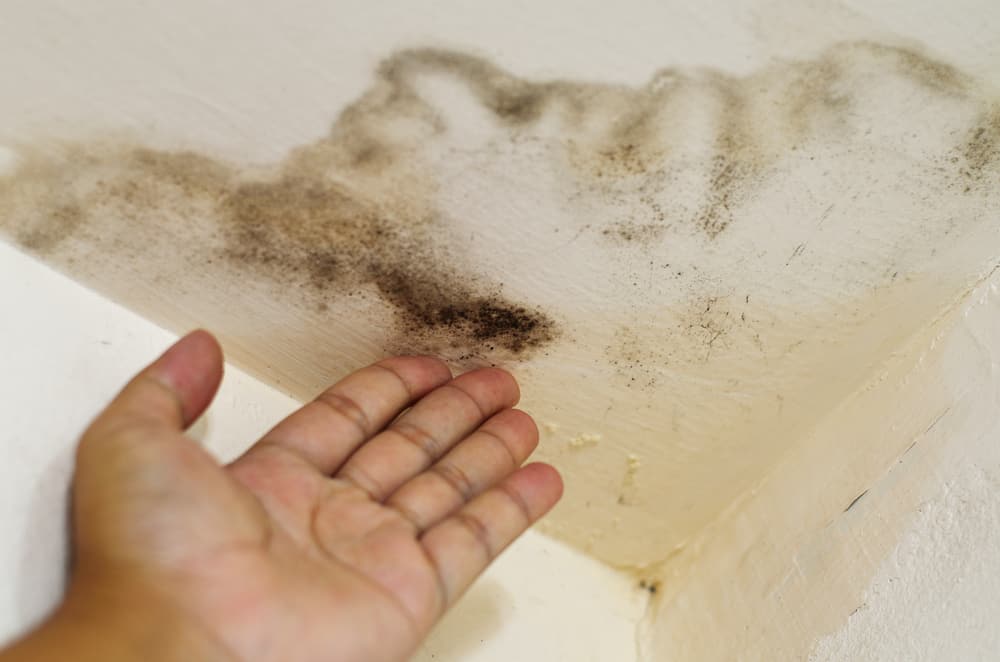
How does living near Manhasset Bay increase my risk of mold growth?
Coastal proximity creates a humidity environment that inland Nassau County towns simply don’t experience at the same level. Plandome sits directly on Manhasset Bay, and during the summer months, ambient humidity along the waterfront regularly exceeds 60% the threshold at which mold growth accelerates significantly. That sustained moisture in the air finds its way into crawl spaces, attics, and basement walls, particularly in older homes that weren’t built with modern vapor barriers or moisture-resistant materials.
The compounding factor is the age of Plandome’s housing stock. Homes built between the 1910s and 1950s have masonry foundations that can wick moisture through their walls, original timber-framed attics with limited ventilation, and crawl spaces that in many cases have never been properly encapsulated. Add seasonal nor’easters that push storm surge into bay-adjacent properties, and you have a moisture environment that’s more aggressive than almost anywhere else in Nassau County. That’s just the reality of living in a waterfront village with historic construction.
What is the difference between mold removal and mold remediation?
Mold removal typically refers to cleaning or wiping away visible mold from a surface. It sounds thorough, but it’s not because mold grows into porous materials like drywall, wood framing, and insulation, and surface cleaning doesn’t reach what’s embedded inside. It also does nothing about the moisture source that caused the mold to grow in the first place. Two months later, you’re dealing with the same problem in the same spot.
Mold remediation is a full-scope process. It starts with identifying where the mold is including what’s hidden behind walls and under floors using infrared imaging and moisture meters and then tracing it back to the moisture source. Containment goes up to prevent cross-contamination. Affected materials that can’t be cleaned are removed. HEPA filtration runs throughout. Antimicrobial treatments are applied. And the moisture source gets corrected before anything is sealed back up. Clearance testing confirms the space is clean before the job is closed out. For a Plandome home where the moisture environment is persistent and the home is worth several million dollars, remediation is the only approach that actually solves the problem.
Does homeowners insurance cover mold remediation in Plandome, NY?
It depends on the cause. Most standard homeowners insurance policies in New York will cover mold remediation if the mold resulted directly from a covered peril a burst pipe, an appliance leak, or storm-related water intrusion that was sudden and accidental. What they typically won’t cover is mold that developed gradually from long-term moisture issues, like a slow crawl space leak or inadequate attic ventilation that went unaddressed for years.
For Plandome homeowners, the most important thing you can do after any water intrusion event whether from a nor’easter, a burst pipe, or a storm surge situation along Manhasset Bay is document everything immediately and call for professional assessment before attempting any cleanup yourself. Insurance carriers want to see that the damage was reported promptly and handled by certified professionals. Our written inspection reports, lab results, and remediation documentation are exactly the kind of paper trail that supports a successful claim. If you’re unsure about your coverage, we can walk you through what documentation your insurer will likely require.
How long does mold remediation take in a large Plandome home?
Timeline depends on the scope where the mold is, how much surface area is affected, and whether structural materials need to be removed and rebuilt. For a contained situation, like mold in a single bathroom or a small section of basement wall, remediation can often be completed in one to two days. For larger jobs attic mold remediation in a 5,000-square-foot Tudor, or crawl space mold remediation that requires full encapsulation work afterward the process can run anywhere from three to seven days or more.
The inspection and lab results come back within two to three business days, so you’ll have a clear picture of the scope before any work begins. Homes in Plandome tend to be large, which means there’s more potential surface area to assess and treat. That’s not a reason to rush the process it’s a reason to be thorough. A job that’s done completely in five days is worth more than one that’s done superficially in two, especially when you’re protecting a home at this price point. We’ll give you a realistic timeline after the inspection, not a number designed to win the job.
Can mold grow in my attic even if I don't see water damage?
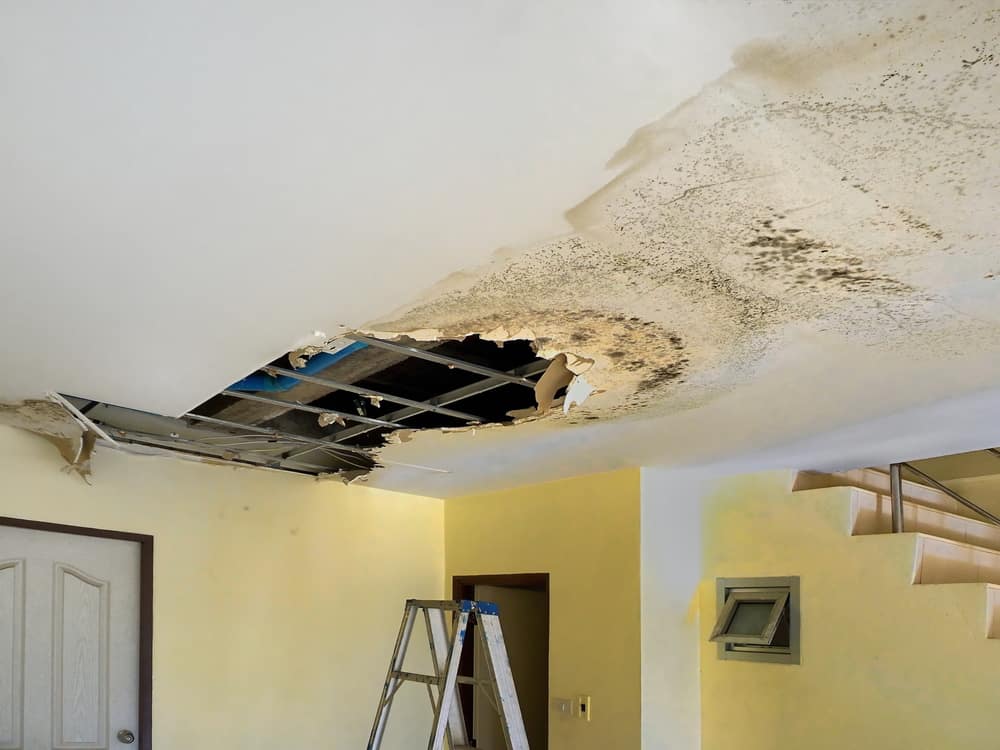
Yes and attic mold is one of the most commonly missed problems in Plandome’s older homes, precisely because it develops without any obvious water intrusion. The typical cause isn’t a roof leak. It’s inadequate ventilation. When warm, humid air from the living space below rises into an attic that doesn’t have sufficient airflow to exhaust it, that moisture condenses on the roof sheathing and framing. Over time, mold colonizes the wood often covering large sections of the attic before the homeowner ever notices it.
In Plandome’s Dutch Colonials, English Tudors, and brick Colonials many of which were built with original attic framing that was never designed for modern HVAC systems or today’s humidity levels this is a genuinely common scenario. Infrared imaging during a professional inspection can detect the temperature differentials that indicate moisture accumulation in the attic, even when there’s no visible staining or discoloration. If you haven’t had your attic assessed and your home is more than a few decades old, it’s worth knowing what’s up there.
Will mold come back after professional remediation in a waterfront home?
Not if the moisture source was properly identified and corrected as part of the remediation process. That’s the critical piece that separates a real fix from a temporary one. In a waterfront community like Plandome, the moisture environment is persistent Manhasset Bay humidity doesn’t go away in the fall, nor’easters bring water into homes seasonally, and older foundations and crawl spaces are structurally predisposed to moisture intrusion. If a remediator removes the mold but leaves the moisture pathway open, recurrence is almost guaranteed.
What prevents mold from coming back is addressing the root cause whether that’s encapsulating a crawl space, correcting attic ventilation, waterproofing a basement wall, or repairing a compromised flashing detail on the roof. We identify the source during the inspection phase and make sure it’s part of the remediation scope, not an afterthought. Post-remediation clearance testing confirms the space is clean, and the written report documents the corrective measures taken. For a Plandome home in a moisture-rich coastal environment, that combination of root-cause correction and documented verification is what gives you confidence the problem is actually behind you.
Useful Links
Other Services we provide in Plandome