
Mold Remediation in Port Jefferson Station, NY
When North Shore Humidity Gets Into Your Walls, Here's What to Do
Hear from Our Customers
Certified Mold Remediation, Port Jefferson Station
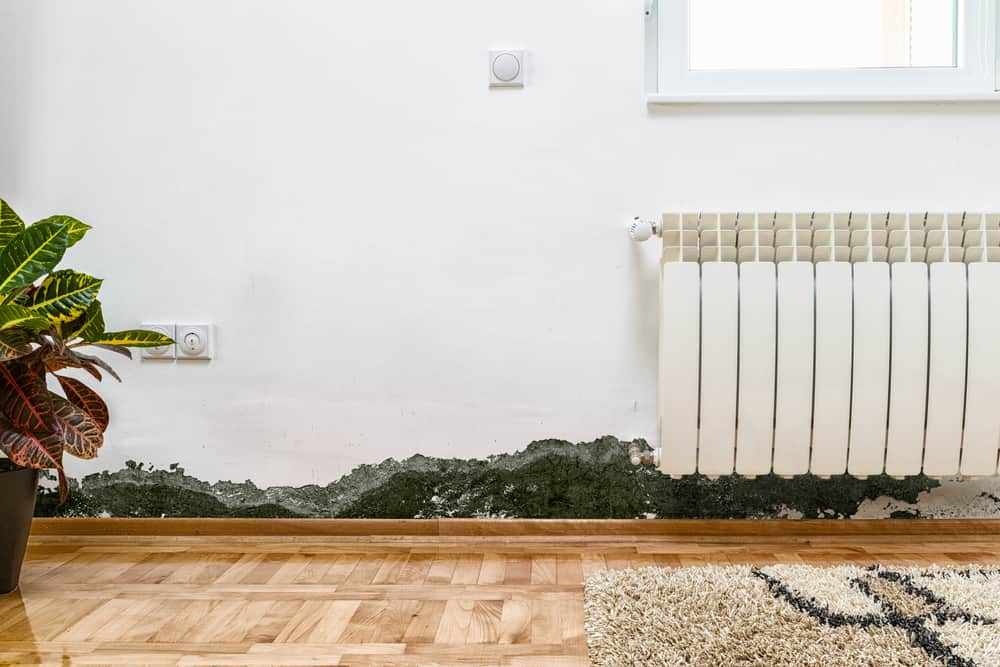
Most of the homes in Port Jefferson Station were built during the suburban boom of the 1950s and 60s, right after Nesconset Highway opened up the area to development. That era of construction came with vented crawl spaces, older foundation systems, and drainage designs that were never built to handle the kind of moisture Long Island’s North Shore throws at them every summer. When humidity off Long Island Sound pushes into an unventilated crawl space or an aging basement wall, mold doesn’t take long to follow.
What professional mold remediation in Port Jefferson Station actually gives you is the ability to breathe easier literally. Mold exposure is linked to chronic coughing, worsening asthma, and respiratory irritation that often gets blamed on allergies or seasonal illness. Families with kids in the Comsewogue School District have come to us thinking their child’s recurring symptoms were just part of living near the water. Sometimes the real issue was in the basement the whole time.
Beyond the health side, there’s the financial reality. Homes in Port Jefferson Station are worth real money detached single-family houses are averaging over $749,000. Mold found during a home inspection doesn’t just delay a sale, it can kill it. Getting ahead of the problem with documented, certified remediation protects what you’ve built here.
Licensed Mold Remediation Company, Port Jefferson Station
We’ve been working in Port Jefferson Station homes since the early 1990s. That means we’ve been in basements off Terryville Road, crawl spaces in Woodhull Estates, and attics in homes along Route 112 long before most of the companies showing up in your search results existed. This isn’t a franchise operation running templated playbooks. It’s a locally rooted company that knows exactly what the housing stock in Port Jefferson Station looks like from the inside.
The owner, Richard Peterson, holds personal New York State licenses in both mold assessment and mold remediation contracting dual licensure that puts accountability at the top, not buried in a corporate layer. Every technician on our team is individually IICRC-certified, which means the people doing the work in your home have been formally trained and tested, not just supervised by someone who was.
When you call us, you’re not getting rerouted to a dispatch center two counties away. You’re reaching a team that’s been serving Suffolk County homeowners through every storm, every season, and every type of mold problem this area produces.
Mold Cleanup and Remediation Process, Port Jefferson Station
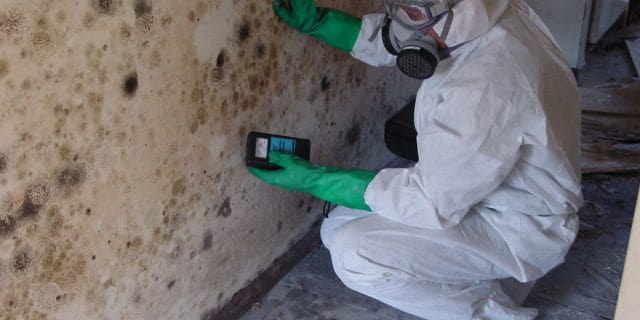
It starts with a thorough assessment. Before anything gets touched, we identify where the mold is, how far it’s spread, and critically where the moisture is coming from. In Port Jefferson Station, that source is almost always one of a few things: a vented crawl space pulling in humid summer air, a foundation wall that’s developed a crack over 60-plus years, or an attic with inadequate ventilation trapping condensation under the roof deck. Skipping this step is why mold comes back after a cheap fix.
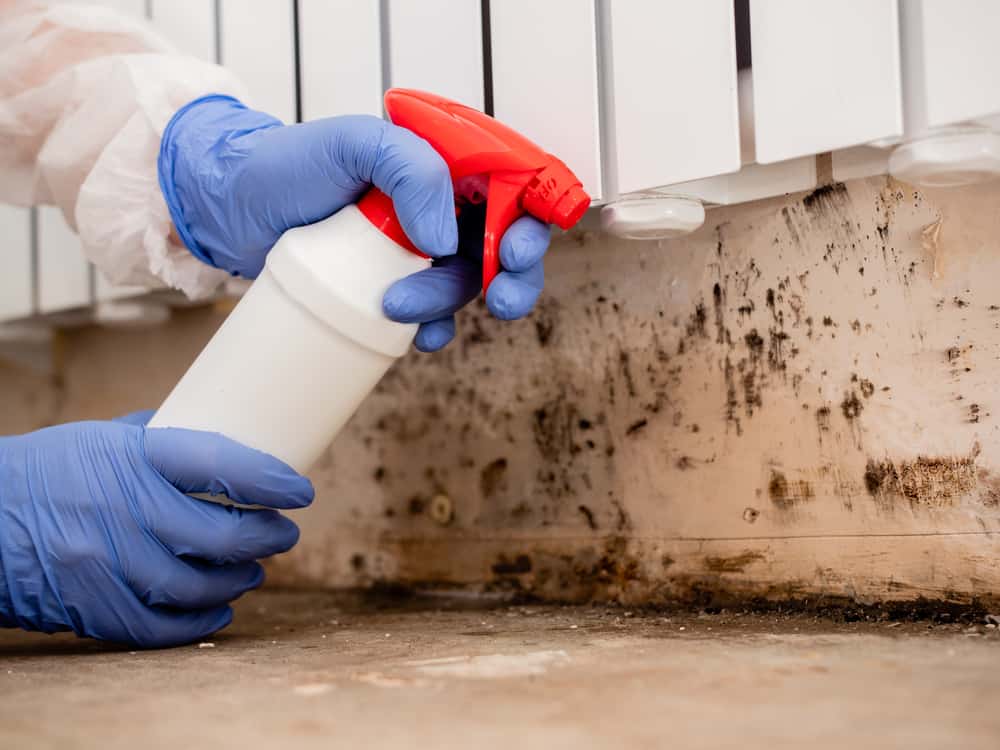
Once the source and scope are mapped, we set up proper containment to make sure mold spores don’t spread to unaffected areas of your home during removal. New York State’s Article 32 mold law governs how this work gets done, and we operate in full compliance which matters for your insurance claim and for any future real estate transaction involving the property. Contaminated materials are removed, affected surfaces are treated with antimicrobial agents, and the area is dried to industry standards.
The job isn’t done when the remediation is done. Post-remediation verification independent air quality testing confirms that spore counts are back to normal before we close out the project. You get documentation you can hand to a buyer’s attorney, an insurance adjuster, or just keep for your own peace of mind.
Ready to get started?
Basement and Attic Mold Remediation, Port Jefferson Station NY
Basement mold remediation in Port Jefferson Station typically runs between $500 and $3,000 for surface-level contamination, and can reach $10,000 or more when structural materials like framing or subfloor are involved. Attic mold remediation one of the most common findings in the ranch and split-level homes throughout this area generally falls between $1,500 and $9,000 depending on the size of the attic and how far the growth has spread across the roof sheathing. Crawl space remediation averages $500 to $4,000, and can go higher if encapsulation is also needed to address the underlying moisture problem.
These ranges exist because every job is different. What doesn’t change is the scope of what’s included: moisture mapping, full containment setup, removal of contaminated materials, antimicrobial surface treatment, structural drying, and post-remediation air quality verification. Our integrated cleaning division handles the final cleanup, so you’re not left coordinating a second contractor after the remediation team leaves something none of the other mold companies serving Port Jefferson Station offer under one roof.
If your situation involves an insurance claim which is common when mold follows a storm event or a plumbing failure we document the damage in the format insurers actually need. Suffolk County homeowners dealing with the aftermath of events like the August 2022 rainfall that hit northern Long Island hard know how quickly water damage can turn into a mold problem. We’ve been through enough of those cycles to know exactly what adjusters look for.
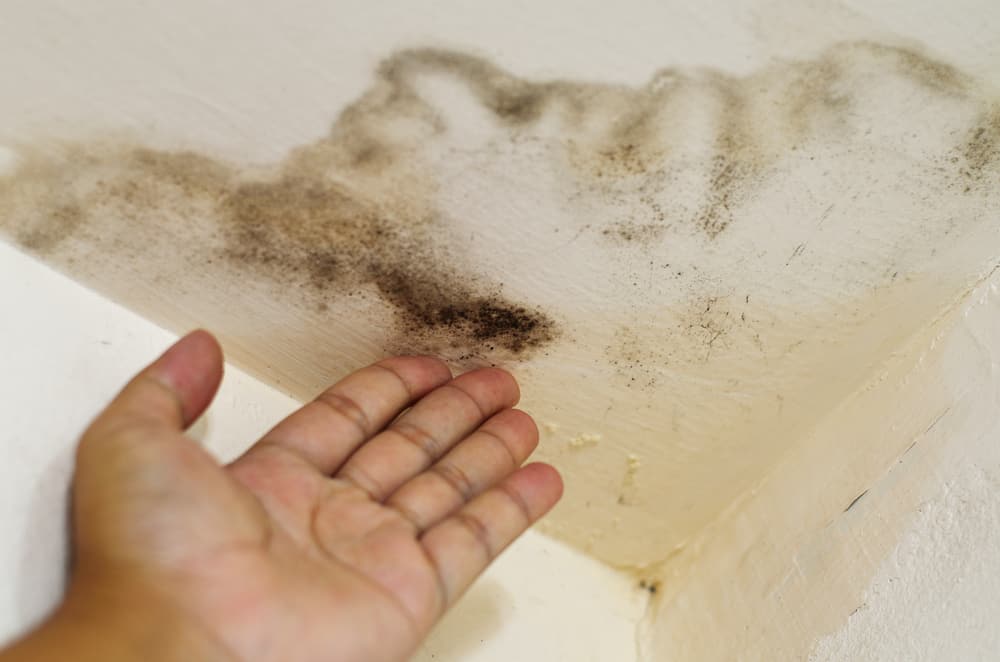
Does homeowner's insurance cover mold remediation in Port Jefferson Station, NY?
It depends on what caused the mold, not just that mold exists. If the mold resulted from a sudden and accidental event a burst pipe, an appliance failure, or storm-driven water intrusion most standard homeowner’s policies will cover remediation. If it developed slowly over time from a foundation crack that was never addressed or a crawl space that’s been taking on humidity for years, insurers typically classify that as a maintenance issue and deny the claim.
Port Jefferson Station sits in FEMA flood zone X, which means flood insurance isn’t mandatory and a lot of homeowners here are underinsured for water-related events. If you’re filing a claim, the documentation matters as much as the damage itself. We prepare the moisture readings, photo evidence, and written scope in the format insurance adjusters need, which significantly reduces the back-and-forth that can delay or derail a claim. Getting that paperwork right from the start is something we’ve been doing for Suffolk County homeowners for over three decades.
How much does professional mold remediation cost in Port Jefferson Station?
Most residential mold remediation projects in Port Jefferson Station fall somewhere between $1,200 and $4,000, with the national average sitting around $2,347. Where your project lands in that range depends on where the mold is, how far it’s spread, and whether structural materials need to come out. Attic mold in a mid-century ranch one of the most common calls we get in this area can run $1,500 to $9,000 depending on attic size and how long the growth has been active. Crawl space remediation typically runs $500 to $4,000, and goes higher if encapsulation is part of the fix.
What changes the number most is scope, not the company you hire. Any estimate that comes in dramatically lower than these ranges without a clear explanation of what’s excluded should raise a flag. We provide written estimates before any work starts, explain exactly what we found and why each step is necessary, and don’t expand the scope beyond what the situation actually calls for.
What is the difference between mold remediation and mold removal?
“Mold removal” implies you can simply take mold out of a home and be done with it. The reality is that mold spores are always present in the air indoors and out. What remediation does is bring indoor spore levels back to normal, remove contaminated materials that can’t be salvaged, treat affected surfaces, and most importantly address the moisture source that allowed mold to grow in the first place.
If you only remove what’s visible without correcting the underlying moisture problem, the mold comes back. That’s the cycle a lot of Port Jefferson Station homeowners get stuck in, especially in homes with vented crawl spaces or aging foundation walls that keep taking on water. True remediation follows the IICRC S520 standard, which governs everything from containment setup to post-remediation verification. When someone offers to “remove your mold” without mentioning moisture control or clearance testing, that’s a sign the job won’t hold.
How do I know if my Port Jefferson Station home has mold I can't see?
Hidden mold is more common than most homeowners expect, especially in homes built in the 1950s and 60s that make up most of Port Jefferson Station’s residential neighborhoods. The signs aren’t always visible. A persistent musty smell in your basement, unexplained allergy-like symptoms that get worse when you’re home, or water stains on walls and ceilings that appeared after a wet season are all indicators worth taking seriously.
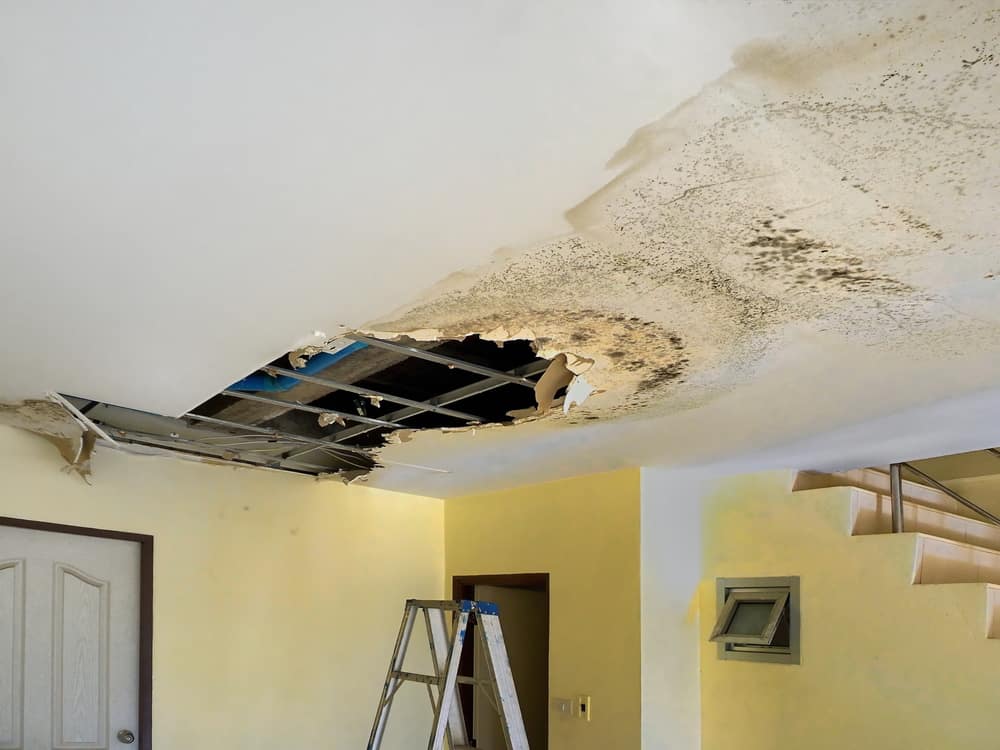
Attics are a particularly common hiding spot in the ranch and split-level homes throughout Port Jefferson Station. Poor ventilation combined with Long Island’s humid summers creates ideal conditions for mold to develop on the underside of roof sheathing completely out of sight until a home inspector or remediation professional takes a look. If you’ve had any water intrusion in the last few years, or if your home has a vented crawl space that hasn’t been assessed recently, a professional moisture inspection is worth doing before the problem becomes a larger remediation project.
Can I stay in my house during mold remediation?
In most cases, yes but it depends on the location and extent of the mold, and how sensitive your household is to airborne irritants. If the remediation is contained to a crawl space, attic, or a single basement area, and proper containment barriers are in place, most families can remain in the home during the work. We set up negative air pressure containment that prevents spores from migrating into living spaces, which is a standard part of every project we run.
Where we’d advise you to make other arrangements is when mold is present in a central HVAC system, in a large portion of the living area, or when someone in the household has asthma, a compromised immune system, or significant mold sensitivity. Families with young children especially those attending Comsewogue schools sometimes choose to stay elsewhere for the duration just to be safe, and that’s a completely reasonable call. We’ll give you an honest read on your specific situation before work begins so you can plan accordingly.
How do I verify that a mold remediation contractor in New York is actually licensed?
New York State’s Article 32 mold law has required licensure for all mold assessors and mold remediation contractors since January 1, 2016. The NYS Department of Labor maintains a public license lookup tool where you can search any contractor’s name or license number and confirm their status in real time. It takes about two minutes and tells you exactly what you need to know before signing anything.
This matters more than most homeowners realize. Hiring an unlicensed contractor in New York isn’t just a legal risk for the contractor it can create problems for you. Insurance companies have denied mold remediation claims when the work was performed by an unlicensed operator, and the remediation itself may not be legally valid for purposes of a real estate transaction. In a market like Port Jefferson Station, where homes are selling at $700,000-plus and buyers’ attorneys are reviewing every disclosure, having documentation from a properly licensed contractor isn’t optional it’s protection. Richard Peterson holds personal NYS licenses in both mold assessment and mold remediation contracting, and those license numbers are available for verification anytime.
Useful Links
Other Services we provide in Port Jefferson Station