
Mold Remediation in Riverside, NY
When the Peconic River Comes Indoors, It Doesn't Leave Quietly
Hear from Our Customers
Certified Mold Remediation Riverside, NY
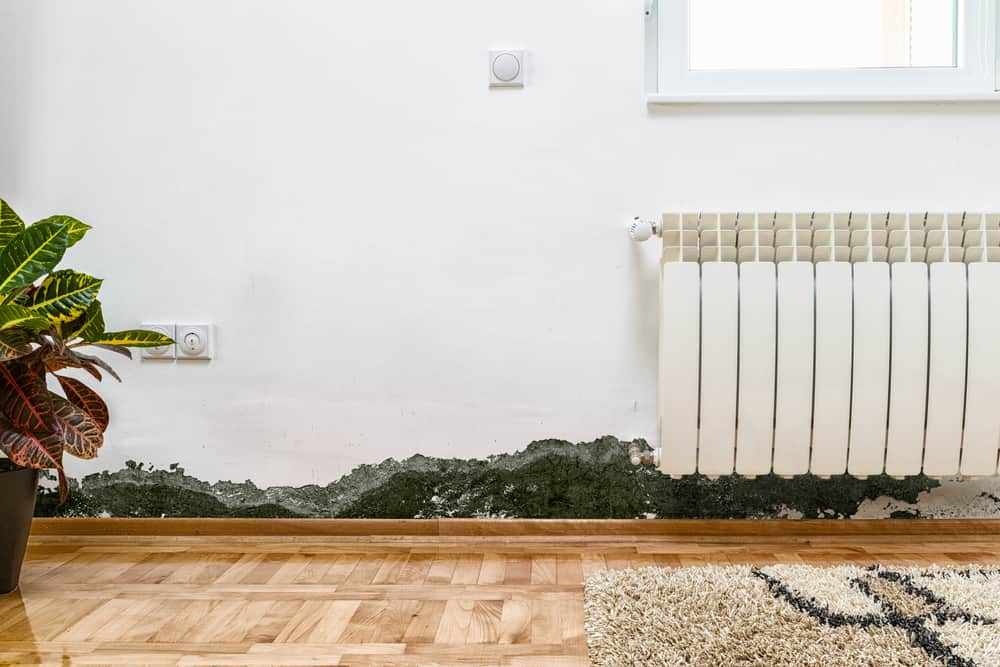
Mold doesn’t announce itself. It grows behind drywall, under flooring, inside crawl spaces and attic framing and in Riverside, where the Peconic River keeps groundwater elevated year-round, it has every condition it needs to spread quietly for months before you notice anything. By the time there’s a smell or a visible patch, it’s rarely limited to what you can see.
What changes after real mold remediation isn’t just the absence of visible growth. It’s the air quality in your home. It’s not waking up congested every morning. It’s knowing that the crawl space under your kids’ bedrooms isn’t cycling mold spores through your HVAC system every time the heat kicks on. Those are the outcomes that matter and they only happen when the work goes beyond surface cleaning.
Riverside’s older housing stock compounds this. Homes with aging insulation, minimal vapor barriers, and foundations that have absorbed decades of moisture from the surrounding soil are high-risk environments not because of anything the homeowner did wrong, but because of where they live and what the houses were built with. Addressing that reality honestly, and fixing it completely, is what makes the difference between mold that stays gone and mold that comes back in six months.
Licensed Mold Remediation Company Riverside, NY
First Response Restoration and Cleaning Inc. has been operating on Long Island for approximately 31 years. That’s not a tagline it’s a track record that includes every major storm that’s pushed the Peconic River above its banks and sent water into basements from Riverside to Hampton Bays and beyond. We’re an owner-operated business, and our owner, Richard Peterson, holds personal New York State licenses in both mold assessment and mold remediation individually issued credentials you can verify through the NYS Department of Labor before you ever sign anything.
Every technician on our team carries IICRC certification, meaning the people physically working in your home have been formally trained and tested against the industry’s own standard for mold remediation. That’s not a company-wide badge. It’s an individual credential each person earns.
Riverside sits in Southampton Town but runs on a Riverhead ZIP code, shares schools with Riverhead, and sits right on the border of two municipalities at the Route 24 traffic circle. We know this area not from a coverage map, but from three decades of showing up here and handling the specific moisture challenges Riverside residents face.
Professional Mold Remediation Process Riverside, NY
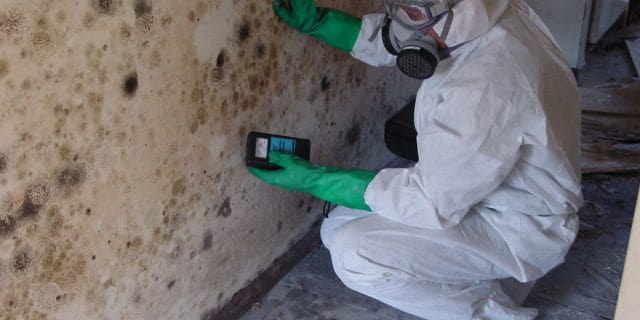
The first step is always assessment not a quick visual scan, but a thorough inspection that identifies every moisture source contributing to the problem. In Riverside, that often means checking crawl spaces and basement foundations for groundwater intrusion tied to the Peconic River corridor, not just looking at the visible mold patch that prompted the call. You can’t fix mold without fixing what’s feeding it, and skipping this step is the reason so many remediation jobs fail within a year.
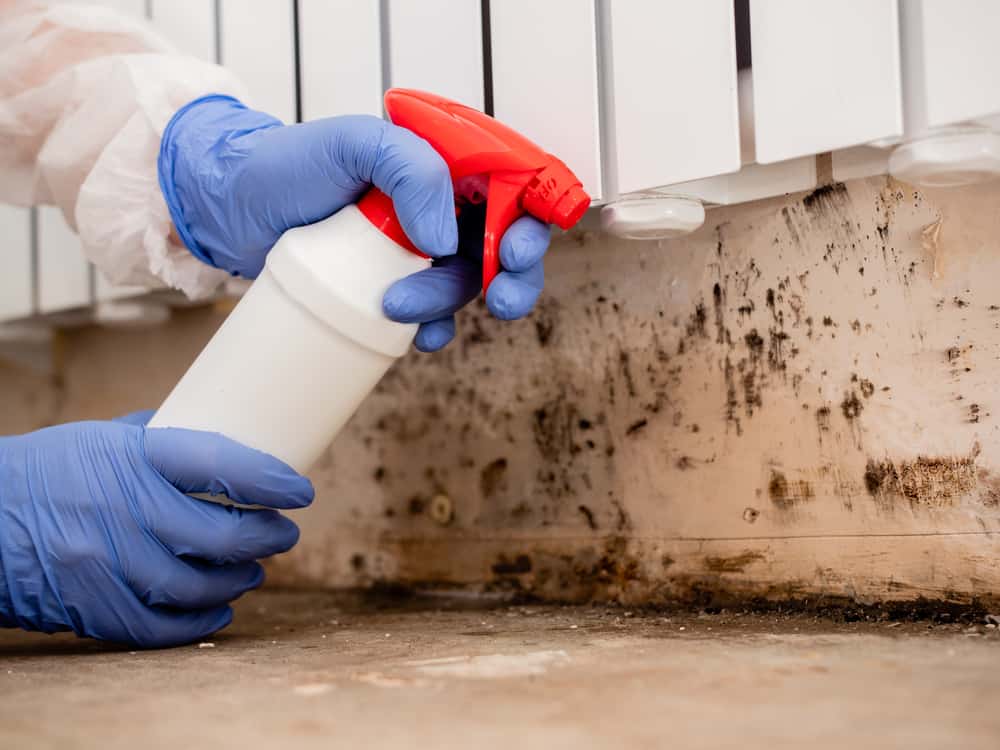
Once the assessment is complete, containment goes up. Affected areas are isolated using physical barriers and negative air pressure to prevent spores from spreading to clean parts of the home during the work. Contaminated materials drywall, insulation, framing in severe cases are removed and disposed of properly. Remaining surfaces are treated with EPA-registered antimicrobial agents. Structural drying follows, using commercial-grade equipment until moisture readings return to safe levels.
Under New York State’s Article 32 licensing law, the company performing the assessment cannot be the same company performing the remediation a consumer protection rule worth knowing before you hire anyone. We operate in full compliance with this requirement. After the work is done, post-remediation air quality testing confirms that spore counts have returned to normal, and you receive written documentation of the result something you’ll need if this involves an insurance claim or a real estate transaction.
Ready to get started?
Mold Damage Repair and Cleanup Riverside, NY
Mold remediation in Riverside, NY covers more ground than most homeowners expect when they first call. Beyond the visible growth, the work typically includes moisture mapping of the full structure, containment setup, removal of contaminated building materials, antimicrobial treatment of affected surfaces, structural drying, and post-remediation verification testing. Our integrated cleaning division handles the final cleaning of all affected areas and contents so you’re not coordinating a second company after the remediation crew leaves.
Basement and crawl space mold remediation are among the most common calls we receive in this area, and for good reason. Riverside’s proximity to the Peconic River keeps groundwater levels elevated in ways that inland Suffolk County communities don’t experience to the same degree. Attic mold remediation is the other frequent scenario Long Island’s East End humidity regularly runs above 80 percent in summer, and inadequate attic ventilation in older homes creates exactly the conditions mold needs to establish itself in roof framing and sheathing.
For most residential projects in the New York market, professional mold remediation runs approximately $1,223 to $3,754, with an average around $2,347. Attic remediation ranges from $1,500 to $9,000 depending on size and contamination extent. Crawl space work typically falls between $500 and $4,000. Basement remediation ranges from $500 to $3,000 for surface mold and can exceed $10,000 when structural materials are involved. We provide written estimates before any work begins no vague ranges, no surprises after the job is done.
Does mold remediation in Riverside, NY require a licensed contractor by law?
Yes and this is one of the most important things to verify before hiring anyone. New York State enacted Article 32 of the Labor Law, effective January 1, 2016, which makes mold remediation licensing a legal requirement statewide not a voluntary credential. Any contractor performing mold remediation in Riverside without a valid NYS Mold Remediation Contractor License is operating illegally, and hiring one can have real consequences for you, including a denied insurance claim if the work wasn’t performed by a properly licensed professional.
There’s also a built-in consumer protection you should know about: the same company cannot legally perform both the mold assessment and the mold remediation on the same project under Article 32. This separation is designed to prevent conflicts of interest. Before signing any contract, ask for the contractor’s license number and verify it through the NYS Department of Labor’s public license lookup. Richard Peterson, our owner, holds personal NYS licenses in both mold assessment and mold remediation and we’ll give you the numbers to check before you commit to anything.
How much does mold remediation typically cost for a Riverside, NY home?
Cost depends on a few key factors: how large the affected area is, where the mold is located in the structure, whether it’s inside walls or structural materials versus on a surface, and whether the moisture source requires correction as part of the job. For most residential projects in the New York market, you’re looking at roughly $1,223 to $3,754, with the average sitting around $2,347. Attic mold remediation tends to run $1,500 to $9,000 depending on attic size and how far the contamination has spread into roof framing. Crawl space remediation typically falls between $500 and $4,000. Basement mold ranges from $500 to $3,000 for surface-level growth and can exceed $10,000 when structural materials are involved.
In Riverside specifically, the moisture conditions tied to Peconic River proximity mean crawl space and basement jobs often involve more extensive moisture source correction than a comparable job in a drier, inland community. That can affect scope and cost. What shouldn’t vary is transparency: you should always receive a written estimate before any work begins, with a clear breakdown of what’s included. If a company won’t give you that before starting, that’s a red flag worth taking seriously.
What's the difference between mold remediation and mold removal in Riverside, NY?
“Mold removal” implies taking mold away entirely which isn’t actually how it works. Mold spores are naturally present in the environment, including indoors, at low levels. The goal of professional mold remediation isn’t to eliminate every spore from your home; it’s to bring indoor mold levels back to normal, safe concentrations and remove the conditions that allowed mold to grow out of control in the first place. Remediation is a process containment, removal of contaminated materials, antimicrobial treatment, structural drying, and post-remediation verification not a single cleaning step.
The distinction matters practically because companies that advertise “mold removal” without addressing the underlying moisture source are setting you up for a repeat problem. In Riverside, where elevated groundwater from the Peconic River corridor and the East End’s persistent summer humidity create ongoing moisture pressure on older homes, remediation that doesn’t include moisture source correction is a temporary fix at best. The work has to address why mold grew there in the first place otherwise it comes back, and you’re paying for the same job twice.
Can mold in my basement spread to the rest of my Riverside home?
It can, and it does more often than most homeowners expect. Mold reproduces by releasing spores into the air, and those spores travel through your home’s air circulation system. If your HVAC system draws air from a moldy basement or crawl space, it distributes spores to every room with a vent. This is one of the reasons basement and crawl space mold remediation in Riverside shouldn’t be treated as a low-priority issue just because the mold is “out of sight.”
The risk is compounded by the way Riverside homes are built. Many of the older homes in this area have crawl spaces or basements that weren’t designed with modern vapor barriers or drainage systems, which means moisture intrusion from the surrounding soil elevated by the Peconic River water table is an ongoing condition rather than a one-time event. Once mold establishes itself in that environment, it has a consistent food source and moisture supply. Containment during remediation is critical for this exact reason: without proper isolation of the affected area, the remediation process itself can spread spores to clean parts of the home if it’s not handled correctly.
Will homeowner's insurance cover mold remediation costs in New York?
It depends on the cause of the mold, and the answer varies more than most people realize. Generally speaking, homeowner’s insurance in New York covers mold remediation when the mold resulted from a sudden, covered event a burst pipe, an appliance failure, storm-related water intrusion. What it typically does not cover is mold that developed gradually over time due to ongoing moisture issues, poor ventilation, or deferred maintenance. The distinction between “sudden and accidental” and “long-term neglect” is where most claim disputes happen.
For Riverside homeowners, this is worth understanding carefully. If a nor’easter pushed water into your basement through the Peconic River corridor and mold developed within weeks, that’s a scenario with a reasonable path to a covered claim. If the crawl space under your home has been accumulating moisture for years without intervention, that’s a harder case. We help customers document damage in the format insurance companies require and assist with the claims process from initial documentation through settlement. Knowing what your policy actually covers and having the right documentation from a licensed contractor makes a significant difference in what you recover.
How do I know if the mold in my home is black mold, and does it change what needs to happen?
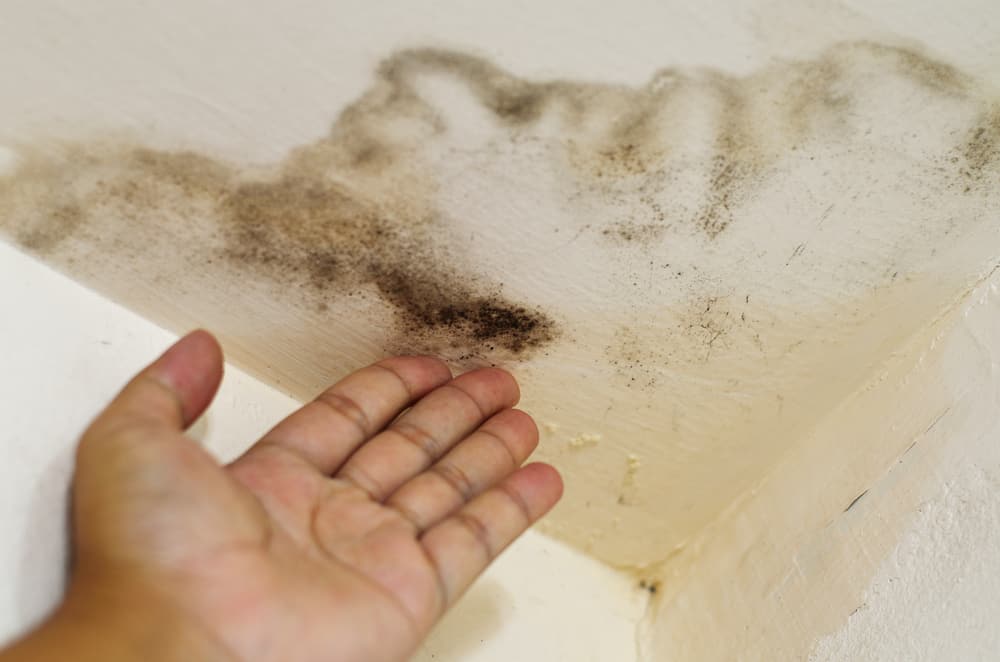
The term “black mold” gets used loosely, and it creates a lot of unnecessary panic and sometimes the opposite problem, where homeowners assume a lighter-colored mold is less serious and delay acting on it. Stachybotrys chartarum is the species most commonly called black mold, and it does require the same professional remediation process as any other mold species. But color alone doesn’t tell you what you’re dealing with. Many mold species appear black, green, gray, or white depending on the surface and moisture conditions, and visual identification without lab testing isn’t reliable.
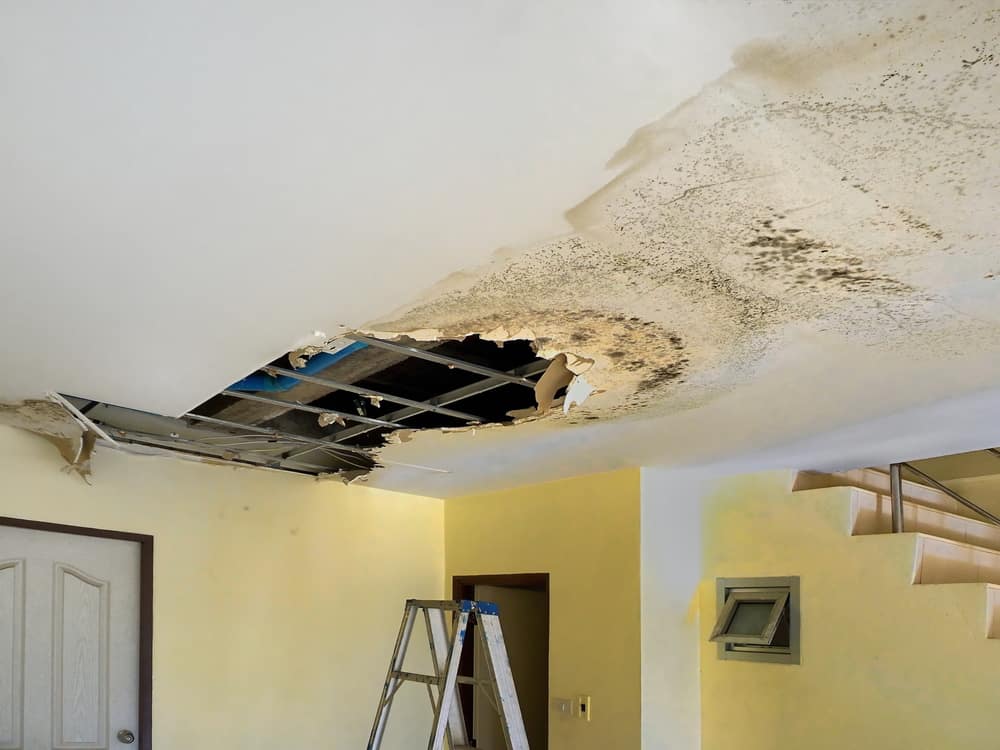
What actually determines the scope of the work is not the species but the extent of the contamination how large the affected area is, whether it’s penetrated porous materials like drywall or wood framing, and what the underlying moisture source is. In Riverside, where older homes near the Peconic River have often had years of unaddressed moisture intrusion, it’s not uncommon for what looks like a small surface patch to indicate a much larger problem inside a wall cavity or beneath a subfloor. A proper assessment not just a visual check is the only way to know what you’re actually dealing with and what the remediation needs to include.
Useful Links
Other Services we provide in Riverside