
Mold Remediation in Roslyn, NY
Historic Homes, Harbor Humidity, and Mold That Hides Deep
Hear from Our Customers
Certified Mold Remediation Roslyn NY
When mold is properly remediated not just surface-wiped, but fully removed at the source you stop worrying every time it rains. You stop wondering what’s growing behind that wall. You get your home back, and you get documentation that proves it.
For Roslyn homeowners, that documentation matters more than most people realize. With median sale prices reaching $1.5 million, a mold problem that surfaces during a home inspection doesn’t just delay a closing it can collapse a deal entirely. Buyers walk. Attorneys get involved. The premium you’ve built into this property, in this school district, in this neighborhood, starts to erode fast. Proper remediation with written, lab-backed clearance reports is what protects that investment.
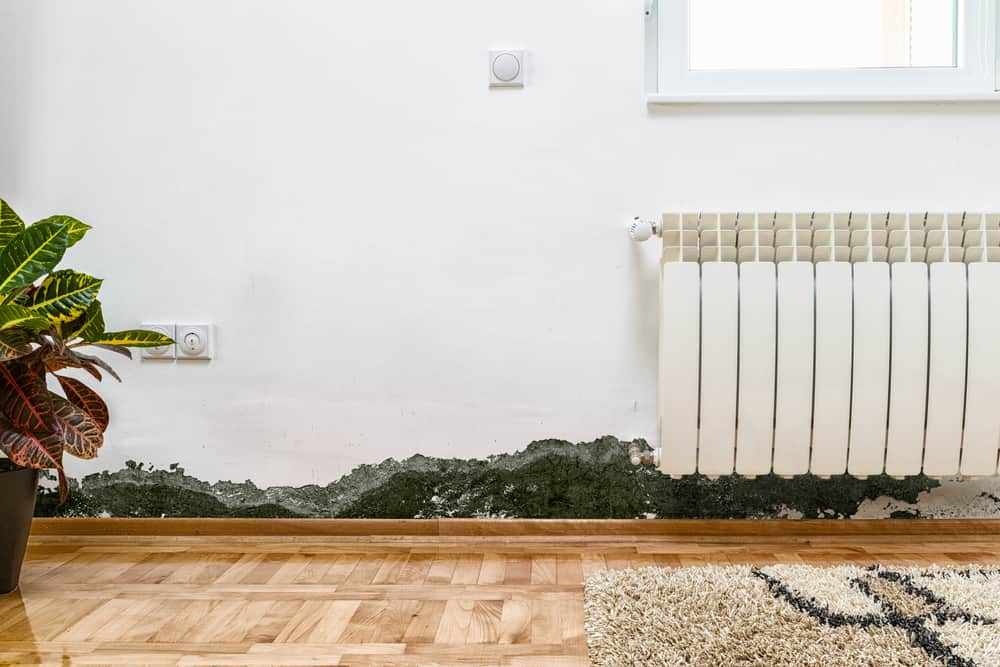
The other piece that’s specific to living in Roslyn is the environment itself. Hempstead Harbor keeps ambient humidity elevated throughout the summer, and the village’s housing stock much of it built before modern vapor barriers and drainage systems existed absorbs that moisture in ways newer construction simply doesn’t. When the source of the moisture isn’t identified and fixed, mold comes back. Every time. What you need isn’t just a company that removes what’s visible. You need one that finds what’s hidden, fixes the root cause, and hands you the paperwork to prove the job was done right.
Mold Remediation Companies Roslyn NY
We’ve been serving Nassau County homeowners for nearly 30 years. That’s not a tagline it’s a track record that only holds up if the work holds up. In a market where franchises open and close and out-of-area operators chase storm work, longevity means something.
We know the North Shore. We know what aging plumbing looks like inside a Roslyn colonial. We know what happens to unventilated attics when harbor humidity sits at 70% for three straight months. We’ve worked in homes along Old Northern Boulevard and off Warner Avenue, and we understand that remediating a home with 19th-century lath-and-plaster walls requires a different level of care than working in a 1990s subdivision.
Every technician not just the company holds individual IICRC certification. When someone arrives at your door, they’ve personally met the industry’s highest training standard. And every truck arrives fully equipped, so the work starts immediately, not after a second trip across Nassau County.
Professional Mold Remediation Process Roslyn NY
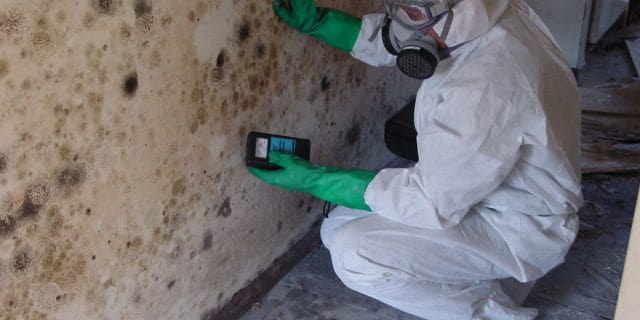
It starts with a 13-point mold inspection not a walk-through and a verbal opinion. The inspection includes air testing, swab sampling, infrared thermal imaging to detect mold hiding behind walls and under floors, moisture level measurement throughout the structure, and a comparison of internal and external mold particle counts. Lab results come back within 2 to 3 business days, and everything is documented in writing.
One thing worth knowing: New York State law prohibits the same company from both assessing a mold problem and performing the remediation. This law exists specifically to protect you from companies that inflate findings to generate work. We comply fully and will explain exactly how this process works before anything begins because you should understand what you’re agreeing to.
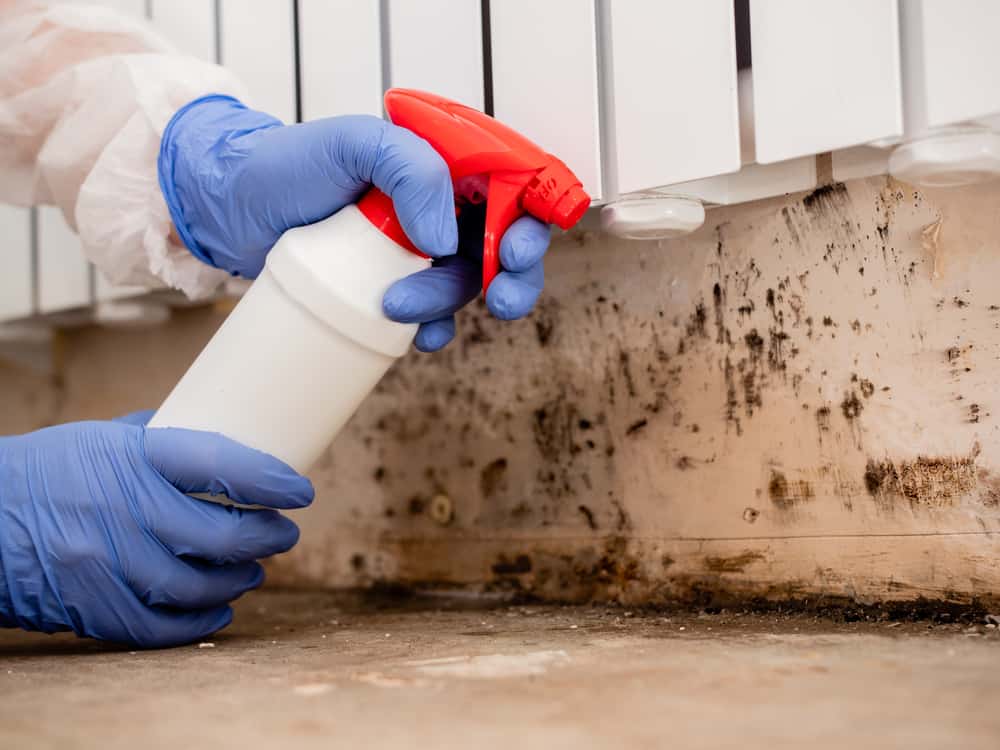
Once the scope is confirmed, the remediation begins with full containment to prevent cross-contamination, followed by removal of affected materials, treatment of the underlying structure, and HEPA air filtration throughout the work area. For Roslyn’s older homes where mold behind original plaster or inside stone foundation walls is a real possibility this phase requires patience and precision, not speed. After remediation, we handle reconstruction of affected areas, so you’re not left coordinating between two separate contractors. The final clearance report gives you documented proof that the space is clean the kind of documentation that satisfies buyers’ attorneys, insurance carriers, and home inspectors.
Ready to get started?
Basement and Attic Mold Remediation Roslyn NY
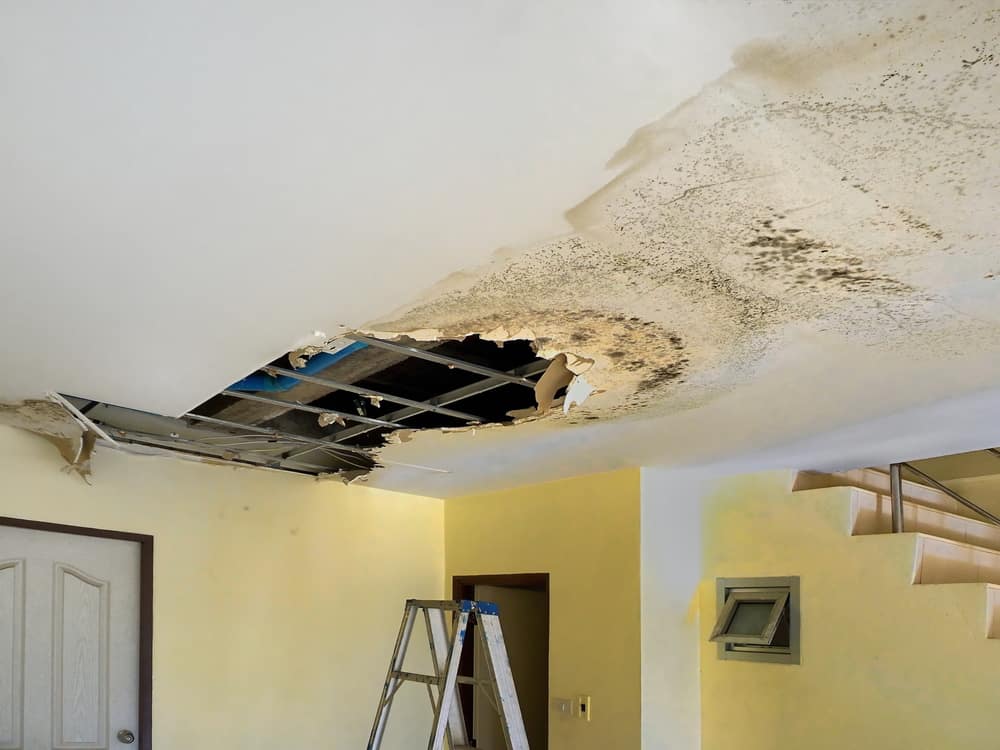
Mold doesn’t stay in one place, and the inspection doesn’t either. Our scope covers basements, crawl spaces, attics, wall cavities, and any area where moisture has created the conditions for growth. In Roslyn, those areas tend to follow predictable patterns. Basements in homes near the Mill River watershed deal with elevated groundwater and seasonal flooding that creates persistent moisture problems. Crawl spaces in older village homes often have no vapor barriers and dirt floors ideal mold conditions that go undetected for years. Attics in North Shore homes frequently develop mold from inadequate ventilation, where warm air from the living space condenses against the underside of original roof sheathing.
Black mold remediation gets a lot of attention, and for good reason certain mold species are genuinely hazardous. But the type of mold matters less than the extent of the growth and the source of the moisture feeding it. We identify both, treat accordingly, and document the outcome regardless of species.
For homeowners in the middle of a real estate transaction which in Roslyn’s active luxury market is a common scenario the timeline and paperwork matter as much as the remediation itself. We understand that urgency and work within it. And for homes with historic architectural details, the reconstruction phase is handled with the same care as the remediation because restoring a home to its original condition is part of what makes this service worth calling for in the first place.
Does mold remediation in Roslyn, NY require any permits or village approvals?
Interior mold remediation itself typically doesn’t require a building permit in Roslyn. However, if the remediation reveals that structural repairs are needed or if addressing the moisture source requires exterior work like roof repair, foundation drainage, or wall penetrations you may need to pull permits through the village. For homes within Roslyn’s historic district, any exterior alterations may also require review by the village’s Architectural Review Board before work begins.
This is one reason having a company that handles both remediation and reconstruction under one roof matters. We manage the full scope of the project, which means we can coordinate any permitting requirements without you having to track down a separate contractor mid-project. If your home falls within the historic district boundaries, that’s worth flagging at the start of the inspection so the process is set up correctly from day one.
How much does mold remediation typically cost for a Roslyn home?
The national average for mold remediation runs around $2,300, with typical projects falling between $1,200 and $3,800. But in Roslyn, several factors tend to push costs toward the higher end of that range or beyond it. Older homes with lath-and-plaster walls, stone foundations, or unfinished crawl spaces often have more extensive hidden mold than modern construction, which means more material removal and more careful reconstruction. Large homes with significant square footage, attic mold from ventilation issues, or whole-house contamination can reach $10,000 or more.
The more useful framing for a Roslyn homeowner isn’t “how cheap can I get this done” it’s “what does it cost if I do this wrong.” A remediation that misses the moisture source means the mold returns. A remediation without proper documentation means a buyer’s attorney can still hold up your closing. Doing it right the first time, with lab results and a clearance report, is the investment that actually protects a $1.5 million property.
What causes mold in Roslyn basements and crawl spaces specifically?
The combination of older construction and coastal geography makes Roslyn basements and crawl spaces particularly vulnerable. Homes in the lower-lying portions of the village especially those near the Mill River watershed sit in areas with elevated groundwater levels, which means moisture can push through original stone or brick foundations without any visible leak. Add Hempstead Harbor’s ambient humidity, and you have a basement environment that stays damp even without a plumbing failure or storm event.
Crawl spaces in older Roslyn homes are often the worst offenders. Many were built without vapor barriers, with exposed dirt floors, and with minimal ventilation. Moisture evaporates from the ground, has nowhere to go, and condenses on wood framing sometimes for years before anyone notices. The mold that develops in these spaces can be extensive by the time it’s discovered. This is exactly why our inspection includes infrared imaging and moisture monitoring, not just a visual check because in Roslyn’s older housing stock, what you can see is rarely the whole picture.
Can I stay in my house during mold remediation in Roslyn?
It depends on the size and location of the affected area. For a contained mold problem say, a section of a basement or a single bathroom staying in the home during remediation is often possible. We use full containment barriers and negative air pressure to prevent mold spores from spreading to unaffected areas, which significantly reduces the risk of cross-contamination in the rest of the house.
For larger remediation projects whole-house mold, attic contamination that affects the living space below, or situations involving black mold in central areas temporary relocation is typically the safer choice, particularly for households with children, elderly residents, or anyone with respiratory sensitivities. If you’re uncertain, that’s a conversation to have at the inspection stage, before work begins. We’ll give you a straight answer based on what the inspection actually shows, not a blanket policy that applies to every job regardless of scope.
How does Roslyn's coastal humidity affect mold growth in older homes?
Mold needs moisture, and Hempstead Harbor provides it consistently. During the summer months, relative humidity along the North Shore regularly exceeds 60% the threshold at which mold growth accelerates. For homes with basements, crawl spaces, or attics that aren’t actively dehumidified, that ambient moisture is enough to sustain mold growth even without a plumbing leak or storm event.
The compounding factor in Roslyn is the age of the housing stock. Original wood framing, plaster walls, and stone or brick foundations are highly porous they absorb and retain moisture in ways that modern materials with vapor barriers and synthetic insulation don’t. A home that’s been sitting in elevated coastal humidity for 80 or 100 years has had decades to accumulate moisture in places that are difficult to inspect and difficult to dry out. This is why summer is peak mold season on the North Shore, and why homeowners in Roslyn often discover mold problems during routine renovations or home inspections that expose wall cavities or crawl spaces for the first time.
What's the difference between mold removal and mold remediation in Roslyn, NY?
Mold removal typically refers to physically cleaning or removing visible mold scrubbing a surface, pulling out a section of drywall, applying a biocide. It addresses what you can see. Mold remediation is a broader, more structured process that includes identifying the moisture source, containing the affected area to prevent spread, removing contaminated materials, treating the underlying structure, filtering the air, and verifying through testing that the space has returned to normal mold levels.
In a place like Roslyn where older homes have complex construction, hidden cavities, and persistent moisture exposure from the harbor environment removal without remediation often means the problem comes back within months. The moisture source is still there. The spores that weren’t visible are still there. Real remediation addresses the full picture, not just the part that’s easy to see. And in a market where your home’s value and your ability to sell it are directly tied to a clean inspection report, a documented remediation with lab-backed clearance is what actually protects you not a surface clean and a handshake.
Useful Links
Other Services we provide in Roslyn