
Mold Remediation in Sag Harbor, NY
When You Open the House and the Smell Hits You First
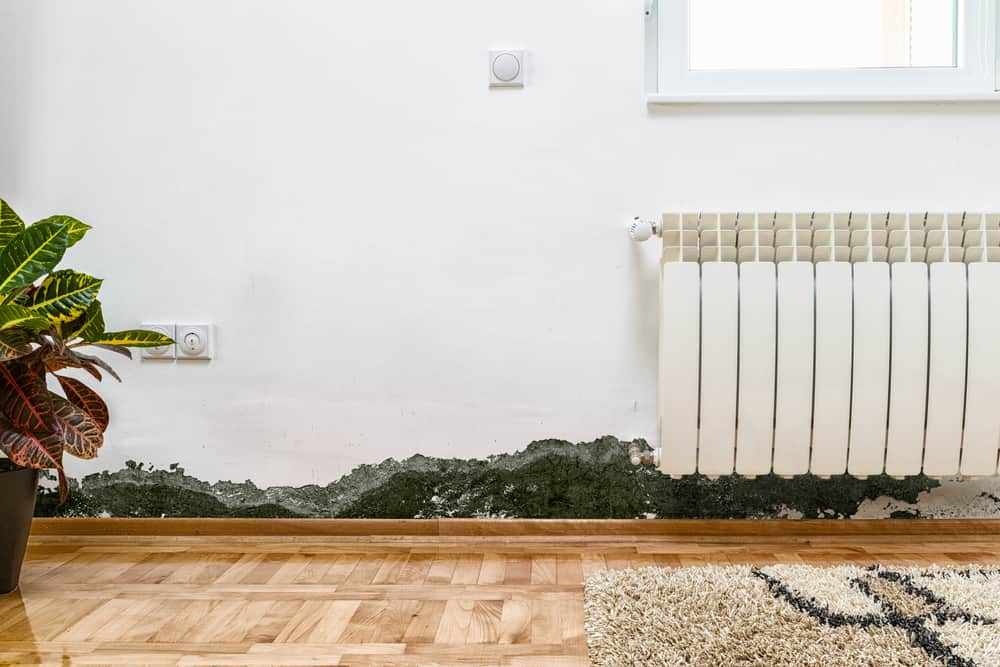
Hear from Our Customers
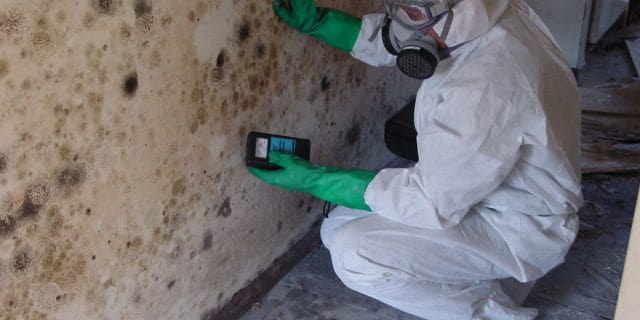
Certified Mold Remediation in Sag Harbor, NY
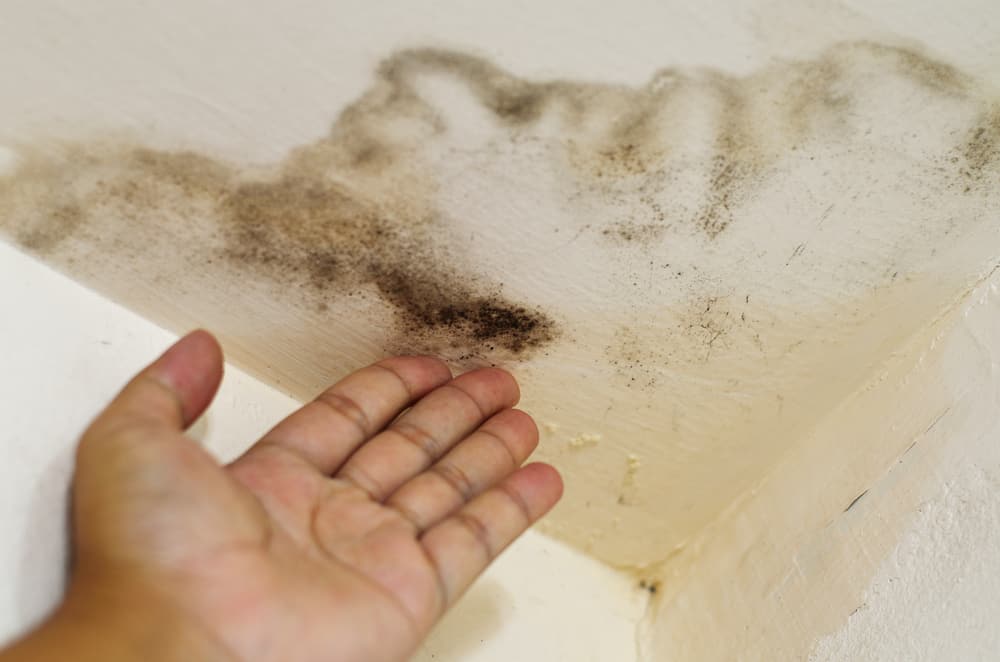
Mold in a Sag Harbor home isn’t just a cosmetic issue. It affects the air your family breathes, the structural integrity of your property, and in a real estate market where homes trade at $2 million and above the financial outcome of any future sale. When mold remediation is done right, you get more than a clean surface. You get documentation, confidence, and a home that’s actually safe to be in.
Sag Harbor’s environment works against you in ways that most homeowners don’t fully appreciate until the damage is already done. The village sits between Upper Sag Harbor Cove and Gardiners Bay, which means salt-laden marine air is a constant not a seasonal inconvenience. That persistent coastal humidity accelerates mold growth inside wall cavities, crawl spaces, and HVAC systems faster than it would in an inland community. Add in the fact that nearly 28% of Sag Harbor’s housing was built before 1939, and you’re dealing with structures that were never designed with modern moisture controls in mind.
For seasonal homeowners closing up their properties each fall, the risk compounds every winter the house sits sealed. No dehumidification, no airflow, no one to notice when moisture starts building behind the walls. By the time you arrive in late April, the mold may have had four or five months to spread. The right remediation doesn’t just clean what’s visible it corrects the conditions that let it grow in the first place, so you’re not dealing with the same problem again next year.
Professional Mold Remediation in Sag Harbor, NY
We’ve been working on Long Island for approximately 31 years, which means we’ve seen what coastal conditions do to homes over time especially on the South Fork, where the combination of salt air, aging housing stock, and seasonal occupancy creates a mold risk profile unlike anywhere else on the island.
What sets us apart isn’t just the tenure. Our owner, Richard Peterson, holds personal New York State licenses in both mold assessment and mold remediation. That’s not a company credential sitting in a file somewhere it’s a named individual who is personally accountable for every job in Sag Harbor. Every technician on our team is IICRC-certified, which means the people walking into your historic colonial near Main Street or your waterfront property in North Haven have been trained and tested to the industry’s highest standard.
We also operate 24 hours a day, 7 days a week. In a village where 34% of properties carry a documented severe flood risk and nor’easters don’t wait for business hours, that availability isn’t a marketing line it’s a practical necessity.
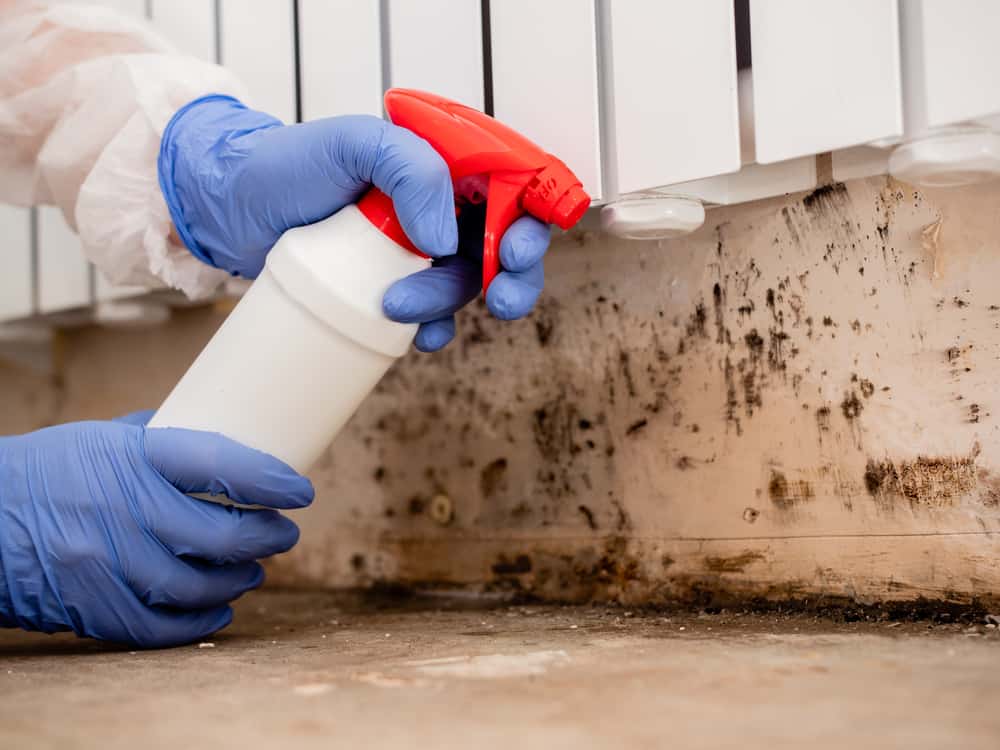
Mold Cleanup and Remediation in Sag Harbor, NY
The first step isn’t removing mold it’s finding out why it’s there. Before anything gets cleaned or treated, we conduct a full moisture assessment to identify every source of water intrusion or humidity buildup. In Sag Harbor’s older homes, that could be a failed crawl space vapor barrier, a compromised attic ventilation system, a slow roof leak, or condensation that’s been accumulating in a sealed space all winter. Skipping this step is why mold comes back. We don’t skip it.
Once the source is identified and addressed, containment goes up to prevent cross-contamination. HEPA air filtration runs throughout the process. Affected materials drywall, insulation, framing, flooring are removed and disposed of properly. Antimicrobial treatment is applied to all affected surfaces. If your project involves exterior access points or structural repairs on a property within Sag Harbor’s historic district, we’re aware of the Village’s Board of Historic Preservation and Architectural Review requirements and can factor that into your project timeline accordingly.
After the remediation is complete, independent post-remediation verification confirms that mold spore counts have returned to normal. You get a clearance report the kind that satisfies a buyer’s attorney, a lender, or an insurance adjuster. That documentation matters in this market. It’s the difference between a real estate closing that happens and one that doesn’t.
Ready to get started?
Black Mold Remediation in Sag Harbor, NY
Mold remediation in Sag Harbor, NY covers the full scope not just the visible growth, but everything behind it. That means containment setup, HEPA air scrubbing, safe removal of contaminated materials, antimicrobial treatment, structural drying where needed, and post-remediation verification with a written clearance report. Our integrated cleaning division means the property gets finished not left in a state where you still need to find someone else to make it livable again.
Basement mold remediation and crawl space mold remediation are among the most common calls we receive in this area, given how many pre-war homes in Sag Harbor lack proper vapor barriers and sub-floor ventilation. Attic mold remediation is equally common, particularly in homes where HVAC systems have been shut down improperly before a seasonal closure. Emergency mold remediation is available around the clock because water intrusion from a coastal storm doesn’t follow a Monday-through-Friday schedule, and mold can establish within 24 to 48 hours of a water event.
For homeowners managing high-value properties in Sag Harbor Hills, Azurest, Ninevah, or along the waterfront in North Haven, the clearance documentation we produce at the end of every project is especially important. Whether you’re preparing for a real estate transaction, filing an insurance claim, or simply making sure your family’s summer home is safe to be in the paperwork is part of the job, not an optional add-on.
Is mold common in Sag Harbor homes that have been closed all winter?
It’s one of the most consistent patterns we see in this area. When a seasonal home gets sealed up in October or November with no active climate control and no dehumidification running, moisture accumulates in the spaces no one is watching crawl spaces, attics, wall cavities, and HVAC systems that sit idle for months. By the time the property gets opened in late April or May, mold may have been growing unchecked since the first cold snap.
The problem isn’t just that the mold exists it’s that it often spreads further than what’s visible. A musty smell when you walk in doesn’t always tell you how far the contamination has gone. In homes built before 1939, which make up nearly 28% of Sag Harbor’s housing stock, the wall assemblies and crawl space conditions make this especially likely. A professional assessment at the start of the season is the most reliable way to know what you’re actually dealing with before your family moves back in.
How much does mold remediation cost in Sag Harbor, NY?
For most residential projects, professional mold remediation runs somewhere between $1,200 and $3,800 depending on the size of the affected area, the type of materials involved, and how far the contamination has spread. Larger infestations particularly in older homes with compromised crawl spaces or attics, which are common in Sag Harbor’s pre-war housing stock can reach $10,000 or more when structural materials need to be removed and replaced.
What drives cost up more than anything is delayed response. Mold that’s had months to spread through a closed seasonal home requires significantly more work than mold caught early. The other factor worth knowing: homeowner’s insurance may cover remediation when the mold results from a sudden and accidental event, like storm flooding or a burst pipe. We help navigate that claim directly especially important in a coastal property that may carry both homeowner and flood insurance. A written estimate before any work starts is standard, so you know exactly what you’re committing to.
What's the difference between mold remediation and mold removal in Sag Harbor?
Mold removal typically refers to cleaning visible mold off surfaces wiping it down, scrubbing it out, applying a spray. It addresses what you can see. Mold remediation is a broader, more structured process that includes identifying the moisture source, containing the affected area to prevent cross-contamination, removing compromised materials, treating surfaces with antimicrobial agents, and verifying through independent air quality testing that the problem has been fully resolved.
In Sag Harbor’s coastal environment, the distinction matters a lot. Salt air and persistent humidity mean that surface-level treatment without addressing the underlying moisture source is almost guaranteed to result in mold returning sometimes within the same season. True mold remediation follows the IICRC S520 standard, which is the industry benchmark for how this work should be done. If a contractor is quoting you a mold removal job without mentioning moisture assessment or post-remediation verification, that’s worth paying attention to.
Does mold remediation in Sag Harbor require a New York State license?
Yes, and this is one of the most important questions you can ask before hiring anyone. Under New York State’s Article 32 mold licensing law, which has been in effect since January 1, 2016, it is illegal to perform mold remediation without a valid state-issued license. This applies everywhere in New York, including the Village of Sag Harbor regardless of whether the property is in the historic district or not.
The law also prohibits the same company from performing both the mold assessment and the mold remediation on the same project, which is a consumer protection measure designed to prevent conflicts of interest. Before you sign anything, ask for the contractor’s NYS mold remediation license number and verify it through the Department of Labor’s online lookup. Richard Peterson holds personal licenses in both mold assessment and mold remediation meaning the accountability sits with the individual at the top of the organization, not just a company registration.
Can mold in a crawl space spread to the rest of my Sag Harbor home?
Yes, and it does so more readily than most homeowners expect. Crawl spaces are one of the most common mold origination points in Sag Harbor’s older homes many of which have dirt floors, inadequate vapor barriers, and limited ventilation that were never updated to meet modern moisture management standards. Once mold establishes in a crawl space, spores travel upward through gaps in the subfloor, through HVAC systems, and through any penetration in the structure.
In a home that’s been closed for winter, this process happens without anyone present to notice the early signs a musty smell, condensation on lower-level windows, discoloration near floor registers. By the time the seasonal opening happens, what started as a crawl space problem may have spread to the living areas above. Crawl space mold remediation in Sag Harbor should always include vapor barrier assessment and correction as part of the scope, not just treatment of the visible growth. Without addressing the underlying moisture conditions, the problem will return.
How do I get a mold clearance report for a Sag Harbor real estate closing?
A mold clearance report is produced at the end of the post-remediation verification process. After all remediation work is complete, independent air quality testing is conducted to confirm that mold spore counts in the affected areas have returned to normal levels. The results are documented in a written report that identifies what was found, what was done, and what the post-remediation air quality readings showed.
In Sag Harbor’s real estate market where homes regularly trade at $2 million and above this document carries real financial weight. Buyers, their attorneys, and their lenders want confirmation that a mold issue has been fully resolved, not just cleaned up cosmetically. A proper clearance report from a licensed, IICRC-certified contractor is what keeps a transaction on track. We include post-remediation verification as a standard step on every project it’s not an upsell, it’s how the job gets closed out properly.
Useful Links
Other Services we provide in Sag Harbor