
Mold Remediation in Shelter Island, NY
When You Return to the Island and Find the Problem
Hear from Our Customers
Professional Mold Remediation Shelter Island NY
The air smells normal again. The basement doesn’t have that damp, heavy feeling when you open the door. And you’re not sitting on the mainland wondering what’s happening inside a home you can’t easily get to on a Tuesday afternoon. That’s what proper mold remediation in Shelter Island actually delivers not just a cleaned surface, but a resolved problem.
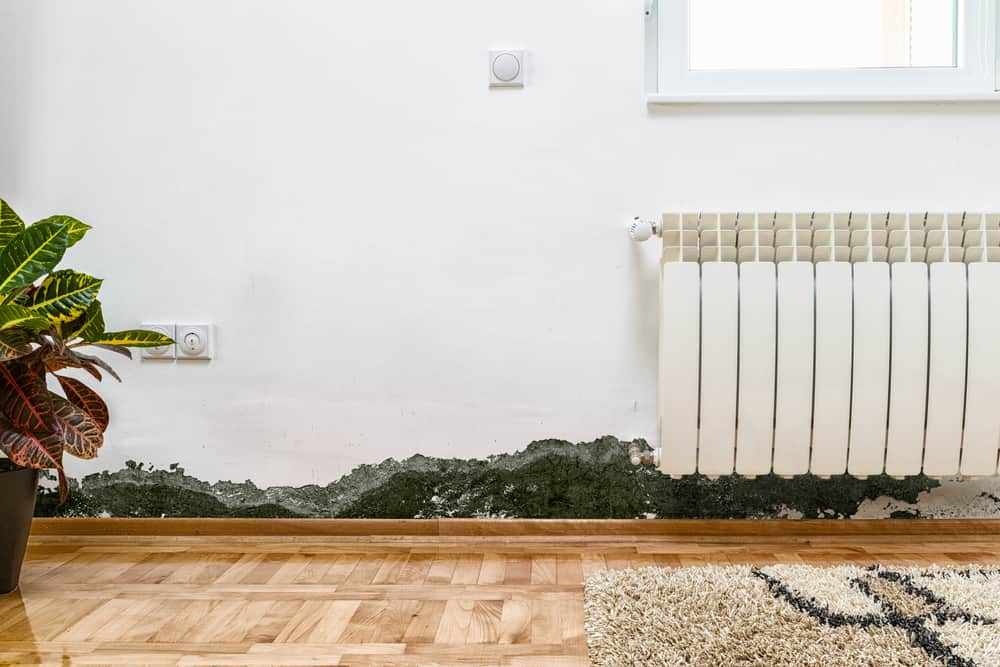
Shelter Island’s humidity peaks at 81% in May and June, and the island is surrounded by open water on all sides. There’s no inland buffer here. Every property on Shelter Island whether it’s a historic cottage in Shelter Island Heights or a waterfront home off West Neck Road is exposed to that moisture pressure year-round. When a home sits unoccupied from September through May, that sustained humidity finds every weak point: unventilated crawl spaces, aging roof flashing, original 1970s framing that was never designed with modern moisture control in mind.
What you get after a thorough remediation isn’t just cleaner walls. It’s a home that’s been assessed at the source where the moisture came from, why it stayed, and what’s been done to stop it from coming back. If you’re managing a high-value property from off-island, that’s the outcome that actually matters. Not a surface treatment you’ll be calling about again next spring.
Certified Mold Remediation Companies Shelter Island NY
Richard Peterson, the owner of First Response Restoration and Cleaning Inc., holds personal New York State licenses in both mold assessment and mold remediation under Article 32 of the NYS Labor Law. That’s not a credential filed away in a corporate folder somewhere it’s his name, his license number, and his direct accountability on every job. Every technician on our team is individually IICRC-certified, meaning the people who cross the ferry and walk into your Shelter Island home have been formally trained and tested, not just supervised by someone who is.
We’ve been working across Long Island for approximately 31 years. That includes the full range of what coastal Suffolk County can do to a building storm-driven water intrusion, chronic humidity in older homes, the specific deterioration patterns that salt air accelerates in properties near open water. Shelter Island’s housing stock, with a median construction year of 1974, sees all of those conditions at once.
This isn’t a company that figured out island logistics on the day of your job. Our team comes prepared, travels via ferry the same way every contractor on Shelter Island does, and gets the work done with the kind of accountability that comes from an owner who’s personally licensed and present.
Mold Cleanup and Remediation Shelter Island NY
It starts with a thorough assessment not a quick visual scan, but an actual inspection that traces moisture back to its source. On Shelter Island, that source is often something that went undetected during a long vacancy: a slow pipe drip in the basement, a failed sump pump, a cracked foundation wall that let groundwater in during a nor’easter while the home sat empty. Finding the mold is the easy part. Understanding why it’s there is what determines whether it comes back.
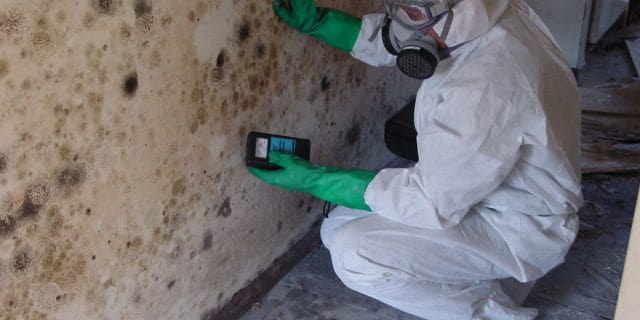
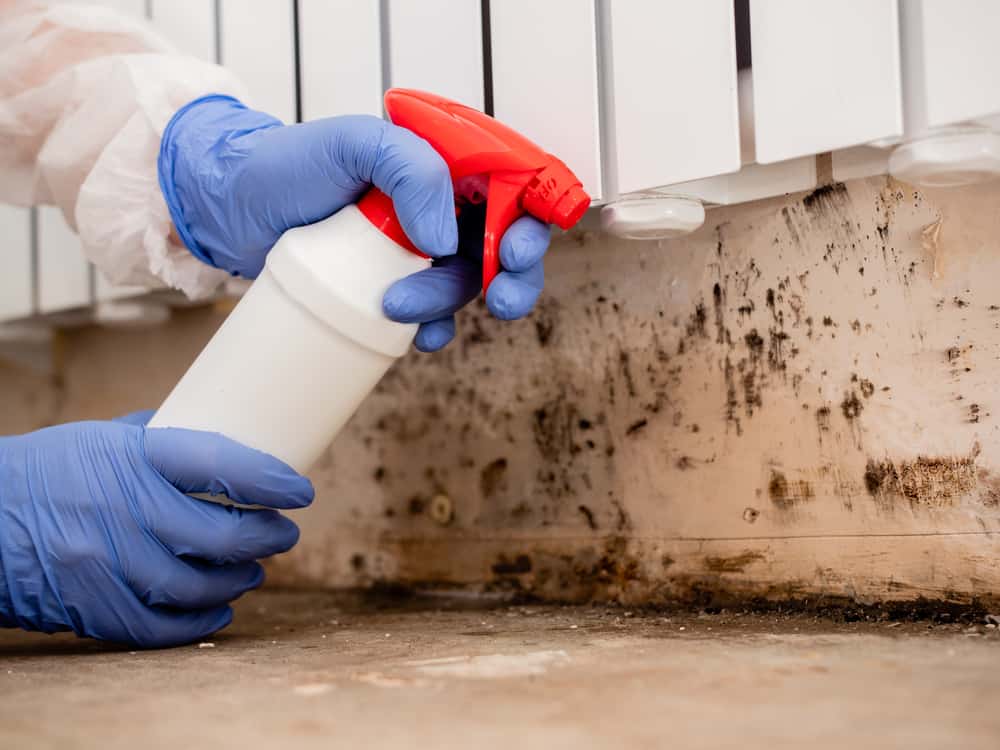
Once the source is identified, the affected area is properly contained to prevent spores from spreading to unaffected parts of the home. Contaminated materials are removed following the IICRC’s S520 standard the industry benchmark for professional mold remediation. Antimicrobial treatment is applied to all affected surfaces. Then the space is dried and stabilized. Because many Shelter Island homes are older and carry original architectural elements worth preserving, we work carefully around historic materials rather than defaulting to demolition.
After the remediation is complete, air quality testing is conducted to confirm that mold spore counts have returned to normal levels. That produces a written clearance report documentation you can actually use for an insurance claim, a real estate closing, or simply your own peace of mind. New York State’s Article 32 mold licensing law applies fully to all work we perform on Shelter Island, and every step of this process is completed in full compliance with those requirements.
Ready to get started?
Basement and Attic Mold Remediation Shelter Island NY
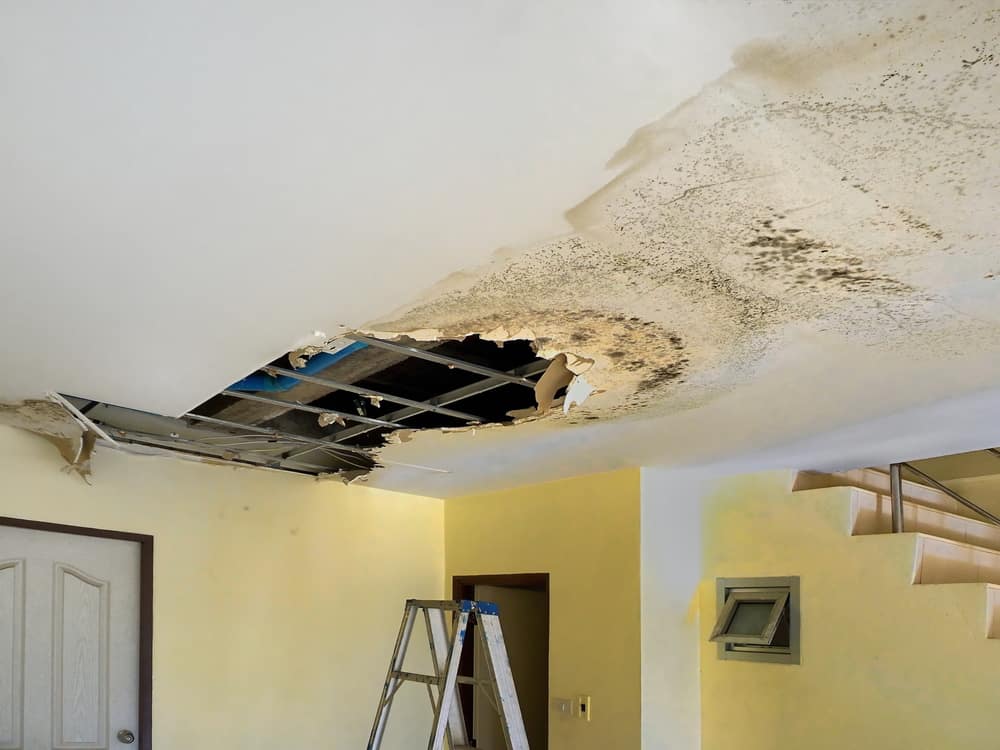
Mold remediation in Shelter Island covers the full structure not just the visible spots. Attic mold is especially common in the island’s older homes, where original ventilation systems weren’t designed to handle today’s humidity loads. When an attic isn’t properly ventilated, heat and moisture accumulate against the roof sheathing and framing, and mold follows. We address both the growth and the ventilation conditions that allowed it.
Crawl space mold remediation is another frequent need here. Many of Shelter Island’s homes were built before vapor barrier standards were common practice, and unencapsulated crawl spaces sitting beneath a home that’s been closed up for the winter are exactly the kind of environment mold thrives in. Basement mold remediation follows the same principle especially in seasonal homes where a boiler malfunction or slow leak can go unnoticed for weeks before anyone returns to the property.
What makes our approach different from hiring a general contractor is scope and accountability. Our integrated cleaning division handles the complete cycle: assessment, containment, removal, drying, antimicrobial treatment, and final cleaning of all affected surfaces and contents. You’re not coordinating multiple vendors across a ferry schedule. One team handles the mold damage repair from start to finish, and the clearance report at the end documents that the job was done right which matters whether you’re filing an insurance claim or preparing for a real estate transaction on a property worth well over a million dollars.
What causes mold in Shelter Island homes that sit empty all winter?
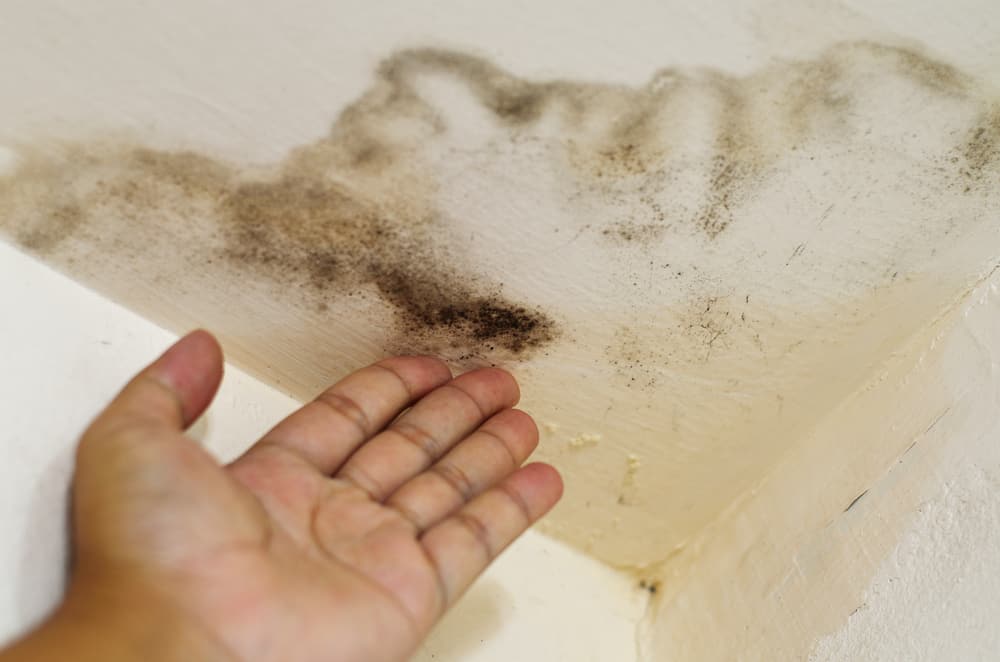
The biggest driver is undetected moisture. When a seasonal home on Shelter Island closes up after Labor Day and doesn’t reopen until spring, there’s no one inside to notice a slow pipe drip, a failed sump pump, a crack in the foundation wall letting groundwater in, or a ventilation fan that stopped working in the attic. Shelter Island’s humidity stays elevated even in the off-season the island is completely surrounded by water, and there’s no inland buffer to moderate the moisture pressure on the building envelope.
Mold begins growing within 24 to 48 hours of water intrusion. A minor leak that goes undetected for even a few weeks during a cold, wet November can produce significant mold growth by the time you return in May. The fix isn’t just removing what grew it’s identifying the moisture source so the same thing doesn’t happen again while you’re away. That’s the piece most surface-level treatments miss entirely.
How much does mold remediation cost in Shelter Island, NY?
Cost depends on where the mold is, how far it’s spread, and whether the moisture source requires structural correction. As a general range, most residential mold remediation projects fall between $1,200 and $3,800. Attic mold remediation in Shelter Island typically runs $1,500 to $9,000 depending on the size of the space and extent of the growth. Crawl space remediation ranges from $500 to $6,000 or more if encapsulation is needed. Basement mold remediation can range from $500 for contained surface mold to well over $10,000 when structural materials are involved.
On Shelter Island specifically, the age of the housing stock matters. Homes built in the 1960s and 1970s which make up a significant portion of the island’s residential inventory often have original framing, older vapor barriers, and ventilation systems that weren’t designed with today’s moisture loads in mind. Those conditions can expand the scope of a remediation compared to a newer build. The best way to get an accurate number is a proper assessment not a phone estimate based on square footage alone.
Is mold remediation in Shelter Island covered by homeowner's insurance?
It depends on how the mold originated. If the mold resulted from a sudden and accidental event a burst pipe, storm-driven water intrusion, an appliance failure your homeowner’s insurance policy will typically cover the remediation. If the mold developed gradually over time due to deferred maintenance or a slow leak that wasn’t addressed, most policies will not cover it. For seasonal properties on Shelter Island, this distinction gets complicated fast, because a leak that started as “sudden” can look like “long-term neglect” by the time it’s discovered months later.
Documentation is everything in these situations. The way the damage is assessed, described, and photographed from the start of the project directly affects how your claim is evaluated. We help customers understand what their policy likely covers, document the damage in the format insurers require, and provide the clearance report after remediation that supports a complete and accurate claim. If you’re managing a claim from off-island, having that documentation handled correctly the first time saves a significant amount of back-and-forth.
Does mold remediation in Shelter Island require a licensed contractor by law?
Yes. New York State’s Article 32 of the Labor Law requires that any person performing mold assessment, mold remediation, or mold abatement work in New York hold a valid state-issued license. This applies everywhere in the state including Shelter Island. There are no exceptions for small communities or island locations. Hiring an unlicensed contractor for mold work puts you at real risk: insurance claims can be denied if the work was performed by an unlicensed operator, and improper remediation inadequate containment, no post-remediation verification can spread mold spores to areas of the home that weren’t originally affected.
Richard Peterson, the owner of First Response Restoration and Cleaning Inc., holds personal NYS licenses in both mold assessment and mold remediation. Those license numbers are verifiable through the NYS Department of Labor’s online lookup. Every technician on our team is also individually IICRC-certified. On Shelter Island, where homeowners are often managing properties from off-island and can’t be on-site to personally vet who’s doing the work, verifiable credentials aren’t a nice-to-have they’re the baseline standard of care.
How long does mold remediation take for a Shelter Island property?
Most residential mold remediation projects take between one and five days, depending on the size of the affected area and the complexity of the moisture issue. A contained basement or crawl space situation in a seasonal home might be resolved in a day or two. A larger attic remediation in one of Shelter Island’s older homes where mold has spread across roof sheathing and framing over an extended vacancy period can take several days, especially if structural drying is needed before the space can be cleared.
Timing matters on Shelter Island in a specific way. If you’re opening the property for the season and found a problem, or if you’re under a real estate transaction deadline, the timeline for remediation directly affects your schedule. We operate 24 hours a day, seven days a year, which means we can mobilize quickly when the situation calls for it whether that’s a Sunday morning call from a property manager or an urgent situation tied to a closing date. Post-remediation air quality testing adds time to the overall project, but it’s also what produces the clearance documentation that closes the loop.
What should I look for when choosing a mold remediation company for my Shelter Island home?
Start with licensing. Any mold remediation contractor working in New York State must hold a valid Article 32 license and you can verify that license number directly through the NYS Department of Labor. Ask whether the company’s owner is personally licensed or whether the license belongs to someone not involved in the actual work. There’s a meaningful difference between a company that has a licensed individual on paper and one where the owner’s name is attached to the credential.
Beyond licensing, look for IICRC certification at the technician level not just a company-level marketing claim, but individual certifications you can verify. Ask whether post-remediation air quality testing is included as a standard step or offered as an add-on. And for Shelter Island specifically, ask whether the company has experience with seasonal properties and the moisture patterns common to island homes. A contractor who doesn’t understand the occupancy dynamics of a home that sits empty from October through May, or the effect of year-round coastal humidity on older building materials, is going to miss things that a more experienced team would catch. Shelter Island’s housing stock, its access logistics, and its specific climate profile are not generic the company you hire shouldn’t be either.
Useful Links
Other Services we provide in Shelter Island