
Mold Remediation in Thomaston, NY
Thomaston Homes Deserve More Than a Surface Fix
Hear from Our Customers
Certified Mold Remediation Thomaston NY
Mold doesn’t just affect air quality it affects what your home is worth. In Thomaston, where median home values exceed $1 million, a mold problem that isn’t fully resolved can quietly chip away at that value. Industry data shows mold can reduce a property’s resale price by 20–37%, and half of buyers walk away entirely once mold history comes up. Getting it handled right, with documentation to prove it, protects both your family and your investment.
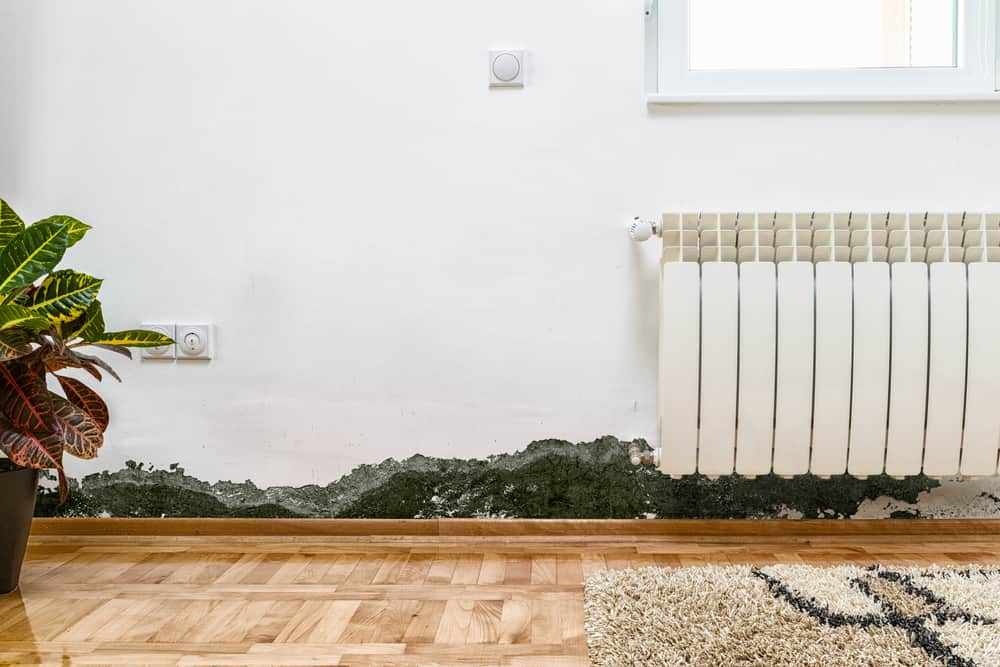
The Great Neck Peninsula geography works against Thomaston homeowners. The village sits surrounded by Manhasset Bay and Little Neck Bay, which means ambient humidity stays elevated throughout the summer well above the 60% threshold where mold growth accelerates. Add in the clay-heavy subsoil left behind by the Wisconsin Glacier, which holds water against foundation walls for days after heavy rain, and you have conditions that make basement and crawl space mold a recurring reality for older homes in this village.
When we handle remediation correctly, you get clean air, written clearance documentation you can hand to a buyer or an insurance adjuster, and a home that isn’t quietly growing the problem back behind the drywall. That’s what a complete job looks like not just treated, but resolved.
Mold Remediation Companies Thomaston NY
First Response Restoration and Cleaning Inc. has been serving Nassau County for close to three decades. We were working in the Thomaston and Great Neck area before many current residents moved in, and we’re still here. That kind of track record in the restoration industry is genuinely rare.
Every technician we dispatch to a Thomaston home is individually IICRC certified not just our company as a whole, but each person on the crew. That distinction matters when someone is walking through your home on Colonial Road or East Shore Road assessing damage. You’re not getting a certified brand name with an uncertified subcontractor. You’re getting a trained professional, every time.
We also handle full reconstruction after remediation, which means you’re not left coordinating a separate contractor to repair what the mold damaged. One call covers the entire process from the first inspection through the final rebuild.
Professional Mold Remediation Process Thomaston NY
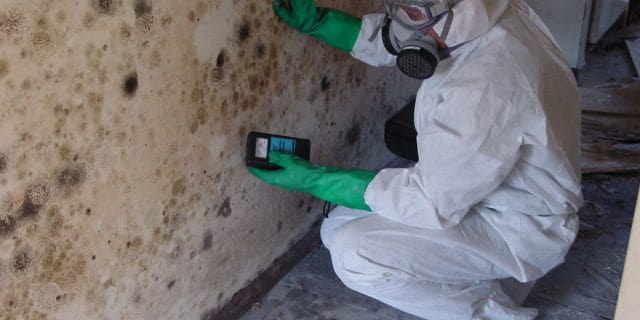
It starts with a 13-point inspection. That includes air testing, swab sampling, infrared imaging to detect moisture hidden behind walls, moisture level measurement, and a comparison of indoor versus outdoor mold particle counts. Everything gets photographed and documented. Lab results come back in writing within 2–3 business days not a verbal estimate, a real report.
From there, the remediation scope is built around what the inspection actually found. In Thomaston, that often means addressing the moisture source first whether it’s water intrusion through an aging foundation, condensation in a poorly ventilated attic in an older Colonial, or a slow leak that’s been feeding mold growth for months. Treating the mold without fixing the source is how mold comes back. That step doesn’t get skipped.
New York State’s Article 32 law requires that the company doing your mold assessment and the company doing your remediation be separately licensed they cannot be the same entity. We operate in full compliance with this requirement, and we’ll explain exactly what that means for your project. After remediation is complete, an independent licensed assessor performs clearance testing. You get written proof that the space is clean the kind of documentation that holds up in a real estate transaction or an insurance claim.
Ready to get started?
Black Mold Remediation Services Thomaston NY
Thomaston’s housing stock tells its own story. The village has pre-war buildings, mid-century Colonials, and Tudors that were constructed long before vapor barriers, modern insulation, and humidity-controlling HVAC systems became standard. These homes have older foundations, unfinished basements, and attic spaces that weren’t designed with today’s moisture loads in mind. Mold remediation here isn’t a one-size approach it has to account for what the building actually is.
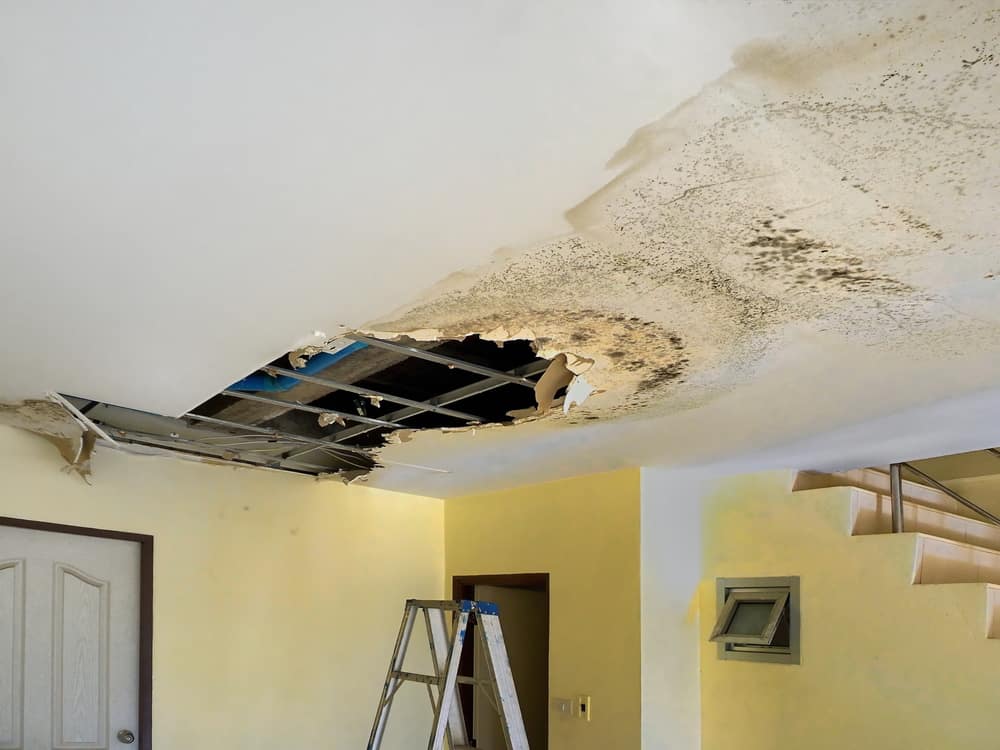
Basement mold remediation is the most common call we receive in Thomaston, and for good reason. The glacially deposited clay subsoil drains slowly, which means moisture sits against foundation walls long after a storm passes. Attic mold remediation is the second most frequent issue, particularly in older Thomaston homes where ventilation is inadequate and summer humidity on the peninsula has nowhere to go. Crawl space mold remediation rounds out the picture for homes with older construction where ground moisture migrates upward without a proper vapor barrier in place.
Every job we do includes the full inspection, lab-confirmed results, remediation to IICRC S520 standards, and written clearance documentation from an independent assessor. If structural repairs are needed after the mold is removed drywall, framing, insulation we handle that too. You don’t need to find a second contractor. The job isn’t finished until the space is restored, not just treated.
What does mold remediation actually cost for a Thomaston home?
Cost depends on where the mold is, how far it’s spread, and what’s behind it. For most residential jobs in Thomaston, you’re typically looking at a range of $1,500 to $6,000 for contained remediation in a single area like a basement or bathroom. Attic-wide or more extensive situations can run $8,000 to $15,000 depending on the scope and the structural repairs involved.
What drives cost up in older Thomaston homes specifically is often what’s hidden. Pre-war and mid-century construction frequently has mold behind plaster walls, inside wall cavities, or under original flooring none of which shows up on a visual inspection alone. That’s why the inspection process matters before any number is quoted. An honest scope built on real findings is always more useful than a low estimate that balloons once the work starts.
How do I know if the mold in my Thomaston home is actually dangerous?
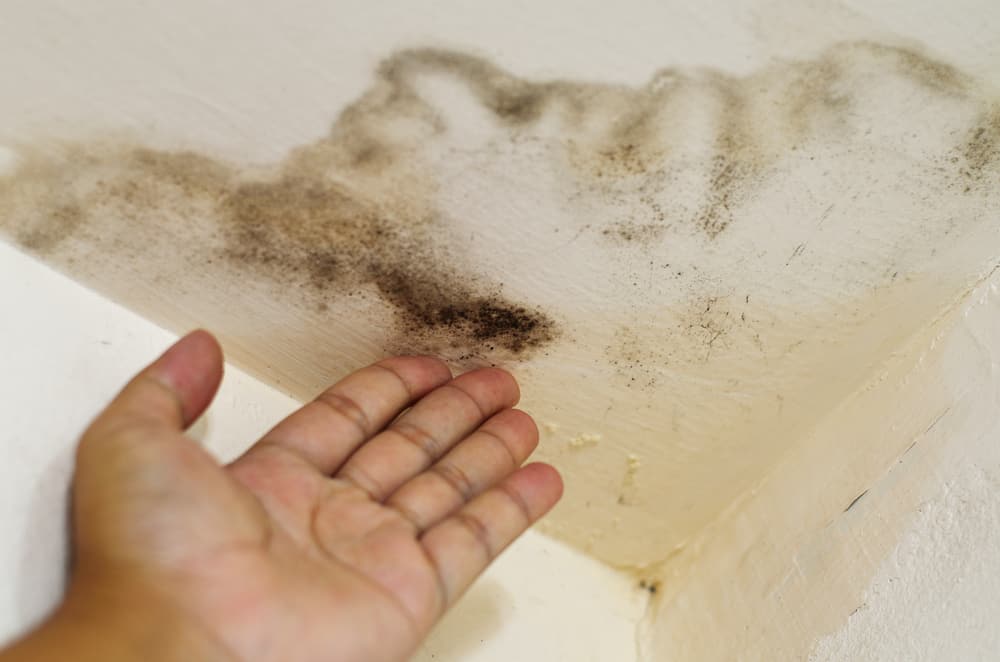
The honest answer is that all mold warrants attention not because every type is equally hazardous, but because any active mold growth signals a moisture problem that will keep spreading if it isn’t addressed. The species of mold matters less than the extent of the growth and where it’s located. Mold inside an HVAC system or in a finished basement with poor airflow is a more urgent situation than surface mold on a bathroom grout line.
For Thomaston households with children in the Great Neck school district or elderly residents roughly 17% of the village’s population is 65 or older the health calculus is straightforward. Mold exposure is documented to trigger respiratory issues, worsen asthma, and affect immune response. The right move is air testing and a proper assessment, not a wait-and-see approach. Lab results tell you exactly what you’re dealing with, and that information is what drives the right remediation decision.
Is mold remediation covered by homeowners insurance in Thomaston, NY?
It depends on the cause. Most standard homeowners insurance policies will cover mold remediation if the mold resulted from a sudden, covered event like a burst pipe, a roof leak after a storm, or water damage from a nor’easter. What they typically won’t cover is mold that developed gradually from a long-term moisture issue or deferred maintenance, which is more common in older homes.
Thomaston homeowners dealing with mold after a storm event and the Great Neck Peninsula gets its share of nor’easters are often in a stronger position for a claim than they realize. The key is documentation: a written inspection report, lab results, and a clear timeline connecting the mold to the covered event. We can help you build that documentation in a format that insurance adjusters can work with, which makes the claims process significantly more straightforward.
What's the difference between mold remediation and mold removal?
Mold removal implies you’re taking the mold out which sounds complete but often isn’t. Mold spores are microscopic and exist naturally in the air. You can’t remove every spore from an environment, and any company claiming they can is overselling. What you can do is bring mold levels back to a normal, non-harmful range and eliminate the conditions that allowed the growth to happen. That’s what remediation actually means.
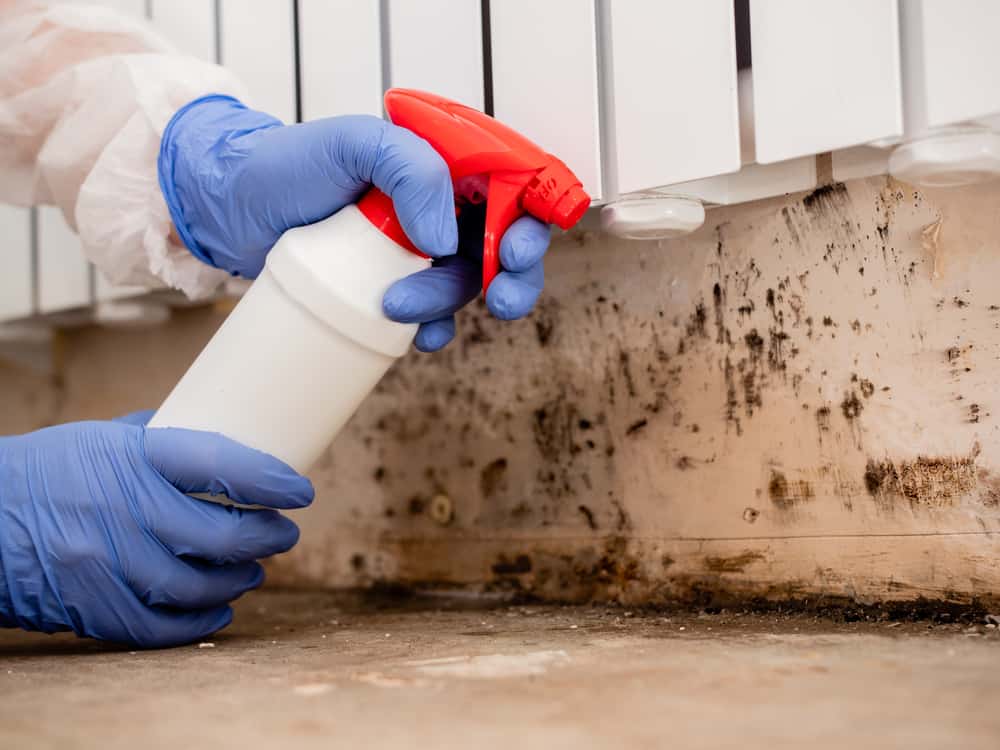
In practical terms, remediation includes containment to prevent spores from spreading during the work, physical removal of contaminated materials, treatment of affected surfaces, and correction of the moisture source that caused the growth. It ends with clearance testing by an independent assessor required under New York State Article 32 to confirm the space is back within acceptable levels. That’s a fundamentally different outcome than scrubbing a surface and calling it done.
How long does mold remediation take for a Thomaston property?
A contained mold situation a single room, a section of basement, or a localized attic area typically takes one to three days from start to clearance. Larger projects involving multiple areas or significant structural damage can run five to seven days or longer, particularly if reconstruction is part of the scope.
The timeline in Thomaston can also be affected by the age and construction of the home. Pre-war buildings and older Colonials sometimes have surprises once materials are opened up additional moisture damage, older insulation that needs full replacement, or mold that traveled further than the initial inspection indicated. A realistic timeline is always given after the inspection, not before, because that’s when the actual scope is known. Rushing a quote before the assessment is done is how timelines get missed and costs get underestimated.
Can mold come back after professional remediation in Thomaston?
It can but only if the moisture source wasn’t resolved. Mold is a symptom. The root cause is always water or humidity, and in Thomaston, those sources are often structural or environmental. The clay subsoil on the Great Neck Peninsula holds groundwater against foundation walls far longer than sandy or loamy soils would. If a basement is remediated but the foundation drainage isn’t corrected, moisture will return and mold will follow.
The same applies to attic mold in older Thomaston homes. If the ventilation issue that allowed humidity to accumulate isn’t fixed as part of the project, the conditions that caused the growth are still there. Our process addresses the moisture source as part of remediation not as an optional add-on. Clearance testing after the job confirms the environment is clean, and if a moisture problem resurfaces down the line, that’s a separate, diagnosable issue not a sign that the remediation failed.
Useful Links
Other Services we provide in Thomaston