
Mold Remediation in West Sayville, NY
Bay Air Gets In. Mold Follows. Here's How We Stop It for Good.
Hear from Our Customers
Professional Mold Remediation West Sayville
The musty smell that hits you when you open the basement door that’s not just an odor problem. It’s a sign that mold has found a moisture source and settled in. Once we properly remediate it, that smell goes away, your air quality improves, and you’re not wondering anymore whether what your family is breathing is making them sick.
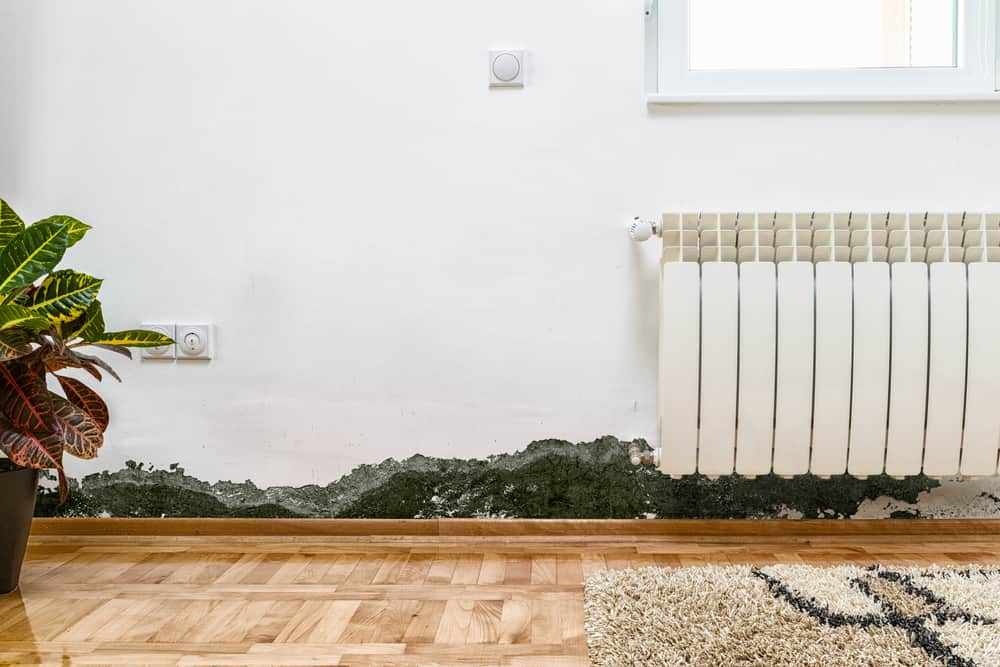
For West Sayville homeowners specifically, that peace of mind carries extra weight. Living this close to the Great South Bay means your home deals with ambient humidity that inland communities simply don’t see. Crawl spaces stay damp longer. Attics trap condensation during humid summer months when bay air meets cooler surfaces inside the house. Basements in older West Sayville homes especially those built before 1980 weren’t designed with today’s moisture loads in mind. When we remediate mold in West Sayville, we address all of that, not just the visible growth.
If you’re selling your home, clearance documentation from our certified remediation also protects the transaction. With West Sayville homes moving in around 23 days on average, a mold finding during inspection can derail a closing fast. Getting it handled and documented keeps things on track.
Certified Mold Remediation Company West Sayville
We’ve been working on Long Island homes since the early 1990s through multiple storm cycles, post-Sandy remediation work across the South Shore, and the full evolution of what professional mold remediation actually looks like under New York State law. We understand West Sayville’s specific challenges: the persistent humidity off the Great South Bay, the aging housing stock that wasn’t built to handle coastal moisture, and the lingering moisture problems in homes affected by Hurricane Sandy.
Richard Peterson, our owner, holds personal NYS licenses in both mold assessment and mold remediation contracting which you can verify directly through the NYS Department of Labor. That’s not a company-level credential. That’s an individual license tied to one person who is accountable for every job. Every technician on our team carries individual IICRC certification, meaning the people physically working in your West Sayville home have been formally trained and tested not just supervised by someone who was.
This is an owner-operated company serving a community we know well. From the waterfront streets along West Avenue to the residential blocks near Washington Avenue, we’ve been addressing the specific moisture and mold challenges that West Sayville homes face for three decades.
Mold Remediation Process West Sayville NY
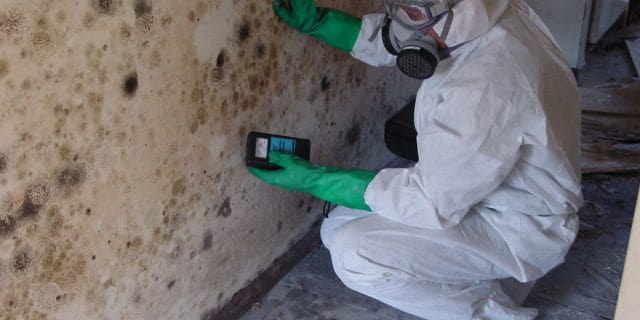
It starts with a proper assessment not a quick visual scan, but moisture mapping that identifies where water is coming from and how far the mold has spread. In West Sayville, that step matters more than most places. Homes near the Great South Bay can have elevated moisture in wall cavities, under subflooring, or behind insulation without any visible signs on the surface. If the source isn’t found, the mold comes back.
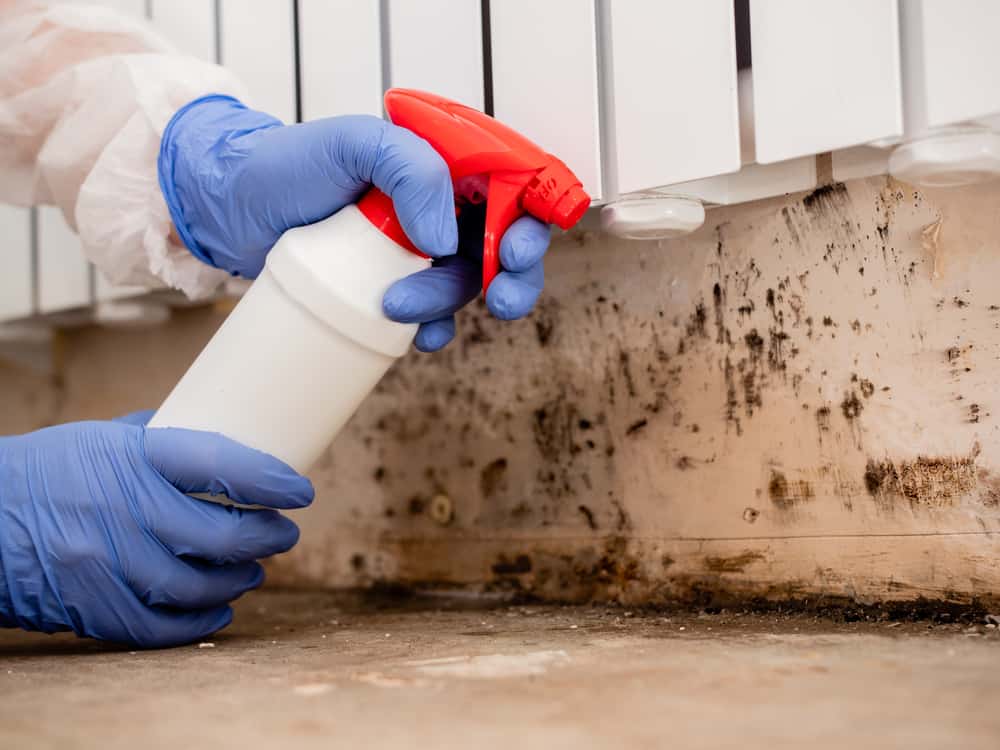
Once we know what we’re dealing with, we set up containment to prevent spores from spreading to unaffected areas of your home. Then the actual remediation begins removing contaminated materials, treating affected surfaces with EPA-registered antimicrobials, and drying everything to the standards defined by the IICRC’s S520 protocol. Under New York State’s Article 32 law, the assessment and remediation must be handled by separately licensed professionals, which is a consumer protection measure worth understanding before you hire anyone.
After the work is done, post-remediation verification testing confirms that spore counts have returned to normal levels. That clearance report is what your insurance company, your buyer’s agent, or your own peace of mind actually needs. Because we run an integrated cleaning division alongside our restoration work, we handle the full cycle from the first call to the final clean without handing you off to someone else.
Ready to get started?
Basement and Attic Mold Remediation West Sayville
Mold remediation in West Sayville isn’t one-size-fits-all. The problems we find in attics are different from what shows up in crawl spaces, and both are different from what happens in a basement that’s taken on water after a nor’easter pushed bay flooding into low-lying West Sayville streets. We assess and treat each area of your home based on what’s actually happening there not a generic checklist.
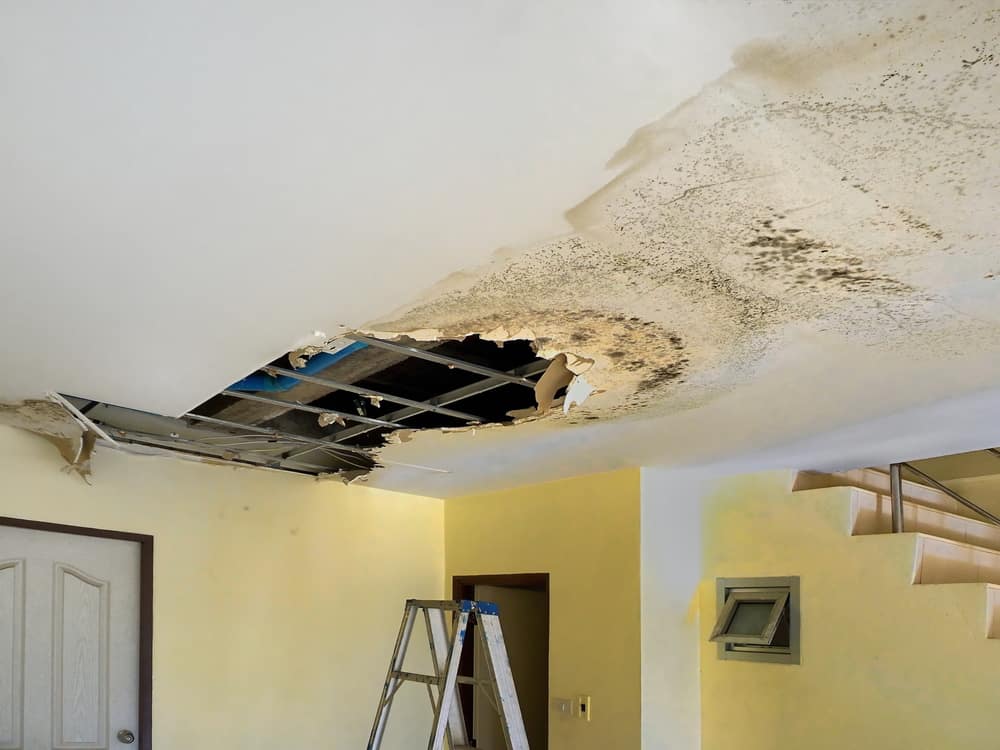
Attic mold remediation in West Sayville typically comes from condensation buildup during the humid summer months. Bay air is warm and saturated, and when it meets the cooler underside of your roof deck, moisture collects. Over time, that’s enough to feed a mold colony on the sheathing or rafters. Crawl space mold remediation here often traces back to groundwater at 13 feet above sea level, the water table rises quickly after heavy rain, and older West Sayville homes without proper vapor barriers are especially vulnerable. Basement mold remediation covers everything from surface growth on block walls to deeper structural involvement after flooding.
Black mold remediation when Stachybotrys is present requires enhanced containment and a more careful removal process. We also work with homeowners navigating the insurance side of things, including the distinction between standard homeowner’s policies and flood insurance for properties in FEMA-designated zones near the bay. Costs typically range from $1,200 to $6,000+ depending on the scope, and we’ll give you a clear picture of what you’re looking at before any work begins.
How do I know if my West Sayville home has mold I can't see?
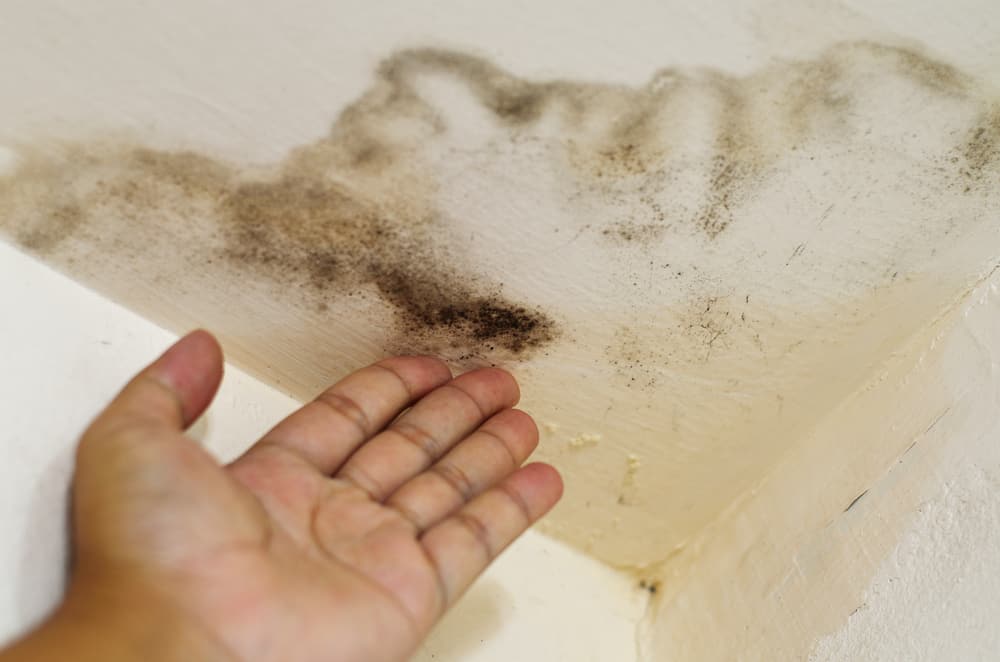
The most common sign is a persistent musty smell especially in basements, crawl spaces, or attics without any visible growth. That usually means mold is growing inside wall cavities, behind drywall, under flooring, or in areas with poor airflow. In West Sayville, this is more common than most homeowners expect, partly because of the humidity that comes off the Great South Bay and partly because of the legacy of Hurricane Sandy. Homes that were flooded in 2012 and not fully remediated can still have active mold colonies more than a decade later hidden in wall framing, subflooring, and structural wood that was never properly dried or treated. A professional moisture assessment with thermal imaging and air sampling is the only reliable way to find what a visual inspection misses. If you’ve had any water intrusion in the last several years storm flooding, a pipe failure, a leaky crawl space it’s worth having it checked.
What does mold remediation cost in West Sayville, NY?
For most residential projects in West Sayville, mold remediation runs between $1,200 and $6,000, though the range can go higher depending on how far the mold has spread and which areas of your home are affected. Attic remediation typically falls between $1,500 and $9,000. Crawl space work usually runs $500 to $4,000 for standard projects, and can exceed $6,000 if encapsulation is included. Basement remediation ranges from $500 for surface mold on block walls up to $10,000 or more when structural materials are involved.
What drives cost up most is scope how many areas are affected, how deep the contamination goes, and whether the moisture source requires correction before remediation can begin. In West Sayville’s older housing stock, it’s common to open a wall and find more than what the initial assessment suggested. We give you a clear scope and cost picture before work starts, not after.
Does homeowner's insurance cover mold remediation in New York?
It depends on the cause. Standard homeowner’s insurance in New York typically covers mold remediation when it results from a sudden, accidental event like a burst pipe or an appliance failure. It generally does not cover mold that developed over time due to ongoing moisture, poor ventilation, or deferred maintenance. That distinction matters a lot in how the claim is documented.
For West Sayville homeowners near the Great South Bay, there’s an added layer of complexity. Properties in FEMA-designated flood zones may carry separate flood insurance policies, and mold resulting from storm surge or bay flooding may fall under that policy rather than your standard homeowner’s coverage. The two policies have different documentation requirements, different claim processes, and different coverage limits. We help homeowners understand which policy applies and how to document the damage in a way that supports the claim something the national lead-generation sites and franchise operators showing up in local search results generally don’t offer.
What is the difference between mold remediation and mold removal?
Mold removal typically refers to the physical act of taking out contaminated materials pulling drywall, scrubbing surfaces, disposing of insulation. Mold remediation is the full process: assessment, containment, removal, treatment, drying, and post-remediation verification. Remediation is the comprehensive approach. Removal is one step inside it.
The reason this distinction matters is that removing visible mold without addressing the moisture source, treating the surrounding materials, and verifying clearance through air testing almost always leads to the mold coming back. In West Sayville, where homes sit in a persistently humid coastal environment, skipping any of those steps is a short-term fix at best. The IICRC’s S520 standard defines what a complete remediation looks like, and that’s the protocol our certified technicians follow on every job not a partial cleanup that looks finished but isn’t.
How long does mold remediation take for a typical West Sayville home?
Most residential mold remediation projects in West Sayville take between one and five days, depending on how many areas are affected and how extensive the contamination is. A single affected area like an attic with surface mold on the sheathing, or a section of basement wall can often be completed in one to two days. Larger projects involving multiple rooms, structural materials, or significant water damage take longer.
After the remediation work is finished, post-remediation verification testing requires a short waiting period before air samples are collected typically 24 hours after containment is removed to allow conditions to stabilize. The clearance report follows once lab results come back, which usually takes one to two business days. If you’re working against a real estate closing deadline, we factor that timeline into how we schedule and sequence the work. West Sayville’s market moves quickly, and we understand what’s at stake when a closing is on the line.
Is mold in a West Sayville home dangerous to my family's health?
Yes depending on the type of mold, the concentration of spores, and how long exposure has been occurring. Common household molds like Cladosporium and Penicillium can trigger allergy symptoms, respiratory irritation, and frequent illness, particularly in children, the elderly, and anyone with asthma or a compromised immune system. Stachybotrys often called black mold produces mycotoxins that are associated with more serious health effects and requires a more careful remediation process with enhanced containment.
The CDC estimates that one in three people has some sensitivity to mold, and the WHO has found that addressing mold in a home environment can reduce asthma-related symptoms by 25 to 45 percent. In West Sayville, where the combination of bay humidity, older housing stock, and post-Sandy moisture legacy creates conditions for persistent mold growth, health concerns are a legitimate reason to act not something to wait on. If someone in your household has been dealing with unexplained respiratory symptoms, recurring illness, or a doctor’s recommendation to investigate indoor air quality, a professional assessment is the right next step.
Useful Links
Other Services we provide in West Sayville