
Mold Remediation in Woodmere, NY
When South Shore Humidity Moves Into Your Walls, It Doesn't Leave on Its Own
Hear from Our Customers
Certified Mold Remediation, Nassau County
Mold doesn’t just look bad it affects how your home feels, how your family breathes, and what your property is worth. When it’s handled correctly, you get your house back. Not just cleaner walls, but actual confidence that the problem is resolved and documented.
For Woodmere homeowners, that documentation matters more than most people realize. With median home values pushing past $1.26 million, a mold issue that shows up during a buyer’s inspection can unravel a deal fast. A written, lab-verified clearance report isn’t a nice-to-have it’s the difference between a clean sale and a collapsed one. Buyers walk. Deals fall apart. Having proof the problem was professionally resolved protects your position at the table.
There’s also the health side of it. Woodmere’s proximity to Jamaica Bay and the Atlantic means summer humidity here runs higher and longer than it does in inland Nassau towns. That persistent moisture in basements, crawl spaces, and attics of homes built in the 1950s and ’60s is exactly what feeds mold growth. Getting it remediated by a team that understands this specific environment means you’re not just cleaning up what’s visible. You’re cutting off the conditions that let it come back.
Mold Remediation Companies in Woodmere, NY
We’ve been serving Nassau County homeowners since the late 1990s. That’s not a corporate talking point it means we’ve worked through every storm cycle Long Island has thrown at the South Shore, including the aftermath of Hurricane Sandy, which left a long tail of hidden mold damage across the Five Towns that some homeowners are still discovering today.
Every technician who walks into a Woodmere home is individually IICRC certified not just our company at a corporate level, but each person on the crew. That distinction matters when you’re trusting someone to work inside a home worth well over a million dollars. We’re also a local Nassau County operation with a real 516 number, not a regional franchise routing your call to whoever’s available.
From Woodmere proper to North Woodmere across Motts Creek, we know the area, know the housing stock, and know what mold remediation actually looks like in homes built for a different era.
Professional Mold Remediation Process, Woodmere NY
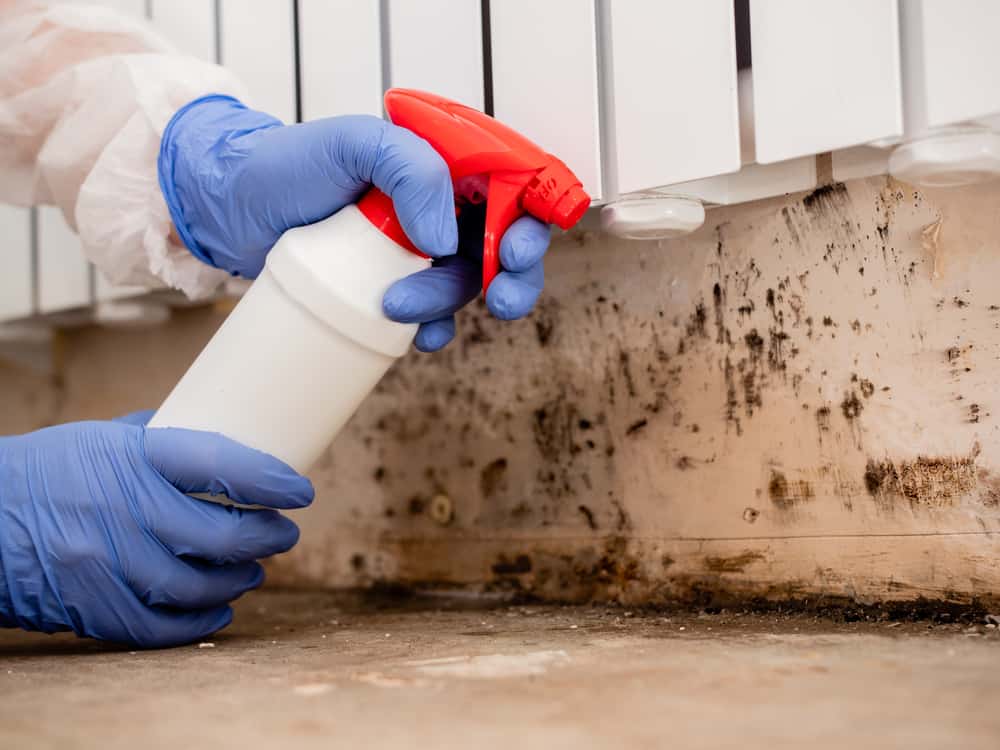
It starts with a thorough 13-point inspection not a quick visual walkthrough, but a documented assessment that includes air sampling, swab testing, moisture level readings, infrared imaging to find what’s hiding behind walls, and a full photographic record. Lab results come back within 2 to 3 business days with a written report you can actually use for insurance, for real estate, or just for your own peace of mind.
From there, remediation begins with the source. That’s important, especially in Woodmere’s older housing stock where aging plumbing, compromised foundation waterproofing, and limited attic ventilation are common culprits. Cleaning mold without addressing the moisture that caused it is a temporary fix at best. Our crews arrive with fully equipped trucks air movers, dehumidifiers, moisture monitors so work starts the moment we’re on site, not after a second trip.
Under New York State’s 2016 mold law, the company performing your assessment cannot be the same one doing your remediation. We operate in full compliance with this law, which protects you from the kind of conflicts of interest that are unfortunately common in this industry. If reconstruction is needed after materials are removed, we handle that too so you’re not left coordinating a separate contractor to finish the job.
Ready to get started?
Basement and Attic Mold Remediation, Woodmere NY
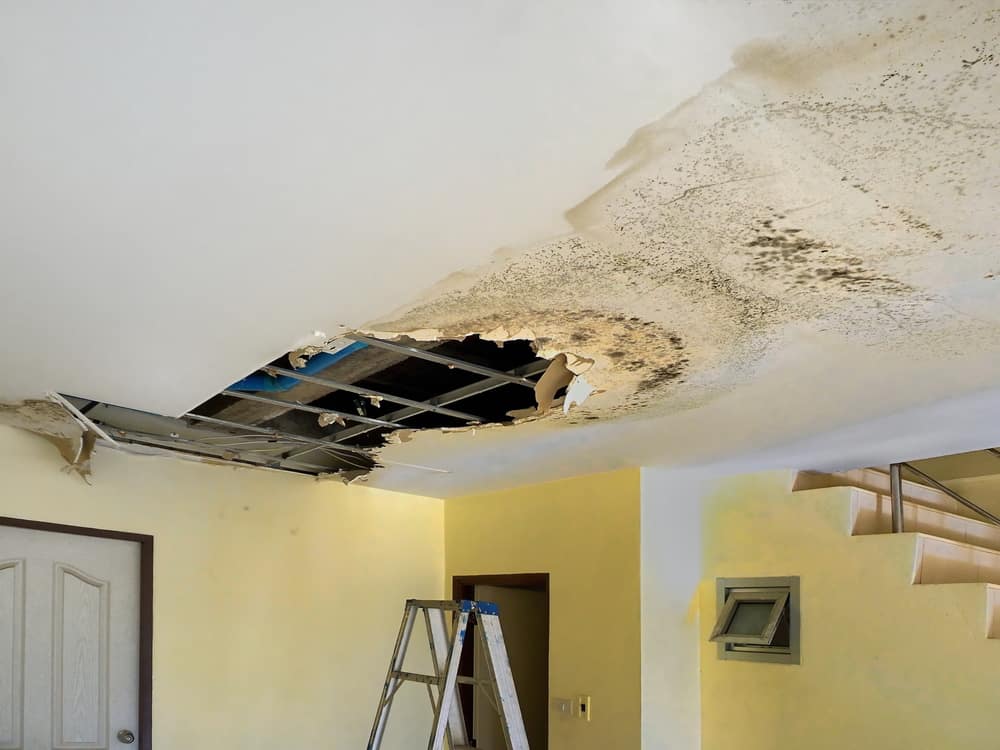
Mold remediation in Woodmere isn’t one-size-fits-all. The Five Towns’ South Shore geography high water table, coastal humidity, post-Sandy flood history means the most common problem areas here are basements, crawl spaces, and attics. Basement mold often traces back to groundwater seepage, sump pump failures, or aging cesspool infrastructure that introduces moisture into surrounding soil. Attic mold is typically a ventilation problem, where warm humid air condenses on cooler roof decking in homes that were built before modern ventilation standards existed.
We address all of it. Crawl space mold remediation, black mold remediation, attic mold remediation, emergency mold remediation after a storm event the scope of what we cover is broad because the scope of what Long Island’s coastal climate can do to a home is broad. Every job includes containment to prevent cross-contamination, HEPA filtration, antimicrobial treatment, and post-remediation testing to confirm clearance. That final test is the documentation that actually closes the loop.
For Woodmere homeowners managing a real estate transaction, the written clearance report is often what keeps a deal moving. For homeowners staying put, it’s confirmation that the air their family is breathing is clean. Either way, the job isn’t done until there’s documented proof it was done right.
How does Woodmere's South Shore location increase my home's mold risk?
Living on the South Shore of Nassau County puts your home in a persistently high-humidity environment that inland communities simply don’t deal with at the same level. Woodmere sits within a few miles of Jamaica Bay and the Atlantic Ocean, which means summer relative humidity regularly exceeds the 60% threshold where mold growth accelerates. That moisture doesn’t stay outside it infiltrates basements, crawl spaces, and attics, especially in homes built in the mid-20th century with original or minimal waterproofing.
Add to that the area’s high water table and the long shadow of Hurricane Sandy, which caused significant flooding across the Five Towns in 2012. Homes that were repaired after Sandy without professional drying and remediation may still have mold growing inside wall cavities and subfloors often invisible until a real estate inspection or an air quality test reveals it. The combination of coastal humidity, aging housing stock, and post-storm history makes Woodmere one of the higher-risk residential environments in Nassau County for mold growth.
What is the difference between mold remediation and mold removal?
Mold removal is a term that gets used loosely, and it can be misleading. The idea that mold can be fully “removed” from a home isn’t quite accurate mold spores exist naturally in the air and environment, and the goal of professional work isn’t to eliminate every spore, which isn’t possible. Mold remediation is the correct term for what actually happens: bringing mold levels back down to a normal, safe range and addressing the conditions that caused the growth in the first place.
Remediation involves containment to prevent spores from spreading during the process, physical removal of contaminated materials that can’t be saved, antimicrobial treatment of affected surfaces, HEPA air filtration, and post-remediation testing to confirm the work was effective. It’s a documented, verifiable process not just scrubbing a surface and hoping for the best. For Woodmere homeowners dealing with the moisture conditions common to this area, remediation done correctly also means identifying and resolving the underlying moisture source, whether that’s a foundation issue, a plumbing leak, or an attic ventilation problem.
How much does mold remediation typically cost in Woodmere, NY?
The honest answer is that cost varies depending on the size of the affected area, the location within the home, and how far the mold has spread. Nationally, the average cost of professional mold remediation runs around $2,300, with most jobs falling somewhere between $1,200 and $3,800. Larger infestations particularly in attics or basements, which are the most common problem areas in Woodmere’s older housing stock can run higher.
What matters more than the upfront number is what you’re protecting. In a community where median home values exceed $1.26 million, untreated mold can reduce a property’s resale value by 20% or more, and research consistently shows that a significant portion of buyers walk away once they learn a home has a mold history. The cost of professional remediation is a fraction of that exposure. We provide a clear, documented scope of work before anything starts so you know exactly what’s being done and why, without surprises on the back end.
Does New York State law affect how mold remediation works in my home?
Yes, and it’s worth understanding before you hire anyone. New York State passed a mold licensing law in 2016 that specifically prohibits the same company from performing both the mold assessment and the mold remediation on the same property. The law exists to protect homeowners from a common industry problem companies that conduct their own inspections have a financial incentive to exaggerate or fabricate findings to sell unnecessary remediation work.
Under this law, your assessment must be done by a licensed assessor, and the remediation must be handled by a separate licensed contractor. Both must hold the appropriate New York State Department of Labor credentials. Nassau County falls fully within this jurisdiction, so any mold company working in Woodmere is legally required to comply. When you’re vetting companies, ask directly whether they hold the required state licenses and whether they separate assessment from remediation. A company that can’t answer that question clearly is a company worth walking away from.
Can I stay in my home during mold remediation in Woodmere?
In most cases, whether you can stay in the home depends on where the mold is located and how extensive the remediation work is. For a contained area say, a section of basement or a single room it’s often possible to remain in the home with proper containment barriers in place to prevent spores from spreading to living areas. For larger infestations, or when mold is found in HVAC systems or central areas of the home, temporary relocation is usually the safer choice.
In Woodmere specifically, attic and basement mold are the most common scenarios, and both can often be remediated while the home is occupied as long as the work area is properly sealed. We walk you through the containment plan before work begins and are transparent about whether your specific situation warrants staying or leaving. If there are children or anyone with respiratory sensitivities in the home, that conversation is especially important and we initiate it without you having to ask.
What should I do immediately after finding mold in my Woodmere home?
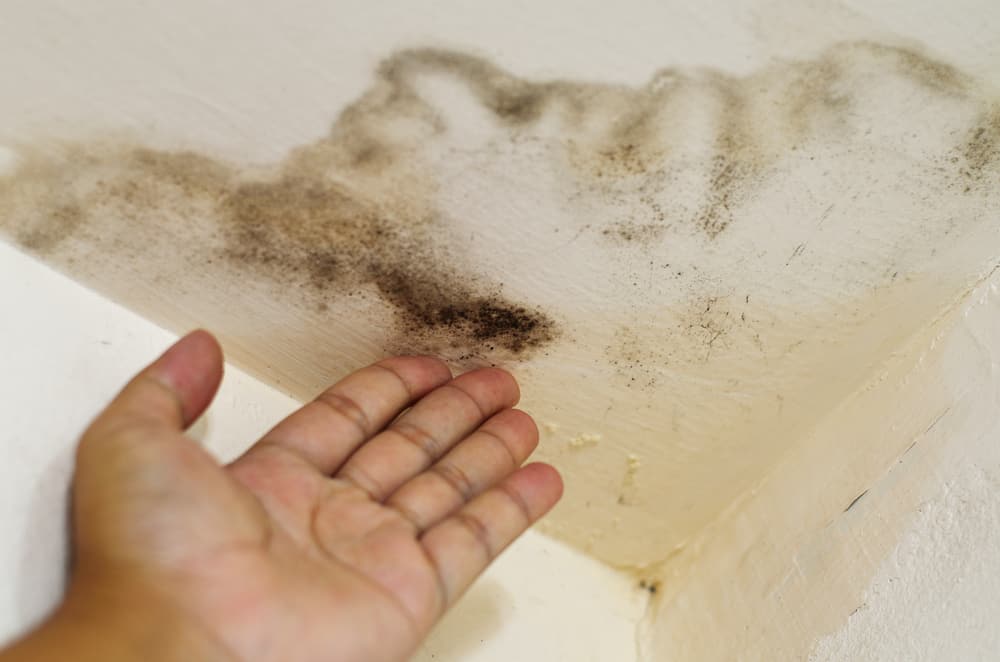
The first thing to do is avoid disturbing it. Scrubbing, spraying, or trying to clean mold yourself can release spores into the air and spread contamination to areas that weren’t previously affected. If you’ve found visible mold especially after a basement flood, a plumbing leak, or the kind of storm-driven water intrusion that’s common on the South Shore the clock matters. The EPA has established that mold can begin growing within 48 hours of water exposure, so the sooner a professional assessment starts, the better your chances of containing the damage.
Document what you’re seeing with photos, note when you first noticed it and whether there was a recent water event, and call a licensed mold assessment professional. In Woodmere’s housing market, where a mold discovery during a real estate inspection can derail a transaction involving a home worth well over a million dollars, having a professional inspection on record with lab results and a written report gives you something concrete to work with, whether you’re staying in the home long-term or preparing to sell.
Useful Links
Other Services we provide in Woodmere