
Mold Remediation in Yaphank, NY
When the Carmans River Keeps Giving Your Home Moisture Problems
Hear from Our Customers
Basement Mold Remediation in Yaphank, NY
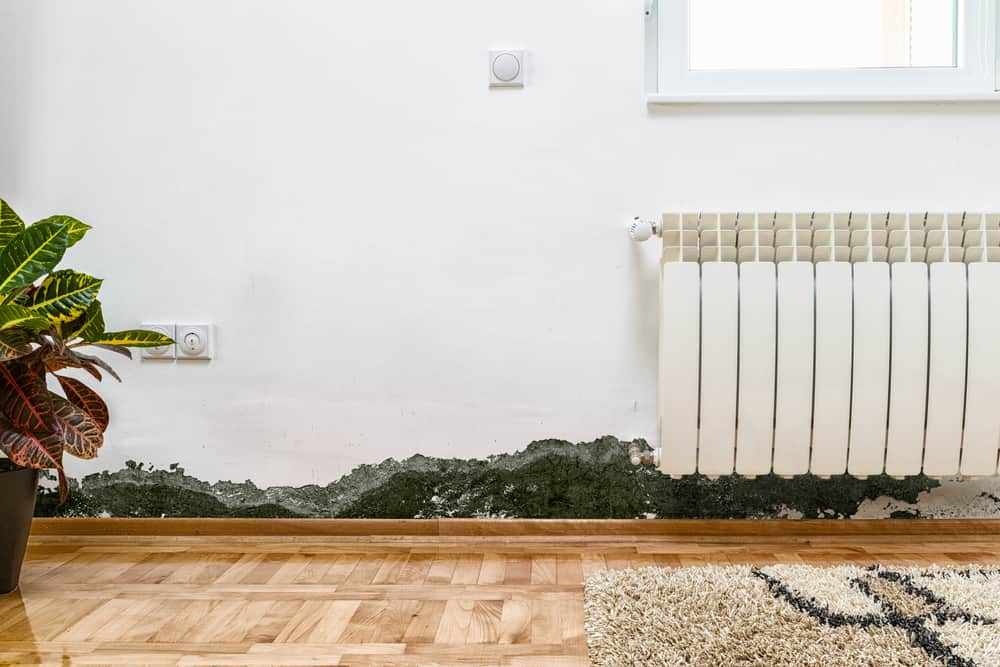
Most mold problems in Yaphank aren’t caused by one dramatic event. They build slowly ground moisture pushing through an unencapsulated crawl space, condensation forming in an attic that hasn’t been properly ventilated since the 1980s, or a basement wall quietly absorbing water from a water table that sits higher than most homeowners realize. If you only treat the surface and ignore what’s feeding it, the mold comes back.
When we identify and correct the underlying moisture source alongside the remediation work, the result is a home that stays clean. Your air quality improves, the musty smell disappears, and you’re not scheduling the same service call again in eighteen months. For families in the Longwood Central School District area with kids at home, that matters more than most people say out loud mold’s impact on respiratory health in children is well-documented, and the relief parents feel after a proper clearance is real.
There’s also the property side of things. Homes in Yaphank near the Carmans River corridor or adjacent to preserved wetland areas carry a specific resale risk when mold is discovered during inspection. A properly remediated home with documented post-remediation air quality results is a very different conversation with a buyer than one without it. The paperwork matters as much as the work itself.
Certified Mold Remediation in Yaphank, NY
We’ve been working across Suffolk County for over three decades, with deep roots in Yaphank and the surrounding communities. Our owner, Richard Peterson, holds personal New York State licenses in both mold assessment and mold remediation not a company-level filing, but a named, verifiable credential you can look up through the NYS Department of Labor. That distinction matters because it means the person accountable for your job is the person whose license is on the line.
Every technician on our team carries individual IICRC certification. That’s not a company badge it’s a credential each person earns through training and examination against the industry’s S520 standard for professional mold remediation. The people walking into your Yaphank home know what they’re doing and why each step in the process exists.
We also operate an integrated cleaning division alongside the restoration work. That means when the remediation is done, the cleanup doesn’t get handed off to a separate company. One team, one point of contact, one invoice from the Carmans River corridor to the neighborhoods off Yaphank Avenue, we’ve been doing this work here long enough to know what these homes are up against.

Professional Mold Remediation Process in Yaphank, NY
It starts with assessment. Before any work begins, we identify where the mold is, how far it’s spread, and critically what moisture source is feeding it. In Yaphank, that often means looking beyond the obvious. Homes built in the 1970s and 1980s, which make up a significant portion of the hamlet’s housing stock, frequently have unencapsulated crawl spaces and attic ventilation that doesn’t meet current standards. We account for those conditions specifically, not generically.
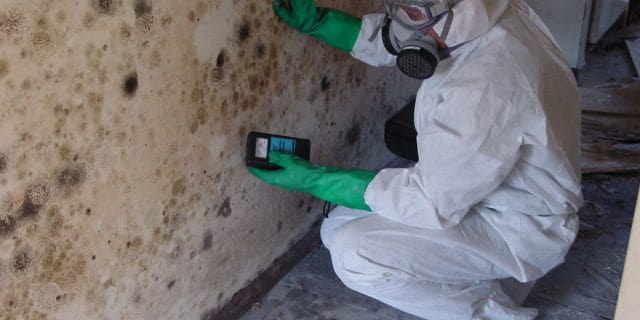
Once the scope is clear, containment goes up. This isolates the affected area so mold spores aren’t redistributed through the rest of your home during the removal process. Contaminated materials are removed, affected surfaces are treated with antimicrobial agents, and structural drying begins where needed. Under New York State’s Article 32 mold licensing law which has been in effect since 2016 and applies fully in Yaphank all of this work must be performed by a licensed contractor. That’s not optional, and it’s worth confirming before you hire anyone.
After the remediation work is complete, post-remediation verification testing confirms that spore counts have returned to normal levels. That clearance documentation is what you hand to your insurance company, your real estate agent, or simply keep on file as proof the job was done right. Then our cleaning team comes through and handles everything that’s left so you’re not left managing the aftermath on your own.
Ready to get started?
Emergency Mold Remediation Services in Yaphank, NY
Mold remediation in Yaphank covers a wider range of scenarios than most homeowners expect when they first call. Basement mold remediation is one of the most common requests particularly for homes on lower-lying lots near the Carmans River, where hydrostatic pressure against foundation walls creates chronic moisture intrusion that has nothing to do with a specific leak or flood. Attic mold remediation is another frequent need, especially in the older housing stock where inadequate ventilation allows condensation to accumulate through Long Island’s humid summers and sharp seasonal transitions. Crawl space mold remediation rounds out the common calls, particularly for homes with unencapsulated crawl spaces that are essentially breathing the surrounding ground moisture directly into the structure.
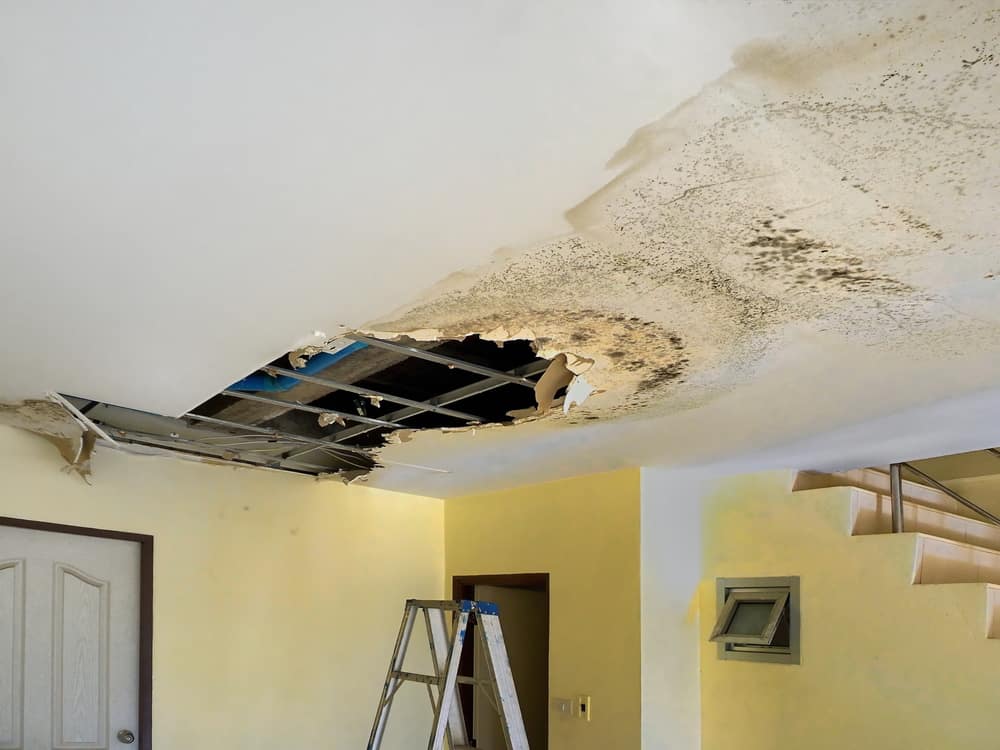
Beyond those, we handle emergency mold remediation when water intrusion events a burst pipe, a storm that pushes the Carmans River above its banks, a roof failure during a nor’easter require an immediate response. Mold begins growing within 24 to 48 hours of water contact, so the availability of a team that can respond any time of day or night isn’t a convenience feature, it’s a functional necessity.
The service also includes insurance documentation assistance. If your situation involves a covered water event, we help you document the damage in the format your insurer needs, which takes a significant amount of pressure off an already stressful situation. From the initial assessment through final post-remediation cleaning, it’s handled as one continuous job not a series of handoffs between separate contractors.
Is mold common in Yaphank homes, and what usually causes it?
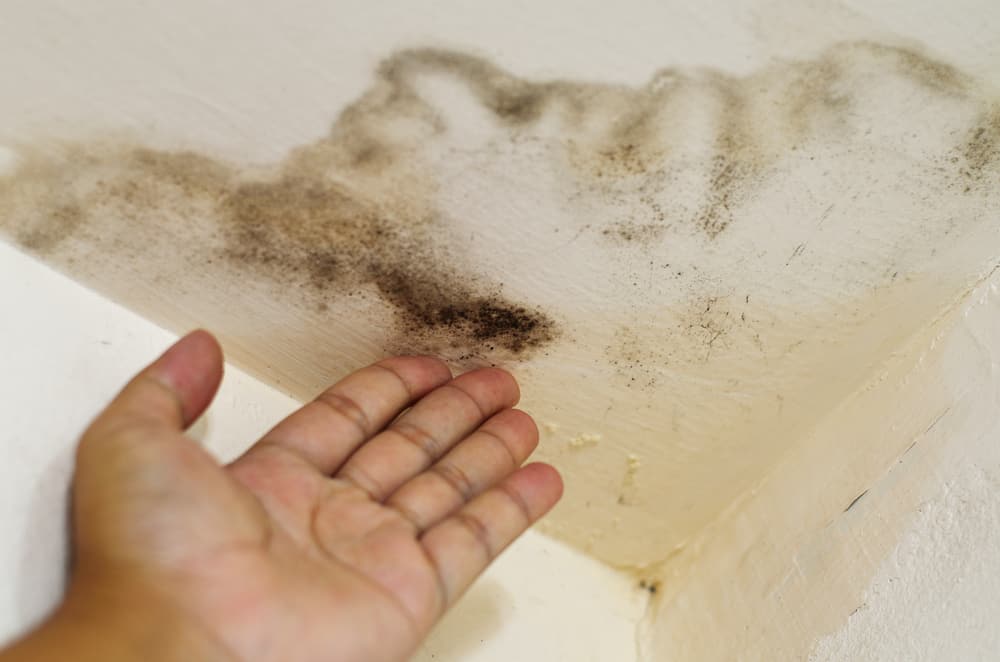
Mold is more common in Yaphank than in many other parts of Long Island, and the geography explains a lot of it. The Carmans River runs directly through the hamlet, the Wertheim National Wildlife Refuge maintains 2,550 acres of wetland habitat nearby, and the water table throughout much of the area is elevated by the surrounding river system and preserved lands. That ambient moisture pressure is constant it doesn’t require a flood or a plumbing failure to start affecting homes, particularly those on lower-lying lots or adjacent to wetland areas.
The housing stock amplifies the problem. The median construction year for Yaphank homes is 1986, and homes built in that era frequently lack the moisture barriers and ventilation standards that current building codes require. Crawl spaces are often unencapsulated, attics are often under-ventilated, and decades of seasonal temperature swings have stressed the building envelope in ways that create entry points for moisture. Add in the natural humidity that comes with Long Island summers, and you have conditions where mold can establish itself quietly over years without a single dramatic water event.
How much does mold remediation typically cost for a Yaphank home?
For most residential projects, professional mold remediation runs between $1,223 and $3,754. Where your specific job falls within that range depends on the size of the affected area, the type of materials involved, and how far the mold has spread into structural components. Attic remediation one of the more common calls in Yaphank’s older housing stock can range from $1,500 to $9,000 depending on the scope. Crawl space remediation typically falls between $500 and $4,000.
What affects cost most is whether the moisture source has been identified and corrected alongside the remediation work. A job that removes visible mold without addressing what’s feeding it will need to be redone, which costs more in the long run than doing it completely the first time. Post-remediation verification testing is another cost factor worth understanding upfront it’s the air quality test that confirms the job was successful, and it’s documentation you’ll want for insurance purposes or if you’re planning to sell the home. We provide written estimates before any work begins so you know what you’re looking at before you commit.
Does homeowners insurance cover mold remediation in New York?
It depends on what caused the mold. In New York, homeowners insurance typically covers mold remediation when it results directly from a covered water event a burst pipe, a roof failure during a storm, or similar sudden and accidental damage. What most standard policies do not cover is mold that developed gradually from chronic moisture intrusion, deferred maintenance, or flooding from an external water source like a river. For Yaphank homeowners near the Carmans River corridor, that distinction matters, because the slow ground moisture migration that affects many homes in the area often falls outside standard coverage.
The most important thing you can do is document the damage thoroughly and quickly. The format and detail of that documentation affects how the claim is evaluated. We assist customers with this process helping you capture what the insurer needs in a way that gives your claim the best chance of being processed accurately. If you’re unsure whether your situation is covered, call your insurer before work begins and ask specifically about the cause of the water intrusion, not just the mold itself.
Do mold remediation contractors in Yaphank need to be licensed in New York?
Yes, and this is one of the most important things to verify before you hire anyone. Under New York State’s Article 32 of the Labor Law, which took effect in January 2016, it is illegal for any person to perform mold assessment, mold remediation contracting, or mold abatement work in New York without a valid state-issued license. That applies fully in Yaphank. The law also prohibits advertising these services without the required licensure.
The practical implication is that you should ask any contractor you’re considering to provide their NYS mold license number and then verify it yourself through the New York State Department of Labor’s online license lookup tool. It takes two minutes and tells you whether the license is current and in good standing. Richard Peterson, owner of First Response Restoration and Cleaning Inc., holds personal NYS licenses in both mold assessment and mold remediation. That means the person whose name is on the license is the person running the company not a paper credential held by someone who never sets foot on a job site.
What is post-remediation verification and do I actually need it in Yaphank?
Post-remediation verification, or PRV, is air quality testing conducted after remediation work is complete to confirm that mold spore counts have returned to normal, acceptable levels. It’s performed by an independent assessor separate from the company that did the remediation work and it produces a clearance report that documents the result.
You need it for a few reasons. First, it’s the only objective way to confirm the job was actually successful, not just visually complete. Second, if your remediation was related to a covered insurance claim, your insurer will likely require clearance documentation before closing the file. Third, if you’re planning to sell your home, a documented clearance report is a meaningful asset it shifts the conversation with a buyer from “there was a mold problem” to “there was a mold problem that was professionally remediated and verified.” In a real estate market where roughly half of buyers walk away when mold history is discovered, that documentation can be the difference between a closed sale and a dead deal. We include PRV as a standard step in the remediation process, not an optional add-on.
How long does mold remediation take, and can my family stay home during the work?
Timeline depends on the scope of the job. A contained basement or crawl space project in a Yaphank home might be completed in one to two days. A more extensive attic remediation involving structural material removal and drying can take three to five days. If the moisture source requires structural repair work alongside the remediation which is common in older homes where the building envelope has been compromised the overall timeline extends accordingly.
Whether your family can stay in the home during the work depends on where the mold is located and how extensive the containment setup needs to be. For localized projects in a basement or crawl space, families often remain in the home without issue. For larger jobs involving significant spore counts or work in living areas, it’s sometimes better to arrange temporary accommodations for a few days particularly if anyone in the household has respiratory sensitivities or asthma. Children and elderly family members are generally more sensitive to airborne particulates during active remediation work. We’ll give you a straightforward answer about this during the assessment, based on the actual conditions in your specific home not a blanket policy that applies the same way to every job.
Useful Links
Other Services we provide in Yaphank