
Mold Removal in Amityville, NY
When the Bay Comes In, Mold Moves Fast
Hear from Our Customers
Professional Mold Removal Services Amityville
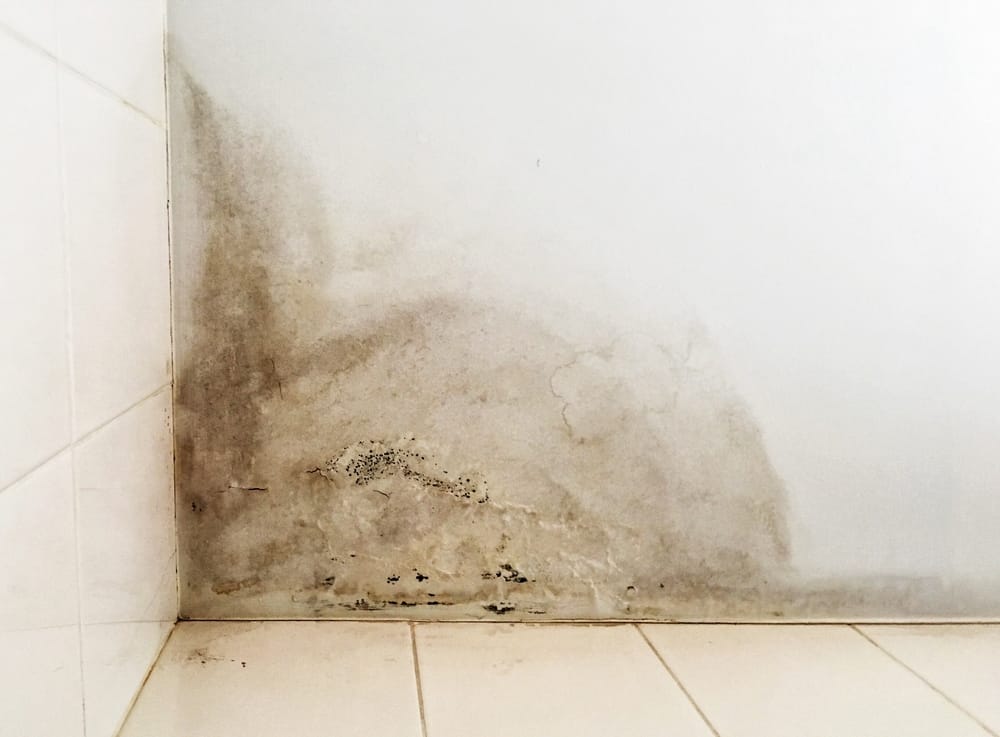
Mold doesn’t just look bad it affects how your family breathes, sleeps, and feels inside a home they’re supposed to feel safe in. Once it’s properly removed, that changes. The air quality improves, the musty smell is gone, and you’re not second-guessing every cough or headache.
For Amityville homeowners specifically, that outcome matters more than most people realize. Tidal backflow from the Great South Bay, high groundwater levels, and the aging housing stock throughout the village create conditions where moisture doesn’t just visit it lingers. Many homes here were built during the post-WWII boom, before vapor barriers and modern ventilation were standard. That means mold often grows behind original plaster walls or beneath old subfloors long before it’s ever visible.
After a proper remediation, you’re not just getting mold removed you’re getting clarity. You know what was found, where it was, how it was addressed, and what to watch for. That’s what professional mold removal in Amityville, NY should deliver: not just a clean space, but real confidence that the problem is actually gone.
Licensed Mold Removal Company Amityville NY
We’re headquartered in West Babylon one town north of Amityville, within the same Town of Babylon. This isn’t a national franchise routing calls through a regional dispatch center. We’re a local company that has been working on South Shore homes since before most of our current competitors existed.
Over 31 years, our team has responded to the full range of what Long Island throws at homeowners nor’easters, post-Sandy flooding, chronic tidal backflow, and the slow, quiet water intrusion that older homes along Amityville’s canal streets deal with year after year. That experience shapes how every job gets approached here.
We hold IICRC certification under the S520 Standard for Professional Mold Remediation and are fully licensed under New York State Article 32 of the Labor Law the mandatory mold remediation licensing requirement that has been in place statewide since 2016. Licensed, bonded, and insured. No shortcuts, no guesswork.
Mold Remediation Process Amityville NY
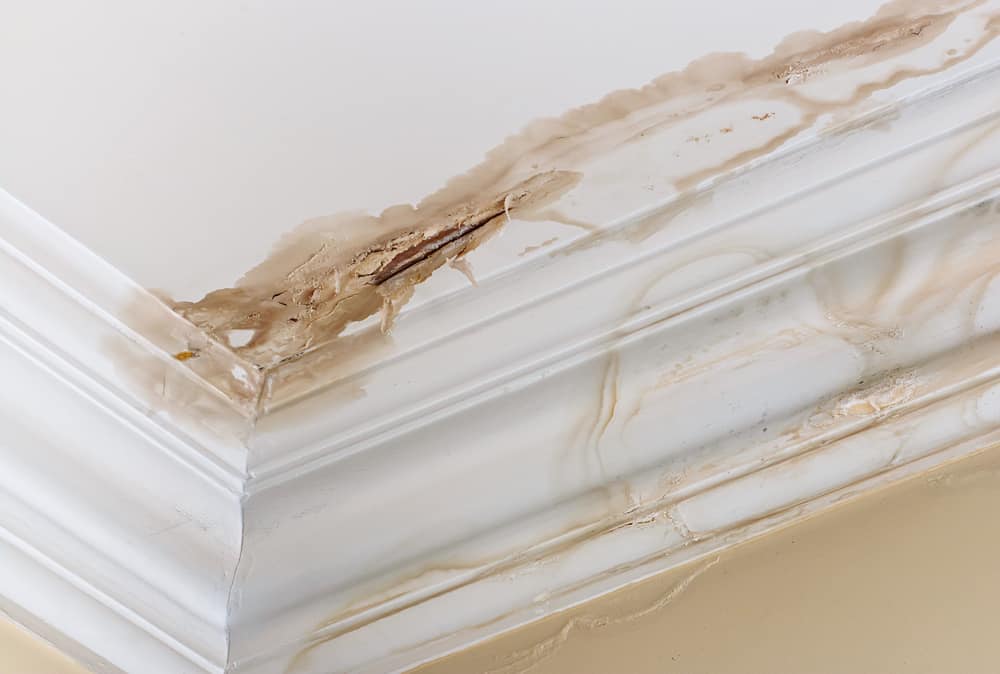
It starts with a thorough assessment. Before anything is removed or treated, the source of the moisture has to be identified because mold removal without addressing the underlying cause is just temporary. In Amityville, that source is often tied to something specific: a foundation seeping groundwater, a crawl space with inadequate ventilation, or water that entered through a low-lying area during a tidal event. We account for all of it.
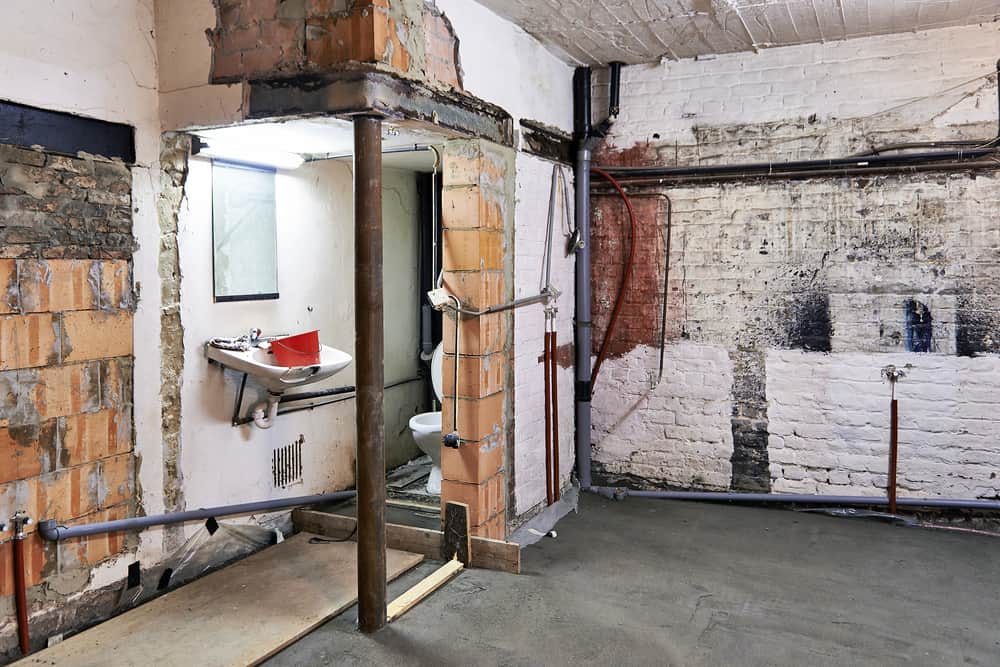
Once the scope is clear, containment goes up. This keeps mold spores from spreading to unaffected areas of your home while the work is being done. HEPA air scrubbers run throughout the process, pulling airborne particles out of the environment. Affected materials drywall, insulation, subfloor are removed safely and disposed of properly in compliance with New York State Article 32 requirements, which govern how licensed mold remediation contractors must conduct and document their work.
After remediation, the space is cleaned, treated, and verified. You get documentation of what was done which matters if you’re filing an insurance claim, selling your home, or simply want a record for your own peace of mind. For properties in Amityville’s FEMA flood zones, that paperwork can be especially important when coordinating with your flood or homeowners insurance carrier.
Ready to get started?
Residential and Commercial Mold Removal Amityville
Mold doesn’t limit itself to one room, and neither does our service. Basement mold removal in Amityville, NY is one of our most common calls especially after groundwater seepage or tidal backflow events that push water up through foundation slabs. Attic mold removal is the other. During Long Island winters, warm interior air rises into cold attic spaces and condenses on roof decking, creating mold growth that can go undetected for years in older homes throughout the village.
Bathroom mold removal, crawl space mold removal, and black mold removal are all handled with the same process: proper containment, HEPA filtration, safe removal, and post-remediation verification. For Amityville’s canal-front and bayfront properties where moisture exposure is chronic, not occasional we account for recurring conditions rather than treating each event in isolation.
We’re a full-service operation. Water extraction, structural drying, mold remediation, and restoration work are all handled under one roof. That matters when you’re dealing with a flooding event that didn’t just leave mold it left damaged flooring, saturated walls, and a home that needs to be put back together completely. One company, one call, one less thing to manage when you’re already dealing with enough.
How quickly does mold grow after basement flooding in Amityville?
Mold can begin colonizing wet surfaces within 24 to 72 hours of a moisture event and in Amityville, that window matters more than in most places. The village sits in a FEMA Zone AE flood area, meaning tidal backflow events, high groundwater intrusion, and storm-related flooding are recurring realities for many homeowners, not rare emergencies. When water enters a basement through a foundation wall or floor slab, it saturates materials that don’t dry quickly on their own especially in older homes with original concrete, wood framing, and minimal vapor barriers.
The practical takeaway is this: don’t wait to see visible mold before calling. By the time black or green growth appears on a wall or floor, the problem has typically been developing for days or weeks. Early intervention drying the space, removing saturated materials, and assessing for mold is always faster, cheaper, and less disruptive than addressing an advanced infestation after the fact.
What does professional mold removal in Amityville, NY typically cost?
The cost of mold removal in Amityville, NY depends on where the mold is, how far it has spread, and what materials need to be removed. For most residential jobs, you’re looking at a range of roughly $1,200 to $3,800 with basement and attic projects sometimes running higher depending on the extent of the damage and whether structural materials like drywall, insulation, or subfloor need to come out.
Amityville homeowners dealing with post-flooding mold should also factor in whether their homeowners insurance or flood insurance covers any portion of the remediation. Properties in FEMA flood zones are required to carry flood insurance, and when mold results directly from a covered flooding event, there may be partial or full coverage available. Proper documentation from a licensed mold remediation contractor which New York State Article 32 requires is critical for supporting those claims. Getting that documentation right from the start can significantly reduce your out-of-pocket cost.
Is attic mold common in older Amityville homes, and what causes it?
Attic mold is one of the most frequently overlooked problems in Long Island homes, and Amityville is no exception. The cause is straightforward: during winter, warm air from the living space rises and enters the attic through gaps in insulation, recessed lights, or poorly sealed penetrations. When that warm, moist air hits cold roof decking, it condenses and over time, that repeated condensation creates the moisture conditions mold needs to grow.
In Amityville specifically, the issue is compounded by housing age. The Town of Babylon saw a massive residential building boom from the 1940s through the 1960s, and much of the village’s housing stock dates to that era. Homes built before modern ventilation standards were established often lack adequate soffit and ridge venting, which means moisture-laden air has nowhere to escape. Attic mold in these homes can develop quietly for years before a homeowner notices a musty smell or spots discoloration during a roof inspection. If your home was built before 1980 and hasn’t had an attic inspection recently, it’s worth having it assessed.
Does New York State require a license for mold removal work in Amityville?
Yes and this is one of the most important questions you can ask before hiring anyone. New York State Article 32 of the Labor Law has required mandatory mold remediation licensing since 2016. Any contractor performing paid mold assessment or mold remediation work in Amityville, or anywhere else in New York, must hold a valid state-issued mold license. The law also requires that the same company cannot legally perform both the mold assessment and the mold remediation on the same project a conflict-of-interest protection that exists specifically to prevent contractors from inflating the scope of work.
Unlicensed mold work isn’t just illegal it can create real problems for you. Insurance carriers may deny claims if the remediation was performed by an unlicensed contractor, and documentation from an unlicensed company won’t hold up if you’re selling your home and a buyer’s inspector raises questions about prior mold. Before any contractor begins work in your home, ask to see their New York State mold license. A legitimate company will have it ready.
Can mold come back after it's been professionally removed from my home?
Mold can return if the moisture source that caused it in the first place hasn’t been resolved. This is the part that separates a thorough remediation from a surface-level cleanup. Removing visible mold without identifying and addressing the underlying moisture problem whether that’s a foundation crack letting in groundwater, a bathroom exhaust fan venting into the attic instead of outside, or a crawl space with no vapor barrier just sets the stage for the same problem to develop again.
For Amityville homeowners, this is particularly relevant because many of the moisture sources here are ongoing by nature. Tidal backflow, seasonal groundwater rise, and the chronic humidity that comes with living near the Great South Bay aren’t one-time events. A proper remediation includes identifying those sources and either addressing them directly or clearly communicating what needs to be fixed to prevent recurrence. When that’s done correctly, mold doesn’t come back because the conditions that allowed it to grow in the first place no longer exist.
How do I know if I have black mold versus regular mold in my Amityville home?
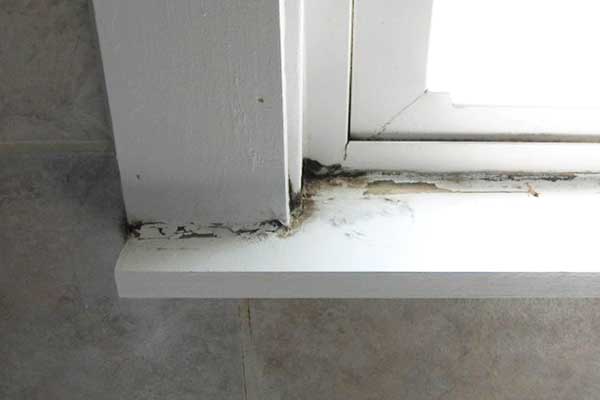
Visually, you often can’t tell the difference and that’s exactly why trying to identify mold type on your own isn’t the right approach. Black mold, commonly associated with Stachybotrys chartarum, is dark green or black in color, but so are several other mold species that are far less toxic. Conversely, mold that looks light or greenish can still cause significant respiratory irritation and health issues depending on the species and the level of exposure.
What matters more than the color is the location, the extent of the growth, and how long it may have been developing. In Amityville homes especially those that experienced basement flooding after a tidal event or a storm, or those with long-standing attic moisture issues mold that’s been growing behind walls or under floors for months can be more problematic than a small visible patch, regardless of its color. A licensed mold assessor can collect samples and have them analyzed to identify the specific species present, which informs both the remediation approach and any health-related decisions your family may need to make. Don’t let the color be the deciding factor let a professional make that call.
Useful Links
Other Services we provide in Amityville