
Mold Removal in Belle Terre, NY
When Sound-Side Air Gets Into Your Walls, It Stays
Hear from Our Customers
Professional Mold Removal Services Belle Terre
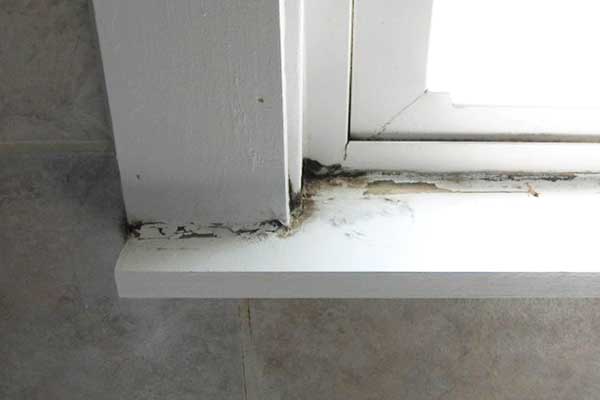
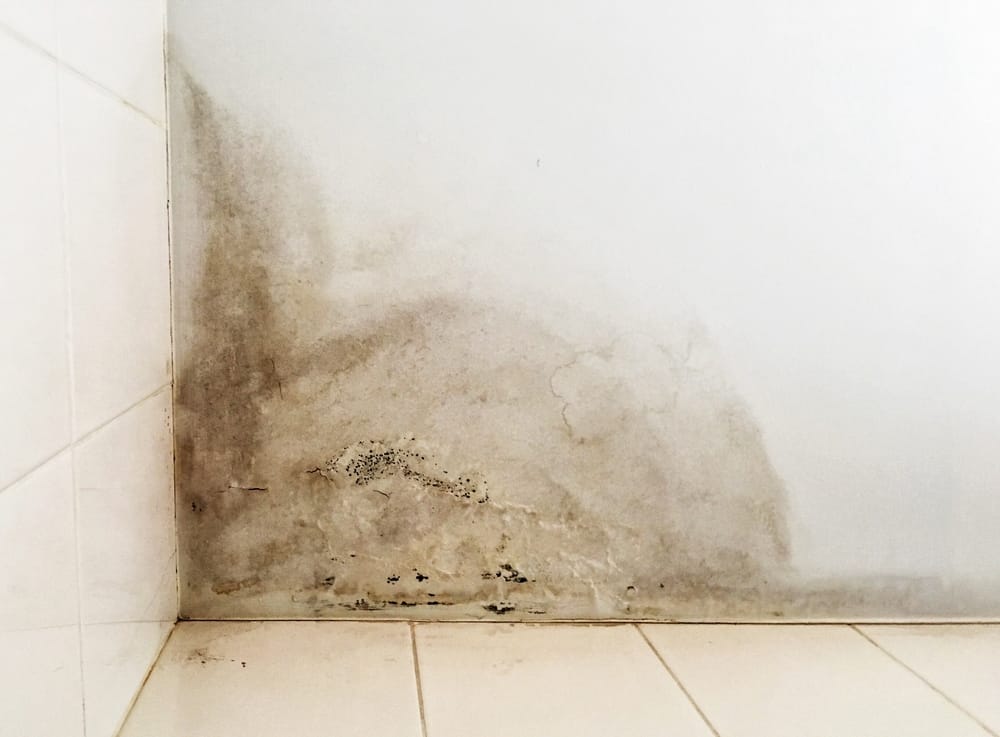
You stop second-guessing the air in your own home. That musty smell in the basement, the discoloration behind the bathroom tile, the headaches that seem worse indoors those things have real causes, and mold is one of the most common ones. When it’s fully removed not painted over, not surface-treated the indoor air quality in your home changes in a way you can actually feel.
For homes in Belle Terre, that matters more than most people realize. The village sits on three sides of open water, and the marine air coming off Long Island Sound keeps humidity elevated in ways that inland communities simply don’t experience. Older homes here and the majority were built before 1980 were never designed with modern moisture barriers. That means moisture works its way into wall cavities, crawl spaces, and attic framing quietly, over years, before it ever becomes visible. By the time you see it, it’s usually been there a while.
Getting it fully remediated protects more than your health. A home in Belle Terre is a significant financial asset average sale prices here have exceeded $1.35 million. Mold that’s left untreated doesn’t stay contained. It spreads into framing, insulation, and subfloor materials, and it shows up in inspection reports when you eventually sell. Complete, documented mold removal is one of the most practical investments a homeowner in this village can make.
Mold Removal Companies Belle Terre NY
We’ve been handling mold removal and property restoration across Nassau and Suffolk County since the early 1990s that’s 31 years of working on the kinds of homes that define Belle Terre and the surrounding North Shore: Tudor-style estates, mid-century ranches on bluff lots, older waterfront properties where coastal moisture has had decades to find its way in.
We’re IICRC-certified, fully licensed under New York State Article 32 which has required mandatory licensing for all mold remediation contractors since 2016 and we’re licensed, bonded, and insured. We also coordinate directly with insurance carriers, which matters when you’re managing a significant claim on a high-value property.
Belle Terre is a gated village with high standards, and we operate accordingly. When we show up, we show up professionally, we document everything, and we don’t leave until the job is verified complete including post-remediation air quality clearance.
Residential Mold Removal Process Belle Terre
It starts with a thorough inspection. Before anything is removed or treated, we assess the full scope of what you’re dealing with visible mold, hidden moisture, and air quality. In older Belle Terre homes, that often means going beyond the obvious: checking crawl spaces, attic framing, behind original plaster walls, and around aging plumbing systems where slow leaks tend to go unnoticed for years. We use moisture sensors, thermal imaging, and particle counters to find what you can’t see from the surface.
Once we know the full picture, we contain the affected area using physical barriers and negative air pressure to prevent spores from spreading to unaffected parts of your home during remediation. Then we physically remove mold-affected materials drywall, insulation, framing if necessary and treat remaining surfaces using HEPA vacuuming and air scrubbing. This is not a spray-and-walk-away process. Every affected material gets addressed.
Because Belle Terre falls under New York State’s Article 32 licensing requirements, all remediation work is performed by a licensed contractor. If your project involves structural changes removing drywall or replacing framing we’ll walk you through any permit requirements with the Village of Belle Terre’s building department as well. After the work is done, we conduct post-remediation clearance testing to verify the air quality meets safe standards before we close out the job. You get documentation. You get proof. Not just our word.
Ready to get started?
Attic and Basement Mold Removal Belle Terre
Mold removal in Belle Terre, NY isn’t a one-size situation. The specific problems we find here and the way we address them reflect what actually happens to older homes in a coastal, high-humidity environment over decades of exposure.
Attic mold is one of the most common issues we encounter in Belle Terre. Older homes with complex roof lines and limited ventilation trap warm, moist interior air against the roof deck all winter long. In Tudor-style homes some of the oldest in the village that problem is compounded by original insulation that absorbs and holds moisture rather than repelling it. Basement and crawl space mold removal in Belle Terre, NY follows a similar pattern: original foundation construction, no vapor barriers, and ground moisture that has had decades to work through aging concrete and block walls. Bathroom mold removal is often the entry point homeowners notice it first on tile grout or caulking but it’s rarely the only place it exists in an older home.
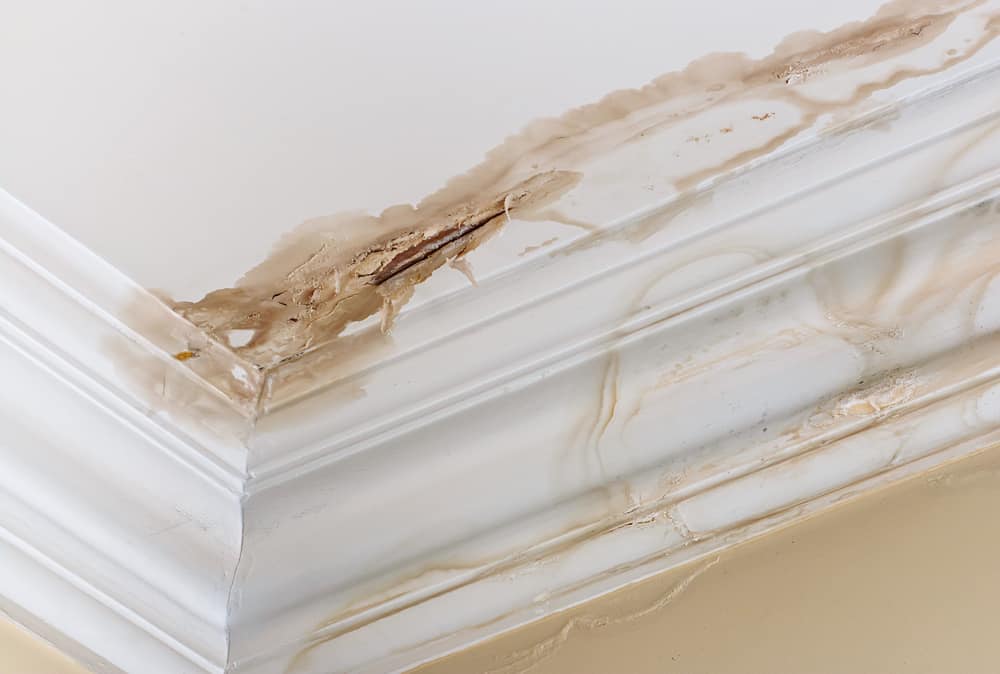
Our full-service approach covers the complete process from inspection through post-remediation verification. That includes mold inspection, air quality testing, containment, physical remediation, water damage restoration if a moisture source is involved, drying and dehumidifying, and final clearance. We also handle toxic mold cleanup including black mold removal using the same containment and HEPA filtration protocols regardless of mold type. If your home has experienced water intrusion from a nor’easter or storm event, we respond 24 hours a day, seven days a week, because mold spores can begin colonizing new surfaces within 72 hours of water exposure. Waiting is never the right call.
Is mold common in Belle Terre homes, and what causes it?
Yes and the reasons are fairly specific to where Belle Terre sits geographically. The village occupies the tip of the Mt. Misery peninsula with Long Island Sound on three sides, which means homes here are exposed to marine air year-round. That air is salt-laden and consistently high in humidity, often exceeding 70–80% relative humidity during summer months. That level of ambient moisture, combined with older construction that lacks modern vapor barriers and moisture-resistant insulation, creates near-ideal conditions for mold growth.
The age of the housing stock is the other major factor. More than 75% of homes in Belle Terre were built before 1980, and a significant number predate 1940. Homes of that era have original plumbing more prone to slow leaks, unencapsulated crawl spaces exposed to ground moisture, and attic spaces with limited ventilation. Mold in these homes often develops slowly and quietly inside wall cavities, beneath floors, or in attic framing long before it becomes visible or produces a noticeable odor. By the time most homeowners call us, the problem has typically been developing for months.
How much does mold removal cost in Belle Terre, NY?
The honest answer is that it depends on the scope, and scope varies significantly in older homes. For most residential mold remediation projects, costs typically fall between $1,200 and $4,000. Attic mold removal in Belle Terre, NY which is one of the more common scenarios given the older roof structures and limited ventilation in many homes here generally runs in the $1,000 to $4,000 range depending on how much of the roof deck and framing is affected. Larger or more complex jobs involving multiple areas of the home, structural material removal, or significant water damage restoration can run higher.
What affects cost most is how far the mold has spread by the time it’s discovered, and how accessible the affected areas are. In a home with original plaster walls or a finished basement, accessing and remediating hidden mold requires more labor than in an open crawl space. We provide a detailed estimate before any work begins what we quote is what you pay. If your situation involves a covered water damage event, we also coordinate directly with your insurance carrier to document the damage properly and work through the claims process with you.
What's the difference between mold inspection and mold remediation in New York?
This is an important distinction in New York specifically, because the state handles it differently than most. Under New York State Article 32 of the Labor Law, mold assessment and mold remediation must be performed by separate, independently licensed entities. The same company cannot inspect your home and then remediate it on the same project that’s a conflict-of-interest rule built into state law to protect homeowners from inflated scopes and unnecessary work.
A mold assessment involves inspecting the property, collecting air and surface samples, and producing a written remediation plan. A licensed mold assessor handles this. Mold remediation the physical removal of mold-affected materials, containment, and post-remediation verification is performed by a separately licensed mold remediation contractor. We hold the required NYS Mold Remediation Contractor license. If you haven’t had a formal assessment yet, we can help you understand the process and connect you with a licensed assessor before remediation begins. Working with unlicensed contractors for either service is illegal in New York and can complicate insurance claims significantly.
How quickly does mold spread after a storm or water event in my home?
Faster than most people expect. Mold spores are always present in the air the issue is whether they have the moisture and organic material they need to colonize a surface. When water intrusion occurs, that window opens quickly: mold can begin actively growing on wet drywall, insulation, or wood framing within 72 hours of exposure. In a home with older building materials which describes the majority of homes in Belle Terre that timeline can be even more compressed because aged wood framing and original insulation absorb and retain moisture more readily than modern materials.
This is why nor’easters and coastal storm events on the North Shore are particularly high-risk situations for Belle Terre homeowners. A storm that drives water through an aging foundation wall, a failed roof valley, or a compromised window seal on a bluff-facing home can introduce significant moisture into wall cavities without any visible flooding. By the time you notice a musty smell or visible growth, the colonization process is already well underway. If you’ve had a water event even one that seemed minor getting a professional assessment within the first 48 hours is always the right move. We’re available 24/7 for exactly that reason.
Does homeowners insurance cover mold removal in Belle Terre, NY?
It depends on the cause of the mold, and the distinction matters. Most standard homeowners insurance policies in New York will cover mold remediation when it’s a direct result of a covered water damage event a burst pipe, storm-driven water intrusion, or roof damage from a nor’easter, for example. What policies typically exclude is mold that results from long-term neglect, chronic moisture issues, or gradual water intrusion that wasn’t reported promptly.
For Belle Terre homeowners, this means that documenting water events quickly and getting a professional assessment on record as soon as possible after a storm or plumbing failure is genuinely important not just for your health, but for your claim. The longer you wait, the harder it becomes to establish the direct link between the water event and the mold growth. We work directly with insurance carriers and handle the documentation process on your behalf. We know what adjusters look for, how to present the scope of damage accurately, and how to ensure the remediation plan aligns with what your policy covers. You don’t have to navigate that process alone.
Can mold in my Belle Terre home affect its resale value or a sale inspection?
Yes, directly and significantly. Mold is one of the most common issues flagged during home inspections, and in a market where Belle Terre homes regularly sell above $1.35 million, a mold finding during a buyer’s inspection can derail a sale, trigger price renegotiations, or require rushed remediation under deadline pressure which is never the ideal way to handle it.
Beyond the transaction itself, untreated mold continues to damage the structural materials it’s growing in. Wood framing, subfloor sheathing, and roof decking that have sustained active mold growth for an extended period lose structural integrity over time. In a home where much of the original framing dates back 50 or more years, that deterioration compounds existing age-related wear. Addressing mold proactively with documented, post-remediation clearance verification gives you a paper trail that demonstrates the issue was handled properly and professionally. That documentation is valuable both for your own peace of mind and as a disclosure asset if you sell. Buyers and their agents in this price range ask detailed questions, and having certified remediation records is a meaningful advantage.
Useful Links
Other Services we provide in Belle Terre