
Hear from Our Customers
You stop guessing. That’s the first thing. No more wondering if the musty smell in the basement is something serious, or whether the dark spot behind the bathroom wall has spread. When mold removal is done properly — not just sprayed over, but fully remediated and lab-confirmed — you get your home back. You breathe easier, literally and figuratively.
For Bellerose Terrace homeowners specifically, that matters more than it might somewhere else. These homes were built before modern moisture management existed. Foundations from the 1930s and 1940s weren’t designed with today’s waterproofing standards. Attics above Cape Cod dormers trap humidity all summer long. Finished basements in closely packed Colonials can harbor mold inside wall cavities for years before anyone notices a smell or a stain. When a home this age has a moisture problem, it doesn’t stay small.
There’s also the financial side. Median home values in Bellerose Terrace sit around $562,700. Research consistently shows that homes with known mold problems lose 20% to 37% of their resale value — and half of buyers walk away entirely once mold is mentioned. A properly remediated home with documented clearance testing is a protected investment. That’s what professional mold removal in Bellerose Terrace, NY actually gives you.
First Response Restoration and Cleaning Inc. has been serving Nassau County homeowners for over 31 years. That’s not a number we throw around — it’s the difference between a crew that’s read about older Long Island housing and one that’s actually worked inside it. We know what pre-war foundations look like when they fail. We know how Cape Cod attics behave in a humid Long Island summer. We’ve seen the finished basements in Bellerose Terrace’s tightly packed Colonials, and we know exactly where moisture hides in them.
Every technician who enters your home holds IICRC certification — not just the project manager, not just the owner, but every single person on the crew. We’re also fully licensed under New York State’s Article 32 mold law, which governs both mold inspection and mold remediation separately. And because many mold situations in Bellerose Terrace start with a water intrusion event — a pipe, a roof, a foundation crack — we handle water damage restoration too. One call covers both sides of the problem.
It starts with a thorough inspection — and in a Bellerose Terrace home built in the 1930s or 1940s, that means going further than a visual walkthrough. Our certified technicians use a five-point protocol: a full visual assessment, air sampling to detect elevated spore counts even where nothing is visible, surface swab sampling sent to an independent lab, boroscopic wall cavity examination so we can see inside walls without tearing them open, and non-invasive moisture measurement to map exactly where water is entering. In homes this age, mold is often well-established inside a wall long before it shows up on the surface.
Once the inspection is complete, you receive lab results within two to three business days — chain-of-custody documentation that meets legal evidence standards. If remediation is needed, we proceed under New York State’s Article 32 requirements, which legally require that assessment and remediation be performed by separately licensed parties. We follow that law without exception, and we explain it clearly so you understand what’s happening at every step.
After remediation, we don’t just pack up and tell you it’s done. Post-remediation clearance testing confirms — with the same lab process — that your home meets safe air quality standards. You get written documentation of a clean result. That’s what “done” actually means.
Ready to get started?
Mold doesn’t pick one room. In Bellerose Terrace’s older housing stock, it shows up in basements where aging foundations allow groundwater to seep in, in attics where inadequate ventilation traps summer humidity, in bathrooms where exhaust fans vent into wall cavities instead of outside, and in crawl spaces that haven’t been properly sealed in decades. We offer mold removal services covering all of it — basement mold removal, attic mold removal, bathroom mold removal, crawl space mold removal, and full toxic mold cleanup when the situation calls for it.
Beyond the physical removal, you receive lab-confirmed documentation at every stage. That includes the initial inspection report, chain-of-custody lab results, and post-remediation clearance testing — the written proof that your home passed. This documentation matters when you’re dealing with insurance, when you’re preparing to sell, or when you simply need to know the job was done right. We also offer up to $500 toward your insurance deductible on qualifying mold, water, or fire-related claims — a program no other mold removal company identified in the Bellerose Terrace market currently offers.
Because many mold events in this area trace back to water damage — storm intrusion, pipe failures, or the kind of slow foundation seepage common in pre-war Nassau County homes — our team handles water damage restoration alongside mold remediation. You don’t need to coordinate two separate companies. We address the mold and what caused it, in the same engagement.
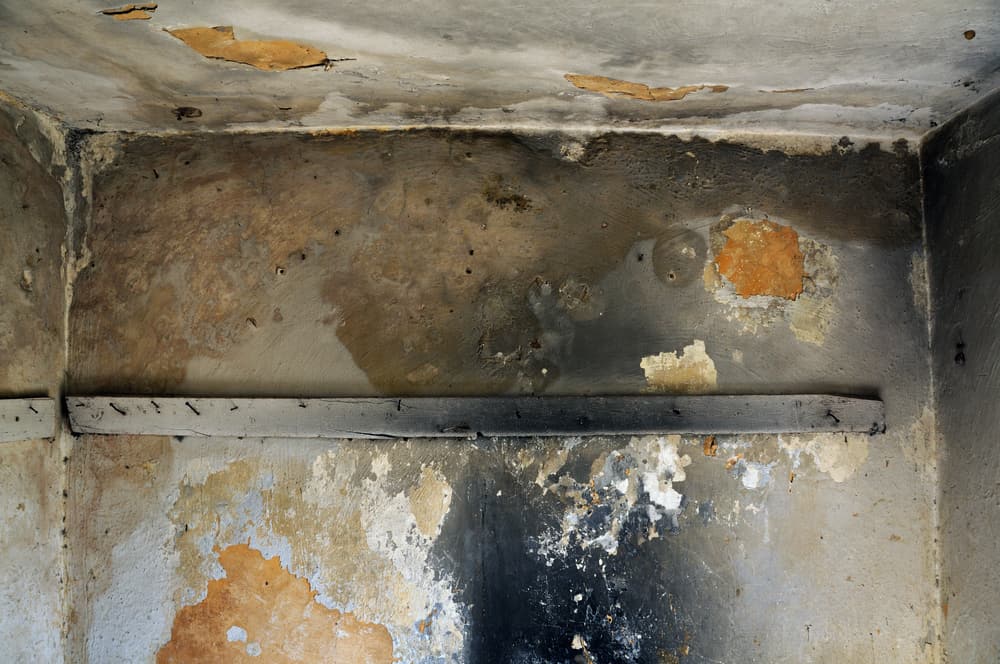
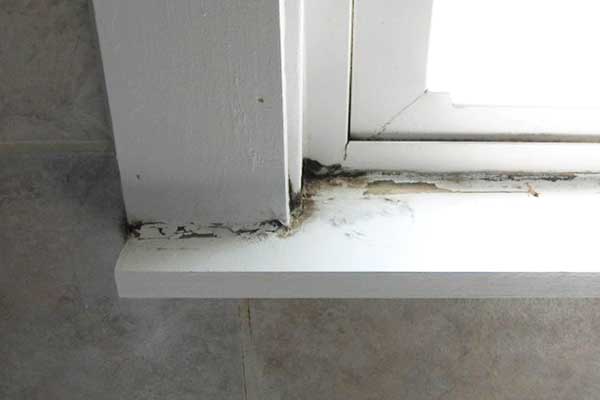
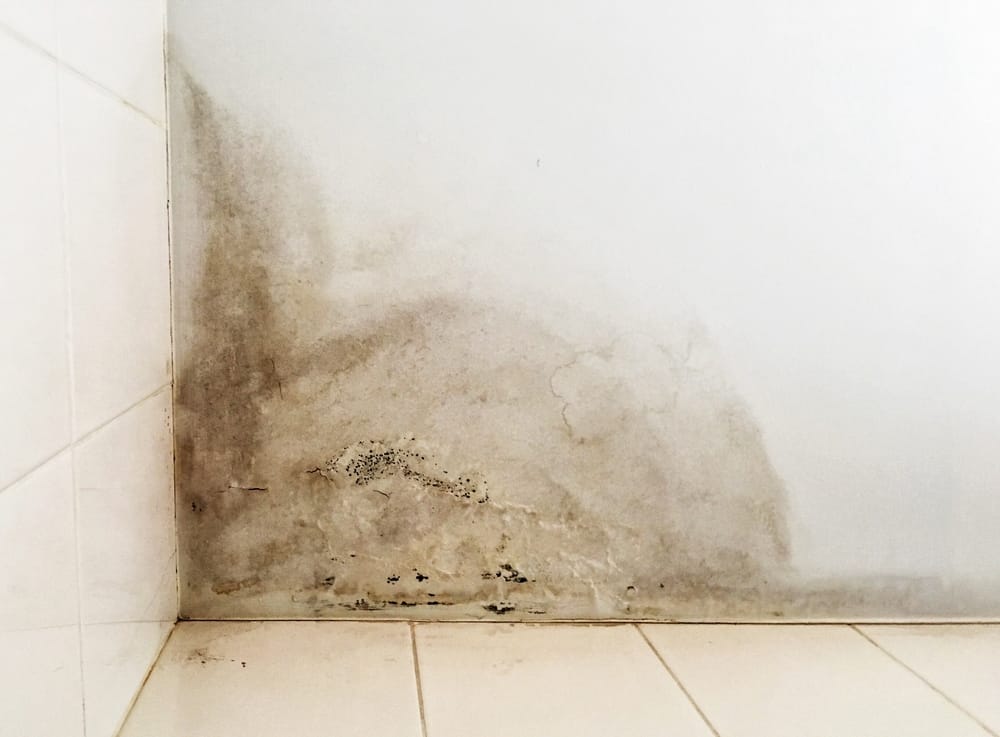
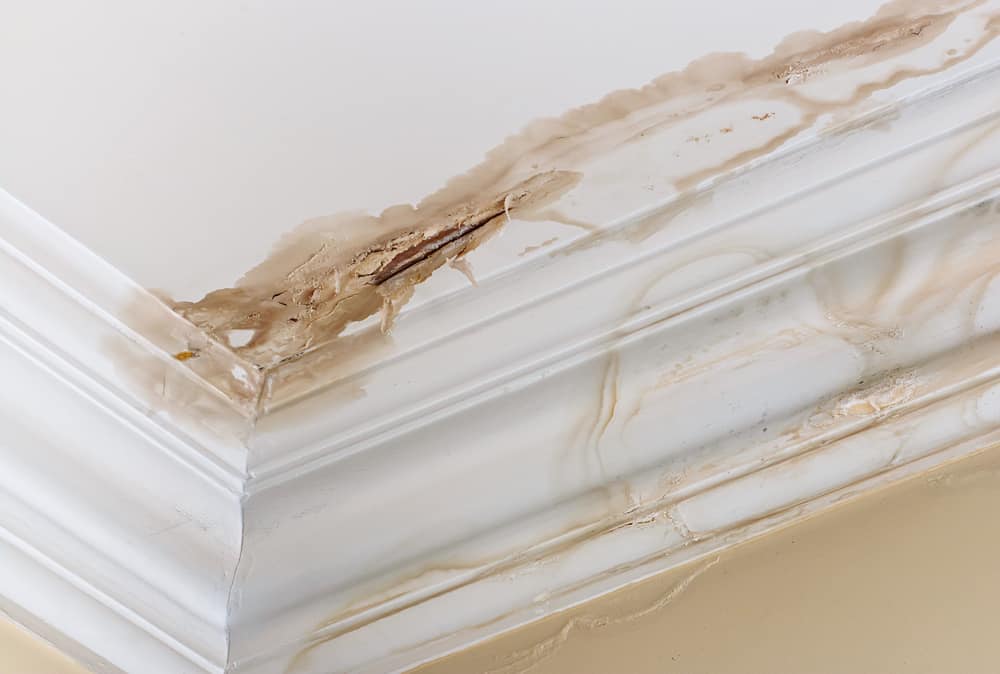
The honest answer is that in a home built before 1940, you often can’t tell just by looking. Mold grows inside wall cavities, above ceiling drywall, under flooring, and in attic spaces — places that don’t reveal themselves until the problem is significant. The most common signs homeowners notice are a persistent musty smell (especially in basements or after rain), unexplained allergy or respiratory symptoms that improve when you leave the house, visible discoloration on walls or ceilings, or a history of water intrusion events like flooding, roof leaks, or plumbing failures.
In Bellerose Terrace specifically, the combination of aging foundations, closely spaced homes, and Long Island’s humid summers creates conditions where hidden mold is genuinely common — not a worst-case scenario. If your home was built before 1969 and has a finished basement or a Cape Cod attic, a professional inspection using air sampling and boroscopic wall examination is the only way to know for certain. A surface check alone won’t find what’s growing inside the walls.
The range is wide because the scope varies significantly. Nationally, the average mold remediation cost runs around $2,300, with most residential jobs falling between $1,500 and $6,000 depending on the size of the affected area, how accessible it is, and whether structural materials like drywall need to be removed and replaced. Attic and crawl space remediation typically runs higher due to access challenges and the labor involved.
In Nassau County, you should also factor in the cost of inspection and post-remediation clearance testing — both of which are separate from the remediation itself under New York State’s Article 32 mold law. Any company that quotes you a single flat price covering assessment, remediation, and clearance in one bundled package without explaining the licensing separation is worth questioning. The right way to get an accurate number is a proper inspection first, followed by a scope-based remediation quote. We’re transparent about what each phase costs and why.
It depends on what caused the mold, and that distinction matters. Most standard homeowners insurance policies will cover mold remediation if it resulted directly from a covered water damage event — a sudden pipe burst, a roof failure from a storm, or an appliance leak, for example. What they typically won’t cover is mold that developed from long-term neglect, gradual seepage, or flooding from outside (which usually requires separate flood insurance).
For Bellerose Terrace homeowners, this is especially relevant because many of the water intrusion events that trigger mold in older homes — foundation seepage, aging plumbing failures, storm-related roof damage — fall into a gray area that requires clear documentation to support a claim. That’s why our chain-of-custody lab reports and inspection documentation are built to meet legal evidence standards. We also offer up to $500 toward your deductible on qualifying claims, which reduces your out-of-pocket exposure while the insurance process plays out. If you’re unsure whether your situation is covered, we can help you understand what documentation your adjuster will need.
Black mold — most commonly Stachybotrys chartarum — is a legitimate health concern, particularly for children, elderly residents, and anyone with respiratory conditions or a compromised immune system. Symptoms associated with prolonged exposure include chronic coughing, nasal congestion, headaches, fatigue, and in more serious cases, respiratory distress. In a multigenerational household, which is common in Bellerose Terrace given the community’s demographics, the risk profile is higher because multiple vulnerable individuals may be sharing the same air.
On urgency: mold begins growing within 24 to 48 hours of a water intrusion event, and black mold in a basement can spread to structural materials — floor joists, subfloor, framing — relatively quickly once it’s established. Waiting to see if it gets worse is not a strategy that works in your favor. The longer it’s there, the more structural material is involved, and the more expensive remediation becomes. If you’re seeing black discoloration in your basement or smelling something persistent, getting a certified inspection scheduled quickly is the right move — not because we’re trying to create urgency, but because the biology of mold genuinely doesn’t wait.
Mold itself doesn’t travel through the air from one home to another under normal residential conditions — but the moisture conditions that create mold absolutely can. In a neighborhood as densely built as Bellerose Terrace, where homes are closely spaced and many share drainage patterns, a neighbor’s foundation drainage problem can affect groundwater pressure against your foundation. A shared driveway that channels water toward a property line can saturate soil around both structures. Party walls between row homes can transmit moisture from one unit to the next.
What this means practically is that if your neighbor has had a significant water intrusion event or visible mold problem, it’s worth paying attention to your own basement and lower-level walls — not out of alarm, but because the underlying moisture conditions that cause mold in one tightly packed home often exist in adjacent ones. A non-invasive moisture assessment can tell you whether elevated moisture levels are present in your walls before they become a visible mold problem.
For a contained area — a single bathroom, a section of basement wall, or a localized attic section — remediation can often be completed in one to two days. Larger or more complex situations, like mold that has spread through a finished basement or into structural framing behind drywall, typically take three to five days once the scope is established. Attic remediation in a Cape Cod-style home, which is common in Bellerose Terrace, can take longer depending on access and the extent of the affected area.
After remediation is complete, post-remediation clearance testing requires an additional lab turnaround of two to three business days before you receive your written clearance report. That timeline is fixed — the lab process can’t be rushed — but it’s also the step that gives you documented proof the work was done correctly. The full timeline from initial inspection to final clearance report typically runs one to two weeks for most residential jobs in Nassau County, depending on scheduling and scope. We walk you through the expected timeline at the start so there are no surprises.
Useful Links
Other Services we provide in Bellerose Terrace