
Mold Removal in Center Moriches, NY
When Senix Creek Comes Inside, Mold Follows Fast
Hear from Our Customers
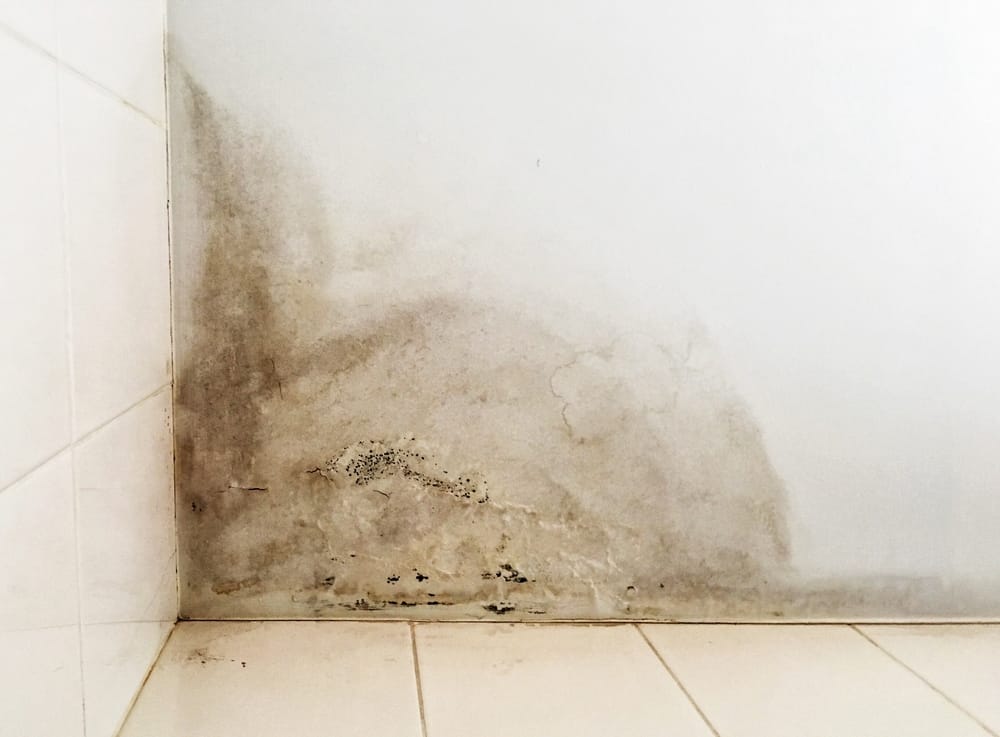
Professional Mold Removal Services Center Moriches
Mold isn’t just an eyesore. It circulates through your air, settles into wall cavities, and quietly affects the people living inside especially kids. When it’s gone and the air clears, the difference is real. You stop second-guessing the smell in the basement. You stop wondering if the cough that won’t quit is coming from the house.
For Center Moriches homeowners, this isn’t a once-in-a-decade problem. Senix Creek and Mudd Creek cut directly into residential neighborhoods here, and the tidal water they carry doesn’t care what season it is. When those water levels rise after a nor’easter or a heavy rain event, it finds its way into crawl spaces and below-grade areas fast and mold follows within 24 to 72 hours.
The older housing stock in Center Moriches makes it worse. Homes built in the postwar era many of which line the creek corridors weren’t designed with today’s moisture management standards. Crawl spaces go unventilated. Basement waterproofing degrades. What starts as a damp smell becomes a structural issue if it’s left alone. Getting it properly remediated means you protect the home’s value, your family’s health, and your ability to sell without surprises down the road.
Mold Removal Companies in Center Moriches, NY
First Response Restoration and Cleaning Inc. has been serving Nassau and Suffolk County homeowners for over three decades. That’s not a number we throw around lightly it means we’ve worked through Hurricane Sandy’s aftermath in the Center Moriches corridor, handled the seasonal flooding cycles that come with South Shore living, and remediated homes that sit right on the water along Senix Creek and Moriches Bay.
Every technician we send is IICRC-certified under the ANSI/IICRC S520 standard the industry benchmark for professional mold remediation. We’re also fully licensed under New York State Article 32, which is the mandatory licensing law for mold contractors in this state. Licensed, bonded, and insured. That’s not a checkbox it’s what separates legitimate work from the kind that gets your insurance claim denied.
We’re based in West Babylon, right down Montauk Highway from Center Moriches. We’re not dispatching from another county or learning your neighborhood on your dime. We already know what coastal South Shore homes deal with and we come prepared for it.
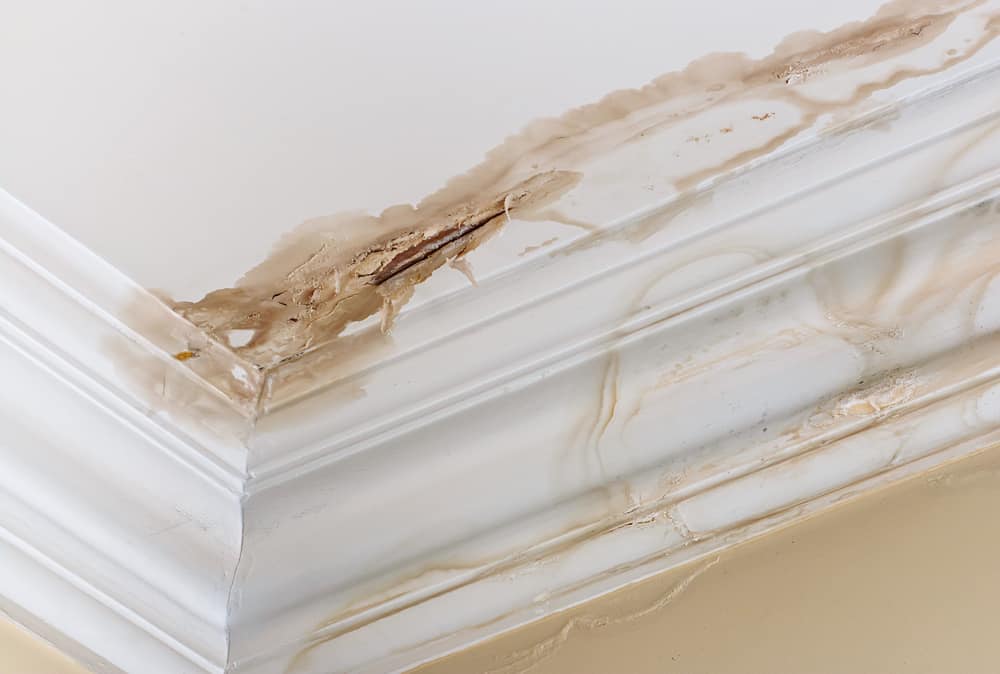
Safe Mold Removal Process in Center Moriches
When you call, a real person answers not a voicemail. We’ll ask you a few straightforward questions about what you’re seeing, where it is, and whether there’s been any recent water intrusion. From there, we schedule an inspection, often same-day or next-day, because in a community like Center Moriches where tidal flooding can move fast, waiting isn’t an option.
During the inspection, we use moisture meters and air quality testing to find mold where it’s actually living not just where it’s visible. In waterfront homes along the creek corridors, that often means checking below-grade spaces, behind finished walls, and inside HVAC systems where spores travel. We give you a clear scope and a firm price before any work begins. What we quote is what you pay.
Remediation starts with full containment we isolate the affected area so spores don’t spread to clean parts of the house during the process. Then comes physical removal of contaminated materials, HEPA air filtration, and antimicrobial treatment. If your project falls under Town of Brookhaven building permit requirements which applies when structural materials like drywall or flooring need to come out we’ll walk you through that process. We also coordinate directly with your insurance carrier if the damage is covered. When the work is done, post-remediation clearance testing confirms the job is complete. You get documentation you can actually use.
Ready to get started?
Residential Mold Removal Services Center Moriches, NY
Mold in Center Moriches shows up in predictable places and a few that catch homeowners off guard. Attic mold is one of the most common calls we get on the South Shore. Every winter, heating systems push warm air into cold attic spaces, and when that air hits the underside of the roof sheathing, it condenses. Add the coastal humidity that rolls in off Moriches Bay through the warmer months, and attic mold removal in Center Moriches becomes a near-seasonal issue for homes that aren’t properly ventilated.
Basement mold removal and crawl space mold removal in Center Moriches are equally common especially for properties south of Montauk Highway, closer to the bay and creek lines. These below-grade spaces sit in the path of groundwater intrusion and tidal fluctuation. If your home was flooded during Sandy and the remediation wasn’t done properly, there may be legacy contamination in wall cavities or under flooring that’s been quietly growing since 2012.
We also handle bathroom mold removal, black mold removal, and toxic mold cleanup throughout the home including air duct treatment when mold has entered the HVAC system. For commercial properties along the Montauk Highway corridor, we offer commercial mold removal and mold mitigation services with the same IICRC-certified standard. Every job residential or commercial includes containment, physical removal, HEPA filtration, and clearance testing. No shortcuts, no surface-only treatments.
How quickly does mold grow after flooding in a Center Moriches home?
Mold can begin colonizing within 24 to 72 hours of moisture exposure and in Center Moriches, that window matters more than almost anywhere else on Long Island. When Senix Creek or Mudd Creek overflow during a storm event, or when Moriches Bay pushes water inland during a nor’easter, homes in the creek corridors can take on water fast. By the time the water recedes and things look dry on the surface, mold may already be establishing itself in your crawl space, behind your walls, or under your flooring.
The critical thing to understand is that surface drying doesn’t mean structural drying. Materials like wood framing, insulation, and drywall hold moisture long after the standing water is gone and that retained moisture is exactly what mold feeds on. If your home has experienced any water intrusion, getting a moisture assessment done quickly is the most important step you can take. Don’t wait until you see visible growth or smell something off. By then, the problem is already bigger than what’s on the surface.
Does homeowners insurance cover mold removal costs in Center Moriches, NY?
It depends on what caused the mold, and the distinction matters. If mold resulted from a sudden, covered event a burst pipe, a roof failure during a storm, or water damage from a covered loss your homeowners insurance policy will often cover at least part of the remediation cost. However, if the mold developed gradually from long-term moisture buildup or deferred maintenance, most policies won’t cover it.
For Center Moriches homeowners, this gets complicated quickly. Flooding from tidal creeks or Moriches Bay is typically considered a flood event, which falls under a separate flood insurance policy not standard homeowners coverage. If you have NFIP or private flood insurance, that’s where mold claims related to storm surge or creek overflow would be filed. We work directly with insurance carriers and can help document the damage in a way that gives your claim the best chance of approval. We’ve navigated this process for South Shore homeowners many times, and we know how to present the scope correctly so nothing gets left on the table.
What's the difference between mold removal and mold remediation?
You’ll see both terms used, sometimes interchangeably, but they’re not quite the same thing. Mold removal refers specifically to the physical act of taking contaminated materials out of the space. Mold remediation is the full process containment, removal, air filtration, treatment of surfaces, and post-remediation clearance testing to confirm the area is clean. Remediation is the standard you want, because removal alone doesn’t address the spores that have become airborne or the conditions that allowed mold to grow in the first place.
In a coastal community like Center Moriches, where moisture sources are ongoing tidal water, bay humidity, seasonal flooding remediation without addressing the underlying moisture condition is only part of the answer. A legitimate remediation company will identify the moisture source, eliminate the mold, and give you documentation that the work was completed to a verifiable standard. That documentation matters if you ever sell your home or file an insurance claim down the road. Under New York State Article 32, the contractor performing this work must be licensed so always ask to see that license before anyone starts.
How much does mold removal cost in Center Moriches, NY?
Most residential mold remediation projects fall somewhere between $1,200 and $3,800 for a contained area a single room, a bathroom, or a section of basement. Larger jobs involving crawl spaces, attics, or multiple areas of the home can run from $5,000 to $15,000 or more, depending on how far the contamination has spread and what materials need to come out.
In Center Moriches specifically, waterfront and near-waterfront properties tend to run toward the higher end of that range. Homes along Senix Creek or Mudd Creek often have mold in multiple below-grade spaces simultaneously, because the moisture source tidal water and coastal humidity affects the whole underside of the structure, not just one isolated area. The scope of work drives the cost, which is why a thorough inspection before pricing is non-negotiable. At First Response, the estimate you receive before work begins is the number you pay when the job is done no adjustments after the walls are already open, no surprise line items at the end.
Is attic mold common in Center Moriches homes, and what causes it?
Attic mold is one of the most frequently overlooked problems in Long Island South Shore homes and Center Moriches is no exception. The cause is almost always the same: warm, humid air from the living space rises into the attic and meets the cold underside of the roof sheathing. That temperature difference creates condensation, and on wood surfaces, condensation plus time equals mold.
The coastal humidity that comes with living near Moriches Bay makes this worse. During the summer months, the marine air that rolls in off the bay and through the Moriches Inlet keeps ambient humidity elevated and that moisture finds its way into attic spaces through any gap in the building envelope. Older homes in Center Moriches, many of which were built in the 1950s through 1970s, often have inadequate attic ventilation by today’s standards, which compounds the problem. Attic mold removal in Center Moriches typically involves removing contaminated sheathing or insulation, treating exposed wood surfaces, improving ventilation, and confirming clearance with post-remediation testing. It’s a job that needs to be done correctly the first time, because attic mold tends to return if the ventilation issue isn’t resolved alongside the remediation.
How do I know if my Center Moriches home still has mold from Hurricane Sandy?
This is a more common question than most people expect. When Sandy hit in October 2012, the coastal damage in the Center Moriches corridor was among the worst on Long Island’s South Shore. Homes that took on storm surge water were often remediated quickly sometimes by unlicensed contractors working in the post-disaster rush, and sometimes incompletely, because the pressure to get families back into their homes was intense.
Mold that wasn’t fully eliminated in 2012 doesn’t disappear on its own. It goes dormant in low-humidity conditions and reactivates when moisture returns which in Center Moriches, happens every storm season. Signs of legacy contamination include a persistent musty odor that you’ve learned to live with, recurring mold growth in the same spots after cleaning, unexplained respiratory symptoms in household members, or discoloration on walls and floors that keeps coming back. If your home flooded during Sandy and you’re not certain the remediation was done to a licensed, IICRC-certified standard, an inspection is worth having. We can assess whether what’s there now is new growth or something that’s been present since the storm and give you a clear answer either way.
Useful Links
Other Services we provide in Center Moriches