
Mold Removal in Cold Spring Harbor, NY
When Harbor Air and Old Walls Hide More Than You Think
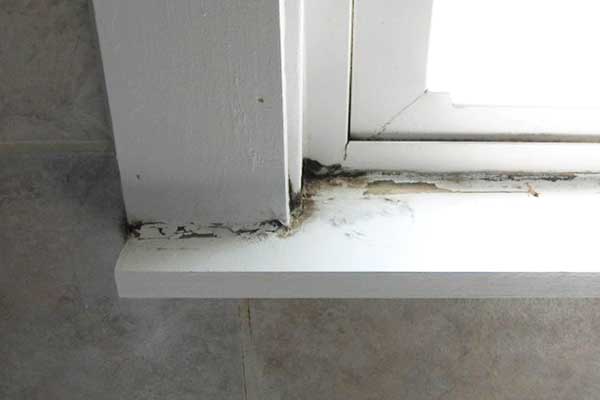
Hear from Our Customers
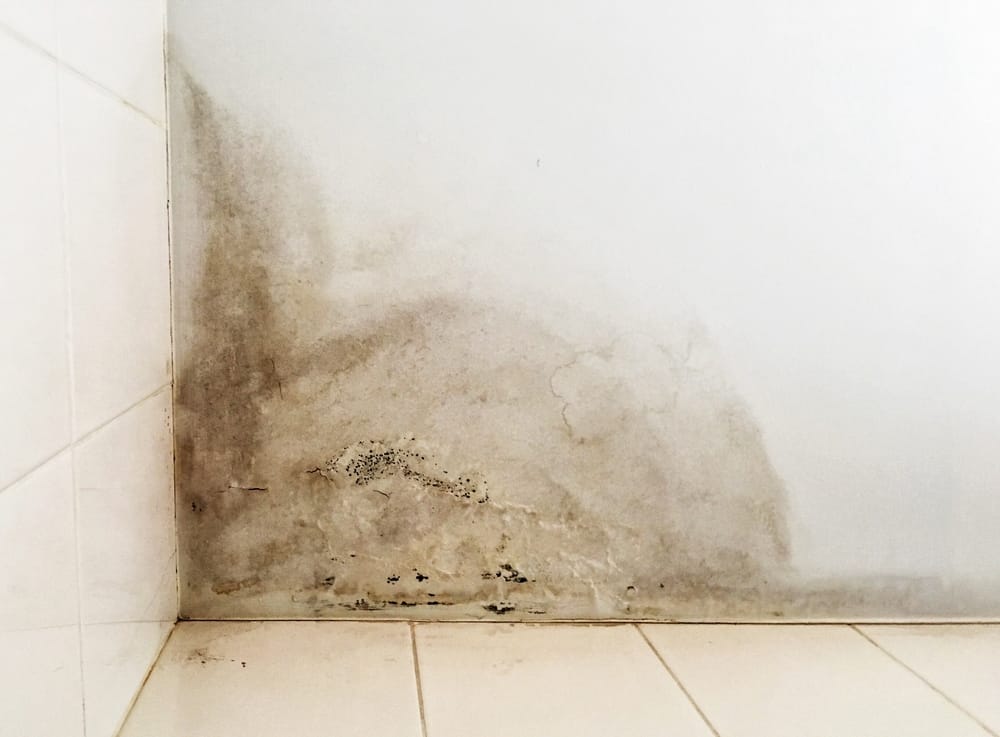
Residential Mold Removal Cold Spring Harbor
The air in your home feels different when mold is no longer living in it. No more musty smell coming up from the crawl space, no more mystery staining on the ceiling above the second floor, no more wondering whether what your kids are breathing is actually clean. That’s what proper mold removal delivers not a surface wipe, but a real fix.
Cold Spring Harbor sits on a tidal harbor surrounded by wooded, hilly terrain. That combination persistent waterfront humidity, clay-heavy soil that holds water against your foundation long after a rainstorm, and densely canopied lots that keep gutters packed with debris creates conditions where mold doesn’t just appear, it keeps coming back if the underlying moisture issue isn’t addressed. Homes here, many of them built well before modern waterproofing was standard, are especially vulnerable in crawl spaces, attics, and older basement walls.
When remediation is done right, the results last. You get clearance documentation you can hand to your insurance company or a future buyer. You get a home that’s structurally sound and safe to live in. And you stop spending money on temporary fixes that don’t hold.
Licensed Mold Remediation Company Cold Spring Harbor
We’ve been working across Long Island for over three decades. That’s not a number we throw around casually it means our technicians have seen what waterfront humidity, North Shore clay soil, and aging construction do to homes over time. We’ve worked throughout Cold Spring Harbor and neighboring communities along Route 25A, through the wooded estates of Laurel Hollow, and in properties that predate modern building codes by a century or more.
We’re IICRC-certified and fully licensed under New York State’s Article 32 mold remediation law which means every job we do in Cold Spring Harbor is legally compliant, properly documented, and backed by post-remediation clearance testing. We cover both Nassau and Suffolk counties, which matters in a community where the county line runs right through the neighborhood.
What you won’t get from us is a surprise bill or an inflated scope. The estimate you receive is the price you pay. Our customers have said it plainly in their reviews, and we intend to keep earning that.
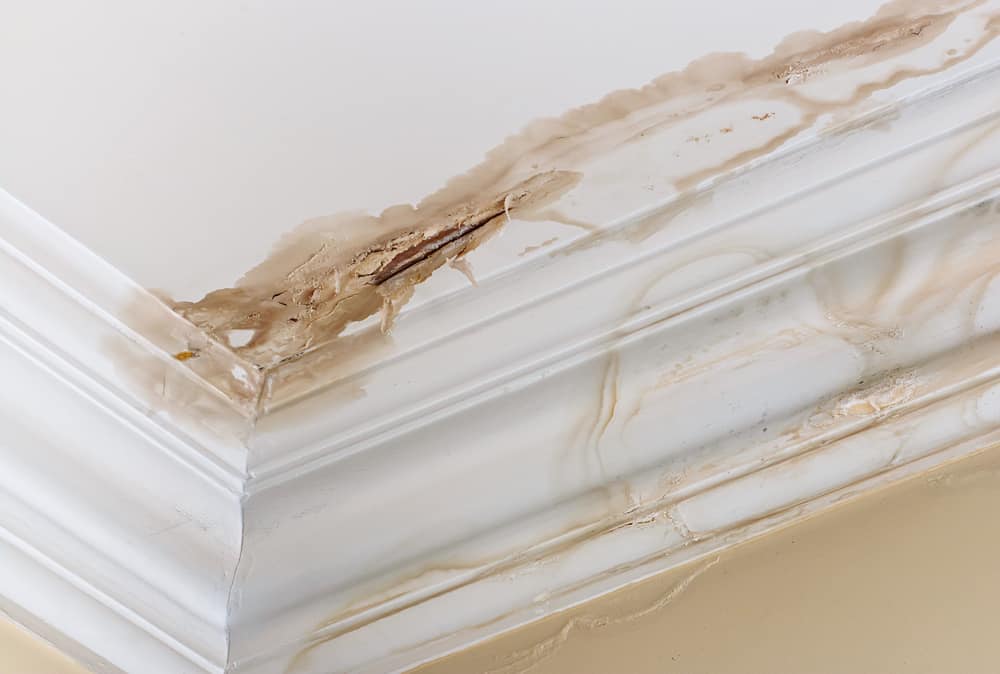
Mold Remediation Process Cold Spring Harbor NY
It starts with a thorough inspection. Before anything is touched, we identify where the mold is, how far it’s spread, and critically where the moisture is coming from. In Cold Spring Harbor homes, that source is often a crawl space without a proper vapor barrier, an attic where roofline debris has allowed water to work its way in, or a basement wall where clay soil has been pushing water through the foundation for years. Finding the source is what separates a real fix from a temporary one.
Under New York State’s Article 32 law, mold projects of 10 square feet or more require a written remediation plan from a licensed NYS Mold Assessor before work begins and the remediator executing the work must be a separately licensed party. We coordinate that process for you, so nothing is skipped and everything is documented correctly from the start.
Once the plan is in place, our crew sets up containment, runs HEPA air filtration, removes mold-affected materials, and treats the structural surfaces that remain. After the work is complete, independent clearance testing confirms the job is done. You receive written documentation something you can actually use if you’re filing an insurance claim or preparing your home for sale.
Ready to get started?
Attic and Crawl Space Mold Removal Cold Spring Harbor
Mold doesn’t stay in one place, and neither do we. Attic mold removal in Cold Spring Harbor is one of the more common calls we get from this area and for good reason. The wooded lots along and around Harbor Road keep gutters full of debris through fall and winter, and when water backs up at the roofline, it finds its way into attic decking quietly. By the time you notice staining on an upper-floor ceiling, the mold has usually been growing for months.
Crawl space mold removal in Cold Spring Harbor is another area where older homes get hit hard. Many properties in this community particularly those built before the 1960s have crawl spaces that sit directly above clay-heavy soil with no vapor barrier between them. That’s a chronic moisture environment, and mold colonizes it fast. We also handle basement mold removal, bathroom mold removal, and black mold removal in Cold Spring Harbor with the same IICRC-certified process applied to every job regardless of size.
Beyond mold, we’re a full-service restoration company. If water damage led to the mold, we handle that too drying, structural repairs, and full recovery under one roof. You don’t have to coordinate multiple contractors or wonder who’s responsible for what.
Does New York State law affect how mold removal works in Cold Spring Harbor?
Yes, and it’s worth understanding before you hire anyone. New York State’s Article 32 law part of the NY Labor Law requires that any mold remediation project covering 10 square feet or more involve two separately licensed parties: a licensed NYS Mold Assessor who creates a written remediation plan before work begins, and a licensed NYS Mold Remediator who executes it. The same contractor cannot legally do both on the same job. After the work is complete, the assessor must return to perform independent clearance testing to confirm the mold has been properly removed.
This law applies to every mold job in Cold Spring Harbor, and it exists specifically to protect homeowners from contractors who cut corners or skip documentation. When you hire us, we walk you through this process from the start nothing is skipped, and you receive proper documentation at the end that holds up with your insurance company and any future home sale. Always ask any mold contractor for their Article 32 license before work begins. If they can’t produce it, that’s your answer.
How much does mold removal typically cost in Cold Spring Harbor, NY?
Cost depends on the size and location of the mold, how far it’s spread, and what materials need to be removed. For smaller contained areas a bathroom wall, a section of basement drywall you’re typically looking at $800 to $2,000. Mid-range jobs involving a larger basement area or a portion of an attic generally run $2,500 to $7,500. For larger-scope projects full attic remediation, crawl space encapsulation, or mold that’s worked its way through multiple areas of an older home costs can range from $7,000 to $22,000 or more.
In Cold Spring Harbor specifically, older homes with plaster walls, unventilated crawl spaces, or attic structures that predate modern ventilation standards can carry higher remediation costs simply because more material is involved and access is more complex. You should also factor in the cost of NYS Article 32 assessment and clearance testing, which typically adds $650 to $1,500 to the overall project. We provide written estimates before any work begins what we quote is what you pay.
Why does mold keep coming back in my Cold Spring Harbor home after I clean it?
Because cleaning the surface doesn’t fix the moisture problem underneath it. Mold needs water to grow and if the source of that water is still active, the mold will return within weeks regardless of what you cleaned it with. In Cold Spring Harbor, the most common recurring moisture sources are crawl spaces without vapor barriers sitting above clay-heavy soil, attics where roofline debris has created a water intrusion pathway, and basement walls where hydrostatic pressure from poor-draining soil pushes moisture through the foundation.
DIY treatments bleach, commercial sprays, paint-over approaches address what you can see on the surface. They don’t address what’s happening inside the wall cavity, under the floor, or in the structural framing behind the drywall. Professional mold removal uses moisture sensors and air particle testing to find what you can’t see, removes the affected materials entirely, and treats the structural surfaces that remain. The goal isn’t to clean the mold it’s to eliminate the conditions that allowed it to grow.
What are the most common places mold shows up in Cold Spring Harbor homes?
The three areas we see most often in Cold Spring Harbor are attics, crawl spaces, and basements and the local environment is a direct reason why. The wooded lots along the harbor produce heavy seasonal debris that clogs gutters and backs water up against rooflines, which leads to attic mold that often goes undetected for months. The clay-heavy soil in the Huntington area retains water against foundation walls and beneath crawl space floors far longer than the sandier soils on the South Shore, which creates chronic moisture conditions in those spaces.
Older homes and Cold Spring Harbor has plenty of them, some dating back to the early 1800s often have crawl spaces without modern vapor barriers and attic structures without adequate ventilation. Those older configurations weren’t built with today’s moisture management standards in mind, which makes them more vulnerable. Bathrooms, laundry rooms, and areas near HVAC systems are also common sites, particularly when ventilation is inadequate or a slow leak has gone unnoticed. If you’re a commuter who’s away from home during the week, a small water event can give mold a 72-hour head start before you even know it happened.
Does homeowners insurance cover mold removal in Cold Spring Harbor, NY?
It depends on what caused the mold. If the mold resulted from a sudden, covered water event a burst pipe, a storm-related roof leak, a failed appliance your homeowners insurance policy will often cover the mold remediation as part of the underlying water damage claim. What policies typically don’t cover is mold that developed from a long-term, unaddressed moisture problem, like a slow foundation leak or a crawl space that’s been wet for years.
The key is documentation. Insurance carriers need evidence of what caused the damage, when it started, and what the scope of the remediation is. That’s exactly what the NYS Article 32 process produces a written assessment, a remediation plan, and a post-clearance report. We work directly with insurance carriers and can help you document the damage properly from the start. If you’re unsure whether your situation is covered, call us before you assume it isn’t many homeowners leave money on the table because they don’t know what to ask for.
How do I know if I have mold in my Cold Spring Harbor crawl space or attic if I can't see it?
The most common signs are a persistent musty smell that you notice most in certain rooms or at certain times of year, unexplained allergy-like symptoms in household members, cold or soft spots in upper floors or ground-level flooring, and visible staining on ceilings or walls that doesn’t have an obvious explanation. None of these are conclusive on their own, but any one of them in a Cold Spring Harbor home especially an older one with a crawl space or a heavily wooded lot is worth taking seriously.
We use moisture meters, thermal imaging, and air particle testing to find mold that isn’t visible to the naked eye. In Cold Spring Harbor specifically, we pay close attention to crawl spaces in older homes along the harbor area and attic decking in properties with large tree canopies overhead both are high-probability locations based on the local conditions we see regularly. If you’ve had any kind of water event in the past year even a minor one and you’re noticing any of the signs above, an inspection is the right first step. It’s far less expensive than discovering a large-scale problem after it’s had time to spread.
Useful Links
Other Services we provide in Cold Spring Harbor