
Hear from Our Customers
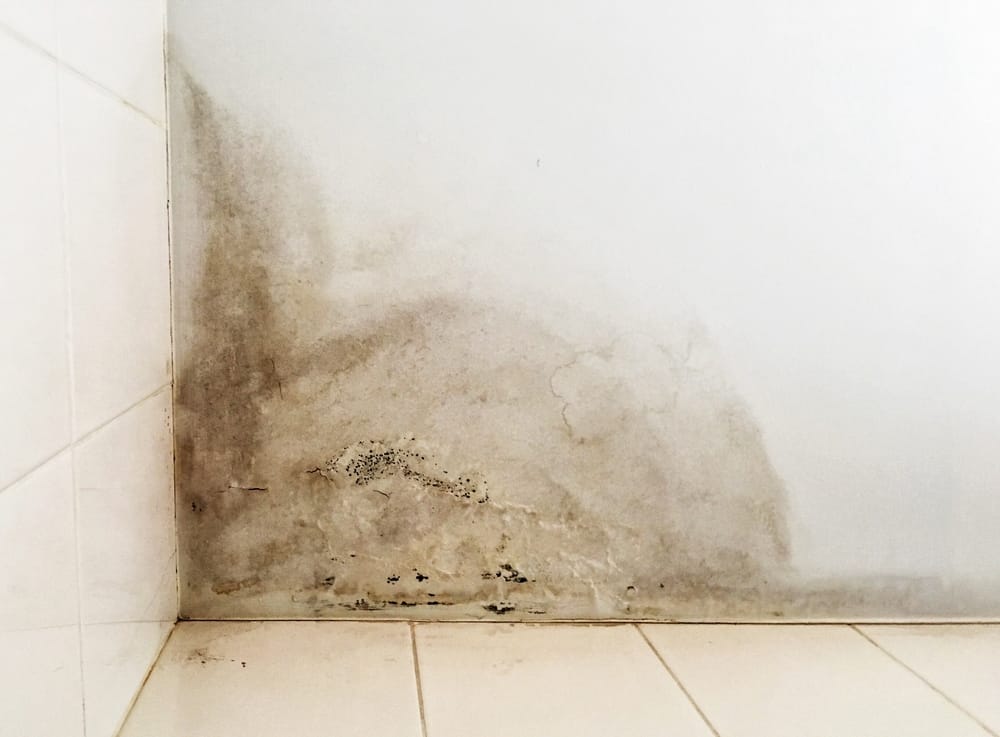
Mold doesn’t just look bad — it affects how your home feels, how it smells, and what it’s worth. Once it’s properly removed, you get your space back. No more musty odor creeping up from the lower level. No more avoiding a room. No more wondering what’s behind the drywall.
For Commack homeowners specifically, that lower level matters. The split-level and hi-ranch homes that dominate this area were built in the 1960s with finished lower levels sitting partially below grade. That design — combined with Long Island’s wet springs and summer humidity — makes basement moisture intrusion one of the most common and most overlooked problems in this zip code. When it’s handled correctly, that space becomes usable again, and your home’s value is protected.
Attic mold is the other one that catches people off guard in Commack. Many of our older homes were built before modern ventilation standards existed, and bathroom exhaust fans vented into the attic instead of outside were standard practice for decades. When that’s corrected as part of remediation, you’re not just removing mold — you’re stopping the cycle that kept bringing it back.
We’ve been serving Nassau and Suffolk County homeowners since the early 1990s. That’s not a marketing number — it means we’ve worked inside the split-levels off Commack Road, the hi-ranch homes near Jericho Turnpike, and the older colonials throughout the hamlet long enough to know exactly what we’re walking into before we even open a wall.
We hold IICRC certification under the ANSI/IICRC S520 Standard for Professional Mold Remediation and carry a valid New York State mold remediation license under Article 32 — which is legally required for any paid remediation work in this state. We’re also fully bonded and insured. For a home in Commack with a median value approaching $860,000, those aren’t optional credentials.
Commack also straddles two town governments — Huntington and Smithtown — each with its own building department. We know the difference, and we handle the complexity so you don’t have to.
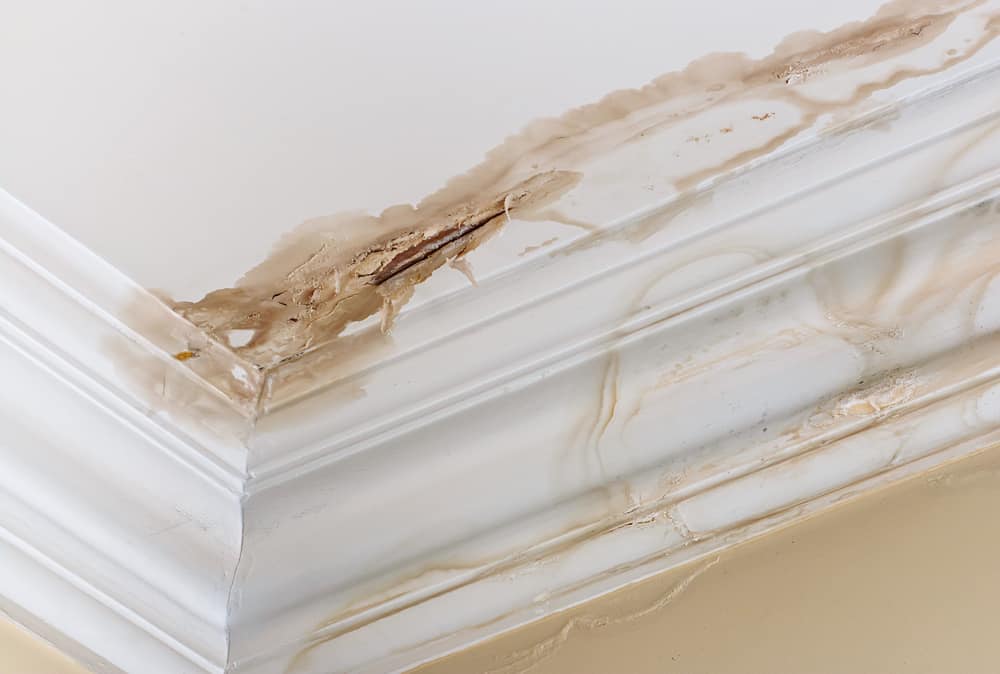
It starts with an honest assessment. We identify where the mold is, where the moisture is coming from, and what it’s going to take to resolve both. In Commack’s older homes, that often means checking below-grade spaces, inspecting attic sheathing for condensation damage, and tracing any plumbing that may have been slowly leaking behind walls for years.
Once we know the full picture, we contain the affected area before anything is disturbed. This matters more than most people realize — mold spores spread fast when materials are removed without proper isolation, and in a split-level floor plan, that contamination can move through the living space quickly. We use negative air machines and HEPA filtration to keep spores from migrating while we work.
Then comes physical removal — not spraying, not painting over it, not surface treatment. Contaminated drywall, insulation, and structural materials come out. After that, we dry, treat, and restore. We handle the full scope: water damage, drying and dehumidifying, and final cleaning. One call covers it. If your specific Commack address falls under Huntington or Smithtown’s jurisdiction, we’ll walk you through what permits, if any, apply to the structural work involved.
Ready to get started?
Mold removal in Commack, NY isn’t one-size-fits-all, and we don’t treat it that way. Whether it’s black mold removal in a basement that flooded after a heavy spring rain on the Commack Road corridor, toxic mold cleanup in an attic that’s been venting moisture into the wrong place for twenty years, or crawl space mold removal in a home near the Sunken Meadow Parkway — the approach changes based on what we find.
Every job includes containment, physical source removal, HEPA air filtration, moisture remediation, and post-remediation verification. We also coordinate directly with your homeowners insurance carrier, handling the documentation and communication so the claim process doesn’t fall on you. For a Commack homeowner with a high-value property, getting the insurance piece right can make a significant difference in what comes out of your pocket.
We serve both residential and commercial properties throughout the hamlet. That includes the kind of institutional clients along Hauppauge Road — where indoor air quality isn’t optional — and the retail and office properties along Veterans Memorial Highway and Jericho Turnpike. Safe mold removal means the same standard regardless of the building type: licensed, contained, documented, and done right.
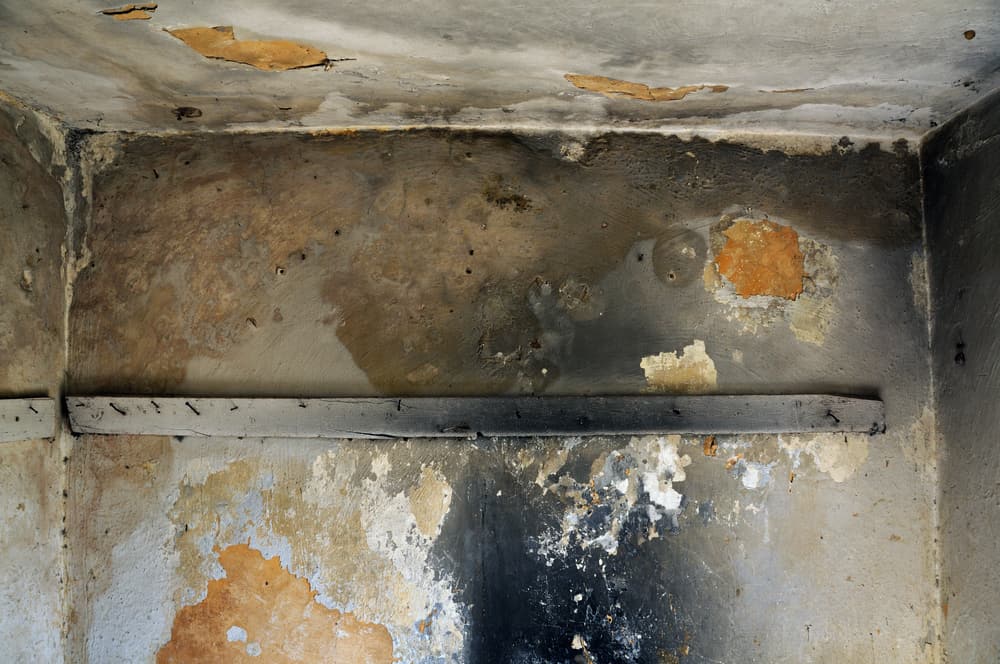
It’s more common in Commack than most people expect, and the reason usually comes down to the age and design of the housing stock. Nearly three-quarters of homes in Commack were built between 1940 and 1969 — and those homes were constructed with building materials, insulation, and ventilation systems that predate modern moisture management standards. Original vapor barriers in crawl spaces have often degraded over decades. Attic ventilation in 1960s construction frequently falls short of what’s needed to prevent condensation on roof sheathing. Plumbing that’s been in place for 50 or 60 years is more likely to have slow leaks behind walls that go undetected for months.
The other factor is the split-level design itself. Those finished lower levels sit partially below grade, which means they’re in direct contact with the soil and groundwater pressure that builds up after Long Island’s wet springs. Without proper waterproofing and drainage, moisture finds its way in — and mold follows. If remediation only addresses the visible mold without identifying and correcting the moisture source, it will come back. That’s the part most homeowners don’t realize until they’ve already paid someone twice.
The range is wide because the scope varies significantly from job to job. For most residential projects in Commack — a contained area of basement or bathroom mold removal — you’re typically looking at somewhere between $1,200 and $3,800. A full basement remediation in a Commack split-level can run closer to $5,000 to $6,000 depending on how much material needs to come out. Attic mold removal, which is common in Commack’s older homes, generally falls between $1,500 and $4,000 depending on the size of the attic and the extent of the contamination.
What affects cost most is how far the mold has spread, whether structural materials need to be removed and replaced, and whether the moisture source requires additional work to correct. Homeowners insurance sometimes covers mold remediation when it’s tied to a covered water damage event — a burst pipe, a roof leak after a storm. We work directly with your carrier to document the damage and handle the claim process, which can significantly reduce what you pay out of pocket. We give you a real number before work starts — not an estimate that grows once we’re inside.
Mold removal and mold remediation are often used interchangeably, but they’re not exactly the same thing. Mold removal refers to the physical act of removing mold-contaminated materials — drywall, insulation, wood framing. Mold remediation is the broader process that includes removal, but also containment, air filtration, moisture source correction, post-remediation verification, and restoration of the affected area.
The distinction matters because removing mold without addressing what caused it is a temporary fix. If the moisture source — a slow plumbing leak, inadequate attic ventilation, groundwater intrusion through a foundation wall — isn’t corrected, mold will return to the same spot. In Commack, where the housing stock is predominantly 50 to 80 years old and moisture pathways are often built into the original construction, true remediation almost always involves more than just taking out the visibly affected material. A proper job leaves the space dry, treated, verified, and protected against recurrence — not just visually clean.
Yes, and this is something Commack homeowners should specifically verify before hiring anyone. Under Article 32 of the New York Labor Law, any contractor performing paid mold assessment or remediation work in New York State is required to hold a valid state license. This has been the law since January 1, 2016, and it applies uniformly across all of Suffolk County — including every address in Commack, whether it falls under the Town of Huntington or the Town of Smithtown.
New York State also has a conflict-of-interest rule that prohibits the same company from performing both the assessment and the remediation on the same project. That means if a company offers to inspect your home and immediately quote you for remediation as a single package, that’s a red flag worth paying attention to. We hold the required NY State mold remediation license, are fully bonded, and carry comprehensive insurance. In a local market where unlicensed operators are not uncommon, asking to see that license before any work begins is a reasonable and smart step for any homeowner.
Visually, you can’t tell with certainty — and that’s the honest answer. Black mold, or Stachybotrys chartarum, is one of many mold species that can appear dark or greenish-black, but other common mold types can look similar. Color alone doesn’t tell you what you’re dealing with. What matters more than the color is the extent of the growth, where it’s located, and what moisture conditions are feeding it.
In Commack basements — particularly in the below-grade lower levels of split-level homes — the conditions that support black mold growth are frequently present: chronic moisture, limited airflow, and organic materials like drywall and wood framing that mold uses as a food source. If you’re seeing dark growth, smelling a persistent musty odor, or noticing that family members are experiencing unexplained respiratory symptoms, those are the signs that matter. Professional mold testing can identify the specific species present, but regardless of the type, the remediation process is essentially the same — proper containment, physical removal of contaminated materials, and correction of the moisture source.
In most cases, yes — but it depends on the size and location of the affected area. For a contained job like bathroom mold removal or a small section of basement mold, most families can remain in the home while work is being done. The affected area is sealed off with containment barriers, and negative air pressure keeps spores from moving into the rest of the living space during removal.
For larger jobs — a significant portion of the basement, the entire attic, or multiple rooms with extensive contamination — temporarily relocating for a day or two is sometimes the more practical choice, especially if you have young children or elderly family members at home. Commack has a notably high percentage of residents over 65, and for anyone with existing respiratory conditions, minimizing exposure during active remediation is worth considering. We’ll give you a straightforward assessment of what the job involves before work starts so you can make that call with full information — not after we’ve already begun.
Useful Links
Other Services we provide in Commack