
Mold Removal in Copiague, NY
When the Bay Brings Water In, Mold Follows Fast
Hear from Our Customers
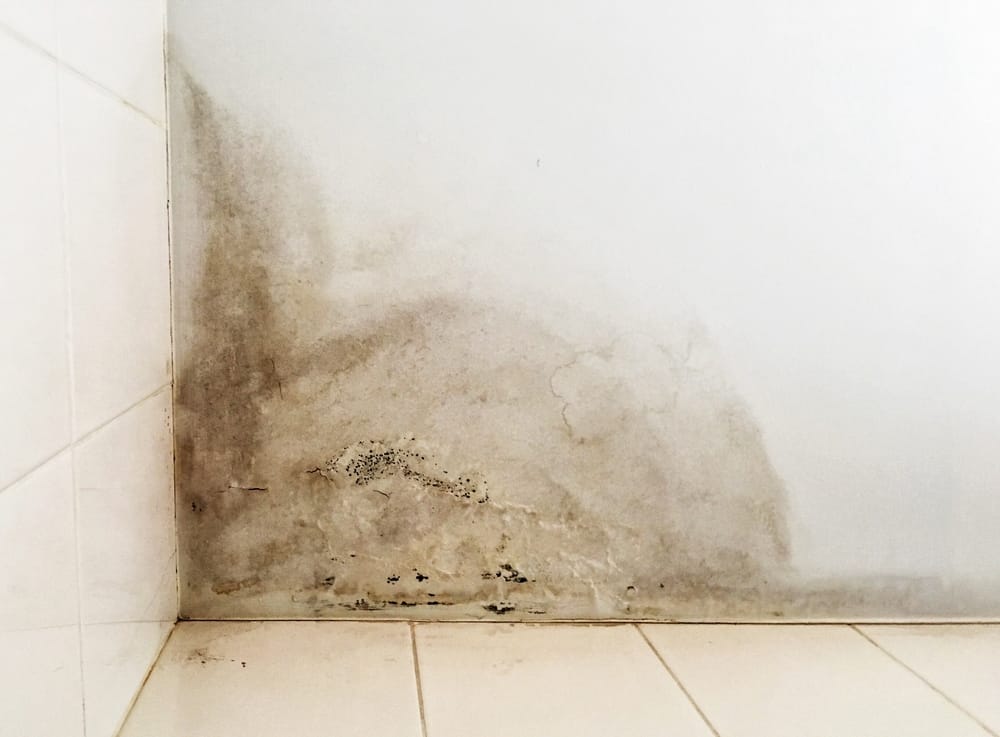
Basement Mold Removal Copiague NY
Most Copiague homes were built in the 1950s and 60s long before vapor barriers, modern waterproofing, or ventilation standards were part of the blueprint. When water gets in through a flooded basement, a leaking crawl space, or storm surge pushing up from the bay, those older walls and subflooring absorb it fast. And once moisture sits long enough, mold doesn’t wait for an invitation.
What changes after professional mold removal in Copiague, NY isn’t just the smell. It’s the air quality in the rooms your kids sleep in. It’s the basement you can actually use again. It’s the peace of mind that comes from knowing the problem was handled completely not just wiped down and painted over.
For homeowners in neighborhoods like Amity Harbor or the American Venice area, where homes sit close to the water and groundwater pressure is constant, that distinction matters more than most people realize. Mold that isn’t fully removed doesn’t stay put it spreads into wall cavities, insulation, and HVAC systems, quietly affecting air quality long after the visible patch disappears. Getting it right the first time is what protects your home and your family.
Licensed Mold Removal Company Copiague NY
First Response Restoration and Cleaning Inc. has been serving Suffolk County homeowners for over 31 years, based right out of West Babylon which puts us immediately next door to Copiague, within the same Town of Babylon. We know Montauk Highway, we know Great Neck Road, and we know what mold looks like in a 1963 Cape Cod with a block basement and no sump pit.
Every technician on our team is IICRC-certified under the ANSI/IICRC S520 standard for professional mold remediation. We hold a valid New York State mold remediation contractor license under Article 32 of the NY Labor Law, and we carry full licensing, bonding, and insurance. That’s not a checklist it’s what separates a company that does this work right from one that just shows up with bleach.
We’re not a franchise. We’re not a lead-generation site routing your call to whoever picks up. We’re a real company that has been doing this work on the South Shore for three decades, and our reputation in this community is something we take seriously.
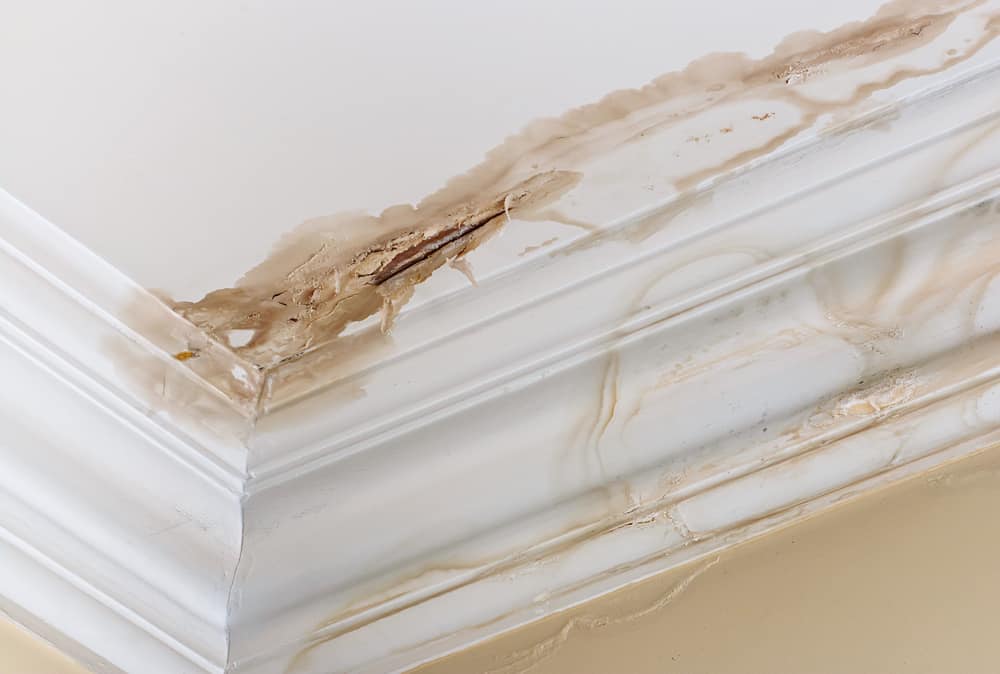
Professional Mold Remediation Services Copiague NY
It starts with a thorough inspection. We use moisture sensors, thermal imaging, and air sampling equipment to find mold where it’s actually hiding inside wall cavities, under bathroom tile, in attic insulation above those postwar Cape Cod dormers that don’t ventilate the way they should. In Copiague’s older housing stock, visible mold is rarely the whole story.
Once we know the full scope, we set up containment. That means negative air pressure, sealed work zones, and HEPA air scrubbers running throughout the job to keep spores from spreading to unaffected areas of your home. We remove contaminated materials drywall, insulation, subflooring, whatever the mold has reached and treat the structural surfaces beneath with EPA-registered antimicrobial agents. Under New York State’s Article 32 licensing law, the assessment and remediation must be handled by separately licensed parties, and we operate in full compliance with that requirement.
After the remediation is complete, we don’t just hand you a bill and leave. Post-remediation air quality testing confirms that spore counts have returned to normal levels before we consider the job done. If your mold problem came with water damage which it usually does in Copiague’s coastal neighborhoods we handle the full restoration too: drying, structural repair, and returning the space to livable condition. One call, one company, start to finish.
Ready to get started?
Toxic Mold Cleanup and Removal Copiague NY
Mold removal in Copiague, NY covers a lot of ground depending on where the mold is and how far it’s spread. In a waterfront neighborhood like Copiague Harbor or Amity Harbor, you might be dealing with crawl space mold from persistent groundwater pressure. In a Marconiville ranch home, it could be attic mold building up from years of inadequate ventilation. In a bathroom of an older home off Great Neck Road, it might be surface mold that’s already worked its way behind the tile. Each situation gets handled based on what’s actually there not a one-size-fits-all package.
What every job includes: full inspection and moisture mapping, containment setup, source removal, antimicrobial treatment, HEPA air scrubbing, and post-remediation verification. For homes dealing with black mold or toxic mold growth, we follow strict safety protocols to protect your family and our crew throughout the process. We also handle the documentation that your insurance carrier needs if this is part of a storm or water damage claim something a lot of Copiague homeowners are navigating after flooding events along the South Shore.
Beyond mold, we handle water damage restoration, structural drying, and full property repair. If your mold problem started with a flooded basement or storm surge through a ground-floor door, you don’t need to coordinate two separate contractors. We take it from wet to restored under one roof.
How much does mold removal cost in Copiague, NY?
Mold removal costs in Copiague, NY typically fall somewhere between $1,200 and $4,500 for most residential jobs, though the range can go higher depending on how far the mold has spread and what materials need to be removed. A small bathroom mold issue caught early is a very different job than a basement that flooded after a nor’easter and sat damp for two weeks before anyone called.
The biggest cost drivers are the size of the affected area, the type of materials involved drywall, insulation, and subflooring all factor differently and whether the mold has spread into wall cavities or HVAC systems. In Copiague’s older homes, where block basements often lack proper waterproofing and attic ventilation is minimal by today’s standards, mold tends to spread further before it’s discovered. That’s why getting an inspection done quickly after any water event matters the sooner you catch it, the less it costs to fix. We provide written estimates before any work begins, so you know what you’re committing to upfront.
Does homeowners insurance cover mold removal in Copiague, NY?
It depends on what caused the mold. If the mold is a direct result of a covered water damage event a burst pipe, storm-related flooding, or an appliance leak your homeowners insurance policy may cover some or all of the remediation cost. If the mold developed over time from a slow leak or chronic moisture issue that wasn’t reported, most policies won’t cover it.
For Copiague homeowners who’ve experienced flooding from the Great South Bay or storm surge events, the coverage question gets more complicated. Standard homeowners policies typically exclude flood damage, which means you’d be looking at a separate flood insurance policy through FEMA’s National Flood Insurance Program. If you have that coverage and your mold is storm-related, there’s a good chance remediation costs are at least partially covered. We work directly with insurance carriers and provide the documentation adjusters need which makes a real difference when you’re trying to get a claim processed while also dealing with a damaged home.
How fast does mold spread after a basement flood in a South Shore home?
Faster than most people expect. Mold spores can begin colonizing within 24 to 48 hours of a water intrusion event, and within 72 hours you can have active mold growth spreading across drywall, insulation, and wood framing. In a Copiague home built in the 1950s or 60s where basements often have unpainted block walls, minimal drainage, and no vapor barrier water gets absorbed quickly and dries slowly. That combination accelerates the timeline significantly.
The mistake a lot of homeowners make is running fans and a dehumidifier after a flood, assuming the space is dry enough once it looks dry. Surface moisture can evaporate while the wall cavity behind the drywall stays saturated for weeks. By the time you smell something musty, the mold has already been growing for a while. If your basement took on water whether from a storm, a sump pump failure, or a backed-up drain calling for an inspection within the first 24 to 48 hours is always the right move. Early intervention is consistently less expensive and less disruptive than waiting.
Is attic mold common in older Copiague homes, and what causes it?
Yes, and it’s one of the more commonly overlooked mold problems in Copiague’s postwar housing stock. The Cape Cod style homes that line a lot of Copiague’s residential streets built primarily between the 1940s and 1960s have attic spaces that weren’t designed with modern ventilation standards in mind. When warm, humid air from the living space below rises into a cold attic in winter, it hits the cold roof sheathing and condenses. Over time, that repeated condensation creates exactly the kind of persistent moisture that mold needs to grow.
The other common cause is bathroom exhaust fans that vent into the attic instead of through the roof a code violation by today’s standards but extremely common in older homes. That sends warm, moist air directly into the attic cavity every time someone showers. Most homeowners discover attic mold during a home inspection when they’re selling, which creates a time-sensitive remediation need. If you’re in that situation, or if you’ve never had your attic inspected and your home is more than 40 years old, it’s worth having it looked at before the problem gets any larger.
Can I stay in my house during mold remediation in Copiague?
In most cases, yes but it depends on the size of the affected area and where the mold is located. For a contained bathroom or crawl space job, most families can remain in the home as long as the work area is properly sealed off with containment barriers and the HEPA air scrubbers are running. The goal of containment is to prevent spores from spreading into the rest of the house during removal, and when it’s done correctly, the rest of your living space stays unaffected.
For larger jobs a heavily contaminated basement, a whole-attic remediation, or mold that’s spread into the HVAC system temporary relocation during the active remediation phase is sometimes the safer choice, especially if you have young children, elderly family members, or anyone with asthma or respiratory sensitivities. Mold exposure is a real health concern, and we’d rather give you an honest answer about what makes sense for your specific situation than tell you what’s easiest to hear. We’ll walk you through what the job involves before work starts so you can make an informed decision for your family.
Do I need a licensed contractor for mold removal in New York State?
Yes and this is one of the most important things to verify before hiring anyone for mold work in Copiague or anywhere else in New York. Since January 1, 2016, New York State has required mandatory licensing for all paid mold assessment and remediation work under Article 32 of the NY Labor Law. That means any company charging you for mold removal must hold a valid NY State mold remediation contractor license no exceptions.
The law also prohibits the same company from performing both the mold assessment and the remediation on the same project. That separation exists specifically to protect homeowners from inflated scopes and conflicts of interest. When you search for mold removal in Copiague, NY, you’ll find a mix of legitimate licensed contractors, national franchise operators, and lead-generation websites that look like local companies but are simply routing your call to whoever pays for the lead. Before agreeing to any work, ask to see the contractor’s NY State Article 32 license. A legitimate company will produce it without hesitation. We hold the required licensing and operate in full compliance and we’re happy to show you that documentation before we ever start a job.
Useful Links
Other Services we provide in Copiague