
Mold Removal in East Patchogue, NY
When the South Shore Sends Water In, Mold Follows Fast
Hear from Our Customers
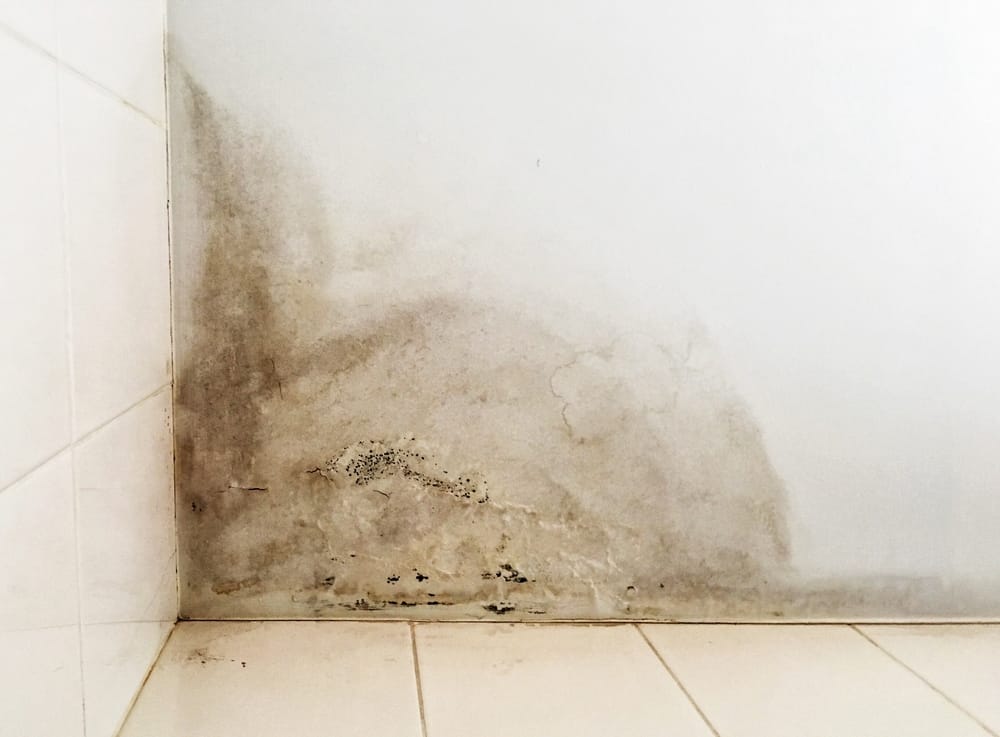
Basement Mold Removal in East Patchogue, NY
Mold doesn’t stay put. Once it starts whether it’s in the basement after a nor’easter pushes water in from the Swan River watershed, or in an attic space that’s been trapping humid air off the Great South Bay all summer it spreads. Behind drywall, under flooring, inside wall cavities. By the time you can see it or smell it, it’s usually been growing for a while.
What you get after professional mold removal in East Patchogue, NY isn’t just a cleaner-looking room. It’s air that doesn’t trigger your kids’ asthma. It’s a basement you can actually use. It’s the confidence that the problem was addressed completely not wiped down and covered up. For a community where nearly one in five residents is 65 or older, and another one in five is under 18, that matters.
East Patchogue’s housing stock mostly ranches, Cape Cods, and hi-ranches built in the 1940s through 1960s wasn’t designed with today’s moisture standards in mind. Poor attic ventilation, unfinished crawl spaces, basements without vapor barriers. Those gaps become mold’s entry point every time the bay humidity climbs or a storm sends water where it doesn’t belong. Getting the remediation right the first time means you’re not dealing with the same problem six months from now.
Trusted Mold Removal Companies in East Patchogue, NY
We’ve been serving Nassau and Suffolk County homeowners since the early 1990s. That’s over three decades of showing up for homes on the South Shore including every neighborhood in East Patchogue, from the Swan Lake area between Montauk Highway and Sunrise Highway, to the older homes along the Hagerman corridor near County Road 80, to the waterfront-adjacent properties off Pine Neck Avenue.
We hold IICRC certification under the ANSI/IICRC S520 Standard for Professional Mold Remediation, and we operate in full compliance with New York State’s Article 32 mold remediation licensing requirements which have been mandatory for all paid mold work in the state since 2016. We’re licensed, bonded, and insured, and we coordinate directly with insurance carriers when storm or water damage is involved.
What keeps homeowners calling us after 31 years isn’t a slogan. It’s that the estimate we give before the job is the price you pay. No upsells. No surprises. Just the work, done right.
Professional Mold Removal Services in East Patchogue, NY
It starts with a thorough assessment. Before any work begins, we identify where the mold is, where moisture is getting in, and how far the growth has spread including areas you can’t see with the naked eye. We use moisture sensors, thermal imaging, and particle counters to find what’s hiding behind walls and under flooring. In East Patchogue homes, that often means checking attic sheathing for condensation-driven growth, inspecting crawl spaces for ground moisture intrusion, and looking at basement walls for evidence of repeated water entry from storm events.
Once we have a clear picture, we put together a written remediation plan as required under New York State Article 32 before a single piece of material is touched. Containment goes up to prevent spores from spreading to unaffected areas of your home. Then we physically remove affected materials, run HEPA air scrubbers and negative air machines throughout the process, and treat structural surfaces with EPA-registered antimicrobial agents.
After the remediation is complete, post-clearance testing is conducted by an independent licensed assessor a separate party from us, as required by state law to confirm the air quality meets safe standards. You get documentation of the completed work and clearance results. If structural repairs are needed drywall replacement, insulation, subfloor work we handle that too, so you’re not coordinating three different contractors after an already stressful event.
Ready to get started?
Residential Mold Removal Services in East Patchogue, NY
Mold removal in East Patchogue, NY isn’t one-size-fits-all. Attic mold removal here typically involves Cape Cod and hi-ranch rooflines where warm, humid bay air rises into poorly ventilated attic spaces and condenses on cold roof sheathing especially through the winter months when heating systems push that warm air upward. Basement mold removal is driven largely by coastal flooding and the area’s shallow water table, particularly for homes in the Pine Neck area and along the Swan River watershed. Crawl space mold removal addresses the older ranch-style homes throughout the community that were built without proper vapor barriers or encapsulation.
We also handle bathroom mold removal for persistent surface growth that keeps coming back despite cleaning, and we offer commercial mold removal for local businesses, schools, and institutional properties throughout the Town of Brookhaven. Toxic mold cleanup including confirmed or suspected black mold removal follows full containment and safety protocols regardless of the scope of the job.
Every project includes the full scope: assessment, written remediation plan, physical removal, HEPA air filtration, antimicrobial treatment, and independent post-remediation clearance testing. For homeowners dealing with storm-related damage, we coordinate directly with your insurance carrier so the claims process doesn’t fall entirely on your shoulders during an already difficult time.
How do I know if my East Patchogue basement has mold after flooding?
The most obvious signs are visible discoloration black, green, or gray patches on walls, flooring, or framing and a persistent musty odor that doesn’t go away after drying out. But in East Patchogue, where coastal flooding from Patchogue Bay and the Swan River watershed can push water into basements quickly, the more important thing to understand is the timeline. Mold begins colonizing within 24 to 72 hours of water exposure. If your basement took on water during a storm and wasn’t professionally dried within that window, there’s a real possibility mold has already started growing in places you can’t see.
That’s why a professional assessment matters more than a visual check. We use moisture meters and thermal imaging to detect elevated moisture levels inside walls and under flooring areas where mold grows without any visible sign on the surface. If you had water in your basement and it’s been more than a few days, don’t wait for visible mold to confirm what’s already there.
What does mold removal cost in East Patchogue, NY for a typical home?
The range is wide because the scope varies significantly depending on where the mold is, how far it’s spread, and what materials are affected. For most residential mold removal projects in East Patchogue, NY, you’re generally looking at somewhere between $1,200 and $6,000 depending on the area involved. Basement mold removal tends to run $1,500 to $6,000 for more extensive cases driven by flooding or chronic water intrusion. Attic mold removal which is common in East Patchogue’s older Cape Cod and hi-ranch homes typically falls in the $1,000 to $4,000 range depending on how much of the roof sheathing is affected.
What we won’t do is give you a low number to get in the door and then find reasons to add to it. The estimate you receive before we start is the price you pay. If the scope changes because we uncover something that genuinely wasn’t visible at assessment, we tell you before we proceed not after. That’s been our standard for over 31 years, and it’s the feedback we consistently hear from homeowners throughout Suffolk County.
Is attic mold common in East Patchogue homes, and what causes it?
Yes, and it’s more common than most homeowners expect. The dominant housing types in East Patchogue Cape Cods, hi-ranches, and ranch-style homes built primarily between the 1940s and 1960s were constructed before modern attic ventilation standards. When warm, humid interior air rises into these attic spaces and meets the cold underside of the roof sheathing, condensation forms. That moisture, combined with the already-elevated humidity coming off the Great South Bay during summer months, creates exactly the environment mold needs to establish itself.
Attic mold is frequently discovered during home sales inspections, insulation upgrades, or renovation projects often covering far more of the roof sheathing than the homeowner anticipated. The good news is that when it’s caught and remediated properly, the fix is lasting. The bad news is that surface treatments alone won’t solve it. The underlying ventilation issue needs to be addressed at the same time, otherwise the conditions that created the mold will recreate it. We assess both the mold and the moisture source as part of every attic mold removal job.
Does homeowners insurance cover mold removal in East Patchogue, NY?
It depends on the cause. Most standard homeowners insurance policies will cover mold remediation when it results directly from a covered event a burst pipe, sudden water damage, or storm-related flooding that’s included in your policy. What they typically won’t cover is mold that developed gradually from a maintenance issue that went unaddressed, like a slow leak or chronic humidity buildup.
For East Patchogue homeowners, storm-related mold is the most common insurance scenario nor’easters, coastal flooding events, and the kind of water intrusion that comes with living near Patchogue Bay and the Great South Bay. If your mold situation stems from one of those events, there’s a reasonable chance some or all of the remediation cost is covered. We work directly with insurance carriers, document the damage properly from the first visit, and handle the coordination on your behalf. That doesn’t mean you’ll get everything covered, but it does mean you won’t be navigating the claim alone while also managing the disruption in your home.
Can I remove mold myself, or do I need a licensed contractor in New York?
For small, isolated surface mold a bathroom tile grout line, for example DIY cleaning with the right products can be effective. But New York State draws a clear line when it comes to paid mold remediation work: under Article 32 of the NY Labor Law, any contractor performing mold remediation for compensation must hold a valid state mold remediation contractor license. That requirement applies to every job in East Patchogue and throughout the Town of Brookhaven, regardless of the size of the project.
Beyond the legal requirement, there’s a practical reason professional remediation matters for larger mold problems. Without proper containment, the process of removing mold-affected materials releases spores into the air spreading the problem to unaffected areas of your home. HEPA filtration, negative air pressure, and sealed containment barriers aren’t optional add-ons; they’re what separates a remediation from a relocation of the problem. If you’re dealing with anything beyond a small surface patch, especially in a basement, attic, or crawl space, a licensed contractor is the right call both legally and practically.
How long does mold removal take for a typical East Patchogue home?
For most residential mold removal jobs in East Patchogue, NY, the active remediation work takes one to three days depending on the size of the affected area and the complexity of the job. A contained bathroom mold situation might be resolved in a single day. A basement or attic with more extensive growth the kind that’s common in East Patchogue’s older housing stock after a significant flooding event or years of moisture accumulation can take two to three days for the physical remediation work alone.
After the remediation is complete, post-clearance testing is required under New York State Article 32 before the space can be fully reopened and any restoration work begins. That testing is conducted by an independent licensed assessor and typically takes a day or two to schedule and receive results. If structural repairs are part of the job replacing drywall, flooring, or insulation that was removed during remediation that timeline extends accordingly. We give you a realistic project timeline upfront, before work begins, so you’re not caught off guard by how long your home will be affected.
Useful Links
Other Services we provide in East Patchogue