
Hear from Our Customers
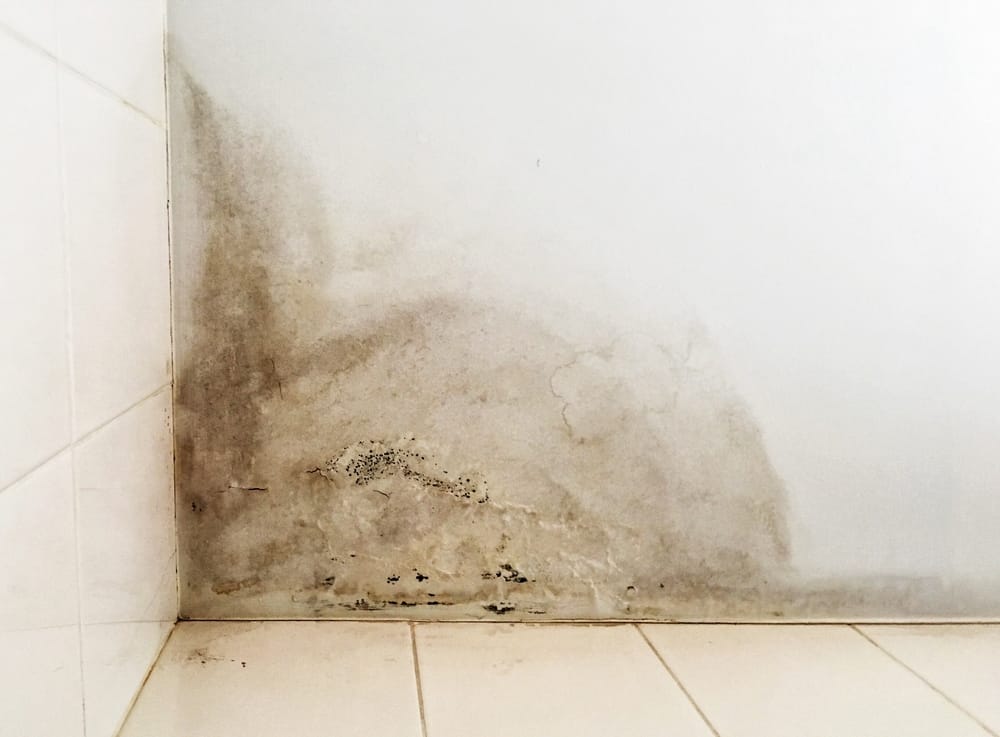
East Williston’s older housing stock — much of it built between the 1870s and the 1950s, including the Wheatley Ridge development and the homes throughout the Historic District — was constructed before vapor barriers, modern insulation, and ventilation standards existed. That means moisture has had decades to find its way in, and mold has had decades to follow. When professional mold removal is done right, the air in your home changes. The musty smell that you’ve been brushing off as “old house character” disappears. Allergy symptoms that flared every season start to ease. You stop wondering what’s growing behind that wall.
For East Williston homeowners specifically, there’s a real financial dimension to this too. Homes in this village are valued between $500,000 and well over $1,000,000. An unresolved mold problem doesn’t just affect your health — it can reduce your home’s market value by 20 to 37 percent and send half of interested buyers walking before they even make an offer. Lab-confirmed remediation with post-clearance testing gives you documented proof that the problem is gone, which matters enormously whether you’re staying put or eventually listing.
Long Island’s coastal humidity, combined with Nassau County’s naturally high water table and the aging foundation systems common throughout East Williston, means mold isn’t always the result of a dramatic flood. Sometimes it’s years of slow condensation, seasonal groundwater pressure, or a small plumbing leak that went undetected while you were commuting into the city. Whatever caused it, the fix needs to address the source — not just what’s visible.
We’ve been serving East Williston and Nassau and Suffolk County homeowners for over three decades. That’s not a number pulled from a marketing sheet — it means we’ve worked in homes exactly like yours. Pre-war construction near Hillside Avenue. Wheatley Ridge colonials from the 1930s. Older foundation systems that were never designed to handle Long Island’s seasonal groundwater fluctuations. We know what we’re walking into before we arrive.
Every technician who enters your home holds IICRC certification — not just our company owner, not just senior staff, but every single technician. That’s a standard we state plainly and hold without exception. We’re also fully licensed under New York State’s Article 32 mold law and carry the Nassau County Environmental Hazard Remediation Provider (EHRP) license required by the Nassau County Department of Health — both of which are legally required to perform mold work in East Williston.
When you call 516-541-0500, you’re reaching an East Williston and Long Island team — not a dispatch center routing your job to whoever’s available.
It starts with a thorough mold inspection — and not the kind where someone walks through with a flashlight. We use a five-point protocol: a certified technician visual assessment, air sampling to capture spores that aren’t visible to the eye, surface swab sampling to identify the species and concentration, boroscopic wall cavity examination to look inside walls without tearing them apart, and non-invasive moisture level measurement to map where water is actually moving through your building materials. In East Williston’s older homes, that last step matters more than most people realize — moisture migrates differently through original plaster and century-old wood framing than it does through modern drywall.
Once the inspection is complete, you receive lab results with chain-of-custody documentation within two to three business days. Under New York State’s Article 32 mold law, the company that performs your assessment cannot legally be the same company that performs your remediation — so if you’re working with a contractor who’s offering to do both under one roof without separate licensing, that’s a red flag worth taking seriously. We operate in full compliance with this requirement.
Remediation involves full containment of the affected area, HEPA vacuuming, antimicrobial treatment, and removal of compromised materials where necessary. Because we also handle water damage restoration, we don’t just remove the mold and leave — we address the moisture source that caused it. After the work is done, post-remediation clearance testing confirms that spore counts have returned to normal levels. You get a written lab report, not a verbal assurance.
Ready to get started?
Mold in East Williston tends to concentrate in a few specific areas. Basements and crawl spaces are the most common — older foundation systems without modern waterproofing allow groundwater and seasonal moisture to seep in, especially during spring thaw and after the nor’easters that roll through Nassau County in fall and winter. Attics are the second most common location, and often the most overlooked. Pre-1960 homes frequently have inadequate ridge venting and blocked soffit vents, which means condensation from heated interior air accumulates on original roof sheathing all winter long. By the time a homeowner notices it, mold can cover hundreds of square feet of decking — with zero visible signs from inside the living space.
We handle basement mold removal, crawl space mold removal, attic mold removal, and bathroom mold removal across East Williston and the surrounding Nassau County area. We also handle black mold removal and toxic mold cleanup in situations where testing identifies more aggressive species. Every job includes the same documentation standard regardless of size — air sampling, lab analysis, and post-clearance testing — because the goal isn’t just to treat what’s visible, it’s to verify what’s gone.
For homeowners in the East Williston Historic District or in Wheatley Ridge properties with original construction materials, the remediation approach is adapted accordingly. Older wood framing, original plaster, and historic siding require more careful handling than modern materials, and that’s not something every contractor is equipped for. Thirty-one years of working in Nassau County’s older housing stock means we’ve seen these situations before — and know how to handle them without causing additional damage to irreplaceable materials.
Yes — and this is one area where East Williston homeowners should pay close attention. New York State’s Article 32 mold law, which took effect in January 2016, requires that mold assessment and mold remediation be performed by separately licensed professionals. The same individual or company cannot legally perform both the inspection and the remediation on the same property. This isn’t a technicality — it’s a consumer protection provision designed specifically to prevent contractors from having a financial incentive to find more mold than actually exists.
Beyond state licensing, Nassau County adds its own requirement: any contractor performing mold work in East Williston must also hold an Environmental Hazard Remediation Provider (EHRP) license issued by the Nassau County Department of Health. That’s two separate licensing layers, both of which are legally required. Before you allow any contractor to begin work in your home, ask to see both licenses. If they can’t produce them, move on. The New York State Department of Labor has increased enforcement audits significantly in recent years, and homeowners who unknowingly hire unlicensed contractors can face complications with insurance claims and future property sales.
The cost depends heavily on the size of the affected area, where it’s located in your home, and how far it’s spread into building materials. For attic, basement, and crawl space jobs — which are the most common scenarios in East Williston’s pre-1960 housing stock — professional services typically run between $15 and $30 per square foot. A small bathroom situation might fall on the lower end of the overall range. A full attic with compromised roof sheathing can run significantly higher.
What’s worth keeping in mind for East Williston specifically is the financial context. With home values concentrated in the $500,000 to $1,000,000-plus range, the cost of remediation is almost always smaller than the cost of not acting. An unresolved mold problem can reduce a home’s market value by 20 to 37 percent — and 50 percent of buyers walk away from properties with a known mold history. For a home valued at $750,000, that’s a potential loss of $150,000 to $275,000. Professional remediation with lab-confirmed clearance documentation is an investment that protects what you’ve built here.
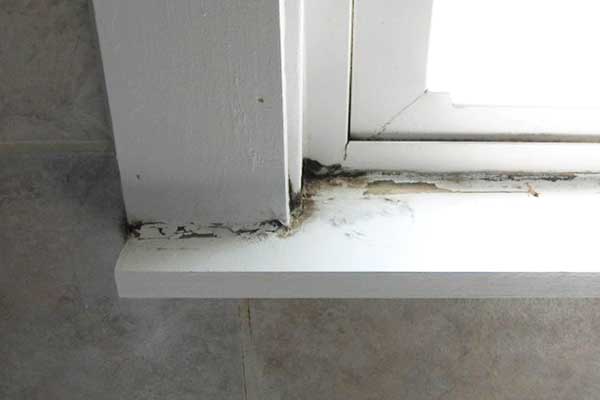
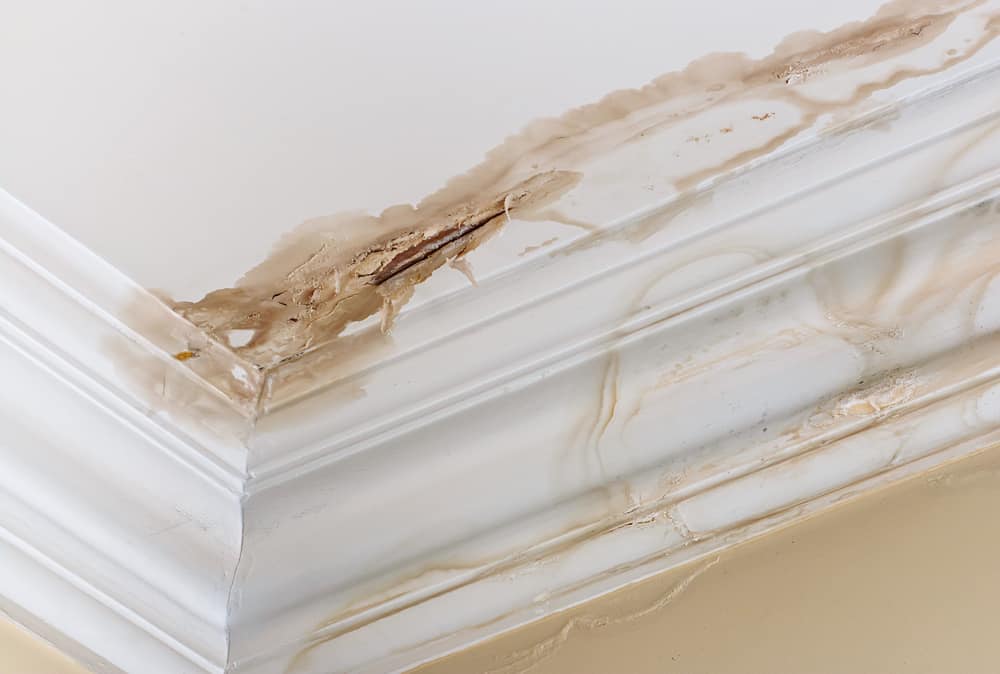
The most obvious sign is visible growth — black, green, or white patches on walls, ceilings, or around windows. But in East Williston’s older homes, mold is often hidden long before it’s visible. A persistent musty smell in the basement or attic is one of the earliest indicators. Unexplained allergy symptoms — congestion, coughing, or eye irritation that seems worse at home than anywhere else — can also signal elevated airborne spore counts, even when nothing looks wrong.
East Williston’s housing stock creates a few specific scenarios worth knowing. Homes in the Wheatley Ridge development and throughout the Historic District were built with original plaster walls and wood framing that absorbs and retains moisture differently than modern drywall. Mold can develop inside those wall cavities without breaking through the surface for months. Attic spaces in pre-1960 construction often have inadequate ventilation by modern standards, which means condensation accumulates on roof sheathing through the entire winter season — and the first visible sign might not appear until spring. If you’ve noticed any of these patterns, air sampling is the only way to know for certain what’s present and at what concentration.
In most cases, yes — but it depends on the size of the affected area, the species of mold identified, and where in the home the work is being done. For smaller, contained jobs like a bathroom or a single basement room, most homeowners remain in the house with no issue. For larger remediation projects — particularly attic jobs or situations involving black mold or toxic mold species — temporary relocation during the active remediation phase is often the safer choice, especially for households with young children, elderly residents, or anyone with respiratory conditions.
Containment protocols are a standard part of professional remediation. The work area is sealed off with plastic sheeting and negative air pressure is maintained to prevent spores from spreading to other parts of the home during the process. East Williston families who chose this village specifically for the school district and their children’s wellbeing should know that these containment measures are taken seriously — they’re not optional steps. We walk you through exactly what to expect before work begins, including whether temporary relocation is advisable given your specific situation.
This is the right question to ask — and the answer is that you should never have to take a contractor’s word for it. Post-remediation clearance testing is the standard that separates professional mold removal from a contractor who painted over a problem and called it done. After remediation is complete, independent air sampling is conducted in the treated area and compared against baseline readings. The results come back from a certified lab with chain-of-custody documentation, and they show whether airborne spore counts have returned to normal levels.
We provide written lab reports within two to three business days of post-remediation sampling. That documentation matters well beyond your own peace of mind. If you’re planning to sell your East Williston home, a buyer’s inspector or attorney may request proof that prior mold issues were professionally resolved. If the job involved an insurance claim, your adjuster will want documentation as well. Lab-confirmed clearance with chain-of-custody paperwork is the only form of proof that holds up in those situations — verbal assurances from a contractor do not.
It’s more common than most homeowners expect — and it’s almost always discovered later than it should be. In East Williston’s pre-1960 construction, attic spaces were designed without the ridge venting and soffit ventilation that modern building codes require. When warm, moist air from the living space rises into a poorly ventilated attic and contacts cold roof sheathing during winter, it condenses. That moisture accumulates slowly over months, saturating original wood decking and creating conditions where mold colonies can spread across hundreds of square feet — with no visible signs from inside the home below.
Long Island’s winters accelerate this process. From December through February, temperature differentials between heated living spaces and cold attic surfaces are at their greatest, and condensation accumulates continuously. Because most East Williston residents commute to the city during the day, this kind of slow, hidden moisture buildup can go completely undetected until spring — or until a home inspection surfaces it during a sale. The Wheatley Ridge homes from the 1930s and the older properties throughout the Historic District are particularly susceptible because their original roof sheathing has been absorbing seasonal moisture for decades. A boroscopic inspection and attic air sampling are the only reliable ways to assess what’s actually up there.
Useful Links
Other Services we provide in East Williston