
Mold Removal in Eastport, NY
Eastport Homes Have a Moisture Problem. Here's What to Do About It.
Hear from Our Customers
Residential Mold Removal Eastport, NY
The air feels different. That faint musty smell that you had written off as “just the basement” stops being something you explain to guests and starts being something that’s no longer there. That’s what proper mold removal does it doesn’t mask the problem, it eliminates it.
For Eastport homeowners, that matters more than it might somewhere else. A lot of the residential land here was converted from former duck farms low-lying, water-adjacent ground that was never designed to stay dry. That history shows up in basements and crawl spaces that collect moisture year-round, not just after a storm. When mold gets into those spaces and isn’t fully treated, it keeps growing. The smell comes back. The air quality stays poor. And the structural materials underneath keep taking damage.
If you’re in Encore Atlantic Shores or Eastport Meadows, you’ve got a significant investment in your home. Mold that goes untreated doesn’t stay contained it spreads into wall cavities, subflooring, and HVAC systems. Getting it handled completely the first time protects your property value and keeps your living space genuinely healthy. That’s the outcome that matters.
Licensed Mold Removal Company Eastport, NY
First Response Restoration and Cleaning Inc. has been serving Suffolk County since before most of Eastport’s current neighborhoods were built. We’re IICRC-certified, NY State licensed under Article 32 of the NY Labor Law, and fully insured not because it sounds good, but because New York State requires it for any legitimate mold remediation contractor, and we’ve operated that way from the start.
We work across all of Suffolk County, including the South Shore communities along the Moriches Bay corridor. We know the dual-township situation Eastport sits in straddling Brookhaven and Southampton and we understand what that means for permits, compliance, and how remediation work gets done correctly here. That kind of local familiarity isn’t something you get from a company running doorway pages out of Michigan or Texas.
When you call us, you get a real company with a real track record. Transparent pricing before work begins, no upsells mid-job, and the same standard of work whether it’s a crawl space in a mid-century home off Montauk Highway or a townhome in a 55+ community.
Mold Remediation Process Eastport, NY
It starts with a thorough inspection not a quick visual scan, but a real assessment using moisture sensors and air quality testing to identify where the mold is, where the moisture is coming from, and how far the problem has spread. In Eastport, that often means checking below-grade spaces carefully. Homes on the South Shore with chronic moisture infiltration from high water tables or prior storm flooding often have mold spread into adjacent materials beyond the initial visible area.
Once we know the full scope, we put together a written remediation plan before any work begins. New York State Article 32 requires this and it also protects you, because you know exactly what’s being done and why. We set up containment to prevent spores from spreading to unaffected areas of your home, then remove and properly dispose of contaminated materials. HEPA air scrubbers and negative air pressure keep the workspace isolated throughout the process.
After remediation is complete, a separate, independent assessor performs clearance testing to confirm the job is done. That’s also required under NY State law the same company can’t assess and remediate on the same project. We coordinate that process so you’re not left managing it on your own. From first call to final clearance, you know what’s happening at every step.
Ready to get started?
Black Mold Removal Services Eastport, NY
Mold in Eastport doesn’t stick to one part of a house. Basement mold removal is the most common call we get in this area given the coastal water table and the flooding history along Moriches Bay, below-grade moisture is a chronic issue, not just a post-storm one. But attic mold removal is just as common and often more overlooked. During cold months, warm interior air rises into poorly ventilated attic spaces and condenses on cold roof sheathing. Over time, that moisture saturates insulation and wood framing, and mold takes hold in a place most homeowners never think to check.
We also handle crawl space mold removal, bathroom mold removal, and wall cavity remediation wherever the problem has spread. For homeowners dealing with post-storm water intrusion off Moriches Bay, we handle water damage restoration alongside mold remediation, so you’re not coordinating two separate contractors after one event.
If your mold situation is connected to a prior water damage claim, we work directly with insurance carriers and handle documentation on your behalf. Eastport’s coastal exposure means a lot of remediation cases here start with a storm and we know how to navigate that process. One call covers the full scope, from water extraction through final clearance testing.
How do I know if my Eastport home has a mold problem beyond what I can see?
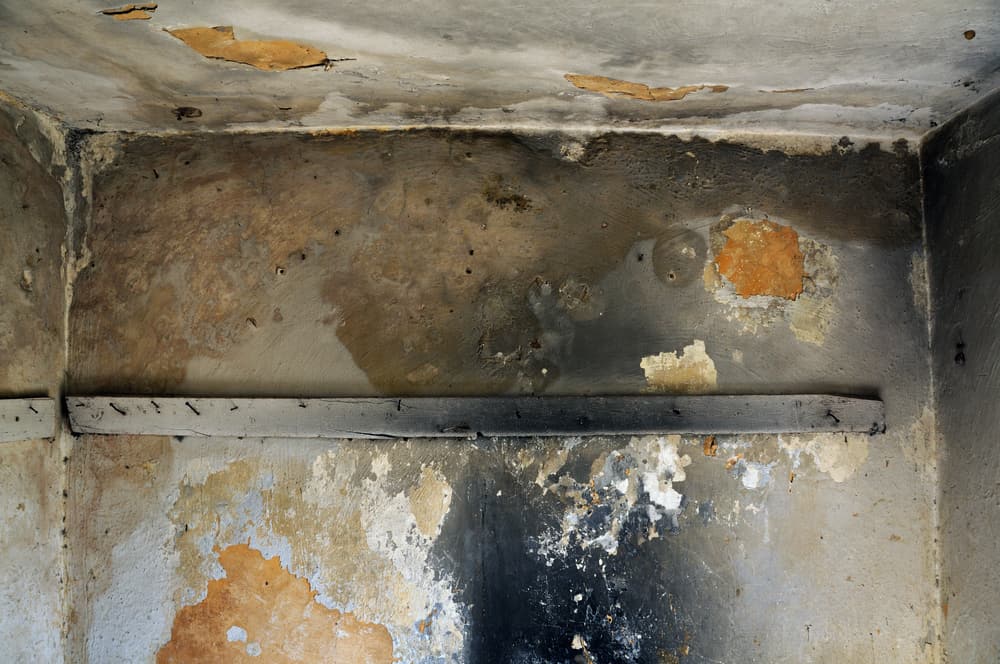
Visible mold is almost never the whole picture. By the time growth appears on a wall or ceiling, it’s typically been developing inside the building materials behind it for weeks or months. In Eastport specifically, the combination of high water table conditions a direct result of the area’s history as low-lying duck farm land and Moriches Bay humidity means moisture infiltration often happens slowly and persistently, not just during acute storm events. That kind of chronic, below-grade dampness creates mold colonies inside wall cavities, under flooring, and in crawl spaces that you won’t see until the problem is already significant.
Signs beyond visible growth include a persistent musty odor that doesn’t go away after cleaning, increased allergy symptoms or respiratory irritation that improve when you leave the house, and water staining on walls or ceilings even without an obvious leak source. If any of those are present, a professional inspection with moisture sensors and air quality testing will give you a real answer not a guess based on what’s visible from the surface.
Does homeowners insurance cover mold removal costs in Eastport, NY?
It depends on what caused the mold, and the documentation matters enormously. Homeowners insurance in New York generally covers mold remediation when it results directly from a covered water damage event a burst pipe, a roof leak from storm damage, or water intrusion from a nor’easter or coastal flooding event. Given Eastport’s position along Moriches Bay and its documented history of South Shore storm surge flooding, a significant portion of mold cases here are legitimately connected to a prior covered event.
Where claims get denied is when mold is attributed to long-term neglect, gradual seepage, or maintenance issues the homeowner was aware of and didn’t address. That’s why documentation is critical and why working with a company that knows how to document damage correctly for insurance purposes matters. We work directly with carriers, provide the written records and photographs insurers require, and help you understand what your policy actually covers before you’re surprised by a denial. Getting that process right from the start protects your claim.
What is black mold, and is it more dangerous than other types of mold?
Black mold most commonly referring to Stachybotrys chartarum is a toxigenic mold species that produces mycotoxins, which can cause more serious health effects than many other common mold types. Symptoms associated with black mold exposure include chronic coughing, headaches, fatigue, and in more severe cases, neurological effects. It tends to grow in areas with sustained high moisture and poor ventilation exactly the conditions found in Eastport basements and crawl spaces that have been dealing with water intrusion over time.
No mold in a living space is acceptable, and other species that aren’t black can still cause significant health problems, particularly for people with asthma, allergies, or compromised immune systems. The 55+ residents in communities like Encore Atlantic Shores and Eastport Meadows are often in that higher-sensitivity category. The right move isn’t to try to identify the species yourself it’s to get a professional inspection that tests the air and surfaces accurately, so you know exactly what you’re dealing with and can make an informed decision about remediation.
How much does mold removal typically cost in Eastport, NY?
For most residential mold removal projects, costs generally fall between $1,200 and $4,000 depending on the size of the affected area, the type of materials involved, and how far the mold has spread. Attic mold removal and basement mold removal tend to sit at the higher end of that range typically $1,000 to $6,000 because those spaces often involve more surface area and more complex containment requirements. Smaller, isolated bathroom mold situations can come in lower.
What affects cost most in Eastport specifically is the scope that a thorough inspection reveals. Homes on the South Shore with chronic moisture infiltration from high water tables or prior storm flooding often have mold spread into adjacent materials beyond the initial visible area. Treating only what’s visible and skipping the inspection phase leads to mold returning and a second remediation job costs more than doing it completely the first time. We provide a written estimate before work begins, and that’s the number you pay. No adjustments mid-job, no line items that appear after the fact.
How quickly can mold spread after water damage from a Moriches Bay storm?
Faster than most people expect. Mold spores are present in virtually every indoor environment they become a problem when moisture gives them a surface to colonize. Under the right conditions, mold can begin growing within 24 to 48 hours of a water intrusion event, and within 72 hours it can spread significantly beyond the initial wet area. In Eastport, where Moriches Bay storm surge and nor’easter flooding can drive substantial water into basements and crawl spaces overnight, that timeline is not theoretical it’s a real risk after every major coastal storm.
This is why 24/7 emergency response matters in a community like Eastport. Waiting until Monday morning after a weekend storm event means giving mold a 48-to-72-hour head start in an already moisture-rich environment. Early intervention water extraction, drying, and dehumidification before mold has time to establish is always less expensive and less disruptive than full remediation after the fact. If you’ve had water intrusion from a storm, don’t wait to see if mold appears. Call before it does.
Do I need a permit for mold remediation work in Eastport, NY?
New York State Article 32 of the NY Labor Law requires that all mold remediation contractors hold a valid state license before performing any paid remediation work that applies everywhere in New York, including Eastport. Beyond state licensing, whether a local building permit is required depends on the scope of the work. Mold remediation that involves removing and replacing structural materials drywall, subflooring, or framing may trigger a permit requirement from the local building department.
Eastport’s position straddling the Brookhaven-Southampton town line adds a layer of complexity here. Depending on which side of West Pond your property sits, the applicable building department and permit process may differ. This isn’t something most homeowners think about, and it’s not something an out-of-area contractor running a local search page would know to address. We’re familiar with how both townships handle remediation-related permits in this area and can help you understand what applies to your specific property before work begins so there are no compliance surprises after the job is done.
Useful Links
Other Services we provide in Eastport