
Mold Removal in Fire Island, NY
When You Open Your Beach House and Find a Winter's Worth of Mold
Hear from Our Customers
Professional Mold Removal in Fire Island
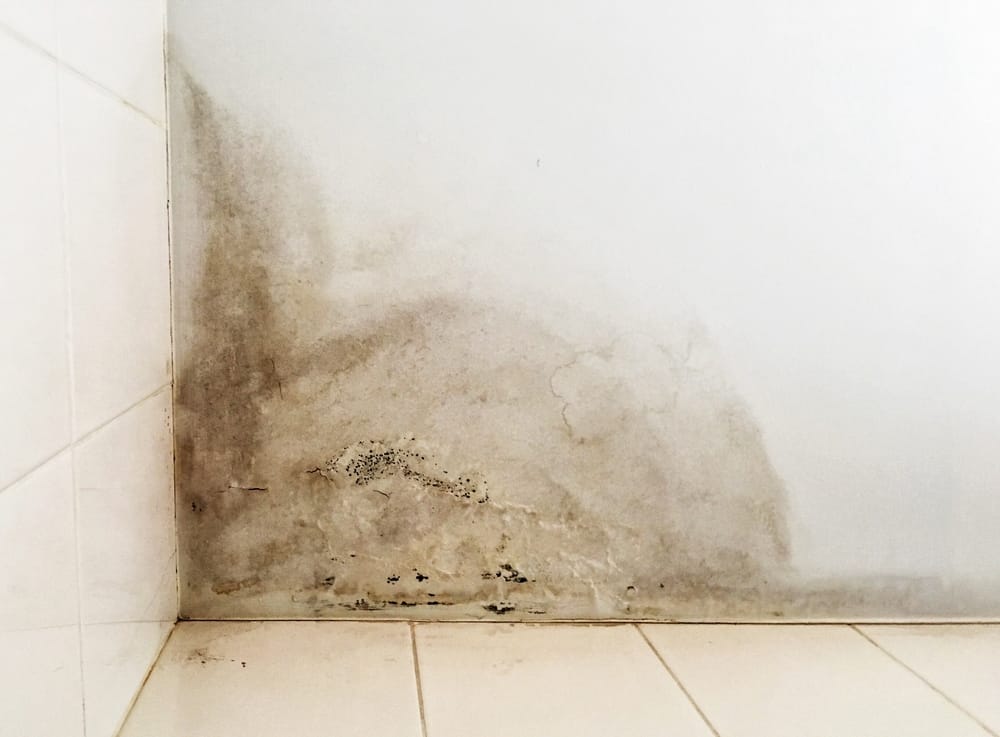
Fire Island properties sit unoccupied for the better part of the year. No heat running, no one checking for leaks, no dehumidifier pulling moisture out of the air. That’s not just inconvenient it’s the exact environment mold needs to take hold. By the time you return in spring, what started as a small moisture issue behind a wall or under a floor could have spread through an entire room.
The good news is that proper remediation doesn’t just remove what’s visible. We address the materials mold has colonized, clear the air of spores, and leave you with documentation showing the job was done right. For a property you’re planning to rent out this summer, that clearance matters both for your tenants’ health and your own peace of mind.
Fire Island’s cedar shake bungalows and older wood-frame construction absorb coastal moisture differently than newer mainland builds. That matters when it comes to how mold spreads through the structure and what it takes to fully remove it. Experience with South Shore Long Island homes not just generic remediation knowledge is what separates a complete job from one that comes back to haunt you mid-season.
Mold Removal Company in Fire Island, NY
We’re based in West Babylon the same township that governs the western portion of Fire Island and have been serving Nassau and Suffolk County homeowners for over three decades. The Bay Shore ferry terminal, the primary gateway to Ocean Beach, Fair Harbor, Saltaire, and the surrounding Fire Island communities, is about five miles from our base. That’s not a coincidence. It’s why we understand what it actually takes to get a crew, equipment, and materials to a car-free island efficiently.
Every technician is IICRC-certified and operates under New York State’s Article 32 mold remediation licensing requirements which legally mandate that any paid mold work be performed by a licensed contractor. We’re fully licensed, bonded, and insured, and we coordinate directly with insurance carriers so you’re not stuck managing the claim from the mainland while your summer season ticks closer.
Our Mold Remediation Process in Fire Island
It starts with a thorough inspection. We use moisture sensors, particle counters, and air quality testing to find mold that isn’t visible to the eye because in a closed-up beach house, what’s behind the wall is often worse than what you can see. We document everything before a single piece of material is touched.
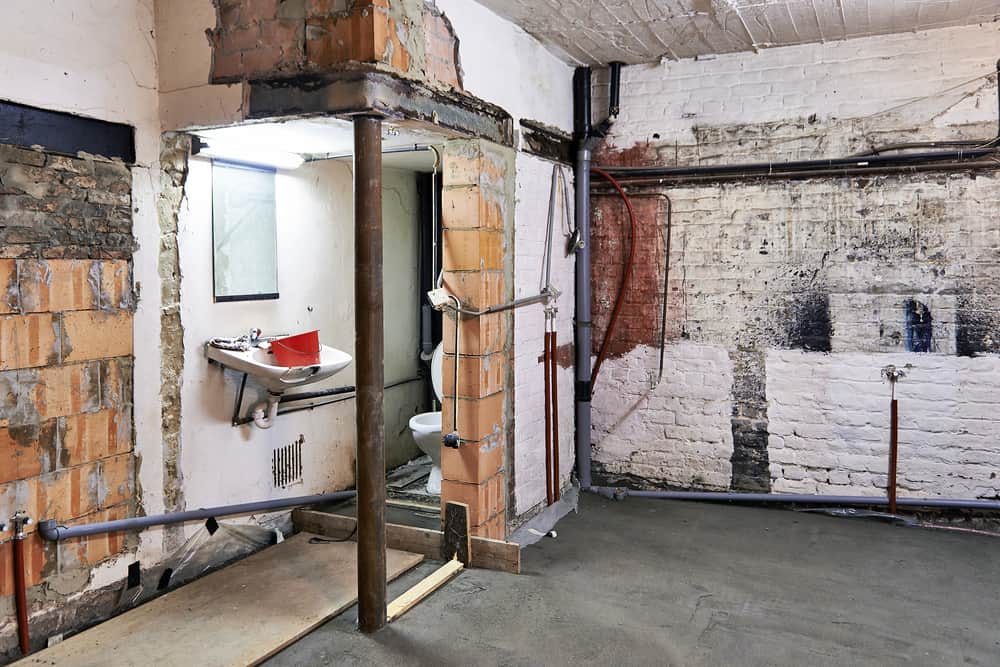
Once we know the full scope, we establish proper containment to keep spores from spreading to unaffected areas of your home. Then comes the physical removal mold-contaminated drywall, insulation, or wood framing that can’t be salvaged gets taken out, bagged, sealed, and transported off Fire Island via ferry. HEPA air scrubbers run throughout the process to capture airborne spores. This isn’t a surface wipe-down. The IICRC S520 standard we follow is built around removal, not masking.
After the work is complete, we conduct post-remediation clearance testing independent verification that the space meets clean air standards. That documentation is what your insurance carrier needs, what a property manager needs, and what gives you confidence that your home is genuinely safe before your first guests arrive. For properties in communities like Cherry Grove, Fire Island Pines, or Davis Park where building permits for structural repairs involve coordination across multiple township jurisdictions, we handle that process as part of the job.
Ready to get started?
Mold Removal Services in Fire Island, NY
Attic mold in a cedar shake bungalow looks different from crawl space mold in an elevated pier-foundation home. Bathroom mold in a seasonally occupied property behaves differently from black mold in a basement that’s been taking on groundwater since October. We handle all of it attic mold removal, basement mold removal, bathroom mold removal, crawl space mold removal, and full toxic mold cleanup for more advanced situations and we approach each one based on what’s actually in front of us, not a one-size script.
Crawl spaces on Fire Island deserve specific attention. Many homes here are built above shallow foundations that sit close to the water table, and after a storm or a wet winter, those spaces accumulate moisture that travels directly into the living areas above. If your home has a crawl space and you haven’t had it inspected since Sandy or a more recent nor’easter, it’s worth knowing what’s down there before mold becomes a structural issue.
We also provide residential and commercial mold removal in Fire Island, NY for the hotels, restaurants, and hospitality businesses that make up the island’s seasonal economy. Whether it’s a private home in Saltaire or a commercial property in Ocean Beach, the process is the same: find it, contain it, remove it, verify it.
How does a mold removal company actually get equipment to Fire Island?
It’s a fair question, and it’s one that separates companies who’ve actually worked on Fire Island from those who just have a page claiming they do. All equipment air scrubbers, HEPA vacuums, containment materials, moisture meters travels by ferry from the mainland. Our base in West Babylon puts us minutes from the Bay Shore ferry terminal, which serves the majority of Fire Island’s western and central communities including Ocean Beach, Fair Harbor, and Saltaire. We plan around ferry schedules, stage equipment properly for transport, and coordinate the logistics before we ever step on the boat. Removed materials bagged, sealed mold-contaminated drywall or insulation come back off Fire Island the same way. There’s no shortcut here, and a company that hasn’t thought through this process carefully isn’t one you want working in your home.
Can mold really grow that much in a closed-up beach house over the winter?
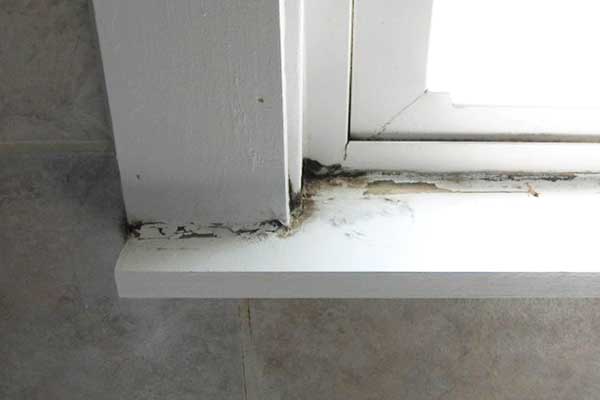
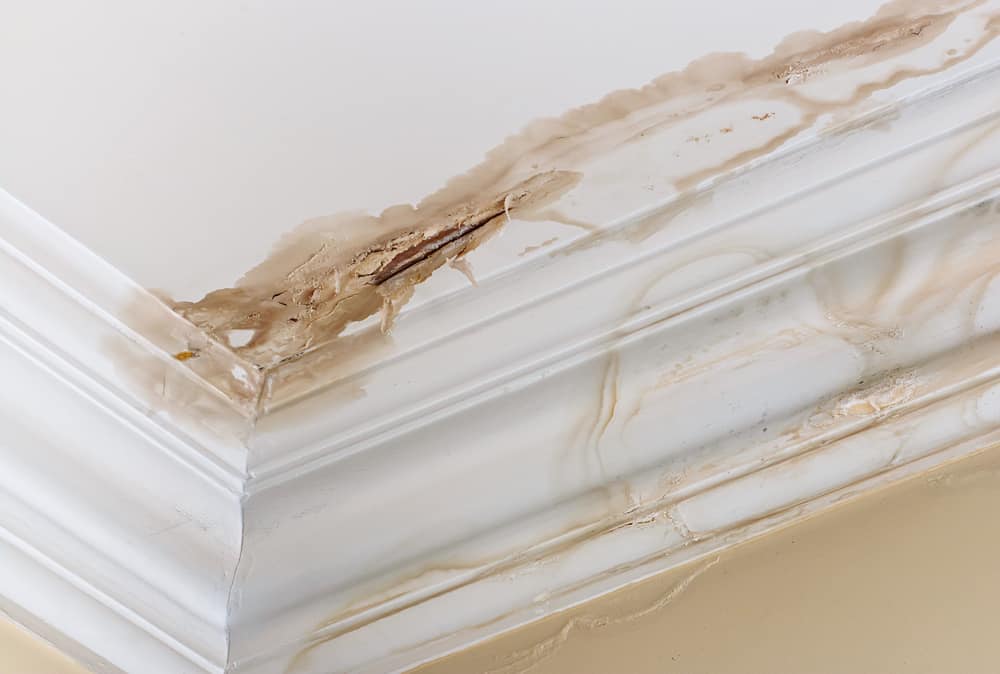
Yes and on Fire Island specifically, the conditions are about as favorable for mold growth as they get. When you close a home in October with no heat, no dehumidification, and no ventilation, you’re leaving behind a space where relative humidity climbs steadily through the fall and winter. Add in the marine air coming off both the Atlantic and the Great South Bay, and the moisture levels inside an unoccupied Fire Island structure can stay elevated for months. Mold only needs 72 hours and a moisture source to establish itself. A small roof leak, a failed window seal, or condensation building up inside a wall cavity is enough. By the time you return in May, a colony that started in November can have spread through an entire room. This is the most common scenario we see on Fire Island and it’s exactly why a thorough inspection with moisture detection equipment matters more than a visual walkthrough.
Does New York State require a license to do mold removal in Fire Island, NY?
Yes, and it’s worth understanding what that means before you hire anyone. Under Article 32 of the New York Labor Law, any contractor performing paid mold remediation work in New York State must hold a valid mold remediation license issued by the NY State Department of Labor. This law has been in effect since 2016 and applies everywhere in the state including Fire Island. There’s also a separation requirement: the same company cannot legally perform both the mold assessment and the mold remediation on the same project. That’s a consumer protection built into the law. We are fully licensed under Article 32 and operate in compliance with all state requirements. Before you hire any contractor for mold removal on Fire Island, ask to see their NY State mold remediation license. If they can’t produce it, that’s your answer.
What does mold removal in Fire Island, NY typically cost?
For most residential mold removal projects, costs generally range from around $1,200 to $3,800 depending on the size of the affected area and what materials need to be removed. Crawl space and basement remediation which tends to be more involved can run from $1,500 to $6,000 or more for significant contamination. On Fire Island specifically, the logistical reality of ferry transport for crew and equipment is a factor that affects pricing, and we account for that upfront rather than tacking it on later. The more important number to keep in mind is what a missed or incomplete remediation costs: a recurrence mid-rental season, a health complaint from tenants, or mold that spreads to structural framing because it wasn’t fully addressed the first time. We provide written estimates before any work begins, and what we quote is what you pay.
Will my homeowners insurance cover mold removal at my Fire Island property?
It depends on the cause of the mold and the specific language of your policy. Most standard homeowners insurance policies cover mold remediation when the mold results from a sudden, covered peril a burst pipe, storm-related water intrusion, or similar event. Mold that developed from long-term moisture or neglect is typically excluded. Fire Island properties often carry multiple policies standard homeowners coverage, coastal flood insurance through the National Flood Insurance Program, and sometimes separate wind coverage and the interaction between those policies after a storm event can get complicated quickly. We coordinate directly with insurance carriers, document the damage properly from the start, and help you navigate the claim process without having to manage it yourself from the mainland. Getting the documentation right from the beginning is what makes the difference between a covered claim and an out-of-pocket expense.
How do I know the mold is actually gone after remediation is complete?
You shouldn’t have to take anyone’s word for it. Post-remediation clearance testing conducted independently after the physical work is done is the objective verification that the affected space meets clean air standards. It involves air sampling and surface testing that confirms spore counts are within acceptable levels and that the remediation was successful. For Fire Island homeowners who aren’t present during the work, this documentation is especially important. It’s your proof that the job was completed correctly, and it’s the kind of record that matters if you’re renting the property, filing an insurance claim, or simply want confidence before your family walks back in. We include post-remediation verification as part of our process not as an add-on because a job that can’t be verified isn’t a job that’s finished.
Useful Links
Other Services we provide in Fire Island