
Hear from Our Customers
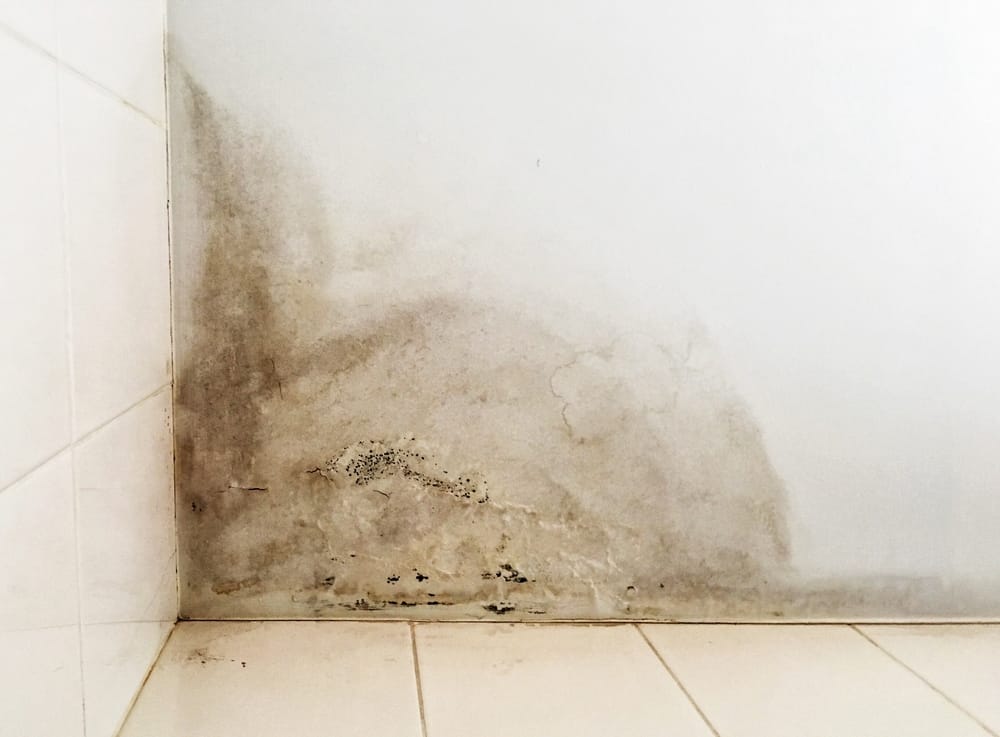
The air feels different. The musty smell that you kept blaming on the basement or the old attic finally stops coming back. You stop wondering if what your kids are breathing is making them sick, and you stop putting off that home inspection because you’re not sure what the assessor is going to find behind the walls.
For Flower Hill homeowners, that peace of mind carries real financial weight. With median home values exceeding $5.4 million, an unresolved mold problem isn’t just a health issue — it’s a liability. Studies consistently show that mold can reduce a home’s resale value by 20 to 37 percent and push half of all interested buyers to walk away entirely. In a market where your property is also your most significant asset, that’s not a risk worth taking.
Flower Hill’s North Shore geography makes this more relevant than most people realize. The area’s hilly terrain channels stormwater runoff directly into lower-elevation foundations during heavy rain. Long Island’s coastal humidity regularly exceeds 60 percent in summer — the threshold where mold spores start colonizing surfaces. Add in the older housing stock throughout the Elderfields and Broadridge sections, where vapor barriers and mechanical ventilation weren’t part of the original build, and you have conditions that create hidden mold problems in walls, attics, and crawl spaces that a basic visual check will never catch.
We’ve been serving Nassau and Suffolk County homeowners since the early 1990s. That’s not a franchise history or a corporate timeline — that’s three decades of showing up in Flower Hill and throughout the North Shore, learning its neighborhoods, and solving real problems in real homes.
Our team knows Flower Hill specifically. We’ve worked in homes along the Port Washington Branch corridor, handled post-storm water damage in properties near Manhasset and Plandome, and dealt with the specific attic mold patterns that develop in older colonial and split-level homes throughout this part of Nassau County. That familiarity shapes how we approach every job.
Every technician on our team holds IICRC certification. Not just the owner. Not just the senior staff. Everyone who walks into your home. That’s a standard we hold ourselves to because anything less isn’t acceptable when the job involves your family’s health and a property of this value.
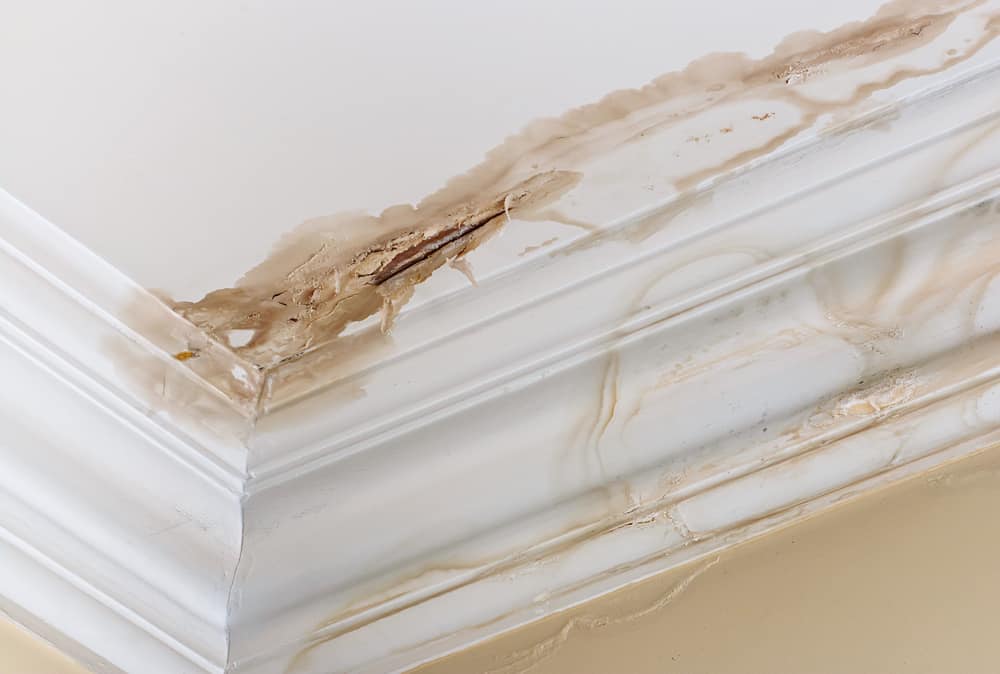
We start with a thorough inspection — not a quick walk-through, but a 5-point assessment that includes boroscopic wall cavity examination, air sampling, surface swab sampling, non-invasive moisture measurement, and water intrusion point identification. This matters in Flower Hill specifically because the homes here are large, complex, and often older. Mold doesn’t always show itself. It hides in wall cavities behind plaster, in attic framing where condensation has been building up through multiple Long Island winters, and in crawl spaces where ground moisture has never had anywhere to go.
Once the scope is confirmed, the remediation process begins with full containment of the affected area to prevent cross-contamination, followed by HEPA-filtered air scrubbing and the physical removal of mold-affected materials. We address the source of the moisture — whether it’s a plumbing leak, storm intrusion, or a ventilation problem — at the same time, because removing mold without fixing what caused it is just buying yourself a second call in six months.
New York State law requires that mold assessment and mold remediation be performed by separate licensed entities on the same property. We navigate this correctly and can walk you through what that means for your specific job. After remediation is complete, post-clearance air and surface samples go to an independent laboratory. You get written results with chain-of-custody documentation — the kind that holds up in a real estate transaction, an insurance claim, or a legal proceeding.
Ready to get started?
Mold removal in Flower Hill isn’t a one-size-fits-all job. The homes here range from pre-war estates near Elderfields Road to postwar developments in the Broadridge section and newer construction on subdivided lots — each with its own moisture history, structural quirks, and mold risk profile. We handle all of it: attic mold removal, basement mold removal, crawl space mold removal, bathroom mold removal, and full toxic mold cleanup when the situation calls for it.
What you get with every job is documentation that actually means something. Independent lab results, written reports, and chain-of-custody records delivered within 2 to 3 business days. In a community where real estate transactions routinely involve attorneys and detailed due diligence, that paperwork isn’t a formality — it’s protection.
We also cover up to $500 toward your insurance deductible for mold, water, or fire-related claims, and work directly with adjusters so you’re not managing that relationship on top of everything else. We’re available 24 hours a day, 7 days a week, because mold starts colonizing within 24 to 48 hours of water damage — and a nor’easter or burst pipe in a Flower Hill home doesn’t wait for business hours.
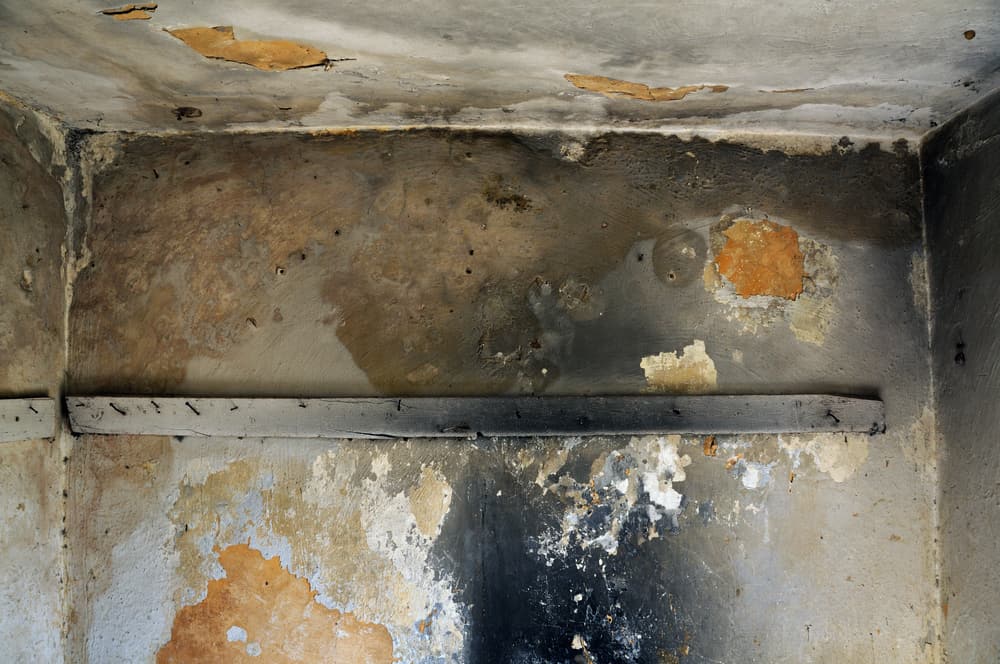
Mold can begin colonizing within 24 to 48 hours of water exposure — and that window is not forgiving. In Flower Hill, where the hilly North Shore terrain channels stormwater runoff directly toward lower-elevation foundations during heavy rain events, basement flooding after a nor’easter or significant storm can escalate into a full mold problem faster than most homeowners expect. The area’s high coastal humidity also slows natural drying, which extends the window of mold-favorable conditions well beyond the initial flooding event.
This is why response time matters as much as the remediation itself. The sooner moisture is extracted and drying begins, the smaller the scope of the mold problem you’ll be dealing with afterward. We operate 24/7 specifically because emergencies in Nassau County don’t follow a 9-to-5 schedule. If your Flower Hill basement took on water, the right move is to call immediately — not Monday morning.
The honest answer is that it depends on the scope. A contained bathroom mold issue might run $500 to $1,500. A more significant problem — say, attic mold across a large section of roof decking or mold behind finished basement walls — can range from $3,000 to $7,000 or more depending on square footage, materials involved, and how far the growth has spread. In Flower Hill, where homes are larger and more complex than average, it’s not uncommon for jobs to fall in the mid-to-upper end of that range simply because there’s more to inspect and more surface area to treat.
What changes the math significantly is catching it early. A mold problem discovered during a routine inspection or right after a water event costs considerably less to resolve than one that’s been quietly growing behind walls for a year. We also work directly with homeowners’ insurance when the mold is tied to a covered water event, and cover up to $500 toward your deductible — which reduces your out-of-pocket cost on qualifying jobs.
Yes, and it’s one of the more frequently overlooked problems in North Shore Nassau County homes. The cause is almost always the same: warm, moist interior air rises and meets cold roof decking during Long Island’s winter months, and when attic ventilation isn’t adequate — which is common in homes built before modern ventilation standards — that moisture condenses and sits against the wood framing. Over time, mold colonizes the decking and rafters, often for years before anyone notices.
In Flower Hill specifically, the older housing stock throughout areas like Elderfields and the Flower Hill Estates development is particularly susceptible. These homes weren’t built with ridge vents and soffit ventilation as standard features, and many haven’t been updated. The problem typically surfaces during a home inspection, a renovation, or when a homeowner notices a musty smell in the upper floors that doesn’t have an obvious source. Our inspection protocol includes attic assessment specifically because it’s such a consistent finding in this type of housing stock.
In most cases, yes — but it depends on where the mold is located and how extensive the growth is. For a contained bathroom or crawl space job, most homeowners stay in the house without issue. The affected area is fully sealed off during remediation, and HEPA air scrubbers run continuously to prevent spore migration into living spaces. You won’t have unrestricted access to the work zone, but the rest of the home remains usable.
For larger jobs — significant attic mold, mold spread across multiple areas of a finished basement, or any situation involving toxic mold in a central HVAC system — temporary relocation is sometimes the safer call, especially if there are young children, elderly residents, or anyone with respiratory conditions in the household. Given Flower Hill’s proximity to St. Francis Hospital and the medically informed character of the community, this is a conversation worth having directly with our team before work begins. We’ll give you a straight answer based on the actual scope of the job, not a blanket policy.
The mold remediation work itself typically doesn’t require a building permit. However, if the remediation involves structural repairs — removing and replacing drywall, correcting plumbing that caused the moisture problem, or making changes to attic ventilation — those repairs may require permits through the Village of Flower Hill’s building department or, depending on scope, the Town of North Hempstead’s Department of Building, Safety, Inspection and Enforcement.
What New York State does require — regardless of permits — is that all mold inspection and remediation work on areas larger than 10 square feet be performed by licensed professionals under Article 32 of the Labor Law. The state also prohibits the same licensed company from performing both the mold assessment and the mold remediation on the same property. This is a consumer protection provision that a lot of homeowners aren’t aware of, and it’s worth asking any contractor you speak with how they handle it. We’re fully licensed under NY State requirements and navigate this correctly on every job.
You shouldn’t have to take anyone’s word for it — and with us, you won’t. Every remediation job includes post-clearance testing: air samples and surface swabs collected after the work is complete, sent to an independent laboratory for analysis. Results come back in writing, with chain-of-custody documentation that meets legal evidence standards. That’s not a standard practice across the industry, but it’s our standard.
This matters especially in Flower Hill, where many homeowners are navigating real estate transactions, insurance claims, or simply want documentation they can hold onto for their own records. A home valued at over $5 million deserves more than a visual confirmation and a handshake. The written lab report gives you something concrete — proof that the remediation was successful, the air quality has been restored, and the problem is resolved. If the clearance test comes back with findings that suggest the job isn’t complete, the work continues until it is.
Useful Links
Other Services we provide in Flower Hill