
Hear from Our Customers
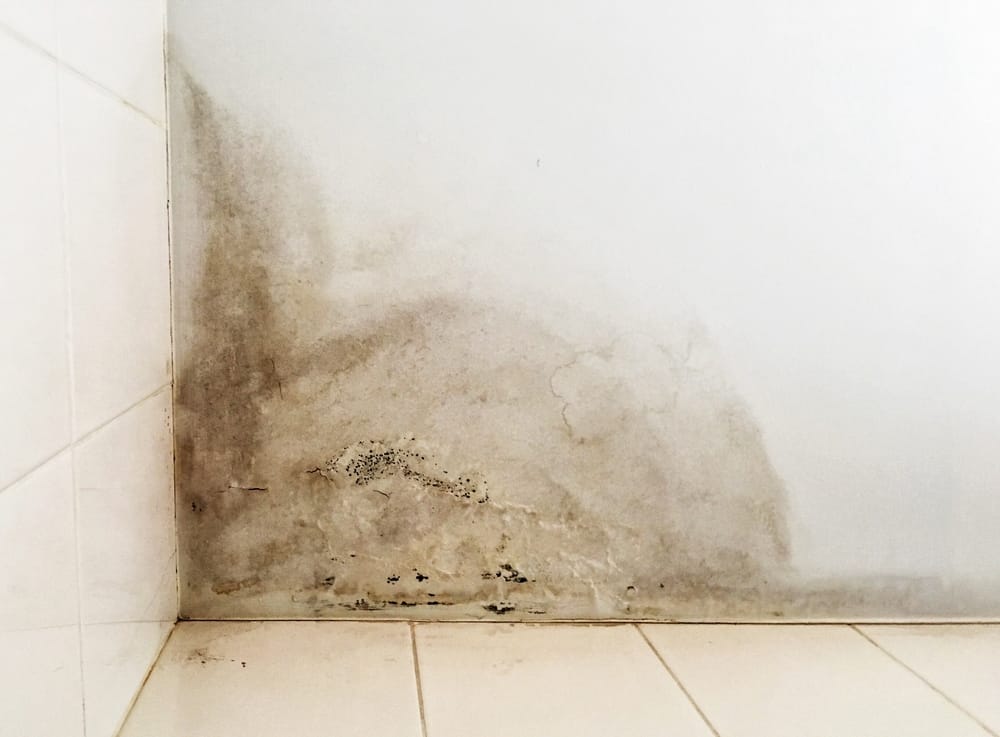
When mold shows up in a Garden City Park home — whether it’s in a basement that’s been fighting the water table for decades or an attic with ventilation that hasn’t kept up with the years — the goal isn’t just to treat the surface. It’s to confirm the source, remove what’s there, and give you documentation that proves it’s gone. That matters whether you’re protecting your family or preparing your home for sale in an active market.
Most homes in Garden City Park were built between 1940 and 1969. That means older plumbing, older rooflines, and basement walls that have absorbed decades of hydrostatic pressure from groundwater sitting close to the surface. When moisture finds its way in — and eventually it does — mold follows within 24 to 48 hours. The longer it goes undetected, the deeper it gets into materials, and the more expensive and disruptive the fix becomes.
What changes after professional mold removal isn’t just the air quality — it’s your confidence in the space. You stop wondering what’s behind the drywall. You stop worrying about what your kids are breathing in the bedroom above the basement. And if you’re selling, you have the lab-certified clearance documentation that buyers, attorneys, and title companies need before a deal closes. That’s the real outcome: certainty, not just cleanup.
We’ve been working in Nassau County homes for over three decades — not as a franchise, not as a national brand with a local territory, but as a Long Island-based team that has seen every variation of what Garden City Park’s post-war Cape Cods, split-levels, and brick colonials can hide. From the quiet streets near Hillside Avenue to the older blocks off New Hyde Park Road, we know the housing stock here because we’ve worked in it, repeatedly, for 31 years.
Every technician on our team holds IICRC certification — the industry’s gold standard for mold remediation procedure. That’s not a credential the owner holds while everyone else figures it out on the job. It’s the standard we hold across the entire team, every time. We’re also New York State licensed for mold remediation, which means we operate within the legal framework that protects you as a homeowner — including the state requirement that separates mold testing from mold removal to prevent conflicts of interest. You deserve to know that distinction, and we’ll always be upfront about it.
It starts with a thorough inspection — not a visual scan and a gut feeling, but a certified technician assessment that includes air sampling, surface swab sampling, non-invasive moisture measurement, and boroscopic examination of wall cavities where needed. In a community where most homes are 55 to 85-plus years old, that last step matters more than people realize. Mold doesn’t always grow where you can see it. It grows where moisture has been sitting quietly for months or years inside walls, under flooring, or above ceiling panels.
Samples go to an independent laboratory with chain-of-custody documentation — the same standard used in insurance claims and real estate proceedings. Results come back within two to three business days. From there, the remediation plan is built around what the lab actually confirms, not what looks bad from the doorway. Containment is set up to prevent cross-contamination to unaffected areas of your home. Affected materials are removed and disposed of properly. The space is treated and dried.
After remediation is complete, post-clearance testing confirms the job is done. You get documentation — not a verbal assurance, but a paper trail. That matters especially in Garden City Park, where the Town of North Hempstead’s Building Department may require permits for structural work tied to larger remediation jobs. We’ve navigated Nassau County’s regulatory environment for 31 years, so we can help you understand what’s required before work begins.
Ready to get started?
Mold removal in Garden City Park isn’t a one-size situation, and our service reflects that. The most common jobs we handle here are basement mold removal — driven by the area’s documented high water table and aging foundation waterproofing — and attic mold removal, which tends to surface in homes where ventilation hasn’t kept pace with decades of seasonal temperature swings. Both are common in the 1940s-to-1960s housing stock that makes up most of this hamlet, and both require a different approach to contain, remove, and clear properly.
Beyond basements and attics, bathroom mold removal and crawl space mold removal are frequent calls in Garden City Park’s older homes, where original plumbing and unfinished crawl spaces create persistent moisture conditions. For homeowners dealing with water damage alongside mold — which is common after a flooding event tied to the area’s high water table — we handle both. You won’t need to coordinate two separate contractors while the problem gets worse.
We also work directly with insurance adjusters when the job is part of a claim. Water damage-related mold, storm flooding, and sewer backups may be covered under your homeowners policy, and our documentation process is built to support that from the start. If you’re a senior resident at Denton Green or a family in the Herricks school district section of the hamlet, the process is the same — clear, certified, and backed by 31 years of doing this work right here in Nassau County.
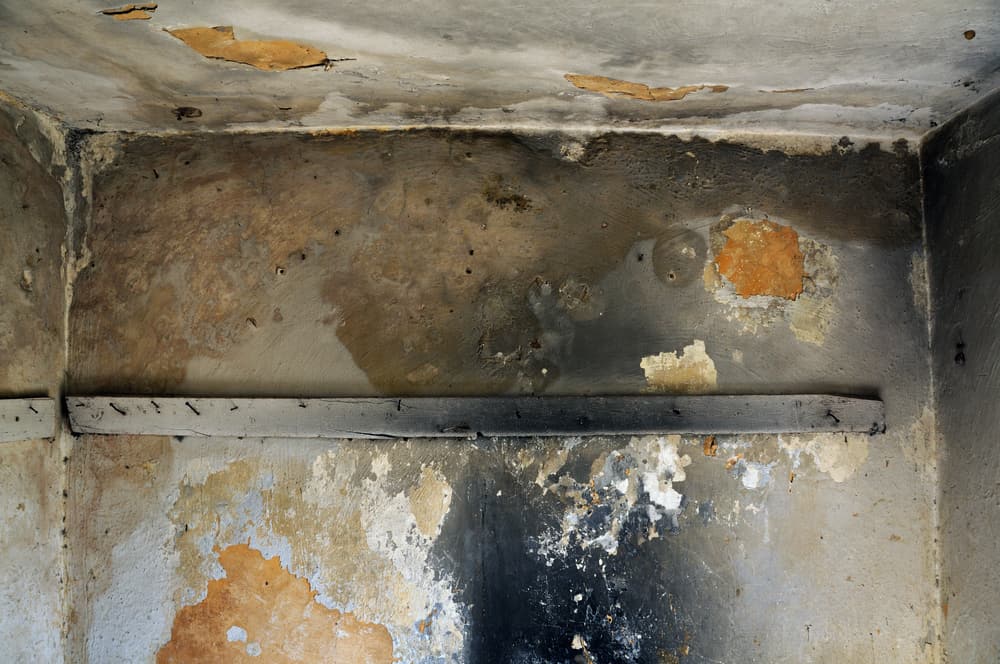
Garden City Park sits on a notably high water table, which means groundwater naturally sits close to the surface. During heavy rains — or even after a prolonged wet stretch — that pressure pushes moisture through basement walls and floor slabs even without a visible pipe failure or direct flooding event. It’s a slow, chronic source of dampness that most homeowners don’t notice until mold is already established somewhere behind the drywall or under the flooring.
The homes most at risk are the ones built before modern moisture barriers and vapor retarders became code requirements — which covers most of Garden City Park’s housing stock, built predominantly between 1940 and 1969. If your basement has ever felt damp, smelled musty after rain, or shown any efflorescence on the walls, those are signs that moisture is getting in. A proper mold inspection that includes non-invasive moisture measurement will tell you exactly where the water is entering and whether mold has already taken hold — before it becomes a larger structural problem.
The honest answer is that it depends on where the mold is, how much surface area is affected, and what materials are involved. Nationally, the average cost of professional mold remediation runs around $2,300, but the range is wide — from a few hundred dollars for a contained bathroom situation to several thousand for a full basement or attic remediation in an older home. For basement, attic, and crawl space work specifically, expect somewhere in the range of $15 to $30 per square foot as a general benchmark.
For Garden City Park homeowners, the scope of the job is often shaped by the age of the home. Older materials — original drywall, older insulation, wood framing that’s absorbed moisture over decades — can mean more material removal than a newer home would require. The best way to get an accurate number is through a proper inspection that includes lab sampling, not a quick visual estimate. We also offer up to $500 in deductible coverage for qualifying jobs that go through insurance, which helps offset out-of-pocket costs when the mold is tied to a covered water damage event.
No — and this is something every homeowner in Garden City Park should know before hiring anyone. New York State law requires separate licensing for mold assessors and mold remediators, and it specifically prohibits the same company or its employees from performing both the mold assessment and the mold remediation on the same property. The law exists to protect you from a conflict of interest — a company that profits from remediation has a financial incentive to find more mold than is actually there.
What this means practically is that if a contractor offers to test your home and then immediately quotes you a remediation job, something is off. The assessment and the remediation need to be handled independently. We operate within this framework and will always be transparent about how the process works. If you’ve already had an assessment done by a licensed mold assessor, we can move directly to remediation. If you haven’t, we can point you in the right direction before we start any work.
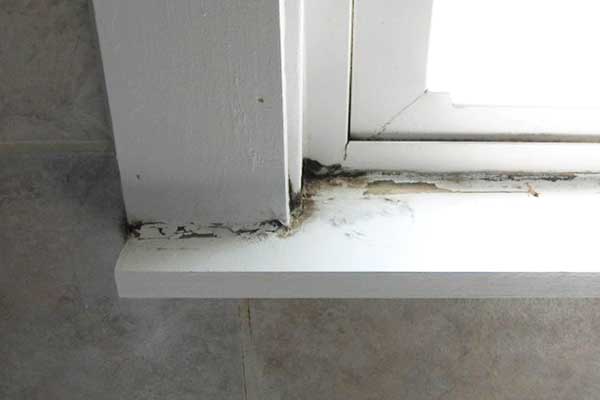
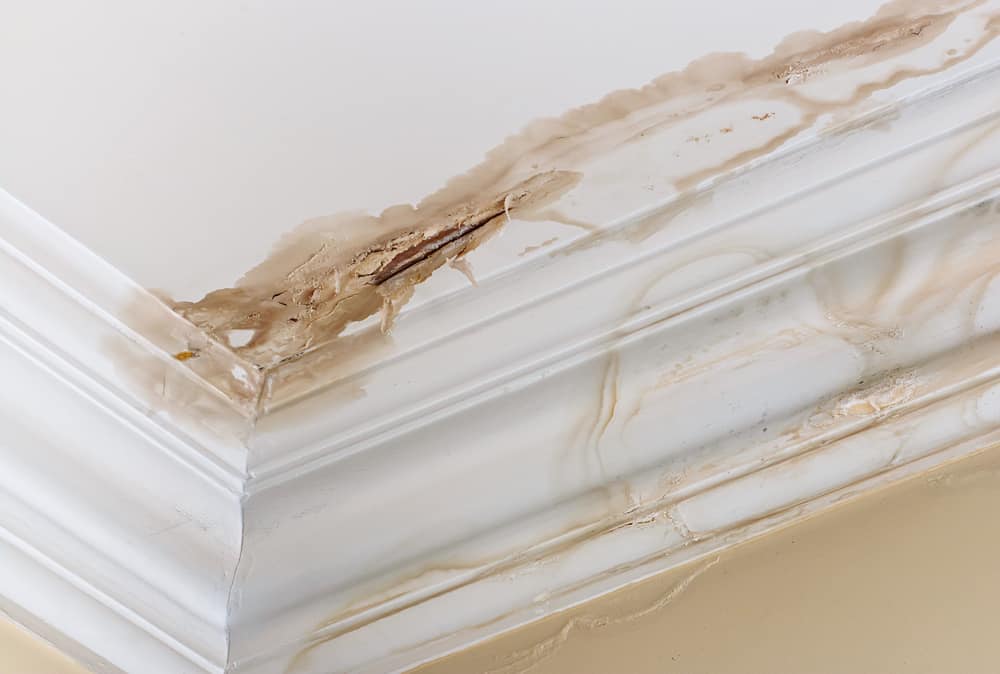
In homes built between 1940 and 1969 — which covers most of Garden City Park’s residential streets — the signs tend to be subtle at first. A persistent musty smell in the basement or a bedroom above it is usually the first indicator. Visible discoloration on walls, ceilings, or around window frames is another. Peeling paint or bubbling drywall near the base of a wall often signals moisture intrusion that’s been happening long enough to affect the surface material. Allergy or asthma symptoms that get worse indoors, particularly in one room or one floor of the house, can also point to mold.
Attic mold is common in Garden City Park’s older homes and often goes undetected for years because most homeowners don’t go up there regularly. Inadequate ventilation in a 1950s or 1960s attic creates condensation conditions in both summer and winter, and that moisture feeds mold growth on the sheathing and rafters. If your home is going on the market, a buyer’s inspector will almost certainly check the attic — and if they find mold there, it can stall or kill the deal. Getting ahead of it with an inspection before listing is almost always the smarter move.
For most residential jobs, the active remediation work takes one to three days depending on the size of the affected area and how deep the mold has penetrated into materials. A contained bathroom situation might be resolved in a single day. A basement with mold across multiple wall sections, or an attic with widespread sheathing contamination, will take longer — and may require a drying period before post-clearance testing can be completed accurately.
The full timeline from inspection to lab-confirmed clearance typically runs about one to two weeks when you factor in lab turnaround time for both the initial samples and the post-remediation clearance test. That two-to-three business day lab window is standard, and it’s worth it — because clearance testing is what gives you documented proof the mold is gone, not just treated. For Garden City Park homeowners on a real estate timeline, it’s worth calling early so we can sequence the process around your closing date. We’ve helped plenty of Nassau County sellers get through remediation and clearance without losing their deal.
It depends on what caused the mold. Most homeowners insurance policies will cover mold remediation when it’s a direct result of a covered peril — a burst pipe, storm flooding, or a sudden water intrusion event. What they typically won’t cover is mold that developed over time from ongoing moisture issues, like the kind that builds up slowly from a high water table or a long-undetected roof leak. The distinction matters, and it’s worth reviewing your policy carefully before assuming coverage applies.
For Garden City Park homeowners, the most common insurance-eligible mold scenarios involve water damage from storms or plumbing failures — both of which are real risks given the area’s high water table and aging housing infrastructure. When we work on insurance claims, our documentation process is built to support the adjuster’s review from the start: detailed photo records, lab-certified sampling results, and a clear scope of work that reflects what the damage actually is. That documentation is what prevents disputes and keeps the claim moving. Combined with our $500 deductible coverage program for qualifying jobs, we try to make the financial side of this as manageable as the remediation itself.
Useful Links
Other Services we provide in Garden City Park