
Mold Removal in Gilgo, NY
When the Bay and Ocean Close In, Mold Follows
Hear from Our Customers
Residential Mold Removal Gilgo, NY
The musty smell that hits you when you open the door after a few months away that’s not just an inconvenience. It’s a sign that moisture has been sitting somewhere in your home, doing damage you can’t see yet. In a barrier island community like Gilgo, that’s not a rare problem. It’s almost predictable.
When your home sits between the Atlantic and the Great South Bay, humidity doesn’t just visit it settles in. Salt air breaks down window seals, roofing materials, and exterior caulking faster than it does on the mainland. Once those barriers start failing, moisture finds its way into wall cavities, crawl spaces, and attic framing. You may not notice it for months, especially if the home is seasonally occupied. By the time you do, mold has already spread beyond what’s visible.
After we complete proper mold removal in Gilgo, you’re not just getting rid of what you can see. You’re getting a home where the air quality is verified, the moisture source is identified and addressed, and the conditions that allowed mold to grow in the first place are corrected. That matters year-round but it matters most when you’re returning to a home that’s been closed up through a Long Island winter and you need to know it’s actually safe.
Mold Removal Companies in Gilgo, NY
First Response Restoration and Cleaning Inc. has been handling mold remediation and water damage restoration across Nassau and Suffolk County for over three decades. Our headquarters is in West Babylon directly across the Great South Bay from Gilgo Beach. This isn’t a national franchise routing calls through a regional hub. We’re a local company that has been in this market long enough to have worked through Hurricane Sandy’s aftermath on the South Shore and understands exactly what coastal Long Island does to a home over time.
Every technician on our team is IICRC-certified and we hold the required New York State Article 32 mold remediation license the state-mandated credential that’s been required since 2016 and is actively enforced. That licensing matters because it protects you: it separates the assessment from the remediation so no one has an incentive to inflate the scope of your job.
We operate 24 hours a day, seven days a week, with a dedicated Suffolk County line at 631-587-5300. When Ocean Parkway is accessible and you need someone out to Gilgo fast, that availability is not a marketing claim it’s how we actually operate.
Professional Mold Removal Services Gilgo, NY
The first thing that happens is a thorough assessment not just a visual walkthrough. We use moisture sensors, air sampling, and particle counters to find mold wherever it’s actually growing, including inside wall cavities, in crawl spaces beneath elevated foundations, and in attic spaces where winter condensation has been quietly saturating wood framing. In Gilgo’s beach cottages and stilted beach houses, the understructure is often the first place mold takes hold, and it’s the last place a surface-level inspection would catch it.
Once we map out the full scope, containment goes up before any removal begins. Negative air pressure systems and physical barriers prevent spores from spreading to unaffected areas of your home during the remediation process. This step is non-negotiable especially in smaller beach cottages where living spaces are close together and airflow moves freely between rooms.
From there, we physically remove affected materials not spray over them, not encapsulate as a first resort. HEPA vacuuming, antimicrobial treatment, and air scrubbing follow. After the work is done, post-remediation air quality testing confirms the job is complete. You get documentation you can use for insurance purposes, for a future real estate transaction, or simply for your own peace of mind. In a community where homes are owned but land is leased, the condition of your structure carries everything and that documentation is part of what you’re paying for.
Ready to get started?
Crawl Space Mold Removal Gilgo, NY
Mold removal in Gilgo covers the full range of where mold actually grows in barrier island homes and that list looks different here than it does on the mainland. Crawl space mold removal is one of our most common calls in this area, because elevated foundations and sandy soils create direct pathways for moisture to rise from below. Attic mold removal is another frequent issue, driven by warm interior air hitting cold roof surfaces during winter months and condensing on wood sheathing. Bathroom mold removal, black mold removal, and basement mold removal where applicable are all part of what we address under a single, coordinated scope of work.
We handle the full restoration continuum. That means if water damage is part of the picture which it often is after a nor’easter or a plumbing failure during a seasonal closure structural drying, dehumidification, and odor removal are handled by our same team. You’re not coordinating between two separate contractors while mold continues to spread.
For Gilgo homeowners dealing with storm-related damage, we work directly with insurance carriers and document everything needed to support your claim. Toxic mold cleanup, mold mitigation services, and safe mold removal are all performed in compliance with New York State Article 32 with licensed technicians, proper containment, and verified clearance testing at the end. The price we quote is the price you pay. That’s been our standard for 31 years, and it’s not changing.
How fast can mold grow in a Gilgo beach house left closed for months?
Faster than most people expect. Mold can begin colonizing a surface within 24 to 72 hours of moisture exposure and in a home that’s been sealed up through a Long Island fall and winter, the conditions are often ideal. Heating systems are off, humidity has no way to escape, and any small moisture intrusion from a roof leak, a failed window seal, or even condensation inside wall cavities can go undetected for the entire off-season.
By the time you return to your Gilgo property in spring, what started as a minor moisture issue can have spread through crawl spaces, behind walls, and into attic framing. The musty smell you notice when you first open the door is often the first real signal and at that point, the visible mold you see on a surface is rarely the full picture. A proper assessment using moisture sensors and air sampling is the only way to know the true scope before any work begins.
What does mold removal cost for a beach cottage in Gilgo, NY?
Mold remediation costs vary depending on where the mold is, how far it’s spread, and what materials need to be removed. As a general range, most residential mold removal jobs fall somewhere between $1,200 and $6,000. Crawl space mold removal and attic mold removal both common in Gilgo’s elevated beach house construction typically run $1,000 to $5,000 depending on the size and severity. Larger infestations involving multiple areas of a home can go higher.
What you’re paying for matters as much as the number itself. A low quote that doesn’t include post-remediation air quality testing, proper containment, or physical removal of affected materials is not a deal it’s a setup for the problem to return. We provide a transparent estimate before any work begins, and that estimate is what you pay. No adjustments after our crew is already inside your home.
Is mold in Gilgo homes usually covered by homeowners insurance?
It depends on what caused the mold, and the distinction matters. Most standard homeowners insurance policies will cover mold damage if it resulted from a covered event like storm surge from a nor’easter, a burst pipe, or wind-driven rain that entered through a damaged roof. Given Gilgo’s history with coastal storms, including the significant damage Ocean Parkway and the surrounding area sustained during Hurricane Sandy, storm-related mold claims are not uncommon here.
Where coverage typically gets denied is when mold results from long-term neglect, deferred maintenance, or gradual moisture buildup that wasn’t reported promptly. If you’re returning to your Gilgo property after a storm and you discover mold, document everything before any cleanup begins and contact your insurance carrier. We work directly with insurance companies, help document damage thoroughly, and coordinate the claims process so you’re not navigating that on your own while also managing a mold emergency.
Can mold grow in a beach house that's only used seasonally?
Yes and seasonal homes are actually at higher risk in some ways than year-round occupied properties. When a home is closed up for months, there’s no one running dehumidifiers, no one noticing a small roof leak, and no HVAC system actively managing indoor humidity. Salt air from the Atlantic and moisture from the Great South Bay continue to work on the building envelope whether anyone is home or not. When seals around windows or doors fail which happens faster in a coastal environment than on the mainland moisture enters and has nowhere to go.
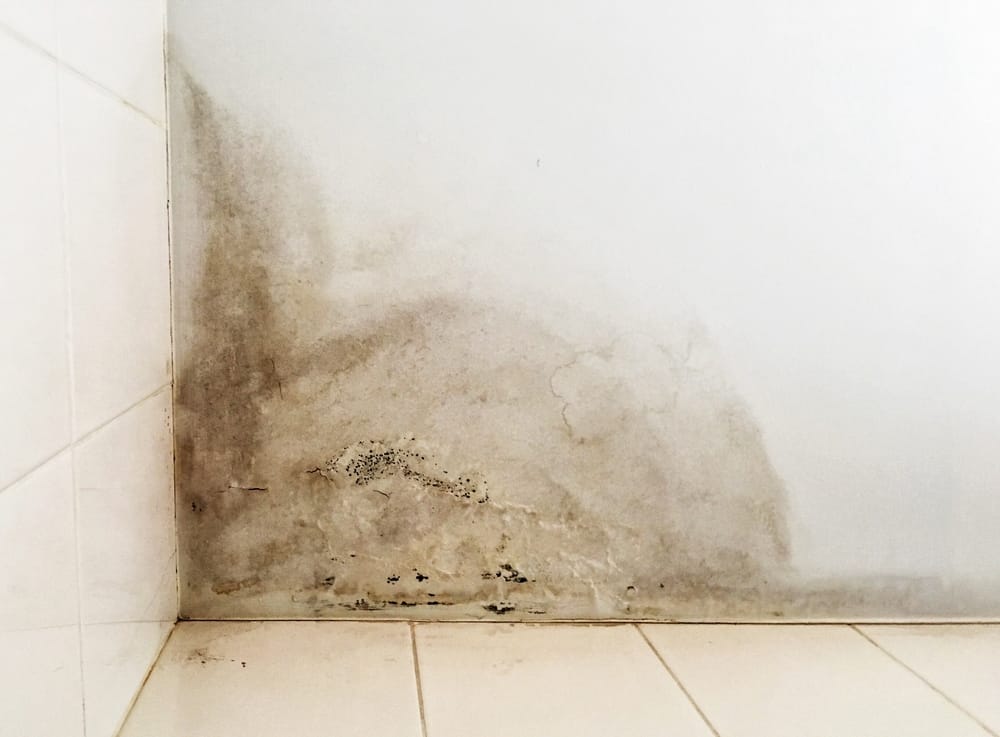
The other factor specific to Gilgo is that many of these cottages were built decades ago, some going back to the original structures relocated from High Hill Beach in the 1930s. Older construction often has less insulation, less vapor barrier protection, and more opportunities for moisture infiltration than modern builds. If your Gilgo home has been closed for a season and you’re noticing a musty smell, discoloration on walls or ceilings, or condensation on windows when you first open the property, those are signs worth taking seriously before they become a larger remediation project.
What's the difference between mold removal and mold remediation?
The terms get used interchangeably, but there’s a meaningful difference in what they imply. Mold removal, taken literally, just means getting rid of visible mold which is what a surface treatment or a bleach application does. The problem is that surface removal doesn’t address mold that’s grown into porous materials like drywall, wood framing, or insulation, and it doesn’t address the moisture source that allowed mold to grow in the first place.
Mold remediation is the more complete process: assessment to find all affected areas, containment to prevent cross-contamination during the work, physical removal of compromised materials, treatment of remaining surfaces, air filtration to capture airborne spores, and post-remediation testing to confirm the job is done. In a Gilgo beach house where mold may have spread through a crawl space or behind walls during a seasonal closure, remediation is the only approach that actually solves the problem. Anything less is temporary and in a high-humidity coastal environment, temporary fixes don’t last long.
Does New York State require a license for mold removal work in Gilgo, NY?
Yes. Under New York State Article 32 of the Labor Law, any professional performing mold assessment or mold remediation is required to hold a state-issued license. This requirement has been in place since 2016, and enforcement has increased significantly heading into 2025. Before any contractor begins mold work on your Gilgo property, ask to see their New York State mold remediation license. If they can’t produce it, that’s a serious red flag and any work performed by an unlicensed contractor can create complications with your insurance claim.
Article 32 also includes a consumer protection that’s worth knowing: the same individual or company cannot legally perform both the mold assessment and the mold remediation on the same job. This separation exists specifically to prevent contractors from inflating the scope of work based on their own findings. We operate in full compliance with Article 32, hold the required licensing, and follow the mandated separation between assessment and remediation. In a small, close-knit community like Gilgo where there’s limited local oversight and contractors come from the mainland, verifying that license before work begins is one of the most important steps you can take.
Useful Links
Other Services we provide in Gilgo