
Mold Removal in Greenlawn, NY
North Shore Homes Hide Mold Longer Than You Think
Hear from Our Customers
Professional Mold Removal Services Greenlawn
The musty smell in your basement isn’t just an inconvenience. In a Greenlawn home built in the 1950s or 1960s with a concrete block foundation and minimal vapor barrier that smell usually means mold has been growing behind your walls or under your subfloor for months. Once it’s fully removed, the air in your home changes. You stop noticing the smell. Your family stops dealing with the headaches, the congestion, the unexplained allergy symptoms that seem worse indoors than out.
For homeowners near the Harborfields area, where Long Island Sound humidity keeps ambient moisture levels elevated year-round, mold isn’t a one-time event. It’s a recurring risk tied to your home’s age and geography. Getting it removed professionally with proper containment, negative air pressure, and post-remediation air testing means you’re not just cleaning a surface. You’re actually resolving the problem at its source, so it doesn’t quietly return in six months.
Your home is likely worth close to $900,000 or more. Protecting that investment means not leaving mold remediation to a contractor who shows up with bleach and a shop vac. It means verifiable credentials, a written plan, and a clearance test when the work is done. That’s what professional mold removal in Greenlawn actually looks like.
Licensed Mold Removal Company Greenlawn NY
We’ve been serving Long Island homeowners for over three decades. That’s not a marketing number it’s 31 years of working in homes exactly like yours, in Greenlawn and throughout the North Shore, dealing with the specific mold conditions that come with proximity to Long Island Sound and aging Suffolk County housing stock. Companies that cut corners don’t last three decades in a referral-driven market like this one.
Every technician on our team is IICRC-certified under the ANSI/IICRC S520 standard for professional mold remediation, and we hold a valid New York State mold remediation contractor license under Article 32 of the NY Labor Law the mandatory licensing framework that’s been in effect since 2016. We’re also fully bonded and insured.
What you’ll hear consistently from our real customers is that the estimate they received before the job started matched the bill when it was done. No upsell. No scope creep. No surprises. For a homeowner in Greenlawn with a property worth nearly a million dollars, that kind of accountability isn’t optional it’s exactly what you should be demanding from any contractor you let into your home.
Mold Remediation Process Greenlawn NY
It starts with a thorough inspection. Not a quick walkthrough a real assessment using moisture meters, thermal imaging, and air quality sampling to find mold where it’s actually growing, including inside wall cavities, attic insulation, and crawl spaces that haven’t been accessed in years. In Greenlawn’s older homes, the source is often not where the visible mold is. Water travels. Mold follows. The inspection maps the full scope before any work begins.
Once the assessment is complete, we prepare a written mold remediation plan. This is required under New York State law, and it outlines exactly what will be removed, how containment will be established, and what the post-remediation standard looks like. Containment barriers and negative air pressure systems go up before any materials are disturbed, so mold spores aren’t pushed into clean areas of your home during the removal process. HEPA filtration runs throughout. All affected materials drywall, insulation, framing if necessary are physically removed, not treated over.
After the remediation is complete, an independent post-remediation clearance test is conducted to verify the work meets the required standard. This is the part most homeowners don’t know to ask for and it’s the part that confirms the job was actually done right. In a town like Greenlawn, where nor’easters and seasonal humidity keep moisture risk high year-round, knowing the problem is fully resolved before you close the walls back up matters.
Ready to get started?
Basement and Attic Mold Removal Greenlawn NY
Mold in Greenlawn tends to concentrate in a few predictable places. Basements are the most common especially in homes with original concrete block or poured concrete walls where groundwater infiltrates slowly through cracks and mortar joints. Attics are a close second. When older homes are retrofitted with modern insulation for energy efficiency, the change in airflow can cause warm indoor air to condense on cold roof sheathing. Add a bathroom exhaust fan that vents into the attic instead of outside which is common in homes built before the 1980s and you have a textbook attic mold scenario. Crawl spaces, bathroom tile, and wall cavities behind leaking plumbing round out the list.
We handle all of it. Basement mold removal, attic mold removal, crawl space mold removal, bathroom mold removal, and full structural remediation when framing or subfloor materials are involved. Our service covers inspection, containment setup, physical removal of all contaminated materials, HEPA air scrubbing, antimicrobial treatment of affected surfaces, and post-remediation clearance testing. Water damage restoration and drying services are available when moisture intrusion is the underlying cause which, in Greenlawn, it usually is.
If your mold problem resulted from a sudden water event a burst pipe, a roof leak after a storm, a sump pump failure we coordinate directly with your homeowners insurance carrier to document the damage and support the claims process. You shouldn’t have to manage that paperwork on top of everything else.
How do I know if I have mold in my Greenlawn home if I can't see it?
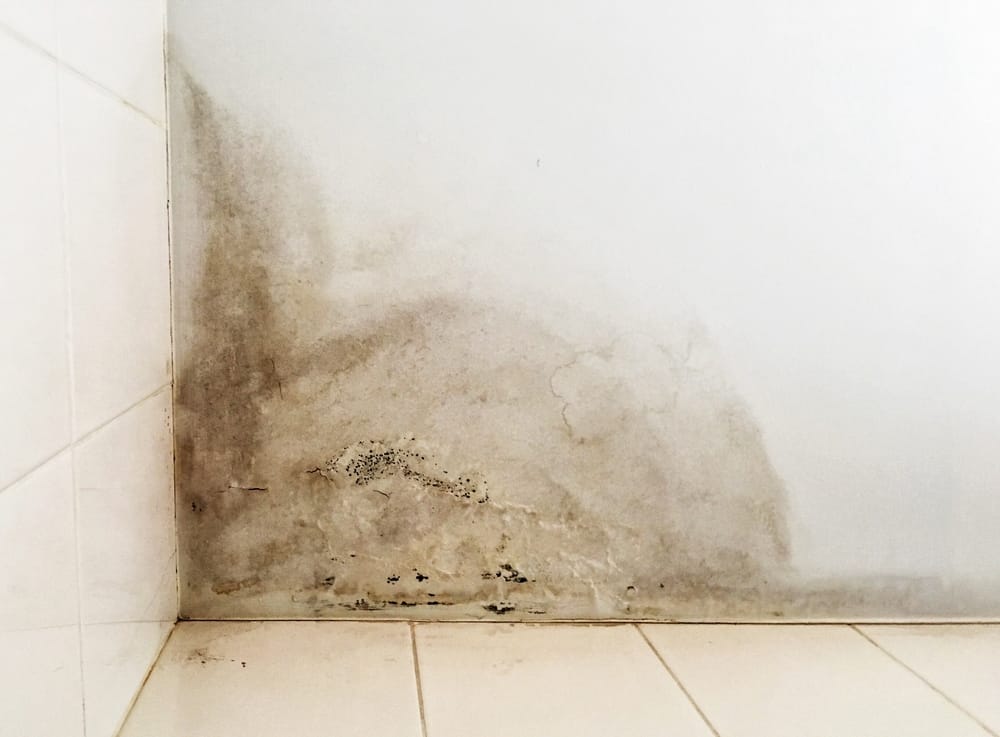
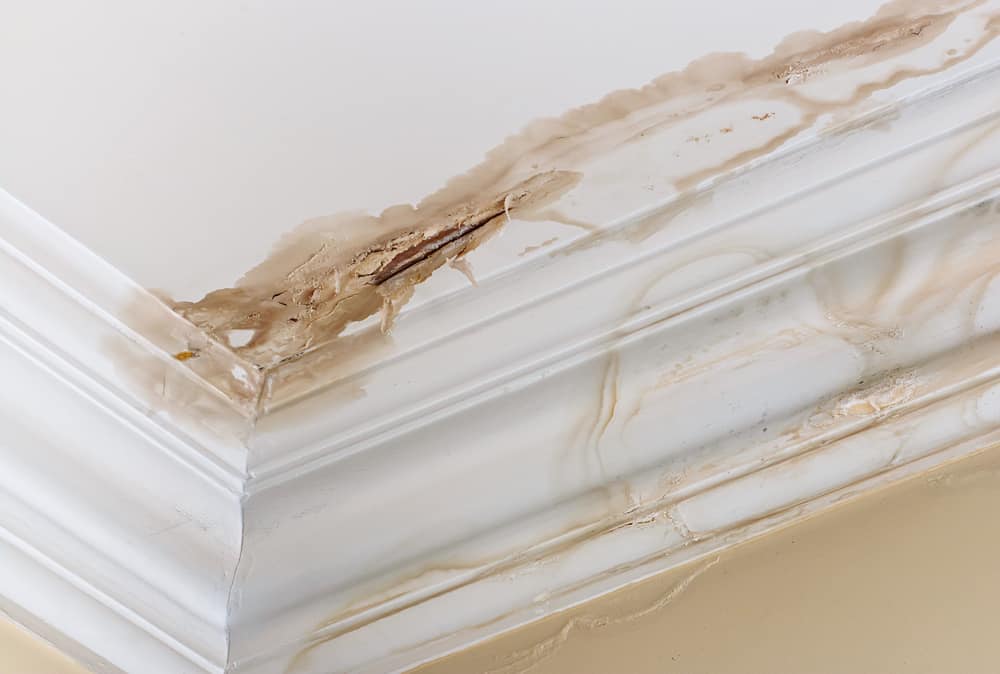
The most common signs are a persistent musty odor, unexplained allergy symptoms that are worse indoors, visible water staining on walls or ceilings, or a history of moisture problems a slow basement leak, a roof issue that wasn’t fully dried out, a bathroom that’s always a little damp. In Greenlawn’s older homes, mold frequently develops inside wall cavities, under subfloors, and in attic spaces where it’s completely out of sight. By the time you can see it, it’s usually been growing for months.
A professional mold inspection uses moisture meters and air quality sampling to detect elevated spore counts and moisture levels in areas you can’t visually access. This is the only reliable way to know what’s actually happening inside your walls or above your ceiling. If something feels off about your home’s air quality and you can’t explain why, an inspection is worth doing especially in a Greenlawn home built before 1980.
What does mold removal cost, and what affects the price in Greenlawn, NY?
Most residential mold removal projects fall somewhere between $1,200 and $6,000, depending on the size of the affected area and where the mold is located. Attic mold removal typically runs $1,000 to $4,000. Basement mold removal is usually $1,500 to $6,000. Smaller bathroom or surface-level situations can come in under $1,500. The per-square-foot cost generally ranges from $10 to $25.
What drives the price up in Greenlawn specifically is the age of the housing stock. Homes built in the 1950s and 1960s often have mold that’s spread into framing, subfloor material, or original insulation all of which needs to be physically removed, not just treated. That’s more labor and more material than a surface-level job. The inspection findings will determine the actual scope, and you should receive a written estimate before any work begins. If a contractor can’t give you a clear number upfront, that’s a red flag.
Is mold removal covered by homeowners insurance in New York?
It depends on what caused the mold. If the mold resulted from a sudden, covered water event a burst pipe, a roof leak after a storm, a sump pump failure there’s a reasonable chance your homeowners insurance policy will cover at least part of the remediation cost. If the mold developed gradually from chronic moisture infiltration a slow basement leak, long-term condensation, poor ventilation most standard policies won’t cover it.
The key is documentation. When you call us, part of the process is properly documenting the damage in a way that supports your claim. We coordinate directly with insurance carriers, which takes the burden off you during an already stressful situation. If you’re unsure whether your situation qualifies, the best first step is to have the inspection done and get a clear picture of the source before you contact your insurer. Going in with documentation is always better than going in without it.
How long does mold remediation take in a typical Greenlawn home?
Most residential mold remediation jobs in Greenlawn take one to three days, depending on the size of the affected area and whether structural materials like drywall or framing need to be removed. A contained bathroom situation might be done in a single day. A basement or attic with significant spread can take two to three days, plus additional time for drying before surfaces can be closed back up.
After the physical remediation is complete, post-remediation clearance testing is required this is a separate step conducted by an independent assessor to verify that spore counts have returned to acceptable levels. That testing adds time to the overall timeline but is not optional under New York State’s Article 32 requirements. Plan for the full process, not just the removal itself. Rushing the verification step is how mold problems come back, and in Greenlawn’s humid North Shore climate, a job that isn’t fully verified is a job that isn’t fully done.
What's the difference between mold removal and mold remediation, and does it matter?
“Mold removal” and “mold remediation” are often used interchangeably, but they describe slightly different things. Mold removal refers to the physical act of removing mold-affected materials drywall, insulation, framing, whatever is contaminated. Mold remediation is the broader process: assessment, containment, physical removal, air treatment, and post-remediation verification. True remediation addresses the full scope of the problem, not just the visible surface.
It matters because mold that is treated without being physically removed sprayed with biocide or bleach and left in place will typically return. Dead mold spores on a porous surface like drywall or wood framing can still trigger allergic reactions, and the underlying moisture conditions that allowed mold to grow in the first place are still present. In Greenlawn, where homes regularly deal with elevated ambient humidity and aging building materials, surface-only treatments are not a long-term solution. Physical removal of contaminated materials, followed by clearance testing, is the standard that actually holds.
Why does attic mold seem so common in older Greenlawn and Huntington area homes?
Attic mold is one of the most frequently encountered problems in Greenlawn and the broader Huntington area, and the reason is almost always the same: a combination of poor ventilation and moisture being pushed into the attic from the living space below. In homes built in the 1950s and 1960s which make up a large portion of Greenlawn’s housing stock bathroom exhaust fans were often routed into the attic rather than vented outside. That means every shower pumps warm, humid air directly into a space that gets cold in winter, and condensation forms on the roof sheathing.
The second major driver is insulation upgrades. When older homes are re-insulated for energy efficiency, the tighter thermal envelope changes how air moves through the attic. If the ventilation isn’t adjusted to compensate, warm indoor air gets trapped and condensation builds up. Ice dams during nor’easters compound the problem by forcing meltwater under shingles and into the attic cavity. The result is mold on roof sheathing, rafters, and insulation often discovered only during a home sale inspection or after a roofing contractor opens up the space. If your Greenlawn home was built before 1980 and hasn’t had an attic inspection recently, it’s worth having one done.
Useful Links
Other Services we provide in Greenlawn