
Hear from Our Customers
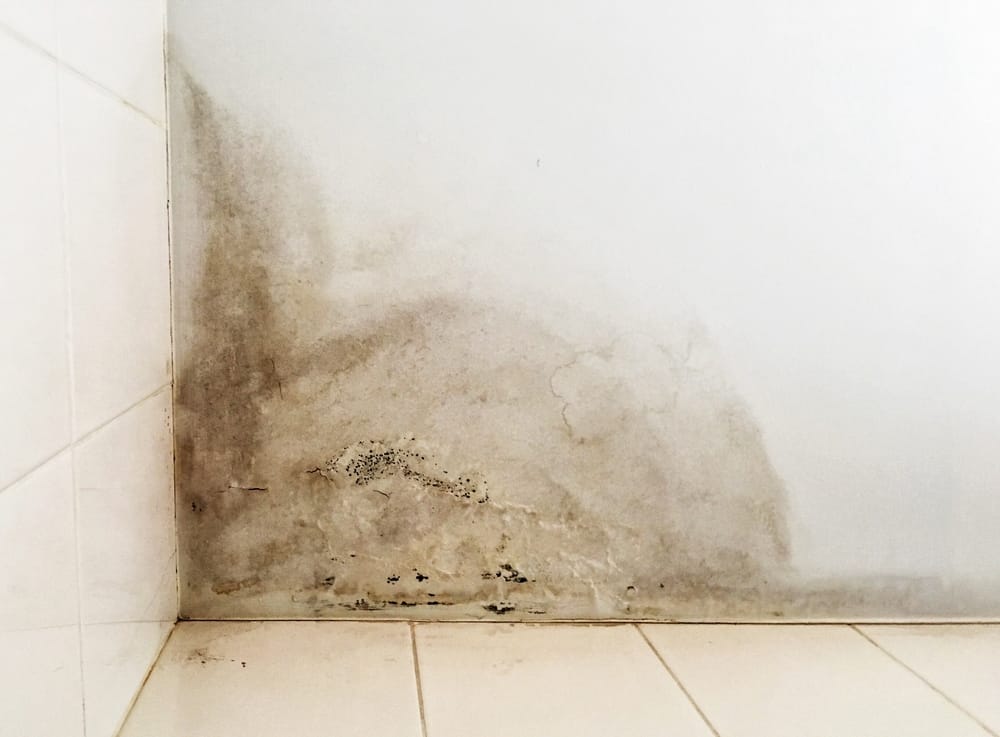
The biggest frustration homeowners in Harbor Hills face isn’t finding mold — it’s not knowing whether the job was actually done right. Surface treatments and painted-over problems don’t hold up. What you need is documented, lab-confirmed proof that the mold is gone, the moisture source is fixed, and your home is clear.
That matters even more here. With median home values exceeding $1,000,000 on the Great Neck Peninsula, a mold problem isn’t just a health issue — it’s a financial one. Studies show mold can drop a home’s resale value by 20% to 37%, and half of interested buyers walk away the moment they hear the word. Whether you’re protecting your family or protecting your investment before a sale, the result has to be verifiable.
Living on the water in Harbor Hills means your home faces humidity levels, salt air, and nor’easter exposure that inland Nassau County homes simply don’t deal with at the same intensity. Older homes in this area — many built before 1970 — have aging window seals, original basement waterproofing, and crawl spaces that were never designed for today’s moisture standards. When we finish a job in Harbor Hills, you get a clearance report you can hand to your real estate attorney, your insurance adjuster, or your buyer. Not a verbal assurance. A document.
We’ve been serving Nassau and Suffolk County homeowners since the early 1990s. That’s three decades of coastal basements in Harbor Hills, attic condensation in North Shore winters, and bay-driven humidity working its way into homes just like yours. We’re not a national franchise. We’re a Long Island company that knows this peninsula inside and out.
Every technician who walks into your Harbor Hills home holds IICRC certification — not just the project manager, not just the owner. Everyone. That’s an internal standard we don’t compromise on, because anything less isn’t acceptable when you’re dealing with a home at this level of value and complexity.
We serve Harbor Hills through our Nassau County line at (516) 541-0500, and we operate 24 hours a day, seven days a week. From the Saddle Rock side of the peninsula to homes right along the Little Neck Bay waterfront, we’ve worked in this area long enough to know what causes mold here and what it takes to make it stay gone.
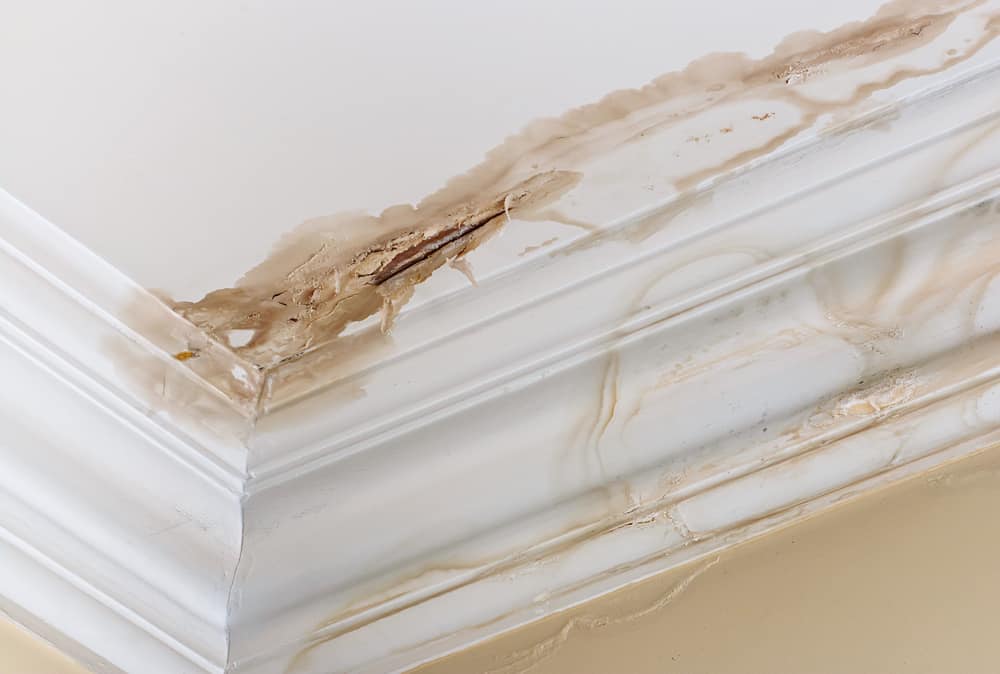
It starts with a thorough inspection — not a quick walk-through. Our 5-point protocol includes a certified technician assessment, air sampling, surface swab sampling, boroscopic wall cavity examination, and non-invasive moisture measurement. That last one matters in Harbor Hills specifically, because mold in older peninsula homes often hides behind original plaster walls or under hardwood floors — places a standard visual inspection won’t catch.
Once we know what we’re dealing with, samples go to the lab. You get a chain-of-custody report with photographs and documented results — the kind of documentation that holds up with insurance adjusters and real estate attorneys. From there, remediation begins. That means removing the mold, treating affected materials, and — critically — identifying and addressing the water intrusion point that caused it. In Harbor Hills, that’s often bay humidity working through aging building envelopes, basement seepage from spring storms, or attic condensation during winter temperature swings.
One thing worth knowing: New York State law prohibits the same licensed company from performing both mold assessment and mold remediation on the same property. It’s a consumer protection rule that a lot of homeowners don’t know about, and some contractors don’t mention. We operate in full compliance and explain exactly how it works before anything starts. When the work is done, post-remediation clearance testing confirms the results. If the lab doesn’t clear it, we keep working.
Ready to get started?
Most mold companies handle one side of the problem — either the inspection or the remediation. We handle both cycles, which means you’re not coordinating between two separate contractors while mold continues to spread. For Harbor Hills homeowners, that continuity matters because the issues here tend to be layered: bay humidity feeding a slow basement leak, or an attic condensation problem that’s been building through multiple winter seasons without anyone noticing.
Our services cover mold inspection and testing, black mold and toxic mold cleanup, basement mold removal, attic mold removal, crawl space mold remediation, bathroom mold removal, and the water damage restoration that almost always sits at the root of the problem. We also handle commercial mold removal for any business properties in the area. Every job includes post-remediation clearance testing — that’s not an add-on, it’s part of how we define a finished job.
For qualifying mold, water, or fire damage jobs, we also offer up to $500 toward your out-of-pocket deductible. No other mold remediation company serving the Great Neck Peninsula area offers this program. It won’t cover the whole deductible on a high-value claim, but it’s a real gesture that reflects how we approach the relationship — we’re invested in the outcome, not just the invoice. Permits for any structural work involved in remediation are coordinated through the Town of North Hempstead, and we handle that process with you.
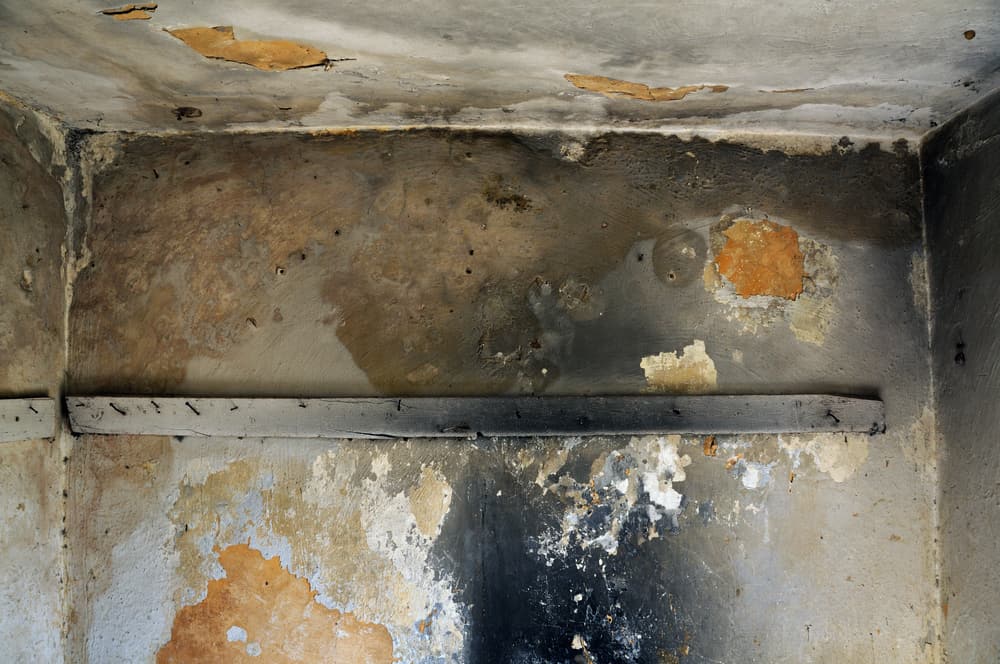
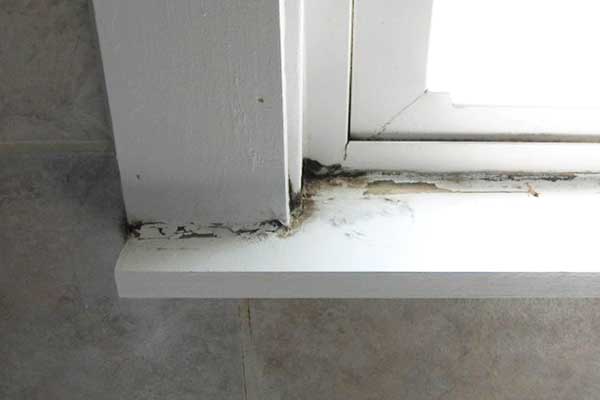
The Great Neck Peninsula’s position on Little Neck Bay creates a coastal microclimate that most inland Nassau County homeowners never deal with. Bay humidity stays elevated year-round — not just in summer — and salt-laden air accelerates moisture infiltration through older building materials like original window glazing, aging caulk lines, and pre-1970 foundation waterproofing. When ambient humidity consistently exceeds 60%, which happens regularly during Long Island summers and nor’easter season, mold spores that are naturally present in any home have everything they need to settle and grow.
For Harbor Hills specifically, the combination of coastal exposure and an older housing stock creates a higher baseline risk than you’d find in a newer, inland community. Basements and crawl spaces are the most common starting points because they’re the least ventilated and the most likely to accumulate moisture from both groundwater and bay air. If you haven’t had a professional inspection in the last few years, it’s worth having one — not because something is necessarily wrong, but because catching it early in a home at this value level is always the better outcome.
It depends on the cause, and that distinction matters a lot. Most standard homeowners insurance policies in Nassau County will cover mold remediation if it resulted directly from a covered peril — like a burst pipe, a roof leak from storm damage, or water intrusion from a nor’easter. What they typically won’t cover is mold that developed from long-term humidity, neglected maintenance, or a slow leak that wasn’t reported promptly.
The documentation you provide makes a significant difference in how a claim gets processed. Insurance adjusters want to see photographs, lab reports, and a clear chain of custody showing what was found, where, and when. That’s exactly what our inspection process produces. We’ve worked with adjusters on Long Island for over 31 years, and we know how to document a job in a way that supports your claim rather than complicating it. If you’re unsure whether your situation qualifies, call us before you call your insurer — we can help you understand what you’re dealing with first.
This is one of the most important questions a Harbor Hills homeowner can ask, and most people don’t know the answer until they’re already in the middle of a problem. In New York State, mold assessment and mold remediation are legally required to be performed by separate licensed entities. The same company cannot assess your mold problem and then remediate it under the same contract — it’s a consumer protection provision written into Article 32 of the New York State Labor Law.
The reason the law exists is straightforward: if the company doing the testing is also the one getting paid to fix it, there’s an obvious conflict of interest when it comes to how serious they say the problem is. By keeping these functions separate, you get an objective diagnosis before any remediation work begins. Some contractors don’t explain this clearly, or they structure their contracts in ways that blur the line. We operate in full compliance with New York State licensing requirements and walk every client through this process before anything starts — because you deserve to understand exactly what’s happening in your home and why.
Mold removal cost in Harbor Hills varies based on the size of the affected area, where the mold is located, and how far it’s spread into building materials. A contained bathroom or small basement section might run a few hundred dollars on the remediation side. A larger job involving wall cavities, structural framing, or an entire attic — which is common in older Great Neck Peninsula homes with inadequate ventilation — can run several thousand dollars or more.
What drives cost up most is hidden mold that wasn’t caught early. When mold has been growing inside wall cavities or under flooring for months, the scope of removal expands significantly. That’s why the inspection matters as much as the remediation — a thorough 5-point inspection that includes boroscopic wall cavity examination and moisture mapping gives you an accurate picture of what you’re actually dealing with before any work begins. We provide clear documentation and transparent scope so you understand exactly what you’re paying for and why. And for qualifying jobs, our deductible coverage program puts up to $500 back in your pocket.
The honest answer is that you can’t know without post-remediation clearance testing — and any company that tells you the job is done based on a visual inspection alone is giving you incomplete assurance. Mold spores are microscopic. You can’t see them, and you can’t smell them at low concentrations. The only way to confirm that remediation was successful is to collect air and surface samples after the work is complete and have them analyzed by an independent laboratory.
Our process includes post-remediation clearance testing as a standard part of every job — not an optional upgrade. If the lab results don’t confirm that mold levels have returned to normal background concentrations, the work continues until they do. You receive a written clearance report you can keep on file. For Harbor Hills homeowners who may be preparing for a sale, refinancing, or simply want documented proof for their own peace of mind, that clearance report is the most important piece of paper we produce. In a market where home values are what they are on this peninsula, documented proof isn’t a luxury — it’s the standard.
Yes, and it’s more common than most homeowners expect. Attic mold in winter is a specific problem for North Shore Long Island homes, and it’s driven by temperature differential rather than summer humidity. When warm, moist air from the living areas of your home rises into a cold attic — especially in older homes with inadequate insulation or poor ridge ventilation — it condenses on the underside of the roof deck. That condensation, repeated night after night through a Long Island winter, creates exactly the kind of sustained moisture that mold needs to establish itself.
Many Harbor Hills homes were built in an era when attic ventilation standards were far less rigorous than they are today. Original roof framing, older insulation, and limited soffit-to-ridge airflow are common findings in pre-1970 homes on the Great Neck Peninsula. By the time spring arrives and someone goes into the attic, mold colonies can already be well established on the sheathing and framing. The good news is that attic mold, when caught before it spreads to structural members, is a contained and manageable remediation job. The key is not waiting until you notice a smell or visible staining from below — at that point, the spread is usually significant.
Useful Links
Other Services we provide in Harbor Hills