
Hear from Our Customers
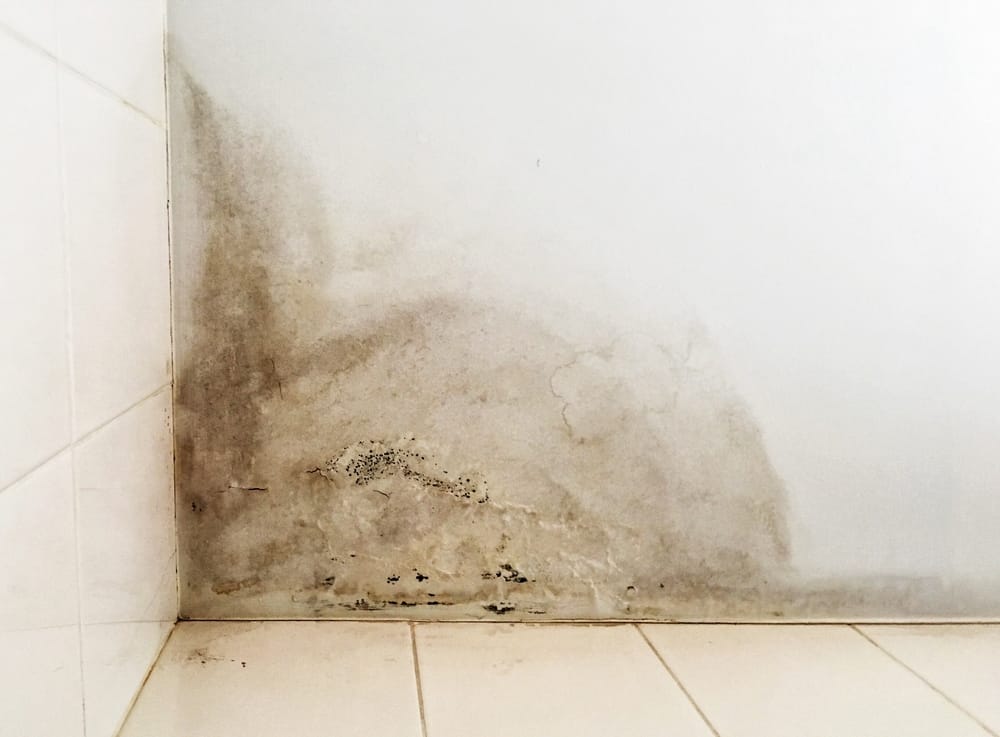
When mold is fully removed — not painted over, not masked — you stop breathing it. That matters more than most people realize until they look back and connect the dots: the recurring congestion, the headaches, the kids who always seem to have something going around. Mold doesn’t announce itself. It just quietly affects the air in your home until someone decides to deal with it the right way.
For Herricks homeowners specifically, there’s another layer to this. With median home values sitting above $806,000, a mold problem that isn’t fully documented and cleared can stop a sale cold. Nationally, known mold issues can cut resale value by 20 to 37 percent, and half of buyers walk away entirely when mold comes up during inspection. Lab-verified clearance — the kind that holds up in a real estate transaction or insurance claim — is what separates a resolved problem from a liability that follows you.
The homes along Denton Avenue and the surrounding streets in Herricks were built for families, and they’ve held up well. But older construction means older drainage, older attic insulation, and decades of moisture cycles that accumulate in places you’d never think to look. Getting ahead of that isn’t just about health. It’s about protecting what you’ve built here.
We’ve been serving Nassau and Suffolk County homeowners for 31 years. That’s not a number we throw around lightly — it means we’ve worked through nor’easter seasons, summer humidity spikes, and the specific challenges that come with Herricks’s post-war housing stock. We know what hides inside a 1958 Cape Cod in the Town of North Hempstead, because we’ve seen it firsthand, repeatedly, for three decades.
Every technician on our team is IICRC-certified — not just the owner, not just senior staff, but every single person who enters your home. We’re also licensed by New York State for both mold inspection and mold remediation under NYS DOL Article 32. That’s the legal baseline for operating in this state, and we meet it without exception.
We’re not a national franchise routing your call to a subcontractor. We’re a Long Island company that has served Herricks and surrounding communities across Nassau County for years, and we operate 24 hours a day, seven days a week — because water damage and mold don’t wait for business hours.
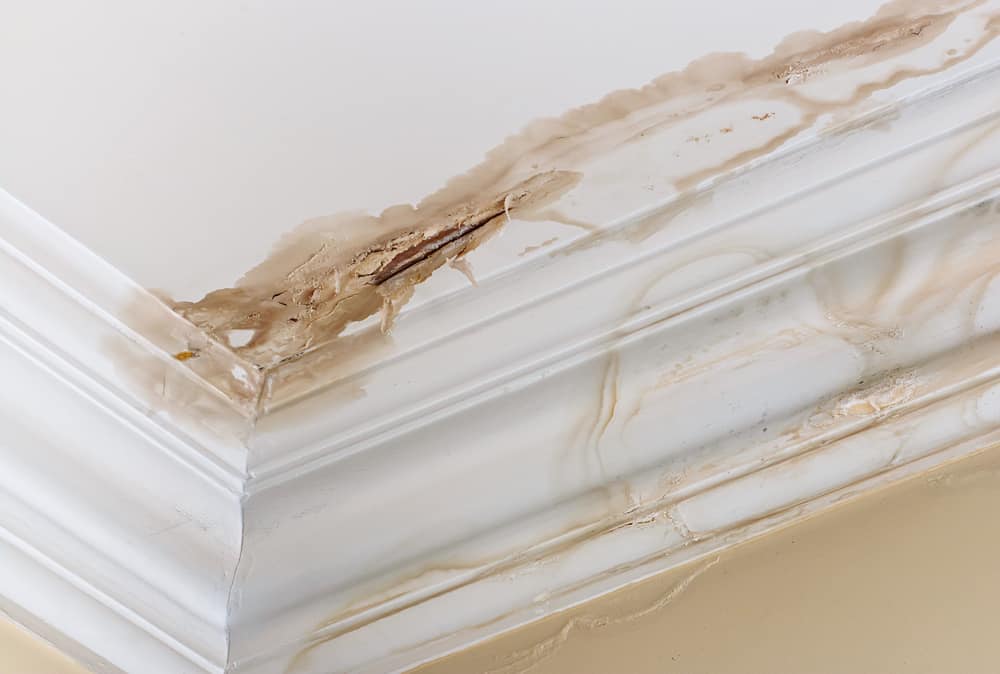
It starts with a 5-point inspection. We use boroscopic wall cavity examination to look inside your walls without tearing them open, combined with air sampling, surface swab sampling, moisture level measurement, and water intrusion point identification. In Herricks’s older homes, the most dangerous mold is almost always the mold you haven’t found yet — hidden inside wall cavities, under flooring, or in attic spaces where inadequate ventilation has let moisture accumulate for years. We find it before it finds you.
Once the inspection is complete, all samples go to a certified lab with full chain-of-custody documentation. You get results within 2 to 3 business days — not a contractor’s verbal opinion, but a written lab report that meets legal evidence standards. That matters when you’re dealing with an insurance claim or a real estate transaction on a home worth over $800,000.
Remediation follows the inspection, and it addresses both the mold and the water source that caused it. Under New York State law, the same company cannot perform both assessment and remediation on the same property — a consumer protection rule that exists for good reason, and one we operate within. After remediation is complete, we conduct post-remediation clearance testing. If the lab doesn’t confirm that mold levels are within normal range, we’re not done. It’s that simple.
Ready to get started?
Mold removal in Herricks covers more ground than most homeowners expect going in. Visible black mold on a bathroom wall is one thing — but the more common scenario in Herricks involves mold that’s been growing silently inside a basement wall, beneath a bathroom floor, or in an attic cavity where a poorly vented exhaust fan has been pushing humid air for years. Nassau County’s summers run hot and humid from June through September, and that sustained moisture load on an older Herricks home is exactly the condition mold needs to spread.
Our services include residential mold removal, commercial mold removal, attic mold removal, basement mold removal, bathroom mold removal, crawl space mold removal, and water damage restoration — because mold almost always has a water source behind it, and treating one without the other means the problem comes back. Every job includes the full inspection protocol, lab documentation, remediation, and post-remediation clearance testing. Nothing is declared finished based on a visual check alone.
We also offer up to $500 toward your insurance deductible on qualifying water, fire, or mold-related restoration jobs — a program no other mold removal company serving Herricks currently offers. It won’t cover everything, but it’s a real offset during a stressful situation, and it signals something about how we approach the work: we’re in it with you, not just billing you and leaving.
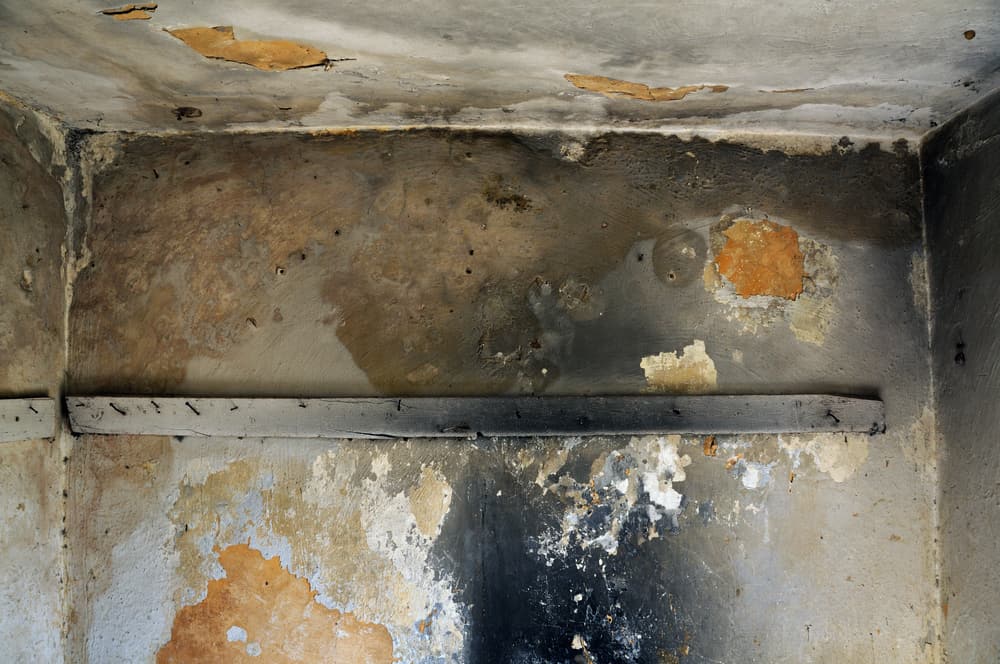
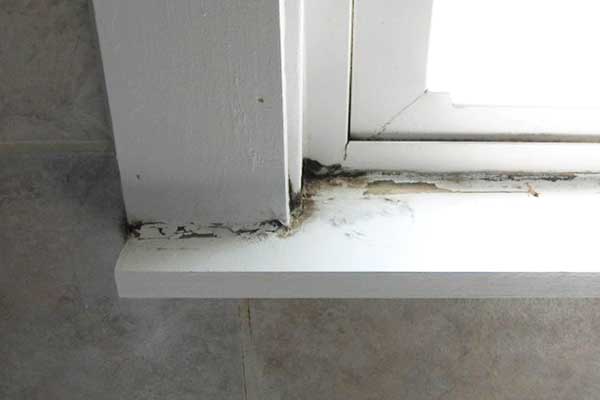
The honest answer is that you usually can’t tell without a professional inspection — and that’s not a sales pitch, it’s just how mold works in older construction. In Herricks, where most homes were built between 1940 and 1969, wall cavities were constructed without the moisture barriers and ventilation standards that exist today. Mold can grow inside those spaces for years without producing visible signs on the surface. What you might notice instead is a persistent musty smell in a specific room, unexplained allergy symptoms that improve when you leave the house, or discoloration around baseboards that looks like a stain but keeps coming back.
A boroscopic wall cavity examination — part of our 5-point inspection process — lets us look inside your walls without opening them up. Combined with air sampling and moisture level readings, it gives a complete picture of what’s actually happening inside the structure. If there’s mold in there, we find it. If there isn’t, you’ll have the documentation to prove it — which is increasingly valuable in Herricks’s real estate market when buyers are asking for mold clearance before closing.
Mold removal cost in Herricks varies based on the size of the affected area, where the mold is located, and whether water damage remediation is also required. A bathroom mold issue caught early is a very different scope than a basement mold problem that’s been developing inside wall cavities for a decade. Generally speaking, smaller contained remediation jobs can run a few hundred dollars, while larger jobs involving structural materials, attic remediation, or significant water damage can reach several thousand. The only way to give you an honest number is after a proper inspection.
What’s worth factoring in is the cost of not acting. In Herricks, where homes regularly sell above $800,000, a mold problem that surfaces during a buyer’s inspection can kill the deal or trigger a price reduction that far exceeds what remediation would have cost. Many homeowners in Herricks also file through their insurance — and our deductible coverage program, which provides up to $500 toward your out-of-pocket costs on qualifying jobs, can help offset what insurance doesn’t cover. We’ll walk you through what your situation looks like before any work begins.
It depends on the cause. New York homeowners insurance policies typically cover mold remediation when the mold resulted from a sudden, accidental water event — like a burst pipe or an appliance failure. What they generally don’t cover is mold that developed gradually from a slow leak, chronic basement seepage, or long-term humidity buildup — which, in Herricks’s older housing stock, is actually the more common scenario. Policies vary significantly, so the first step is reviewing your specific coverage.
What we can tell you is that we work with insurance claims regularly, and our chain-of-custody lab documentation is specifically formatted to meet the evidentiary standards that insurance adjusters and attorneys require. That documentation matters when you’re making a claim — vague contractor notes don’t hold up the way lab reports do. We also offer up to $500 toward your deductible on qualifying jobs, which helps bridge the gap between what your policy covers and what comes out of pocket. If you’re unsure what your policy covers, we can help you think through it before the inspection.
The health risks from mold exposure are real, and they’re well-documented — but “black mold” as a term gets used loosely in ways that create confusion. The mold most people associate with serious health risk is Stachybotrys chartarum, which does appear black or dark green and thrives in chronically wet, cellulose-rich environments — exactly the conditions found in the basement walls and attic spaces of older Herricks homes. That said, other mold species that appear in different colors can also cause respiratory irritation, allergic reactions, and worsen asthma symptoms, particularly in children and older adults.
The World Health Organization estimates that 21 percent of U.S. asthma cases may be connected to mold exposure in the home. For Herricks families who have put down deep roots here and where the school district is a defining part of life, the idea that your home’s air quality could be affecting your kids’ health is not something to dismiss. The safest approach is professional testing that identifies exactly what species is present and at what concentration — not a visual guess. Lab results give you the facts. Everything else is speculation.
Yes — and it almost always comes back when the water source that caused it isn’t addressed. This is the most common reason mold returns after remediation: the contractor removed the visible growth, but the slow basement seep, the failed sump pump, or the bathroom exhaust fan venting into the attic instead of outside was never fixed. Six months later, the conditions are identical to what they were before, and the mold has everything it needs to recolonize.
In Herricks, the most frequent sources of recurring moisture are aging basement drainage systems, gutters that back up during nor’easter season and push water into the roof deck, and attic spaces with inadequate ventilation that trap Nassau County’s summer humidity. We address both the mold and the water intrusion point — that’s a core part of what makes the remediation permanent rather than temporary. Post-remediation clearance testing confirms the job is done. And if the underlying water issue requires additional restoration work, we handle that too. You shouldn’t need to call two different companies to solve one problem.
It depends on the scope of the job and where the mold is located. For smaller, contained remediation work — a bathroom, a section of basement wall — temporary relocation is often not necessary, though we’ll set up containment barriers and air filtration equipment to prevent spores from spreading to other areas of the home during the process. For larger jobs involving significant mold colonies in living spaces, attic remediation, or situations where air sampling shows elevated spore counts throughout the home, vacating for the duration of the work is the safer choice, particularly if you have young children, elderly family members, or anyone with respiratory sensitivities.
We’ll give you a straight answer on this during the inspection, based on what we actually find — not a blanket policy designed to upsell you on urgency. What we can tell you is that the containment and air filtration protocols we use during remediation are designed to protect the rest of your home, and post-remediation clearance testing confirms that air quality is back within normal range before we consider the job complete. In a home you’ve invested this much in, in Herricks where your family has built its life, that final confirmation matters.
Useful Links
Other Services we provide in Herricks