
Hear from Our Customers
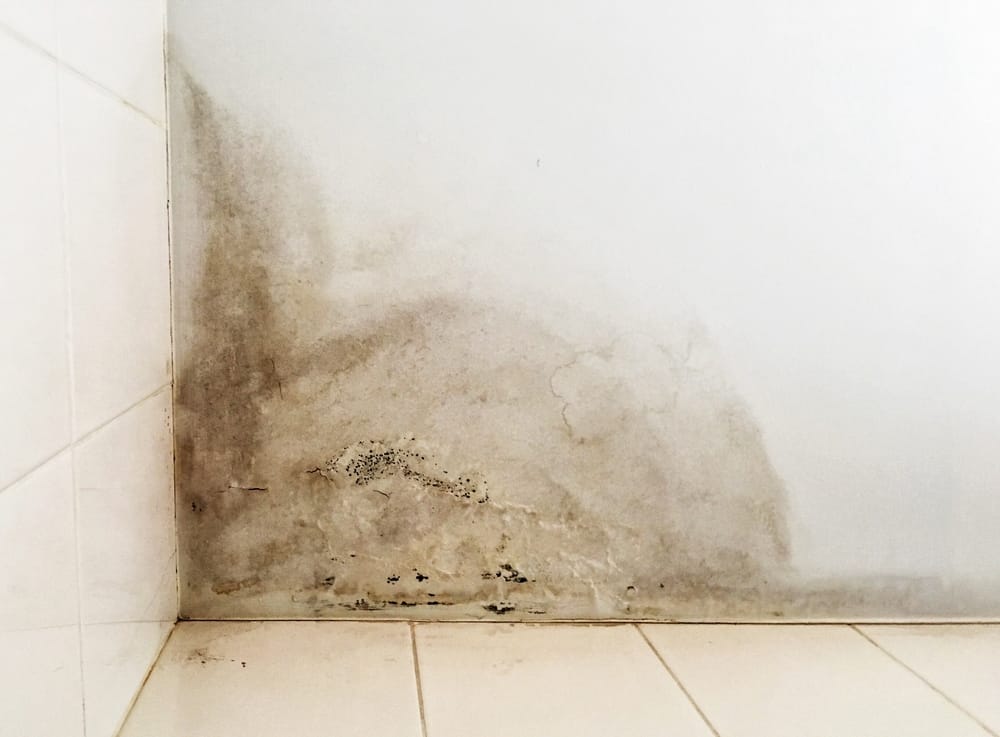
You stop second-guessing the air in your own home. That musty smell in the basement stops being something you explain away after a storm comes through the South Shore. Your family breathes easier — and you stop wondering whether that cough or that headache is tied to something growing behind a wall you can’t see.
For homes in Hewlett Neck, the risk isn’t abstract. The back-bay geography here — sitting right against the channels that feed into Jamaica Bay — means ambient humidity runs high even when nothing has flooded. Warm coastal air off the water pushes moisture into basements, crawl spaces, and attic cavities constantly, especially through summer. When a nor’easter or heavy rain event does push water in, mold can establish itself within 48 hours. That window closes fast.
The older the home, the more exposure points there are. Many of the estate properties in Hewlett Neck were built decades ago — some much longer — before vapor barriers and modern waterproofing were standard. Once we’ve completed a proper remediation with clearance testing confirming the results, you’re not just solving today’s problem. You’re protecting a property that, in Hewlett Neck, is worth protecting at the highest level.
First Response Restoration and Cleaning Inc. has been working across Nassau County for over three decades — not as a franchise, not as a call center routing jobs to subcontractors, but as a licensed, owner-operated Long Island company that actually knows the South Shore and the specific challenges Hewlett Neck homeowners face.
Every technician on our team holds IICRC certification. Not just the project lead — every person who steps into your home. New York State requires mold remediation contractors to be licensed through the Department of Labor, and we are. We carry that license because it’s the law and because you deserve to work with someone operating above board, not around it.
Hewlett Neck is a tight community — roughly 160 homes, neighbors who know each other, and a standard for professionalism that matches the character of the village. We’ve worked in homes throughout the Five Towns area and across Nassau County long enough to understand what coastal humidity, storm surge, and aging foundations actually look like from the inside. When you call us, you’re not getting a template — you’re getting a team that’s seen what the South Shore does to a house over time.
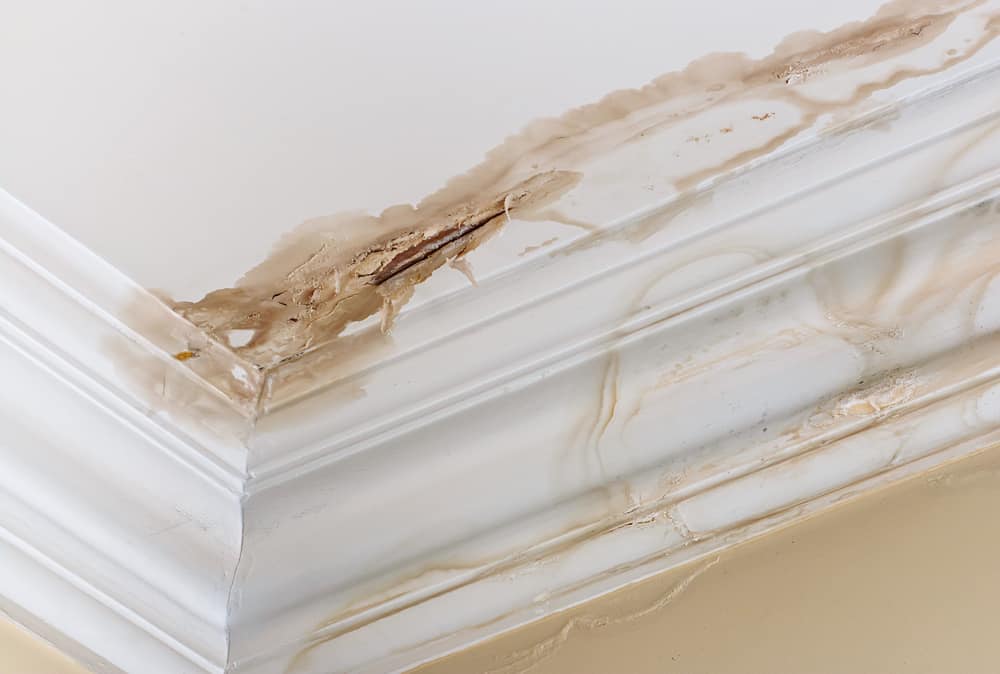
It starts with inspection — and not a visual walk-through where someone glances at your basement and calls it clean. Our 5-point inspection includes air sampling, surface swab sampling, non-invasive moisture measurement, water intrusion point identification, and a boroscopic wall cavity examination. That last one matters in a place like Hewlett Neck, where homes have original plaster walls, older framing, and construction that predates modern moisture barriers. Mold hides where you can’t see it. We look there first.
From there, we contain the affected area using negative air pressure barriers and HEPA filtration — keeping spores from migrating into clean spaces while the work is done. Remediation follows the scope identified in the inspection: removing compromised materials, treating surfaces, and addressing the moisture source that caused the problem in the first place. We don’t just clean what’s visible and leave the underlying issue for the next storm to reactivate.
Under New York State law, the company that performs your mold assessment cannot be the same company that performs the remediation — it’s a consumer protection rule, and we operate within it. Once remediation is complete, we provide chain-of-custody documentation and lab analysis reports within 2 to 3 business days confirming the results. For a property in Hewlett Neck — whether you’re managing an insurance claim tied to South Shore flooding or preparing for a real estate transaction — that documentation matters.
Ready to get started?
Basement mold removal is the most common call we get from South Shore homeowners, and for good reason. Hewlett Neck’s proximity to the water table and the back bays means basements and crawl spaces take the first hit when moisture levels rise. But mold doesn’t stop there. Attic mold removal is equally common in older estate homes where aging insulation and inadequate ventilation create the heat-and-moisture combination mold thrives in. Bathroom mold, HVAC system contamination, and wall cavity growth are all part of what we assess and address.
We handle residential mold removal and commercial mold removal across Nassau County, and the process is the same regardless of scale: thorough inspection, contained remediation, and lab-confirmed clearance. For Hewlett Neck homeowners dealing with storm-related water damage alongside mold, we handle both — water damage restoration and mold remediation under one roof, so there’s no gap between who dried out your basement and who removed what grew afterward.
We also work directly alongside insurance claims. If your mold issue is tied to a flooding event — and given Hewlett Neck’s documented exposure to Jamaica Bay storm surge, that’s a real scenario — our documentation meets the standard insurance adjusters require. If you’re facing out-of-pocket costs, ask about our deductible coverage program, which offers up to $500 toward what your policy doesn’t cover.
It depends on the scope of work. Mold remediation that involves removing and replacing structural materials — drywall, framing, flooring — may require permits from Nassau County’s Building Department and potentially from the Village of Hewlett Neck’s own local government. Hewlett Neck is an incorporated village with its own mayor and board, which means local codes can apply to certain types of structural work beyond what Nassau County requires on its own.
For surface-level or contained remediation that doesn’t involve structural removal, permits are typically not required. That said, the right answer depends on what the inspection finds. When we assess your home, we’ll be upfront about what the scope involves and what, if any, permits apply before any work begins. You won’t be surprised mid-project.
Mold removal cost varies based on where the mold is, how much area is affected, and what materials need to be removed. As a general benchmark, remediation typically runs between $10 and $25 per square foot for standard areas, and between $15 and $30 per square foot for attic or crawl space work, which tends to be more labor-intensive and requires additional containment.
For Hewlett Neck homes — which tend to be large, older, and more structurally complex than average Nassau County properties — the total scope can be broader than it would be in a smaller home. A 500-square-foot basement remediation is a different job than a full crawl space and attic assessment in a multi-thousand-square-foot estate. The best way to get an accurate number is with an inspection, not an estimate over the phone. We’ll tell you exactly what we found, what it takes to fix it, and what it costs — before anything starts.
Yes — if the moisture source isn’t addressed, mold can return. This is one of the most important things to understand about mold removal in a waterfront community like Hewlett Neck. Removing the mold without fixing what caused it is a temporary solution at best. The ambient humidity off Jamaica Bay, seasonal storm surge, and the natural moisture load that comes with living on the South Shore back bays means the conditions that allowed mold to grow in the first place don’t disappear after remediation.
What changes is whether your home is properly sealed, ventilated, and dried out at the source. Our process includes identifying the water intrusion points — not just treating the mold that resulted from them. Whether it’s a foundation wall allowing seepage, an attic with inadequate ventilation, or a crawl space that holds moisture after every rain event, we document what we find and address it as part of the scope. Post-remediation clearance testing then confirms the environment is clean. If conditions change — another storm, another leak — you’d know to call quickly, because that 48-hour window before mold establishes itself is real.
Not necessarily. Whether you need to vacate depends on where the mold is located, how extensive it is, and whether the affected areas can be fully contained from the rest of the home. For localized remediation — a single bathroom, a section of basement, or a contained crawl space — proper negative air pressure containment and HEPA filtration can keep the rest of your home safe to occupy during the process.
For larger infestations involving multiple areas, or situations where HVAC systems are contaminated and could spread spores throughout the house, temporary relocation during active remediation may be the safer call — especially if you have children, elderly family members, or anyone with respiratory sensitivities in the home. We’ll give you a straight answer on this after the inspection, not a blanket policy. In a village like Hewlett Neck, where homes are large and families are settled, we understand that “just leave for a few days” isn’t always a simple ask — and we’ll work with your situation practically.
In New York State, these two services are legally separated — and that’s intentional. The company that performs your mold assessment and inspection cannot be the same company that performs the remediation on the same property. This consumer protection law exists to prevent conflicts of interest, where a contractor might exaggerate findings to sell more remediation work.
What this means practically is that you’ll work with an independent inspector who documents what’s present, and a licensed remediation contractor — like First Response Restoration — who performs the actual removal and treatment based on that assessment. Both parties need to hold valid NYS Department of Labor mold licenses. Before you hire anyone for either service, ask to see that license. It’s not optional, and any company that can’t produce it is operating outside the law. In Nassau County, where regulatory oversight is active and property transactions frequently involve mold documentation, working with properly licensed contractors protects you legally and financially.
The most obvious sign is smell — a persistent musty or earthy odor that doesn’t go away after things dry out. But mold often grows in places you can’t see or smell easily: inside wall cavities, under original flooring, behind older plaster, in attic insulation, or in crawl spaces that don’t get regular attention. By the time visible mold appears on a surface, growth has typically been active for a while.
After any water intrusion event — a nor’easter pushing water through a foundation wall, a storm surge event affecting the South Shore, or even a slow leak from aging plumbing — the critical period is the first 48 hours before mold can begin establishing itself. If your basement or crawl space in Hewlett Neck took on water and you’re not sure whether it dried out completely, that uncertainty is reason enough to have it inspected. Given Hewlett Neck’s back-bay location and documented exposure to Jamaica Bay storm surge, water intrusion isn’t a rare event — it’s a recurring seasonal reality. Getting ahead of it with a proper inspection costs far less than full remediation after mold has had weeks to spread.
Useful Links
Other Services we provide in Hewlett Neck