
Mold Removal in Holbrook, NY
Holbrook's Aging Homes Hide Mold Here's What to Do About It
Hear from Our Customers
Residential Mold Removal in Holbrook, NY
The musty smell that you’ve been blaming on the basement? Gone. The worry every time it rains hard and the sump pump kicks on? Significantly reduced. When mold is fully removed not just surface-treated your home feels different. The air is cleaner, the space feels usable again, and you’re not bracing for the next inspection report to confirm what you already suspected.
For Holbrook homeowners specifically, that relief matters more than it might somewhere else. A large portion of homes in this community were built in the 1960s and 70s and those ranch-style and cape cod homes were not built with the moisture controls we’d expect today. Low-pitch attics trap warm, humid air in the winter. Crawl spaces sit without vapor barriers. Basements absorb groundwater pressure from a water table that rises every time central Suffolk County gets a significant rain event. These aren’t rare conditions they’re the normal reality for homes in this zip code.
Getting mold removed properly means you stop treating symptoms and start addressing the actual problem. You get a home that’s healthier for your family, a property that holds its value, and a remediation that’s done to the ANSI/IICRC S520 standard not a bleach spray and a hope.
Licensed Mold Removal Company in Holbrook, NY
We’ve been working in Suffolk County homes since the early 1990s. That’s three decades of responding to water damage, mold, and the specific conditions that Long Island’s housing stock creates before most of today’s competitors were in the business. We know Holbrook’s neighborhoods, the moisture vulnerabilities built into these homes, and bring that familiarity to every job.
Our team is IICRC-certified under the ANSI/IICRC S520 Standard for Professional Mold Remediation and fully licensed under New York State’s Article 32 of the Labor Law, which has required mold remediation licensing since 2016. Licensed, bonded, and fully insured not because it sounds good on a website, but because it’s what protects you when something goes wrong.
Holbrook sits across both the Town of Brookhaven and Town of Islip, and the homes here many of them within the Sachem Central School District area reflect decades of Long Island suburban construction. We’ve worked extensively in these neighborhoods and understand the specific challenges that Holbrook residents face with their aging housing stock.
Professional Mold Remediation Process in Holbrook, NY
We start with a thorough inspection. Before anything is removed, the source of moisture has to be identified because mold without a moisture source is a temporary problem, but mold with an active one will always come back. In Holbrook homes, that source is often groundwater infiltration in the basement, condensation buildup in an older attic, or a slow plumbing leak that’s been feeding hidden growth for months.
Once the scope is clear, we set up containment. Negative air pressure barriers isolate the affected area so that mold spores don’t travel to other parts of your home during removal. HEPA air scrubbers run continuously throughout the process. Mold-affected materials drywall, insulation, wood framing are physically removed, not treated in place and left behind. This is the step that separates genuine remediation from surface cleanup.
After removal, we treat the area with antimicrobial solutions and dry it to the correct moisture levels before any restoration work begins. Because Holbrook straddles both the Town of Brookhaven and Town of Islip, any structural repairs that follow replacing drywall, framing, or building components may require a permit from the applicable town’s building department. We can walk you through what applies to your property. The job isn’t done until post-remediation verification confirms the space is clear.
Ready to get started?
Basement and Attic Mold Removal in Holbrook, NY
Mold doesn’t pick one spot and stay there. In Holbrook homes, the most common locations are basements that have taken on water from a rising water table or a sump pump failure, attics in ranch-style homes where inadequate ventilation traps moisture against roof decking all winter, and crawl spaces in older construction that were never given a proper vapor barrier. Bathrooms and around HVAC systems are also frequent problem areas especially in homes that run central air through the humid Long Island summers.
We handle all of it. Basement mold removal in Holbrook. Attic mold removal for the ranch and cape cod homes that make up most of the community’s housing stock. Crawl space mold removal, including documented cases right here in central Suffolk County where what looked like a minor moisture issue turned into a full mold and pest situation once the crawl space was actually opened up. Bathroom mold removal. Commercial mold removal for businesses along Patchogue-Holbrook Road or the Sunrise Highway service road corridors.
Every job we do includes proper containment, physical removal, antimicrobial treatment, and post-remediation verification. Insurance coordination is available for jobs tied to a covered water damage event we handle the documentation so you’re not fighting that process alone while also managing a remediation.
Is mold common in Holbrook, NY homes, and why does it keep coming back?
It’s more common in Holbrook than most homeowners realize, and the reason it keeps coming back almost always points to the same root cause: the moisture source was never addressed. Holbrook’s housing stock is predominantly mid-century construction homes built in the 1960s and 70s without the vapor barriers, attic ventilation standards, or basement waterproofing practices we’d consider standard today. Add a naturally high water table in central Suffolk County and a climate that delivers about 45 to 48 inches of rain annually, and you have conditions that consistently push moisture into older Holbrook homes.
Mold grows where moisture lives. If the moisture isn’t eliminated whether that’s a foundation crack, a ventilation deficiency in the attic, or a crawl space with no vapor barrier the mold will return regardless of how thorough the surface treatment was. Proper remediation identifies and addresses the source, not just the visible growth.
How much does mold removal cost in Holbrook, NY?
The honest answer is that it depends on where the mold is, how much of it there is, and whether any structural materials need to be removed and replaced. For most residential jobs in the Holbrook area, mold remediation runs somewhere between $1,200 and $6,000. Smaller, contained bathroom or isolated wall situations tend to fall on the lower end. Basement mold removal or attic mold remediation which are the most common scenarios in Holbrook’s older ranch-style and cape cod homes typically runs $1,500 to $4,000 or more depending on the extent of the growth and the materials involved.
What affects the cost most is scope: how many square feet are affected, whether the mold has penetrated into framing or structural materials, and whether the job requires a permit from the Town of Brookhaven or Town of Islip for any structural repairs. A written estimate before work begins is standard practice you should know what you’re paying before anyone starts.
Does homeowners insurance cover mold removal in Holbrook, NY?
Sometimes and the key factor is what caused the mold. Most homeowners insurance policies in New York will cover mold remediation if it’s a direct result of a covered water damage event, like a burst pipe, a storm-related roof leak, or an appliance failure. What they typically won’t cover is mold that resulted from long-term neglect, a slow leak that went unaddressed, or gradual groundwater infiltration which, given Holbrook’s water table conditions, is a scenario that comes up more often than homeowners expect.
The best move is to document everything immediately after a water event and call a licensed remediation company before the damage spreads further. We coordinate directly with insurance carriers, handle the required documentation, and can help you understand what your policy is likely to cover before you’re stuck navigating that process alone. The 24 to 48-hour window for mold colonization after water intrusion is real acting quickly protects both your home and your claim.
What's the difference between mold removal and mold remediation in Holbrook, NY?
The terms get used interchangeably, but there’s a meaningful distinction worth understanding. Mold removal, taken literally, refers to physically eliminating visible mold growth. Mold remediation is the broader process it includes identifying the moisture source, containing the affected area to prevent spore spread, removing contaminated materials, treating surfaces with antimicrobial agents, drying the space to correct moisture levels, and verifying through post-remediation testing that the job is actually done.
In a community like Holbrook, where the underlying moisture conditions high water table, aging construction, inadequate attic ventilation are often ongoing, remediation without addressing the source is a temporary fix at best. The ANSI/IICRC S520 Standard, which we follow on every job, is built around the full remediation process, not just surface cleanup. That’s the standard that matters, and it’s what separates a job that holds from one that has you calling again six months later.
How do I know if I have black mold in my Holbrook home?
Black mold the species most people are worried about, Stachybotrys chartarum is one of many mold types that can grow in a home, and it’s not actually identifiable by color alone. Mold comes in black, green, gray, and white varieties, and the only way to confirm the specific species is through professional testing. That said, the health concern driving most calls about black mold removal is legitimate: certain mold species produce mycotoxins that can affect respiratory health, trigger allergic reactions, and worsen conditions like asthma which the WHO has linked to indoor mold exposure in a significant percentage of cases.
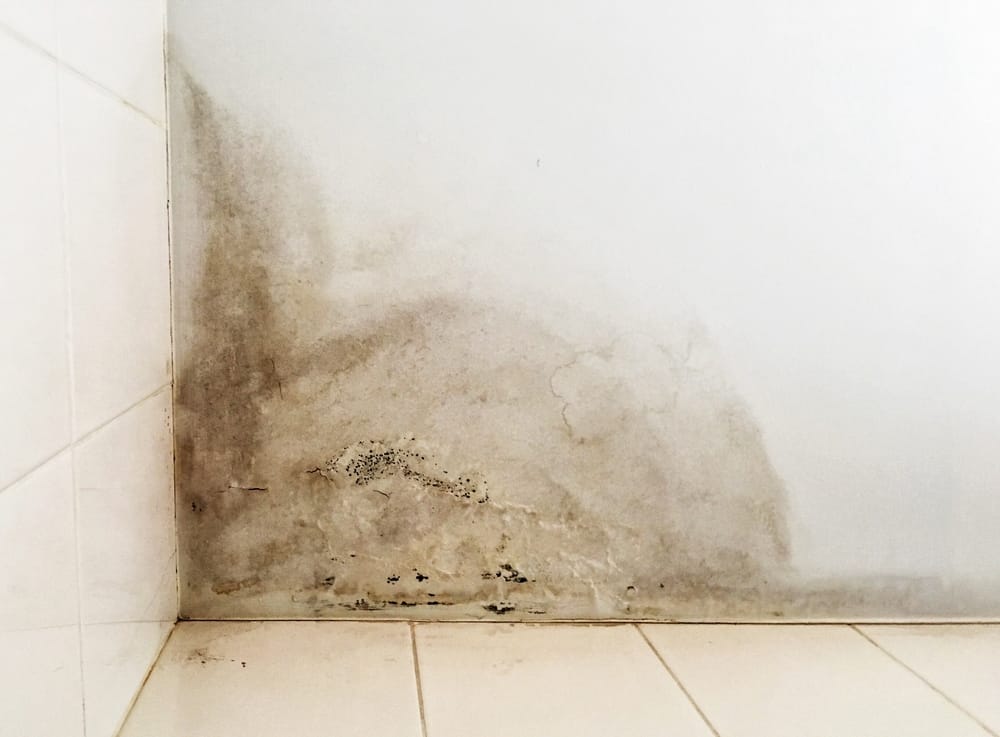
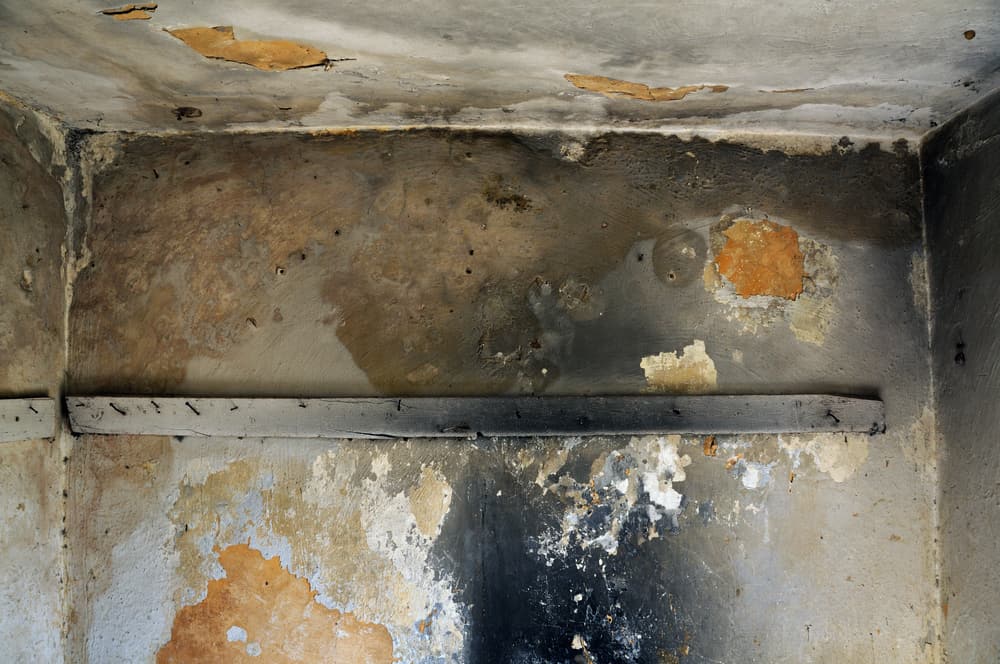
If you’re noticing a persistent musty odor, visible dark staining on walls, ceilings, or in a basement or attic, or unexplained respiratory symptoms that improve when you leave the house, those are real signals worth acting on. In Holbrook’s older housing stock, hidden mold behind drywall or under flooring is common particularly in homes that have had any water intrusion history. A professional inspection will tell you what you’re actually dealing with.
Is it safe to stay in my Holbrook home during mold remediation?
It depends on the size and location of the affected area. For smaller, well-contained jobs a bathroom, a section of a basement wall staying in the home is often manageable, especially when proper containment is in place. Negative air pressure barriers and HEPA air scrubbers significantly limit the movement of spores into unaffected areas of the house during the remediation process.
For larger jobs significant attic mold removal, extensive basement remediation, or situations where the mold is in a central HVAC-adjacent area temporarily relocating during active work is often the safer choice, particularly for households with young children, elderly residents, or anyone with respiratory sensitivities. Families in the Sachem Central School District area often ask this question specifically with their kids in mind, and it’s a fair concern. We’ll give you a straight answer based on the actual scope of your job not a blanket recommendation designed to make the process sound more dramatic than it is.
Useful Links
Other Services we provide in Holbrook