
Mold Removal in Islip, NY
Bay Shore Air, Older Homes, and Mold That Doesn't Wait
Hear from Our Customers
Residential Mold Remediation Islip, NY
You stop second-guessing the air your family is breathing. That musty smell in the basement the one you’ve been blaming on the old carpet disappears. The attic you’ve been avoiding goes from a liability to just an attic again. That’s what professional mold removal actually delivers: a home you’re not worried about.
For homes south of Montauk Highway in Islip, near the Great South Bay, or in waterfront neighborhoods like Bayberry Point, moisture is a structural reality. The bay air, the canals, the tidal influence none of that goes away. But when mold is properly identified, contained, and removed by a licensed team, you’re not just solving today’s problem. You’re getting ahead of the next one before it hides behind your walls.
Islip’s housing stock a lot of post-war Cape Cods, ranches with crawl spaces, and older colonials with full basements was built before vapor barriers and mold-resistant materials were standard. That means hidden mold is more common here than most homeowners expect. Getting it handled correctly the first time protects your home’s structure, your indoor air quality, and frankly, a significant amount of your property’s value.
Mold Removal Companies in Islip, NY
We’ve been working in Suffolk County for over three decades. That includes the post-Sandy surge that flooded homes across the Town of Islip and the 2014 flash flooding that stretched from Babylon to East Islip. We didn’t find your zip code on a map last year we’ve been here through the storms that shaped this community.
Our team is IICRC-certified, fully licensed under New York State’s Article 32 mold remediation law, bonded, and insured. That licensing requirement exists specifically to protect you it prohibits the same contractor from doing both the assessment and the remediation on your home, which keeps the process honest. We operate on the right side of that line, every time.
When you call our Suffolk County line at 631-587-5300, you’re reaching a team based in West Babylon a few minutes down Sunrise Highway from Islip not a national call center routing your job to whoever’s available. That proximity matters when you need someone on-site fast.
Professional Mold Removal Process Islip, NY
It starts with a thorough inspection. Not a walk-through with a flashlight a real assessment using moisture meters, particle counters, and air quality testing to find mold where it’s actually growing, not just where it’s visible. In Islip homes, that often means checking the attic first in older Cape Cods, crawl spaces under ranch-style homes, and basement perimeters in colonials that have taken on water over the years.
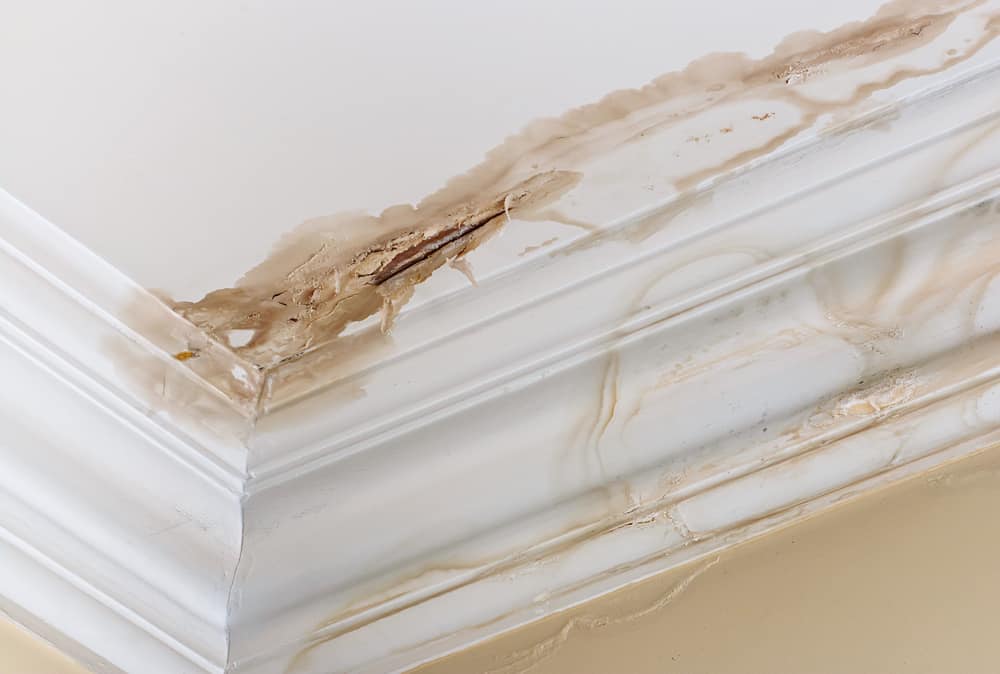
Once the scope is clear, we put together a written remediation plan before any work begins that’s required under New York State’s Article 32, and it’s also just the right way to do it. Containment goes up to prevent spores from spreading to unaffected areas of your home. Then the physical removal happens: affected materials come out, HEPA air scrubbers run continuously, and every surface in the work zone is treated properly. If there’s been water damage driving the mold, we address that at the same time drying, dehumidification, and structural restoration are all handled under one roof.
After the work is done, post-remediation clearance testing is performed by a separate, independent licensed mold assessor not our remediation crew. That’s the documented proof that the job is finished and your home is safe. For canal-front and bay-adjacent properties in Islip where moisture is ongoing, that clearance report isn’t optional. It’s your peace of mind in writing.
Ready to get started?
Black Mold Removal and Mold Mitigation Islip, NY
Mold removal in Islip covers more ground than most homeowners expect going in. Black mold removal, attic mold removal, basement mold removal, crawl space mold removal, and bathroom mold removal are all part of what we handle and in Islip’s older housing stock, it’s rarely just one area. A flooded basement often means mold behind the drywall. An under-ventilated attic in a Cape Cod means mold on the roof decking. A ranch with an unlined crawl space means mold that’s been growing quietly for years.
For homeowners in Bayberry Point or anywhere south of NY-27A, the proximity to the Great South Bay and the canal system means moisture sources are structural and ongoing. Remediation here isn’t just about removing what’s visible it’s about addressing the conditions that let it grow in the first place. That means proper containment, full material removal where needed, HEPA filtration throughout the process, and a clear post-remediation plan.
We also handle the insurance side directly. If your mold resulted from a covered water damage event a storm, a burst pipe, flooding we document everything your adjuster needs and work with your carrier throughout the process. Toxic mold cleanup, residential mold removal, and commercial mold removal for Town of Islip businesses and industrial properties are all within scope. One call, one team, handled completely.
Does homeowners insurance cover mold removal in Islip, NY?
It depends on what caused the mold. If the mold resulted from a sudden, covered water damage event like a burst pipe, a storm surge, or flooding from a nor’easter there’s a reasonable chance your policy covers at least part of the remediation. If it’s the result of long-term moisture buildup or deferred maintenance, most policies won’t cover it.
For Islip homeowners, this distinction matters a lot. The South Shore flooding history including the widespread basement flooding that followed Hurricane Sandy and the 2014 flash flooding event means a significant number of mold cases here trace back to a documented water event. That’s exactly the kind of origin story that supports a claim. We document the damage thoroughly from the start, provide the professional scope your adjuster needs, and work with your carrier directly so you’re not navigating that process alone while also dealing with a mold problem in your home.
How much does mold removal cost in Islip, NY?
Most residential mold removal projects in the Islip area fall somewhere between $1,200 and $6,000, depending on where the mold is, how much area is affected, and what materials need to come out. Bathroom mold removal on the lower end. Basement mold removal or attic mold removal in an older Islip home especially one that’s had water intrusion tends to run higher, sometimes $3,000 to $6,000 or more for a thorough job.
For waterfront and canal-front properties in neighborhoods like Bayberry Point, the scope can be more involved. Homes that sit close to the Great South Bay or along the canal system often have moisture conditions that require more comprehensive remediation not because companies are padding the bill, but because the problem is genuinely more complex. What you should expect from us is a written estimate before work starts and a final price that matches it. Our customers have specifically noted that the number they were quoted was the number they were charged no additions, no surprises after the crew showed up.
What are the signs that I have mold in my Islip home?
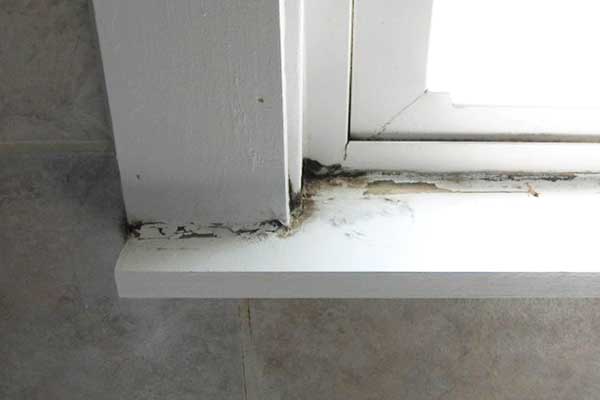
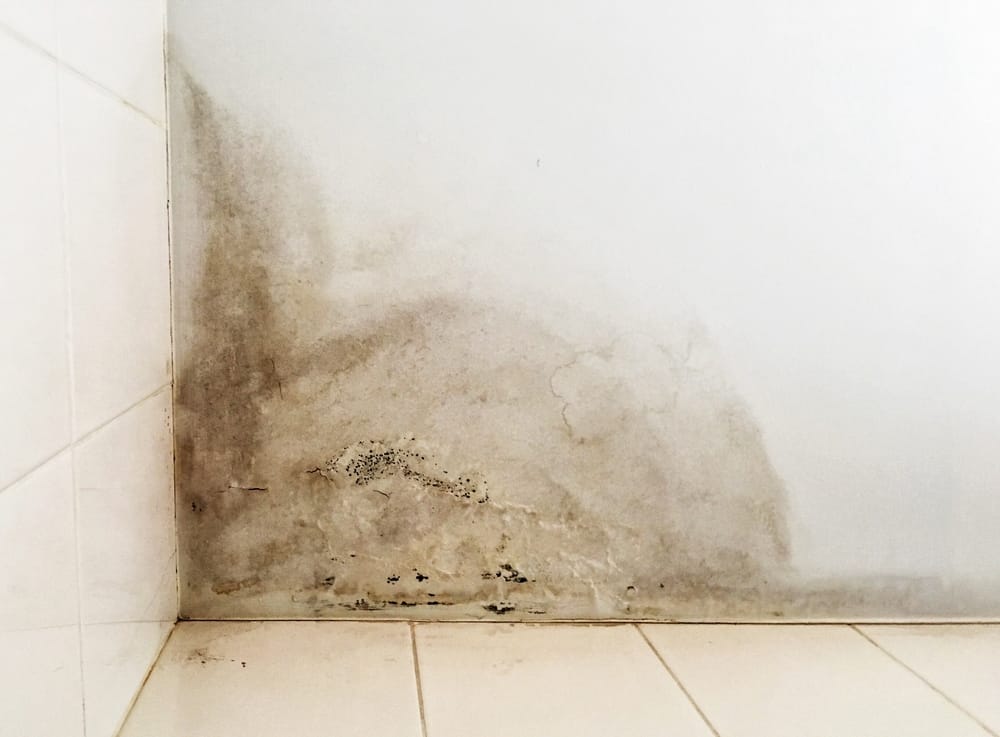
The obvious one is visible growth dark spots on walls, ceilings, or around windows. But in a lot of Islip homes, mold is doing its worst work out of sight. A persistent musty smell that doesn’t go away after cleaning is one of the clearest indicators. Unexplained allergy symptoms sneezing, congestion, eye irritation that get better when you leave the house and worse when you come back are another.
In older Cape Cod and ranch-style homes, which make up a large portion of Islip’s housing stock, the most common hidden locations are low-pitched attic spaces with poor ventilation, crawl spaces without vapor barriers, and basement walls where groundwater has been slowly wicking through for years. If your home took on any water during a storm even what seemed like minor flooding and you didn’t have a professional assess for mold afterward, it’s worth having someone look. Mold can establish itself within 72 hours of a water intrusion event, and once it’s behind drywall or under insulation, it won’t announce itself until the problem is significant.
Is mold removal in Islip, NY required to be done by a licensed contractor?
Yes. New York State’s Article 32 of the Labor Law requires that any paid mold remediation work be performed by a licensed mold remediation contractor issued by the NYS Department of Labor. This law has been in effect since January 1, 2016, and it applies to every project in Islip and throughout Suffolk County no exceptions for small jobs or partial remediation.
The law also requires that mold assessment and mold remediation be handled by separate entities. The same company cannot assess the scope of a problem and then perform the remediation that conflict-of-interest protection is built into the law specifically to prevent contractors from inflating what needs to be done. Before you let anyone start work in your home, ask to see their Article 32 license and verify it. Unlicensed mold work is illegal in New York, can void your insurance claim, and leaves you with no legal recourse if the job is done poorly. We hold all required state licensing and operate in full compliance with Article 32 on every project.
How long does professional mold removal typically take to complete?
For a contained problem mold in a single bathroom, a small section of basement wall, or a localized attic area remediation can often be completed in one to two days. Larger projects, like a full basement remediation after flooding or an attic with widespread growth across the roof decking, typically run three to five days depending on the extent of affected materials and how much structural drying is needed alongside the mold removal.
In Islip homes where the moisture source is tied to the home’s proximity to the bay or a canal rather than a one-time event like a burst pipe the process may also include additional steps to address ongoing moisture conditions before the remediation is considered complete. Rushing that part of the job is how mold comes back. Once the remediation work is finished, post-remediation clearance testing is conducted by an independent licensed assessor, which adds a day or two to the overall timeline but gives you a documented confirmation that the air quality in your home is back to a safe level.
Can mold come back after professional remediation in a South Shore home?
It can but only if the underlying moisture source wasn’t addressed. Mold removal eliminates the existing growth. What it can’t do is permanently waterproof a basement, seal a crawl space, or fix an attic ventilation problem on its own. In Islip and along the South Shore generally, where bay humidity, tidal influence, and storm flooding are part of the environment, the conditions that feed mold don’t disappear after remediation. They have to be managed.
The honest answer is that a properly done remediation one that identifies and addresses the moisture source, not just the visible mold dramatically reduces the likelihood of recurrence. That’s why our process includes drying, dehumidification, and a clear assessment of what allowed the mold to grow in the first place. For canal-front and waterfront properties in Islip, that conversation about long-term moisture management is part of what you should expect from any contractor worth hiring. Post-remediation clearance testing gives you a baseline. What happens after that depends on how well the home is maintained and whether the moisture conditions that created the problem have actually been corrected.
Useful Links
Other Services we provide in Islip