
Hear from Our Customers
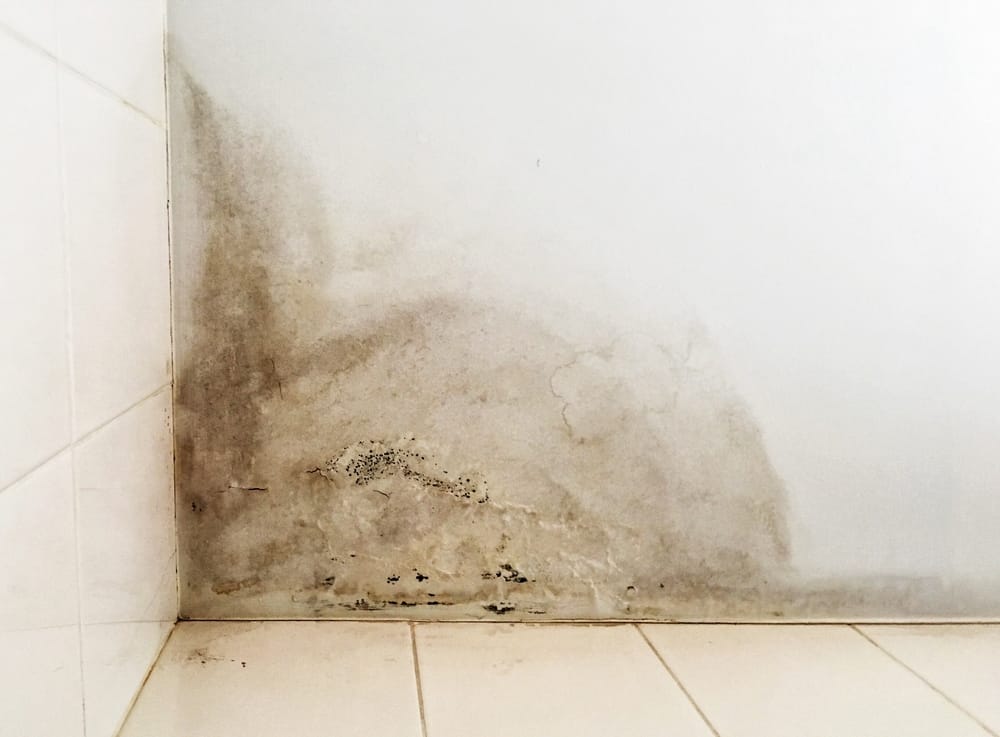
The air feels different. The musty smell that you’d started accepting as normal — gone. No more wondering if that dark spot behind the bathroom wall is spreading, or whether the inspector at your next showing is going to find something you missed. That’s what real mold remediation in Kensington, NY delivers: clarity, not just cleanup.
Kensington sits on the Great Neck Peninsula, bordered by Manhasset Bay to the east. That coastal exposure means ambient humidity here runs consistently higher than inland Nassau County — and in a home built in the 1920s or 1930s, that moisture has decades of opportunity to work its way into wall cavities, attic spaces, and crawl areas where no one’s looking. Resolving a mold problem here isn’t just about removing what’s visible. It’s about understanding why the moisture got in and making sure it doesn’t come back.
For homeowners in Kensington, where properties routinely transact above $1 million, there’s also a financial reality to this. Mold can reduce a home’s resale value by 20 to 37 percent, and half of buyers walk away entirely once mold enters the conversation. On a $2.5 million home, that’s not an abstract risk — it’s a $500,000 exposure. Getting it handled correctly, with documented lab results and post-remediation clearance testing, protects the asset as much as it protects the people inside it.
We’ve been serving Nassau County homeowners for over three decades — long enough to know that the homes on the Great Neck Peninsula are a different category of job. Older construction, architectural details worth preserving, plaster walls that don’t forgive careless work. That context shapes how every project gets handled here in Kensington.
Every technician on our staff holds full IICRC certification. Not just the project lead — every person who enters your home. We’re also fully licensed under New York State’s mold licensing program, which requires separate credentials for mold assessment and mold remediation. That’s a legal distinction a lot of homeowners don’t know about, and one that some contractors quietly sidestep. We don’t.
When you call our Nassau County line at 516-541-0500, you’re reaching a real local operation, not a national call center routing work to whoever’s available. You’re talking to people who know Kensington, know these homes, and have been doing this work here for a long time.
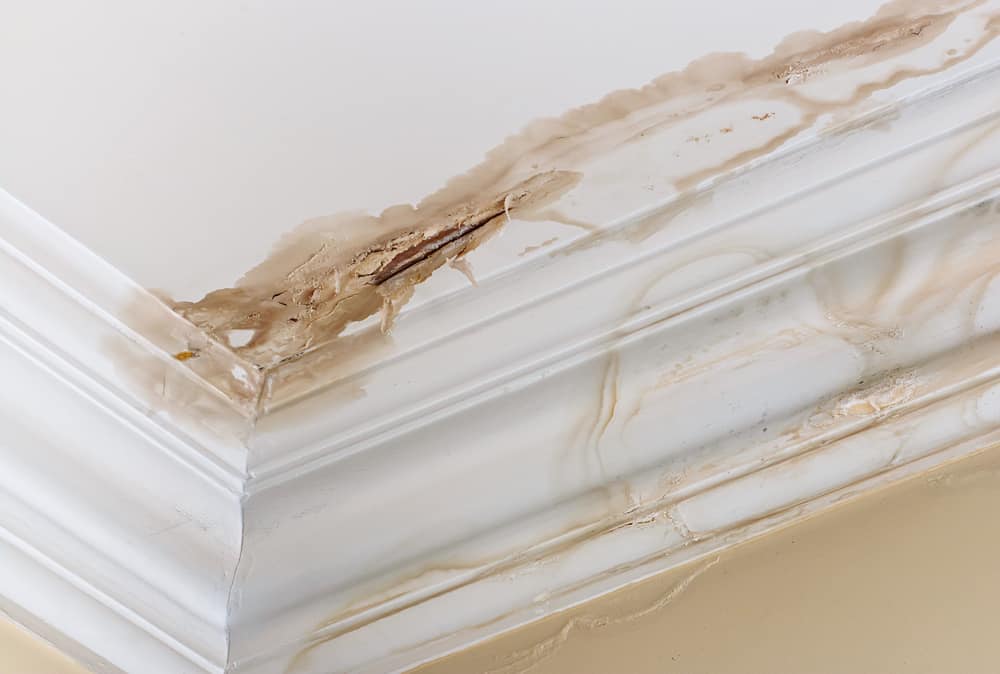
It starts with a proper inspection — not a visual sweep, but a five-point certified assessment that includes air sampling, surface swab sampling, non-invasive moisture measurement, and boroscopic wall cavity examination. That last one matters a lot in Kensington’s older housing stock. A boroscope lets a certified technician look inside a wall cavity without cutting into it — which means hidden mold colonies in century-old plaster walls get found without unnecessary damage to your home. Lab results come back within two to three business days with full chain-of-custody documentation.
Once the scope is confirmed, remediation begins. We set up containment to isolate the affected area, run HEPA air filtration throughout, and remove the mold using methods appropriate to the surface and the extent of the growth. If the underlying cause is water damage — a slow pipe leak, compromised foundation waterproofing, attic condensation from a cold roof meeting heated interior air — we address that too, not leaving it for another contractor to figure out later.
New York State law prohibits the same licensed company from performing both the mold assessment and the mold remediation on the same property. We navigate this correctly and can walk you through exactly what the law requires so you’re not caught off guard. The job closes with post-remediation clearance testing — documented proof, not a verbal assurance, that the work is done.
Ready to get started?
Every mold removal engagement with us includes the full inspection protocol, certified lab analysis, containment and remediation, and post-clearance testing — all documented in a way that satisfies insurance adjusters, real estate attorneys, and prospective buyers. For homeowners in Kensington navigating a real estate transaction or an insurance claim, that paper trail isn’t a nice-to-have. It’s the difference between a deal that closes and one that doesn’t.
We cover the areas where mold most commonly takes hold in Kensington’s pre-war homes: attics where condensation builds against cold roof surfaces in winter, basements and crawl spaces where aging foundation waterproofing lets moisture creep in during spring thaw, bathrooms with original plumbing that’s been partially — but not fully — updated, and wall cavities where slow leaks have gone undetected for months or years. Coastal humidity from Manhasset Bay accelerates growth in all of these spaces, which is why the moisture assessment component of the inspection is as important as the mold assessment itself.
We also offer a deductible coverage program — up to $500 toward your out-of-pocket deductible costs on a mold, water, or fire damage claim. No competitor identified in the Kensington area offers this. It’s a straightforward way of saying we stand behind the work enough to put something toward the cost of getting it done.
Yes — and the impact is significant enough that it’s worth treating before it becomes a transaction problem. Research consistently shows that mold can reduce a home’s resale value by 20 to 37 percent, and roughly half of buyers walk away from a purchase once they learn mold is present. In Kensington, where the median home value exceeds $1 million and many properties transact well above that, those percentages translate into very large dollar figures.
The more practical issue is timing. Mold discovered during a buyer’s home inspection — which is standard in any Nassau County transaction at this price point — can kill a deal or trigger a renegotiation that wipes out far more than the cost of remediation. Handling it before listing, with lab-verified clearance documentation you can hand to a buyer’s agent, removes that variable entirely. It also demonstrates to buyers that the home has been properly maintained — which matters in a village like Kensington, where buyers are sophisticated and their inspectors are thorough.
Mold can begin colonizing a new surface within 24 to 48 hours of moisture exposure. That window is narrow, and in Kensington’s older homes — where a slow pipe leak inside a wall can go undetected for weeks — the timeline often isn’t measured from the moment water damage is discovered. It’s measured from the moment moisture first appeared, which may have been long before anyone noticed.
This is why the inspection process matters as much as the remediation. A surface-level look at visible mold doesn’t tell you how long the moisture has been present or how far the growth has spread inside the wall cavity. Our boroscopic examination and moisture measurement give a full picture of what’s actually happening inside the structure — not just what’s visible on the surface. If you’ve had any water intrusion event, even a minor one, acting quickly is the right call.
Attic mold in Kensington is most commonly caused by condensation — not a roof leak, not flooding, but the temperature differential between a heated interior and a cold roof surface during winter months. Warm, moist air from the living space rises into the attic and hits the cold underside of the roof deck. If ventilation is inadequate, that moisture condenses and sits on the wood framing and sheathing. Over time, mold follows.
This is a particularly common issue in Kensington’s pre-war homes because original attic ventilation designs weren’t built to modern standards, and many homes have had insulation added over the years in ways that inadvertently block what little ventilation existed. The problem often goes unnoticed until a home inspector accesses the attic during a sale. Our inspection protocol includes attic assessment, and if condensation-driven mold is present, the remediation plan addresses both the growth and the ventilation conditions that allowed it to develop.
Yes. New York State requires separate licensing for mold assessment and mold remediation through the Department of Labor. More importantly, state law prohibits the same licensed company from performing both the mold assessment and the mold remediation on the same property. This is a consumer protection rule designed to prevent conflicts of interest — a company that assesses the mold shouldn’t also be the one deciding the scope of the remediation job.
In practice, this rule creates confusion, and some contractors quietly ignore it. Before any mold company enters your Kensington home, ask to see their NYS mold license — both the assessor credential and the remediator credential — and confirm they understand the legal separation between the two functions. We’re fully licensed and navigate this correctly. We can also walk you through what the law requires so you understand the process before it starts, not after something goes wrong.
Mold removal refers to the physical act of eliminating mold from a surface. Mold remediation is the broader process — it includes identifying the source of moisture, containing the affected area, removing the mold, treating the surface, and verifying through post-clearance testing that the environment is clean. Remediation is the complete job. Removal is one step within it.
The distinction matters because mold that’s removed without addressing the moisture source will return. In Kensington’s coastal environment — where Manhasset Bay humidity, aging plumbing, and older foundation waterproofing all contribute to elevated moisture risk — treating only the visible mold without resolving the underlying conditions is a short-term fix at best. We handle the full remediation scope, including the water damage restoration component if applicable, so the problem doesn’t come back in six months requiring the same work all over again.
The only way to know for certain is post-remediation clearance testing — air sampling and surface sampling conducted after the remediation work is complete, with results analyzed by an independent laboratory. A visual inspection by the same crew that did the work isn’t sufficient, and a verbal assurance from a contractor isn’t documentation. For Kensington homeowners dealing with a high-value property, an insurance claim, or a pending real estate transaction, the clearance report is the document that actually closes the loop.
We provide post-remediation clearance testing as part of the process, with chain-of-custody lab documentation that meets legal evidence standards. That means the results are defensible — in front of an insurance adjuster, a real estate attorney, or a prospective buyer’s agent. In a village where home values and transaction stakes are what they are in Kensington, having that documentation isn’t overcautious. It’s the standard any professional remediation job should meet.
Useful Links
Other Services we provide in Kensington