
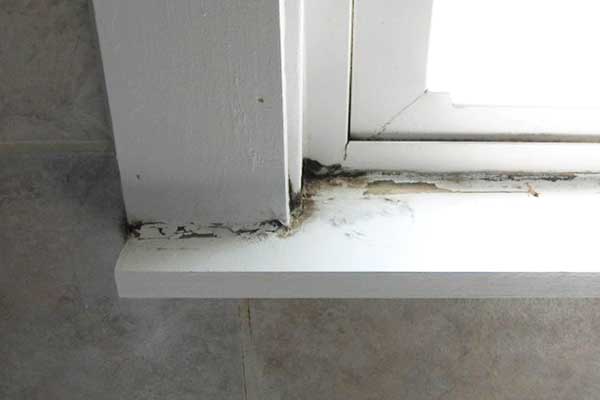
Hear from Our Customers
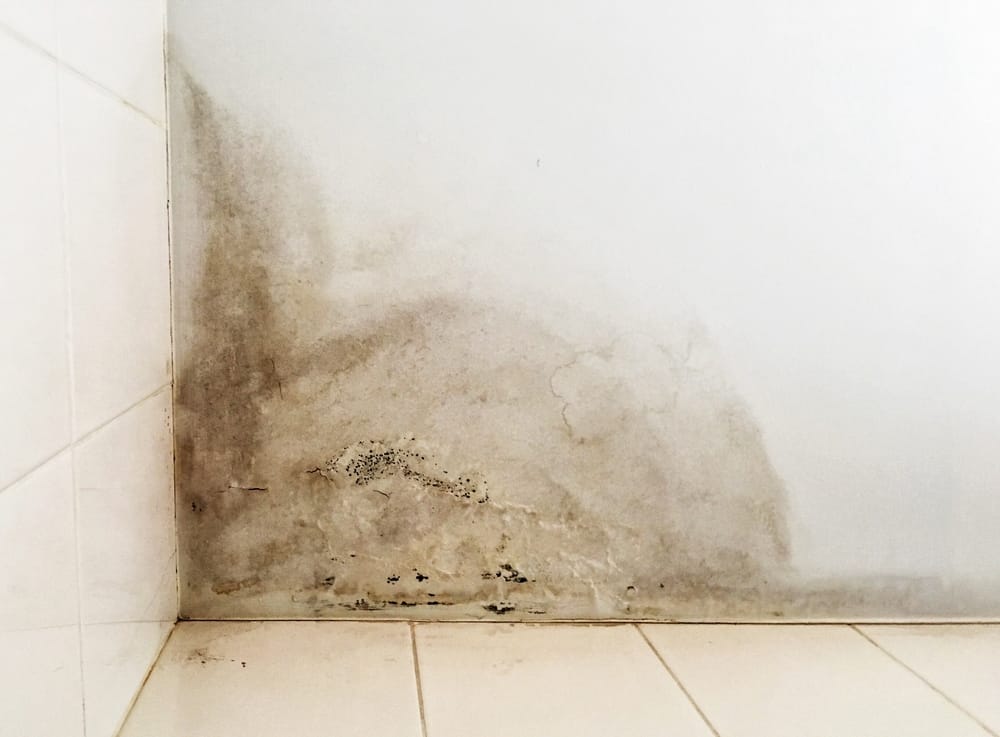
Mold doesn’t announce itself. It grows behind drywall, under subfloors, inside wall cavities — and in a city like Long Beach, where the water table is high and Reynolds Channel sits just north of your street, it has every condition it needs to thrive year-round. The goal isn’t just to clean what you can see. It’s to find everything, document it properly, and make sure it doesn’t come back.
When the job is done right, you get your home back — not just surface-level clean, but lab-confirmed clear. That means air samples and surface swabs that have passed independent analysis, not a contractor telling you it looks fine. For Long Beach homeowners dealing with insurance claims, preparing a property for sale, or simply trying to make sure their family isn’t breathing compromised air, that documentation matters. It’s the difference between peace of mind and a problem that resurfaces six months later.
The older the building, the more this applies. Carroll Park homes built in the 1920s and 1930s, West End bungalows without modern vapor barriers, Canal District properties sitting feet away from open water — these structures hold moisture differently than newer construction. Professional mold remediation in Long Beach has to account for the building, the geography, and the history. Generic treatment doesn’t cut it here.
We’ve been working across Nassau and Suffolk Counties for over three decades. That includes the post-Sandy cleanup, the nor’easter aftermath, and every water event in between. Long Beach wasn’t an unfamiliar call — it was one of the hardest-hit communities in the region, and the mold work that followed those floods was some of the most complex we’ve handled.
What separates us from most companies in this market is straightforward: every technician who walks into your home is IICRC-certified. Not just the owner. Not just the crew lead. Every person. We hold that standard without exception because anything less isn’t acceptable when you’re dealing with a health issue in someone’s home.
Our owner is personally licensed under New York State’s mold remediation requirements, and we operate in full compliance with state law — including the regulation that prohibits the same company from performing both the assessment and the remediation on the same property. That’s a consumer protection rule a lot of homeowners don’t know about, and it’s one we follow without needing to be asked.
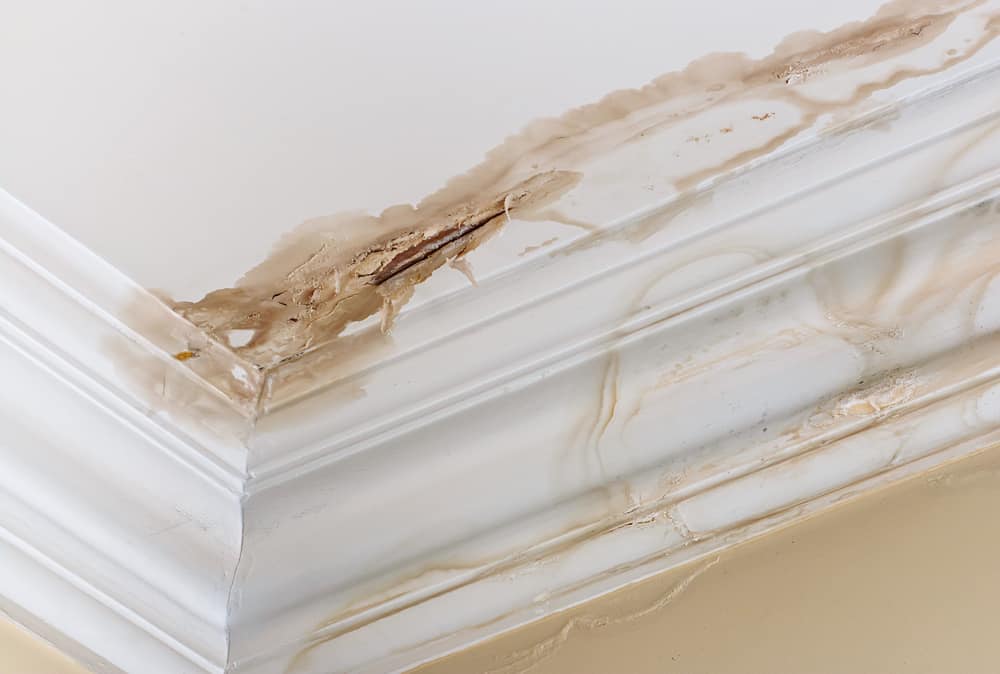
It starts with a thorough inspection — not a visual walkthrough, but a five-point assessment that includes boroscopic wall cavity examination, air sampling, surface swab sampling, moisture level measurement, and identification of the water intrusion point. In Long Beach, that last step is especially important. Whether it’s groundwater migrating through a Canal District foundation, storm-driven moisture behind a West End bungalow’s exterior walls, or condensation building up in an attic that doesn’t have adequate winter ventilation — we find the source, not just the mold.
Samples go to an independent lab. Results come back in two to three business days. From there, we put together a clear remediation plan based on what the lab actually found — not a worst-case assumption designed to inflate the scope of work. New York State law requires that the assessment and the remediation be handled separately, and we operate that way. You’ll know exactly what you’re dealing with before any remediation work begins.
Our remediation follows IICRC standards — containment, air filtration, removal of affected materials, treatment, and drying. Once the work is complete, we conduct post-remediation clearance testing using the same lab process as the initial inspection. If the results don’t meet the standard, the work isn’t finished. You receive written documentation of the clearance — the kind that holds up for insurance claims, real estate disclosures, and anything else that requires proof.
Ready to get started?
Long Beach has a wide range of property types, and mold shows up differently in each one. A pre-war bungalow on the West End has different vulnerabilities than a boardwalk condominium or a commercial property on Park Avenue. We handle all of it — residential mold removal, commercial mold removal, attic mold, basement mold, crawl space mold, and bathroom mold removal in Long Beach, NY — with the same certified team and the same documented process regardless of property type.
For homeowners, our service includes the full inspection, lab analysis, written remediation plan, physical remediation, and post-clearance testing. If the mold originated from a water damage event — which it almost always does — we can address the underlying water damage as part of the same engagement. That matters in a city where mold and water damage are rarely separate problems. Treating one without the other is a temporary fix.
For landlords, property managers, and commercial clients along the Park Avenue Central Business District corridor, our process also produces the documentation tenants, attorneys, and real estate agents need. Chain-of-custody lab records, written clearance reports, and formal inspection documentation are standard — not add-ons. We also offer up to $500 toward your insurance deductible on qualifying water, mold, and fire claims, which is a real financial consideration when you’re already managing the cost of a remediation in a high cost-of-living market like Nassau County.
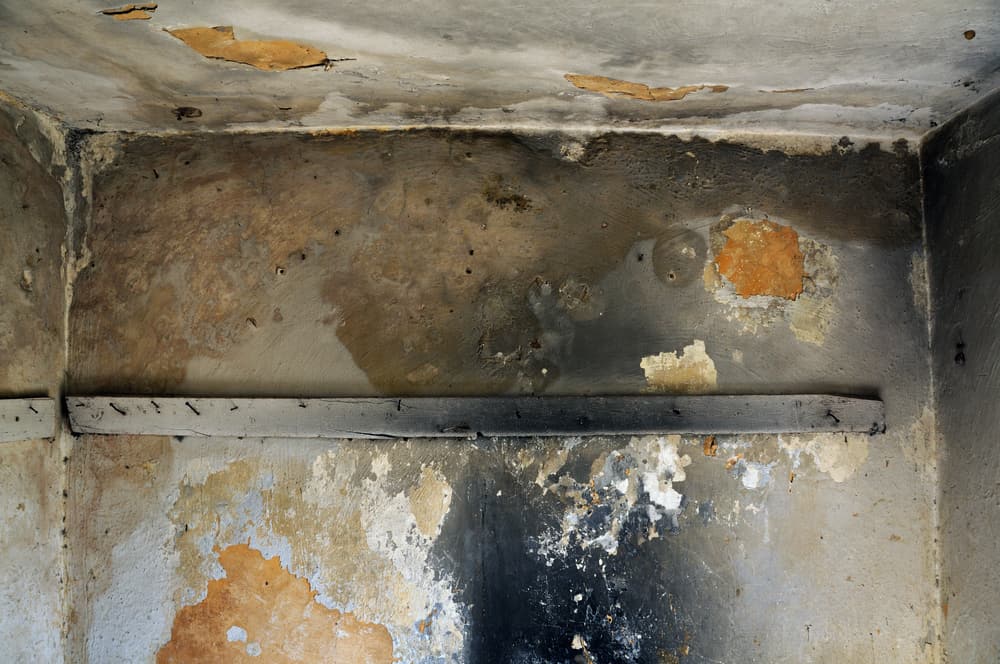
Mold can begin colonizing within 24 to 48 hours of water exposure — and in Long Beach, that window closes fast. The city sits entirely within a FEMA-designated flood zone, which means water intrusion events aren’t rare. Whether it’s a nor’easter pushing Reynolds Channel water toward the island’s north side, a storm surge coming off the Atlantic, or a plumbing failure in a century-old West End bungalow, moisture gets into these structures quickly and stays there.
Once mold establishes itself inside a wall cavity or beneath a subfloor, it’s no longer a surface problem. It becomes a remediation job that requires containment, material removal, and lab-confirmed clearance. Calling sooner almost always means a smaller scope of work and a lower overall cost. Waiting to see if it dries out on its own is how a manageable situation becomes a major project.
Mold removal cost in Long Beach, NY varies based on the size of the affected area, the location of the mold within the structure, and how far it has spread before it’s caught. Nationally, the average cost of mold remediation runs around $2,300, with a typical range of $373 to $7,000. For attics, crawl spaces, and basements — which are the most common locations in Long Beach’s older housing stock — costs generally run $15 to $30 per square foot.
In a market where median home values sit near $725,000 and the cost of living index is well above the national average, Long Beach homeowners are accustomed to paying for quality. What matters is knowing what you’re paying for. We provide a written scope of work before any remediation begins, based on actual lab results — not a verbal estimate based on a visual scan. If you’re filing an insurance claim, the documentation we produce during the inspection and remediation process is designed to support that claim, not complicate it. Our $500 deductible assistance program can also reduce your out-of-pocket exposure on qualifying claims.
Yes — and it’s more common than most people realize. When Sandy hit Long Beach in October 2012, the storm surge reached five to six feet in parts of the city. The Atlantic Ocean and Reynolds Channel met in the middle of the island. Properties were inundated for extended periods, and the mold that followed colonized inside wall cavities, beneath subfloors, and within insulation that was never fully dried or properly remediated.
Some of that work was done quickly, under pressure, and without post-remediation clearance testing to confirm the mold was actually gone. A decade later, properties that appear fine on the surface can still harbor active mold colonies inside the structure. If you purchased a Long Beach home after Sandy, renovated without a full inspection, or simply haven’t had the walls checked since the storm, a boroscopic wall cavity inspection is worth doing. It’s a camera-based process that looks inside the wall without requiring demolition — and it’s part of our standard five-point inspection protocol.
It does, and it’s something every Long Beach homeowner should understand before hiring anyone. New York State law prohibits the same licensed company from performing both the mold assessment and the mold remediation on the same property. These two functions must be handled by separate licensed entities. The law exists to protect consumers from conflicts of interest — specifically, from a company that might exaggerate the scope of a problem because they also profit from the remediation.
Not every contractor in the Long Beach market follows this rule, particularly the opportunistic operators who show up after major storm events. We operate in full compliance with New York State’s mold licensing requirements. Our owner holds a personal mold license, and we maintain the required separation between assessment and remediation. When you hire us, you’re working with a company that understands the regulatory framework and follows it — which also means the documentation we produce will hold up if it ever needs to.
Mold testing — or assessment — is the process of identifying whether mold is present, what species it is, and how far it has spread. It involves air sampling, surface swab sampling, moisture readings, and in some cases boroscopic wall cavity inspection. The results go to an independent lab, and the findings form the basis of the remediation plan. Without testing, you’re guessing at the scope of the problem.
Mold remediation is the physical removal and treatment process — containment, removal of affected materials, air filtration, and drying. In New York State, these two steps must be performed by separate licensed entities, which is why you’ll need both a certified assessor and a certified remediator. For Long Beach properties — especially older homes with complex moisture histories — skipping the testing phase and going straight to remediation is a common mistake. You may remove what’s visible and miss an entire colony growing inside a wall. Post-remediation clearance testing, which confirms through lab analysis that the mold has been successfully removed, is the final step that closes the loop and gives you documented proof.
Attic mold is one of the most frequently overlooked mold problems in Long Beach, and it’s largely driven by the combination of older housing stock and the coastal climate. During winter months, warm moist air from the living space below migrates upward into the attic. If the attic lacks proper insulation and ventilation — which is common in pre-war bungalows and older multi-family buildings throughout the West End and Carroll Park — that moisture condenses on the cold roof sheathing and creates ideal conditions for mold growth. It can develop over an entire winter season without anyone noticing until a spring inspection or a home sale brings it to light.
The salt air and elevated ambient humidity that come with living on a barrier island accelerate this process. Building materials in Long Beach degrade faster than in inland communities — caulking fails sooner, window seals break down, and small gaps in the building envelope that might be inconsequential in a drier climate become moisture entry points here. Attic mold removal in Long Beach, NY requires identifying and sealing those entry points in addition to treating the mold itself. Removing the mold without addressing the ventilation or insulation issue means the same conditions will produce the same result next winter.
Useful Links
Other Services we provide in Long Beach