
Mold Removal in Mastic, NY
When the Forge River Comes Inside, Mold Follows Fast
Hear from Our Customers
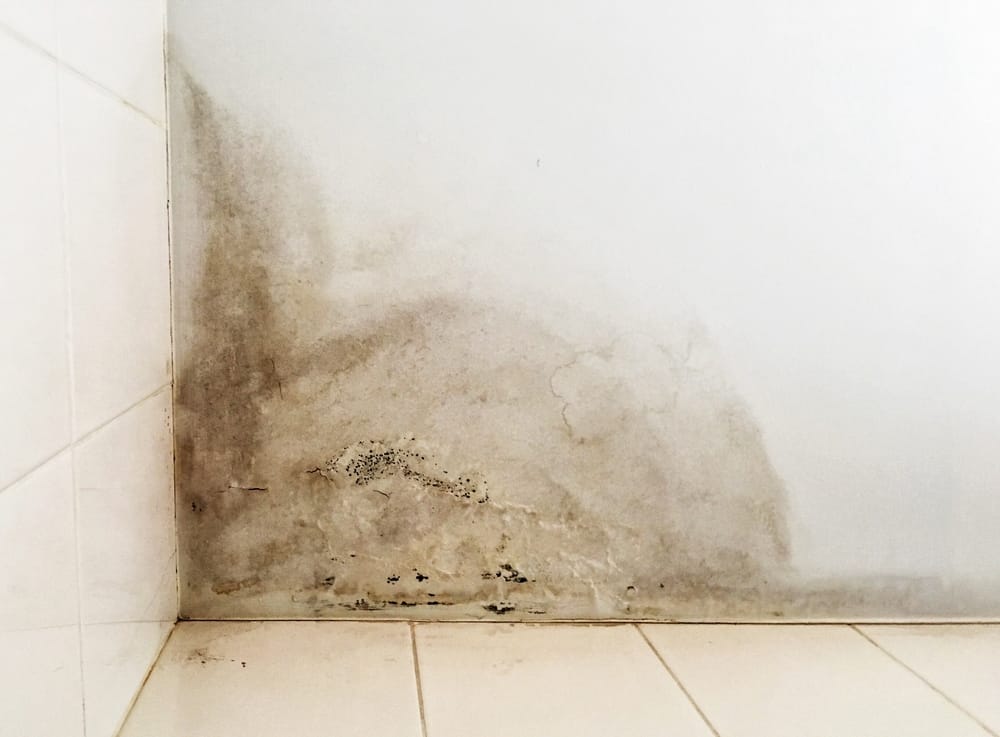
Basement Mold Removal in Mastic, NY
Most Mastic homeowners don’t call about mold the first time they see it. They try bleach, they open a window, they hope it doesn’t come back. It always comes back because surface cleaning doesn’t touch the root system living inside your walls, under your flooring, or in the insulation above your ceiling. What you’re dealing with isn’t a cosmetic problem. It’s a structural and air quality problem that gets worse every week you wait.
When mold is fully removed not wiped, not sprayed, actually removed the air in your home changes. The musty smell that you stopped noticing disappears. The chronic congestion your kid has had since last winter starts to clear up. You stop wondering whether the basement is safe to use. That’s significant, especially in Mastic, where basements flood regularly, water tables are unusually high, and many homes were built decades before modern waterproofing standards existed.
Living near the Forge River and Moriches Bay means your home faces moisture pressure that inland Suffolk County towns simply don’t. After every nor’easter, every heavy rain, every time the groundwater rises close enough to push through your foundation, the clock starts. Mold can establish itself within 24 to 72 hours of water exposure. Getting a certified team in quickly one that understands Mastic’s specific flood history and housing stock is the difference between a contained remediation job and a gut-and-rebuild situation.
Licensed Mold Removal Company in Mastic, NY
We’ve been working in Suffolk County for over three decades. That means we were here before Hurricane Sandy hit, during it, and in the years after when 75 homes in Mastic were still deemed uninhabitable and families were trying to figure out what came next. This isn’t a company that learned about coastal flooding from a training manual. We’ve seen what happens to homes in this Tri-Hamlet area when storm surge meets a high water table and nobody responds fast enough.
Every technician on our team is IICRC-certified under the ANSI/IICRC S520 Standard for Professional Mold Remediation, and we hold a New York State Article 32 Mold Remediation Contractor license which is required by law for any paid mold work in this state. We’re also licensed, bonded, and fully insured, so if you’re in the William Floyd School District or the Manor Park section of Mastic, you’re covered either way.
What actually sets us apart is straightforward: we don’t upsell, we don’t bait-and-switch, and the estimate you get before work starts is what you pay when the job is done. Real customers have said exactly that in their reviews and in a business where fear is easy to exploit, that track record means something.
Professional Mold Remediation Services in Mastic, NY
It starts with finding where the mold actually is not just where you can see it. We use moisture sensors, thermal imaging, and particle counters in the areas most homeowners never check: inside wall cavities, beneath subfloor assemblies, in attic insulation, and in crawl spaces where Mastic’s high groundwater table creates chronic dampness year-round. The goal at this stage is a complete picture, not a quick visual scan.
Once the scope is clear, containment goes up before any removal begins. Negative air pressure and HEPA filtration keep spores from spreading into the parts of your home that aren’t affected. In older Mastic homes many built in the 1950s, 1960s, and 1970s this step matters more than most people realize, because the construction style of that era creates more pathways for spores to travel through a structure. Every mold-affected material that can’t be cleaned is physically removed: drywall, insulation, vapor barriers, flooring, whatever the inspection identified.
New York State Article 32 requires a written remediation plan before any work begins, and we follow that requirement on every job not as a formality, but because it protects you. After remediation, post-clearance testing verifies the work is done before reconstruction starts. If your project involves structural repairs like drywall replacement or framing work, the Town of Brookhaven may require a building permit something we can walk you through so nothing is missed on the back end.
Ready to get started?
Residential and Commercial Mold Removal in Mastic, NY
Mastic’s combination of tidal flooding, coastal humidity, aging housing stock, and one of the highest water tables on Long Island means mold shows up in a lot of different places and not always where you’d expect. Basement mold removal is the most common call, but attic mold is just as prevalent in post-war homes where ventilation was never designed to handle Long Island’s humid summers. Crawl space mold removal is a significant part of the work we do here too, because many older homes in Mastic were built on crawl spaces rather than full basements, and those spaces sit directly above saturated soil.
Bathroom mold removal, toxic mold cleanup after Category 3 flooding events including situations where septic systems backed up during storm surge and full post-flood mold mitigation are all part of what we handle in Mastic. We also work on commercial properties along the Sunrise Highway corridor and throughout the Brookhaven area. Every job, residential or commercial, follows the same IICRC-standard protocol: assess, contain, remove, verify.
What makes the full-service model matter here is that mold in Mastic almost never comes alone. It follows water damage, and water damage usually means structural repairs. We handle mold remediation through complete restoration water extraction, drying, mold removal, reconstruction, and final cleaning so you’re not managing three separate contractors during an already stressful situation. One call, one team, one finished job.
Why do Mastic homes have such a high risk of mold growth compared to other towns?
Mastic sits on one of the lowest-lying stretches of Long Island, with a water table that’s unusually close to the surface and two major waterways the Forge River and Moriches Bay shaping the land on two sides. That geography means moisture doesn’t just come from rain or plumbing failures. It comes up from the ground, in through foundation walls, and across the floor of crawl spaces that were never designed to stay dry in this kind of environment. Research from Stony Brook University specifically identifies the Mastic area as one of the most flood-vulnerable spots on the island, with groundwater levels that compound the risk during any significant storm event.
Add to that a large portion of homes built in the post-WWII decades, before modern vapor barriers and waterproofing standards, and you have a housing stock that was never fully equipped to handle what this area regularly throws at it. Mold thrives in exactly these conditions: persistent moisture, limited airflow, and organic materials like wood framing and insulation that have been absorbing humidity for 50 or 60 years.
How much does professional mold removal cost in Mastic, NY?
The honest answer is that cost depends heavily on where the mold is, how far it’s spread, and what materials need to come out. For most residential jobs in Mastic, mold remediation falls somewhere between $1,500 and $6,000 for basement mold removal, and $1,000 to $4,000 for attic mold removal. Smaller, contained bathroom or surface mold situations can come in under $1,500. Larger post-flood scenarios especially those involving Category 3 contamination from septic backup, which happens in Mastic during significant flooding events can run higher depending on the extent of structural material removal required.
What you should expect from us is a written estimate before work begins, with a clear scope of what’s included. We provide exactly that, and customers have specifically noted that the estimate they received was the price they paid no additions discovered mid-job, no scope inflation after the fact. If your homeowners insurance covers mold remediation, we coordinate directly with your carrier and document everything adjusters need, which takes a significant burden off you during an already stressful situation.
Is the mold in my Mastic basement black mold, and how dangerous is it?
The term “black mold” gets used a lot, but it’s worth being precise about what it actually means. Stachybotrys chartarum the species most people refer to as black mold is one of the more toxic varieties, and it does appear in Mastic homes, particularly after flooding events where materials stayed wet for an extended period. It tends to grow on drywall, wood, and insulation that has been chronically damp rather than briefly wet. Given that many Mastic basements have experienced recurring moisture from groundwater infiltration, storm surge, or post-Sandy water damage, the conditions for Stachybotrys growth are not uncommon here.
That said, any mold at elevated concentrations is a health concern, regardless of color. Mold spores affect respiratory health, can trigger or worsen asthma, and in homes with young children or elderly residents, the impact can be significant. The only way to know what species you’re dealing with and at what concentration is through proper testing, not a visual guess. We use particle counters and airborne spore sampling to give you an accurate picture before any remediation plan is built.
Does homeowners insurance cover mold removal in Mastic, NY?
It depends on the cause, and this is where a lot of homeowners get tripped up. Most standard homeowners insurance policies in New York will cover mold remediation if it results directly from a covered event a burst pipe, a sudden roof leak, an appliance failure that flooded the space. What they typically won’t cover is mold that resulted from long-term neglect, gradual seepage, or a flooding event that should have been covered under a separate flood insurance policy.
In Mastic, this distinction matters because many homes sit in FEMA-designated flood zones, and flood insurance through the National Flood Insurance Program is a separate policy from your standard homeowners coverage. If your mold problem traces back to storm surge whether from Sandy years ago or a more recent nor’easter the claim pathway may go through your flood policy rather than your homeowners policy. We have 31 years of experience navigating insurance claims on Long Island and coordinate directly with both types of carriers, so you’re not left figuring out which policy applies and what documentation each adjuster needs.
Can I remove mold myself, or do I need a licensed contractor in New York?
New York State law under Article 32 of the Labor Law requires that any mold remediation work performed for compensation be done by a licensed contractor. If you’re hiring someone, they must hold a valid NY State Mold Remediation Contractor license and the same company cannot legally perform both the assessment and the remediation on the same project. That conflict-of-interest rule exists specifically to protect homeowners from inflated scopes.
For DIY work, the law doesn’t prohibit a homeowner from addressing mold in their own home, but there’s a practical limit to what surface cleaning can accomplish. Bleach kills surface mold on non-porous materials, but it doesn’t penetrate into drywall, wood framing, or insulation and it does nothing to address the moisture source that’s feeding the growth. In Mastic, where mold is frequently hidden behind finished walls or inside crawl spaces due to groundwater infiltration, DIY treatment almost always results in the mold returning within a season. A licensed remediation team finds the source, removes the affected materials, and verifies the result which is the only approach that actually ends the cycle.
How quickly does mold spread after basement flooding in Mastic, NY?
Mold can begin colonizing new surfaces within 24 to 72 hours of water exposure under the right conditions and Mastic’s warm, humid summers provide exactly those conditions. Once spores land on a damp organic surface like drywall, wood framing, or carpet padding, they don’t need much time to establish. The first 48 hours after a flooding event are the most critical window for limiting the scope of what becomes a mold problem.
This is especially relevant in Mastic because flooding here doesn’t always come with warning. Groundwater rises, sump pumps fail during nor’easters, and storm surge events can inundate a basement before a homeowner has time to react. By the time the water recedes and the cleanup begins, the mold clock has often already been running for a day or more. That’s why we operate 24 hours a day, seven days a week, and maintain a dedicated Suffolk County line at 631-587-5300. Getting a certified team in quickly even in the middle of a storm event is what keeps a manageable water damage situation from turning into a full mold remediation and reconstruction project.
Useful Links
Other Services we provide in Mastic