
Mold Removal in Melville, NY
Melville Homes Are Worth Too Much to Gamble on Mold
Hear from Our Customers
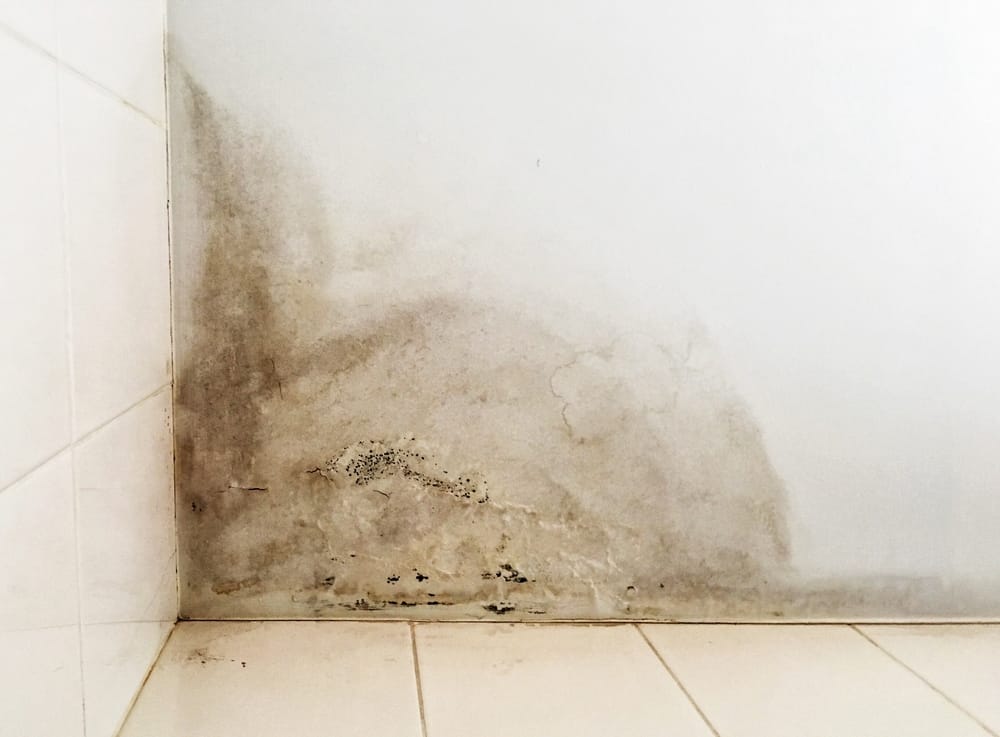
Basement Mold Removal Melville NY
Most Melville homeowners don’t call about mold until something tips them off a musty smell in the basement, a dark patch behind the water heater, or a home inspector flagging something during a sale. By that point, the mold has usually been growing for weeks or months, quietly spreading behind drywall, under flooring, and around the HVAC equipment. The visible patch is rarely the whole story.
When the problem is fully resolved not just wiped down, but properly contained, removed, and cleared the difference is real. The air quality in your home improves. The basement stops smelling like something’s wrong. And if you’re heading toward a sale, you have documented clearance from a licensed contractor that holds up to any inspector’s scrutiny. In a market where the median home value sits above $854,000, that documentation is worth having.
Melville’s housing stock creates specific conditions that drive mold growth year after year. The mid-century split-levels and colonials throughout the Half Hollow Hills area were built in an era when attic ventilation standards were minimal warm air rises into the attic in winter, meets cold roof decking, and condenses. That cycle, repeated over decades, is exactly how attic mold establishes itself. Basement mold follows a similar pattern: Long Island’s spring thaw raises groundwater, older foundations let moisture in, and basements without proper dehumidification become ideal mold environments. Resolving the mold means understanding how it got there and making sure it doesn’t come back.
Licensed Mold Remediation Melville NY
We’ve been doing this work across Nassau and Suffolk Counties since before most of today’s competitors were in business. That’s not a boast it’s just context. Thirty-one years of Long Island mold remediation means our team has worked in homes throughout Melville, Dix Hills, the Half Hollow Hills corridor, and every type of property the area produces, from older ranch-style homes to large colonial estates near West Hills.
Every technician on our team is IICRC-certified under the ANSI/IICRC S520 standard for mold remediation, and we hold full NY State licensing under Article 32 of the NY Labor Law the state requirement that’s been in effect since 2016 and that many homeowners don’t know to ask about. We’re fully licensed, bonded, and insured.
What you won’t get here is an inflated scope or a surprise invoice. Our customers have specifically noted that the estimate they received before work started matched what they paid at the end. That kind of straightforward pricing is harder to find than it should be in this industry and it’s been a consistent part of how we operate for three decades.
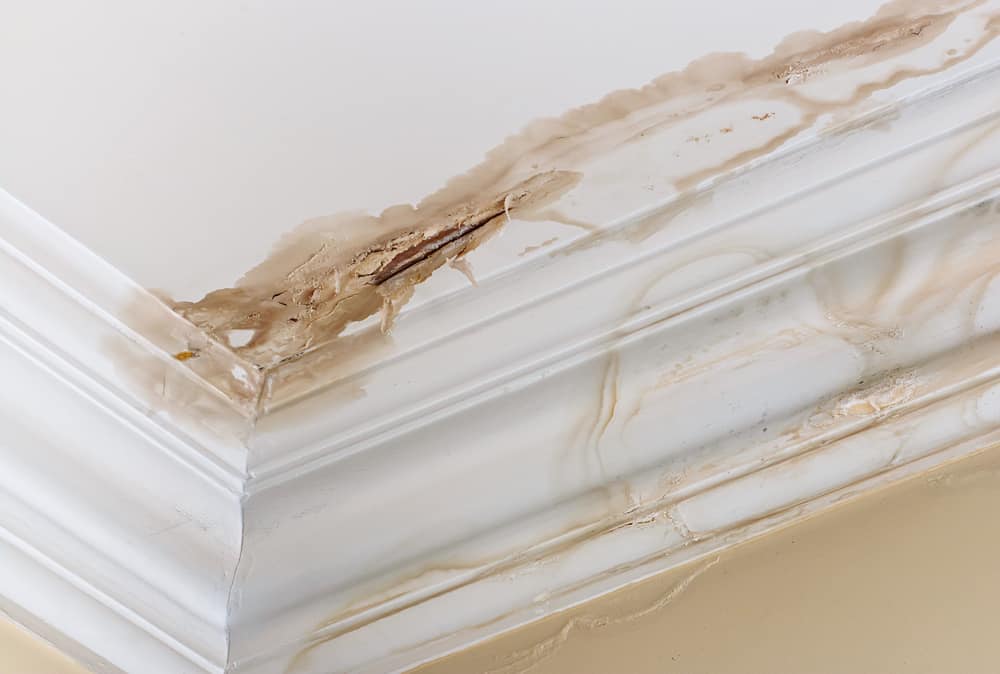
Professional Mold Removal Services Melville NY
The first thing that happens is an honest assessment. Before any work begins, a licensed mold assessor evaluates the affected areas and under New York State’s Article 32 law, that assessor must be a separate party from the remediation contractor. This isn’t a technicality; it’s a built-in check that protects you from a contractor who inflates the scope to increase the job size. We work within this framework and can help you coordinate the assessment process if you don’t already have a licensed assessor lined up.
Once the assessment is complete and the scope is defined, the remediation work begins with containment. Affected areas are isolated using physical barriers and negative air pressure to prevent mold spores from spreading to unaffected parts of your home during removal. HEPA-filtered equipment captures airborne particles throughout the process. Depending on what the assessment identified whether that’s basement mold behind drywall, attic mold on roof decking, or crawl space mold under flooring the removal process is adapted to the specific material and extent of growth.
After remediation, post-clearance testing is conducted by the independent assessor to confirm the work is complete and the air quality meets acceptable standards. That clearance report is your documentation the paper trail that matters when you’re selling your home, filing an insurance claim, or simply need to know the job was done correctly. For Melville homeowners whose properties represent decades of investment, that final verification isn’t optional it’s the whole point.
Ready to get started?
Attic and Crawl Space Mold Removal Melville NY
Mold doesn’t stay in one place, and professional mold removal in Melville, NY means addressing every area where moisture and organic material meet not just the spots that are easy to reach. The most common locations in Melville homes are basements, attics, bathrooms, crawl spaces, and areas around HVAC equipment. Each one requires a different approach, and we handle all of them.
Basement mold removal in Melville, NY is the most frequent call we receive, and for good reason. Below-grade spaces in Long Island homes are subject to groundwater infiltration, especially during spring thaw and after heavy rain events. Attic mold removal in Melville, NY is the second most common and often the most overlooked, because most homeowners don’t go into their attics regularly. By the time it’s discovered, it’s frequently been growing on roof decking and framing for months. Bathroom mold removal, crawl space mold removal, and toxic mold cleanup are all part of the same full-service scope.
For commercial properties and Melville has a significant commercial footprint along the Route 110 corridor, including large office parks and corporate headquarters commercial mold removal in Melville, NY requires a larger-scale response: faster mobilization, more equipment, and an understanding of how HVAC systems in large buildings distribute mold spores across multiple floors. We have the capacity and the certifications to handle both residential and commercial mold mitigation services in Melville, NY, and the surrounding Suffolk County area.
Does New York State require a license for mold removal in Melville?
Yes and this is one of the most important things to verify before hiring anyone. New York State requires all mold remediation contractors to be licensed under Article 32 of the NY Labor Law, a requirement that has been in effect since January 1, 2016. Hiring an unlicensed contractor isn’t just risky from a quality standpoint it’s illegal, and it can create serious problems if you’re filing a homeowners insurance claim or trying to sell your Melville home.
There’s also a built-in separation requirement under Article 32 that most homeowners don’t know about: the same company cannot perform both the mold assessment and the mold remediation on the same project. This rule exists specifically to prevent a contractor from diagnosing a larger problem than actually exists. We hold all required NY State licenses and operate in full compliance with Article 32. Before any contractor starts work in your Melville home or commercial property, ask to see their license it should be current, verifiable, and displayed at the worksite.
How much does mold removal cost in Melville, NY for a typical basement?
The honest answer is that cost depends heavily on the scope how much surface area is affected, what materials are involved, and whether the mold has penetrated structural components like framing or subfloor. For smaller, contained areas like a bathroom or a section of basement wall, remediation in Melville typically runs in the $800 to $2,000 range. Mid-sized projects a significant portion of a basement, or early-stage attic mold generally fall between $2,500 and $7,500. Larger projects involving extensive attic mold on roof decking, or widespread basement mold behind finished walls, can run from $7,000 to $22,000 or more depending on what the licensed assessment reveals.
You should also factor in the cost of the independent mold assessment and post-clearance testing, which typically adds $650 to $1,500 to the total project cost under NY State’s Article 32 requirements. These aren’t optional add-ons they’re legally required steps that protect you. In Melville, where homes are valued well above $800,000 on average, the cost of professional, licensed remediation is a small fraction of what an unresolved mold problem can do to your property value or a pending home sale.
Why is attic mold so common in Melville homes, and what does removal involve?
Attic mold is one of the most consistent problems in Melville’s older housing stock, and the reason comes down to how those homes were built. The mid-century split-levels and colonials throughout the Half Hollow Hills area many constructed in the 1960s and 1970s were built before modern attic ventilation standards existed. In winter, warm humid air from the living space rises into the attic, hits the cold roof decking, and condenses. Without adequate ridge venting and soffit venting to move that air out, the moisture accumulates on wood framing and roof sheathing. Mold spores, which are always present in the air, colonize that wet wood within days.
Most homeowners don’t discover attic mold until it’s been growing for months sometimes years because attics simply aren’t spaces people visit regularly. Attic mold removal in Melville, NY involves proper containment of the attic space, HEPA-filtered removal of mold from affected wood surfaces, treatment to prevent regrowth, and a post-clearance air quality test. Depending on the extent of damage, some structural materials may need to be replaced. The ventilation deficiency that caused the problem in the first place also needs to be addressed otherwise, the mold will return.
Can I stay in my house during mold remediation in Melville, NY?
In most cases, yes but it depends on where the mold is, how extensive it is, and how the containment is set up. For smaller projects like bathroom mold removal or a contained section of basement wall, most families can remain in the home with minimal disruption. The affected area is physically sealed off with barriers and kept under negative air pressure, which prevents spores from moving into the rest of your house during the removal process. HEPA air scrubbers run continuously in the work zone to capture airborne particles.
For larger projects significant attic mold, widespread basement mold behind finished walls, or toxic mold cleanup involving Stachybotrys temporary displacement may be the safer and more practical choice, particularly for households with young children, older adults, or anyone with respiratory conditions. We’ll give you an honest recommendation based on the scope of work, not a blanket answer. The goal is always to minimize disruption, but not at the expense of your health or the integrity of the containment.
Does homeowners insurance cover mold removal in Melville, NY?
It depends on what caused the mold and that distinction matters a lot. Most standard homeowners insurance policies in New York will cover mold remediation if it results directly from a covered water damage event: a burst pipe, a sudden appliance failure, storm-related water intrusion, or an AC system leak. What they typically won’t cover is mold that resulted from long-term neglect, gradual moisture buildup, or a maintenance issue you were aware of and didn’t address.
In Melville specifically, there are documented cases of infrastructure events water main breaks, storm flooding, AC system failures that have caused sudden water damage leading to mold growth. In those situations, the mold remediation is often covered under the same claim as the water damage. The key is documentation: a licensed assessor’s report, a clear scope of work from a licensed remediation contractor, and photos taken before work begins. We work with homeowners throughout the insurance claim process, helping ensure the damage is properly documented and the paperwork supports a complete claim. If you’re not sure whether your situation qualifies, call before you assume it doesn’t.
How do I know if the mold in my Melville home has been fully removed?
The only reliable way to confirm complete mold removal is post-remediation clearance testing conducted by a licensed, independent mold assessor not the same company that performed the remediation. This is actually built into New York State’s Article 32 requirements: the assessor and the remediation contractor must be separate parties, which means the clearance test is always conducted by someone with no financial interest in the outcome of the remediation work. That independence is exactly what gives the clearance report its credibility.
The clearance process typically involves air sampling in the remediated areas and comparison against baseline samples from unaffected parts of your home. If the mold spore counts in the treated areas fall within acceptable ranges, the assessor issues a written clearance report. That document is what you need for your own peace of mind, for an insurance claim, and especially if you’re planning to sell your Melville home. In a market where buyers are sophisticated and home inspectors are thorough, a documented clearance from a licensed assessor is the difference between a clean sale and a negotiation that costs you far more than the remediation ever would have.
Useful Links
Other Services we provide in Melville