
Mold Removal in North Haven, NY
When a Closed Peninsula Home Hides More Than You Expected
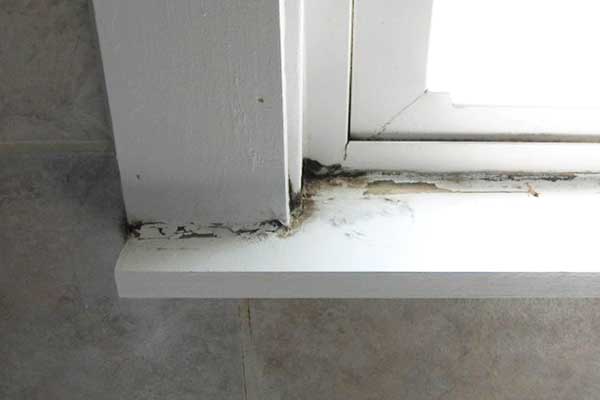
Hear from Our Customers
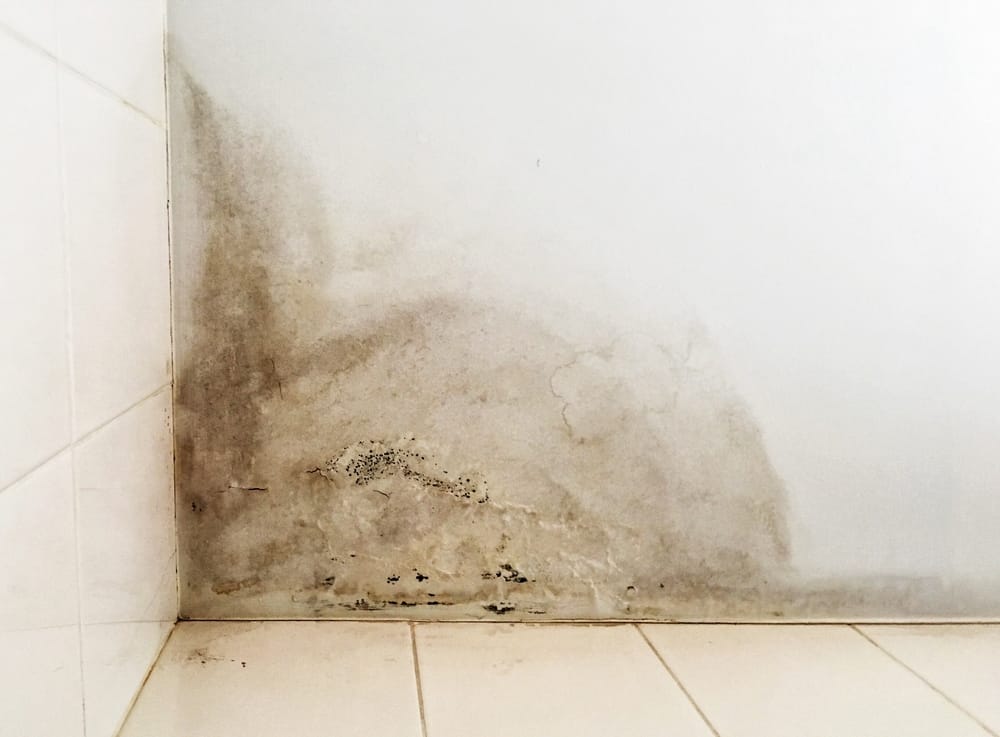
Professional Mold Removal Services North Haven
There’s a version of your North Haven property where the air is clean, the crawl space is dry, and you’re not second-guessing what’s growing behind the walls. That’s not a stretch that’s what a properly completed mold removal looks like. And in a home surrounded by Noyac Bay, Shelter Island Sound, and Sag Harbor Cove, getting there takes more than surface-level treatment.
The coastal humidity that defines life on this peninsula doesn’t stop at your siding. It works its way into attic insulation, underneath vapor barriers, and into the framing of homes that sit closed from September through May. When you open your property in spring and something smells off, or a caretaker calls with a concern, the problem has usually been developing for months. A thorough remediation one that accounts for hidden mold, not just visible growth is what actually resolves it.
Once the work is done correctly, you’re not just removing a cosmetic issue. You’re protecting a multi-million-dollar asset, restoring indoor air quality for your family, and ensuring the property holds up under the kind of scrutiny it faces during a real estate transaction. That’s the outcome worth paying for.
Mold Removal Companies North Haven NY
We’ve been operating on Long Island since 1994. That’s not a number we throw around lightly it means we’ve been doing this work through storms, through the post-COVID property boom that brought more year-round residents to the South Fork, and through every seasonal cycle that affects properties from West Babylon to the eastern tip of Suffolk County, including North Haven.
We’re IICRC-certified and fully licensed under New York State Article 32 the law that requires all mold remediation contractors to hold a state-issued license before touching a single affected surface. We’re also fully insured and bonded, which matters when the property in question sits on Ferry Road or backs up to a wetland meadow in the Harbor View Association.
This isn’t a franchise operation running on a national playbook. We’re a Long Island company that knows Long Island including what happens to a wooded, water-surrounded peninsula home when no one’s been inside it since October.
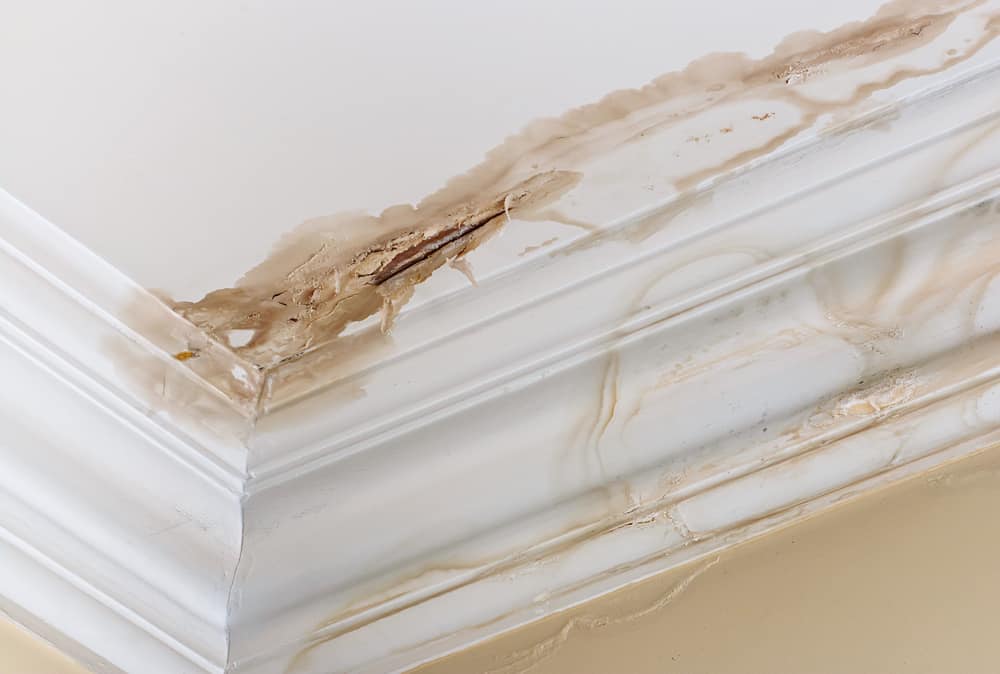
Residential Mold Removal Process North Haven
It starts with a thorough inspection not a quick visual scan, but a real assessment using moisture meters, thermal imaging, and air sampling to find mold where it actually lives: inside attic cavities, beneath crawl space vapor barriers, behind drywall, and in areas that haven’t seen airflow since the property was last occupied. In North Haven, where many homes have been closed for an extended off-season, that inspection phase is critical. What looks like a small bathroom issue is often connected to something larger in a space no one has checked in months.
Before any remediation work begins, New York State law under Article 32 requires a written Mold Remediation Plan. We prepare that plan, walk you through it, and make sure you understand what’s being done and why. If your project involves removing drywall, insulation, or structural materials, we’ll flag any permit requirements with the North Haven Village Building Department at 631-725-1378 before work starts not after.
The remediation itself uses HEPA filtration, containment barriers, EPA-registered antimicrobials, and controlled removal of affected materials. When the work is complete, post-remediation clearance testing is conducted by an independent assessor required by state law, and something you should expect from any licensed contractor. You’ll have written documentation that the job was done, and done correctly.
Ready to get started?
Attic and Crawl Space Mold Removal North Haven
Mold removal in North Haven, NY isn’t a one-size situation. The scope depends on where the mold is, how long it’s been there, and what caused the moisture in the first place. For attic mold one of the most common calls we get from properties in this area the combination of wooded canopy, limited solar drying, and warm interior air rising into cold attic spaces during the off-season creates exactly the conditions mold needs. We address the mold and the moisture source, not just the visible growth.
Crawl space mold removal is similarly common in North Haven’s older estate properties and coastal homes. High water table areas near Payne’s Creek and the wetland meadows throughout the village mean groundwater vapor is a persistent issue. We remove affected materials, treat the structure, and install or repair vapor barriers to prevent recurrence. For basement mold removal, bathroom mold removal, and broader toxic mold cleanup, the same principle applies find the source, contain the spread, remove it properly, and verify with independent testing.
If your property experienced a water intrusion event storm surge from Shelter Island Sound, a burst pipe during a cold winter closure, or a roof failure that went undetected we handle the water damage restoration side as well. One company, one coordinated process, no handoffs. We also work directly with homeowner’s insurance carriers when coverage applies, handling documentation and adjuster coordination so you don’t have to manage it from a distance.
Is mold removal in North Haven, NY covered by homeowner's insurance?
It depends on what caused the mold. Most standard homeowner’s insurance policies in New York will cover mold remediation when it results directly from a sudden, covered water damage event a burst pipe, storm-driven water intrusion, or roof damage from a nor’easter, for example. What they typically won’t cover is mold that developed from long-term neglect, chronic humidity, or gradual leaks that weren’t addressed.
For North Haven properties, the seasonal home scenario creates a specific gray area. If a pipe froze and burst during a winter closure and the resulting water damage went undetected for weeks, insurers may dispute coverage based on the delayed discovery. That’s why documentation matters from the moment you discover the problem. We work directly with insurance carriers, photograph and document damage thoroughly before any work begins, and help ensure the claim is presented accurately and completely. If coverage is available, we’ll help you access it.
How much does professional mold removal cost in North Haven?
The national average for mold remediation runs between $1,223 and $3,754 for a standard residential project. In North Haven specifically, where homes are larger, often more complex in structure, and frequently involve attics, crawl spaces, and extensive square footage that’s been closed for an extended period, costs tend to trend toward the higher end of that range and for comprehensive estate remediation, can exceed it.
What drives the cost is scope: how large the affected area is, how many surfaces and materials are involved, whether structural components need to be removed and replaced, and whether post-remediation clearance testing reveals additional areas that weren’t initially visible. We provide a written estimate before any work begins, and the number we quote is the number you pay. There are no mid-project surprises and no scope inflation. If something changes during the work, we communicate it before we act on it.
What makes attic mold so common in North Haven homes?
North Haven’s wooded character is part of what makes it beautiful and part of what makes attic mold so prevalent. When tree canopy covers a roofline, the attic beneath it gets less direct sun, dries more slowly after rain or fog, and stays cooler in ways that promote condensation. Add in the coastal humidity from Noyac Bay and Shelter Island Sound, and you have an attic environment that stays damp far longer than a comparable home in an inland community.
The seasonal home factor compounds this. During the off-season, when a property is closed and heating is minimal, warm interior air still rises into the attic space. When it hits the cold roof deck, it condenses. Over a full winter, that repeated cycle deposits enough moisture to support significant mold colonization especially in older homes where attic ventilation wasn’t built to modern standards. By the time you open the property in spring, the mold has had months to establish itself. Early inspection and proper attic ventilation assessment are the two things that prevent this from becoming a recurring problem.
Do I need a permit for mold remediation work in North Haven Village?
Not always but sometimes yes, and it’s worth checking before work begins rather than after. The North Haven Village Building Department (631-725-1378) requires permits for work that falls under the New York State Uniform Fire Prevention and Building Code, which includes construction, alteration, and certain types of demolition. If your mold remediation involves removing and replacing drywall, structural framing, insulation, or other building materials, that work may trigger a permit requirement.
Mold remediation that stays within the scope of cleaning, treating, and removing surface materials without structural alteration typically does not require a permit. But every project is different, and North Haven’s environmental overlay regulations add another layer to consider, particularly for properties near wetlands, Payne’s Creek, or other preserved areas within the village. We flag permit questions before we start, not after, and we’re familiar with how the village’s building and environmental codes apply to restoration work.
How do I know if my North Haven property has hidden mold behind the walls?
Visible mold is the easy part. The harder question is what’s happening in spaces you can’t see inside wall cavities, beneath crawl space vapor barriers, behind bathroom tile, or within attic insulation that looks intact from below. In North Haven properties that have been closed for an extended period, hidden mold is more the rule than the exception. The conditions are right: reduced ventilation, coastal humidity, and any undetected moisture intrusion have months to work without anyone noticing.
The signs that something is hiding include a musty odor that doesn’t go away when you open windows, unexplained allergy symptoms when you’re in the home, visible water staining on ceilings or walls without an obvious active leak, and elevated humidity readings in specific rooms. We use thermal imaging cameras, moisture meters, and air particle counters to locate mold growth that isn’t visible to the eye. Air sampling gives you a quantifiable measure of spore concentration in different areas of the home, which tells us where to look more closely and helps confirm when remediation is complete.
Can First Response handle mold removal and water damage in the same visit?
Yes and for most North Haven properties, that’s the more practical approach. Mold and water damage are almost always connected. Whether the moisture source was a storm pushing water through a coastal-facing wall, a failed crawl space vapor barrier, a roof leak over a closed attic, or a burst pipe during a winter freeze, the water has to be addressed at the same time as the mold. Treating mold without resolving the moisture source means the mold comes back.
We handle both sides of the process: water damage restoration, structural drying, dehumidification, mold removal, and final cleaning. For a homeowner managing a seasonal North Haven property from New York City or elsewhere, having one company coordinate the full scope rather than managing two separate contractors is a significant practical advantage. We communicate clearly throughout the process, work on a defined timeline, and document everything for insurance purposes. If your property needs to be ready before summer, we plan the work around that deadline.
Useful Links
Other Services we provide in North Haven