
Mold Removal in North Lindenhurst, NY
North Lindenhurst's Aging Homes Deserve More Than a Surface Fix
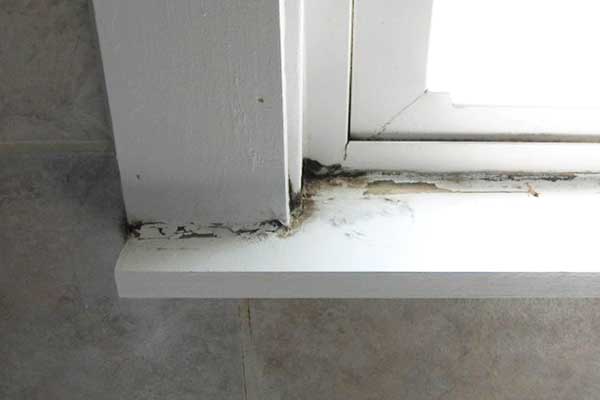
Hear from Our Customers
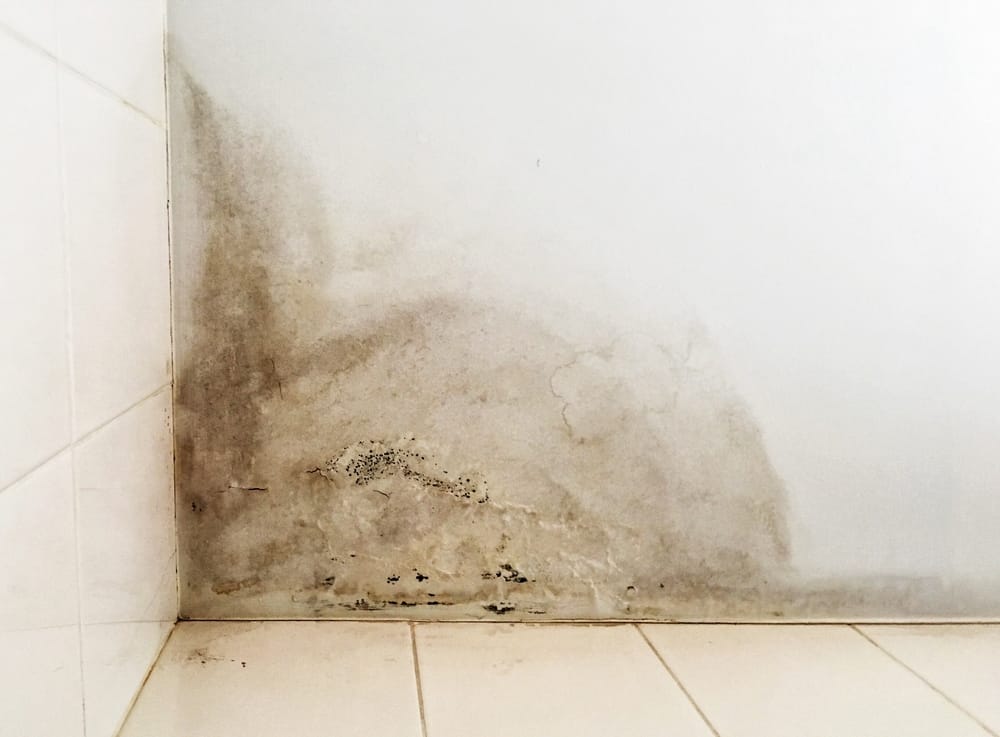
Basement Mold Removal in North Lindenhurst
The air in your North Lindenhurst home feels different when mold has been properly removed not masked, not painted over, but eliminated from the source. No more musty smell drifting up from the basement. No more wondering if the cough that won’t quit is connected to something in the walls.
For homeowners in North Lindenhurst, that source is almost always moisture. The South Shore’s naturally high water table keeps groundwater close to the surface year-round, and the clay-heavy soils underneath these streets don’t drain the way people expect. That combination pushes moisture through aging foundation walls in ways that surface cleaning can never address. When we treat the root cause, the mold stops coming back.
The post-war homes that define North Lindenhurst the ranches, the Cape Cods, the split-levels built during the Town of Babylon’s explosive growth in the 1940s and 1950s were not built with today’s moisture management standards. Vapor barriers were minimal. Attic ventilation was often an afterthought. That means mold can be working quietly in your attic rafters or crawl space for months before you ever notice it. Getting ahead of it and keeping it gone starts with a remediation process that actually accounts for how these homes were built.
Licensed Mold Removal Companies in North Lindenhurst
First Response Restoration and Cleaning Inc. has been operating out of West Babylon for over 31 years. That puts us in the next hamlet over from North Lindenhurst not a regional dispatch hub hours away, not a national brand routing your call to a subcontractor. When you call us, you’re calling a company that drives Wellwood Avenue and Sunrise Highway every day and has worked inside the same style of post-war homes that line your North Lindenhurst street.
We’re IICRC-certified and fully licensed under New York State’s Article 32 the mandatory mold remediation licensing law that’s been in effect since 2016. A lot of homeowners don’t know that law exists, which means a lot of unlicensed operators are still out there. We carry the license, we follow the protocol, and we work directly with your insurance carrier so you’re not stuck navigating a claim on your own.
Three decades of serving the Town of Babylon area means our reputation is built entirely on repeat customers and referrals. That’s not something you can manufacture.
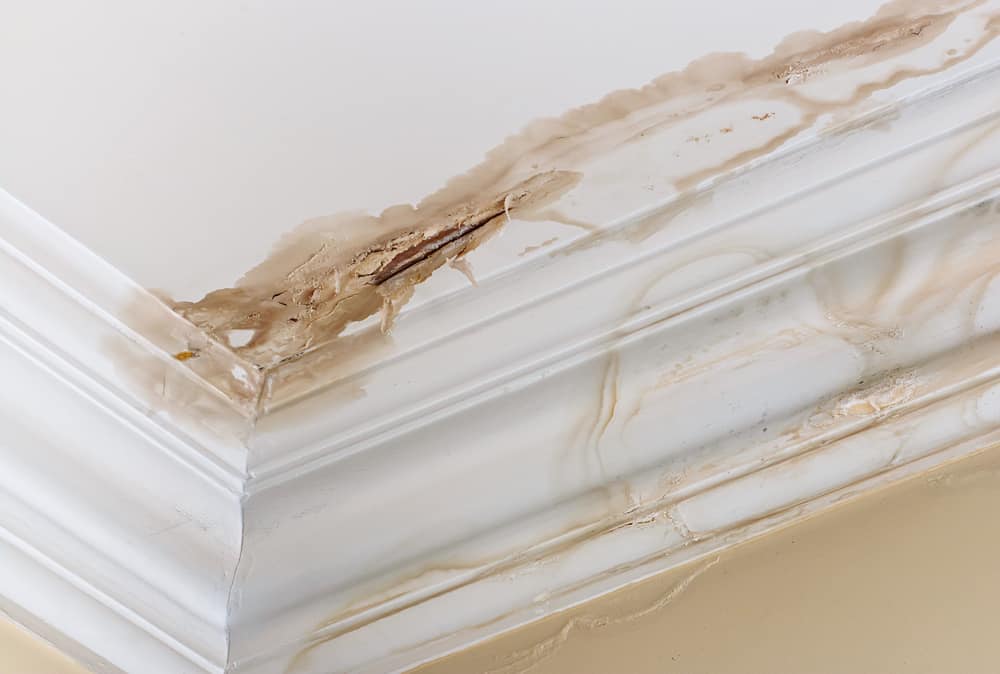
Professional Mold Removal Services in North Lindenhurst, NY
It starts with finding what you can’t see. We use moisture sensors, particle counters, and thermal imaging to locate mold growth behind walls, under flooring, and inside attic spaces the places that a visual inspection alone will miss. In North Lindenhurst’s older housing stock, that step matters more than most people realize. Mold in a 70-year-old Cape Cod doesn’t always announce itself; it hides in the roof sheathing, the crawl space, the wall cavity behind the bathroom tile.
Once we know what we’re dealing with, we contain it. Negative air pressure systems and physical barriers keep spores from spreading to unaffected areas of your home while work is underway. Then we remove the affected materials not treat the surface, not spray and hope, but physically remove what’s contaminated. HEPA filtration runs throughout the process to capture airborne particles.
Under New York State’s Article 32, we provide a written remediation plan before any work begins. You know what’s happening, why it’s happening, and what it’s going to cost before we touch anything. After the job is complete, we verify the results with air quality testing so you have documentation you can show an insurance adjuster, a future buyer, or anyone else who needs proof the work was done right.
Ready to get started?
Residential and Commercial Mold Removal in North Lindenhurst, NY
Mold doesn’t stick to one room, and neither do we. Basement mold removal in North Lindenhurst is one of the most common calls we get and given the area’s high water table and the age of most foundations in the hamlet, that’s not surprising. We also handle attic mold removal regularly, particularly in the Cape Cod and ranch-style homes where warm air from the living space rises into a poorly ventilated attic and condenses on the roof sheathing through the winter months. Crawl space mold removal, bathroom mold, and mold behind walls from slow plumbing leaks are all part of what we address.
For homeowners dealing with black mold or toxic mold situations, the process is the same thorough containment, physical removal, and verified air quality results. We don’t treat black mold as a separate upsell; it’s handled with the same certified protocol as any other remediation job.
North Lindenhurst also has a real commercial footprint along the Wellwood Avenue and Route 109 corridors, and we handle commercial mold removal for those properties as well. Whether it’s a storage area, an HVAC system, or a food supplier dealing with a moisture problem, the same IICRC-certified standards apply. Residential or commercial, the written estimate you receive before work begins is the number you’ll see on the final invoice.
Why does mold keep coming back in my North Lindenhurst basement after I clean it?
Because cleaning visible mold without addressing the moisture source is like mopping the floor while the faucet is still running. In North Lindenhurst specifically, the issue is almost always the water table. The South Shore sits on naturally high groundwater, and the clay-heavy soils in this area don’t absorb and drain the way sandy soils do. That means moisture is constantly pressing against your foundation walls and in a home built in the 1950s or 1960s, the original waterproofing was never designed to handle that kind of sustained pressure.
Bleach and surface sprays kill what’s visible on the surface, but they don’t penetrate porous materials like concrete block or drywall deeply enough to eliminate the root growth. And they do nothing about the moisture that’s feeding it. We identify the moisture pathway, remove the contaminated material, and address the source so the mold doesn’t have what it needs to come back.
How much does mold removal typically cost in North Lindenhurst, NY?
Most residential mold removal jobs fall somewhere between $1,200 and $6,000, depending on the size of the affected area, the type of materials involved, and how far the growth has spread. Attic mold removal in North Lindenhurst typically runs $1,000 to $4,000. Basement mold removal tends to land between $1,500 and $6,000, particularly when older foundation materials are involved. Smaller bathroom or crawl space jobs can come in under $1,500 if the scope is limited.
What actually drives cost is scope how much material needs to come out, how far the moisture has traveled, and whether structural components like framing or insulation are affected. That’s why a written estimate before work begins matters so much. You should know the number before anyone touches your home. The estimate you receive from us is the price you pay no additions after the fact unless something genuinely unexpected is uncovered, and if that happens, we communicate it clearly before we proceed.
Does homeowners insurance cover mold removal in North Lindenhurst?
It depends on what caused the mold and that distinction matters a lot. Most standard homeowners insurance policies in New York will cover mold remediation if it resulted from a covered peril: a burst pipe, storm-related water intrusion, or an appliance failure. What they typically won’t cover is mold that developed from long-term neglect, chronic basement seepage, or gradual moisture buildup which, honestly, is a common scenario in North Lindenhurst’s older housing stock.
The key is documentation. Adjusters need to see clear evidence of the cause, the extent of the damage, and the remediation plan. We handle that directly we document the damage with the level of detail that insurance carriers require and coordinate with your adjuster so you’re not left to fight that process alone. If coverage is uncertain, we can help you understand what’s likely to qualify before work begins, so there are no surprises on the back end.
Is attic mold common in the older homes in North Lindenhurst?
It’s one of the most common mold problems we see in this area, and most homeowners don’t know it’s there until it’s been growing for a long time. The ranch-style and Cape Cod homes that were built throughout North Lindenhurst during the post-war boom many of them now 60 to 80 years old have attic spaces that were designed with minimal ventilation by today’s standards. As your heating system warms the living space below during fall and winter, warm, moist air rises into the attic and condenses on the cooler roof sheathing and rafters.
Over months, that condensation creates exactly the kind of persistent, low-level moisture that mold needs to colonize wood surfaces. Because most homeowners rarely go into their attic, this growth can spread across a significant portion of the roof deck before anyone notices it. We use particle counters and moisture sensors to detect attic mold early, and we physically remove the affected material rather than treating the surface because surface treatments on wood don’t hold.
What is New York State's Article 32, and why does it matter when hiring a mold removal company?
Article 32 of the New York Labor Law has required all mold assessment and remediation professionals operating in the state to hold a valid license since 2016. It also prohibits the same company from performing both the mold assessment and the remediation on the same project a rule designed to prevent contractors from inflating the scope of work for their own benefit. On top of that, a written remediation plan is legally required before any work begins.
What this means for you as a homeowner in North Lindenhurst is straightforward: if you hire an unlicensed mold removal company, you have limited legal recourse if the job is done poorly, and your insurance claim could be voided. A lot of homeowners don’t know this law exists, which is exactly why unlicensed operators are still finding work. Before any contractor starts in your home, ask to see their NY State mold remediation license. We’ll show you ours without hesitation and we follow the written plan requirement on every job.
How quickly can mold spread after water damage in a North Lindenhurst home?
The standard industry guideline is 24 to 72 hours from the time of water exposure to the point where mold begins to colonize porous materials. In North Lindenhurst and across Long Island’s South Shore, that window can be even shorter during the summer months, when ambient humidity regularly exceeds 70 to 80 percent. High humidity means the air is already close to saturated so wet materials dry more slowly, and mold has ideal conditions to establish itself faster than it would in a drier climate.
That timeline is why a burst pipe, a sump pump failure, or storm-driven water intrusion is not something to wait on. The longer water sits in contact with drywall, wood framing, insulation, or carpet, the more material will need to come out and the higher the remediation cost. If you’ve had water in your home within the last 48 to 72 hours, the priority is getting the space dried out and assessed quickly, before mold has a chance to establish. We operate 24 hours a day, seven days a week, and we’re based in West Babylon which means response time to North Lindenhurst is measured in minutes, not hours.
Useful Links
Other Services we provide in North Lindenhurst