
Mold Removal in North Sea, NY
Bay Air Gets In. Mold Follows. Here's What to Do.
Hear from Our Customers
Professional Mold Removal Services North Sea
The air in your North Sea home stops feeling heavy. That faint musty smell that you kept blaming on the basement gone. You stop wondering if what your family is breathing is safe. That’s the real outcome of professional mold removal, and it matters more here than most people realize before they call.
North Sea’s position along Little Peconic Bay means your home deals with humidity levels that inland Suffolk County homes simply don’t face. Salt-laden coastal air degrades window seals, siding, and caulking faster than you’d expect and once moisture finds a way in, it doesn’t announce itself. It just grows quietly behind drywall, under flooring, and inside crawl spaces until the smell or the staining finally gives it away. If your home sits vacant from October through May like many properties in Southampton Shores or Bay View Oaks, that window of undetected growth can stretch for months.
Professional mold removal doesn’t just treat what you can see. We address the moisture pathways that coastal geography creates the ones that keep bringing the problem back if left unresolved. When the job is done correctly, you’re not patching a symptom. You’re closing the chapter.
Licensed Mold Removal Company North Sea NY
First Response Restoration and Cleaning Inc. has been serving Suffolk County homeowners since the early 1990s long before mold remediation became a licensed profession in New York State. When Article 32 of the NY Labor Law took effect in 2016, requiring all mold remediation contractors to hold a valid state license, we were already doing the work the right way. IICRC-certified, fully licensed, bonded, and insured those aren’t marketing checkboxes. They’re the baseline you should expect from anyone working inside a home worth what North Sea properties are worth.
We’ve worked in bay-front homes along North Sea Harbor, seasonal properties near Conscience Point, and older ranch-style houses on Middle Line Highway where nobody had opened the crawl space in years. The mold problems in North Sea aren’t generic. Neither is our approach. When you call our Suffolk County line at 631-587-5300, you’re reaching a team that already understands what you’re dealing with not one that’s figuring it out on your driveway.
Mold Remediation Process North Sea NY
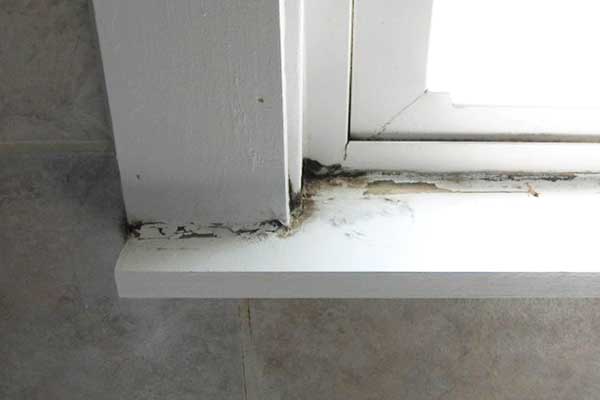
It starts with a thorough assessment. Before anything gets removed or treated, we identify where the mold is, how far it’s spread, and critically where the moisture is coming from. In North Sea homes, that source is often not obvious. It might be condensation building up in an unventilated attic space all winter, ground moisture migrating through an unencapsulated crawl space, or a failed seal on a bay-facing window that’s been letting humid air in for years. Finding the source is what separates a fix that lasts from one that doesn’t.
Once we know what we’re dealing with, we contain the affected area using negative air pressure and physical barriers to prevent spores from spreading to clean parts of your home during the work. Then comes the actual removal HEPA vacuuming, physical extraction of contaminated materials, and treatment of affected surfaces. We don’t spray over mold and call it done. Materials that are compromised get removed. Surfaces that can be treated get treated properly.
New York State’s Article 32 licensing rules require that mold assessment and remediation be performed by separate licensed parties a conflict-of-interest protection that exists specifically to protect you. We operate in full compliance with that requirement. Once remediation is complete, post-remediation verification confirms the space is clear before we close anything up. You get documentation. Not just a handshake.
Ready to get started?
Residential Mold Removal Services North Sea NY
Mold in North Sea homes shows up in predictable places, and we’ve seen all of them. Attic mold is one of the most common heating systems push warm air upward into cold attic spaces during winter, condensation forms on the roof decking, and mold colonizes the wood framing and insulation. In a seasonally vacant home, that process can run all winter with no one to catch it. Basement mold and crawl space mold are close behind, driven by North Sea’s high water table and the ground moisture that comes with bay-adjacent topography. Bathroom mold and kitchen mold round out the list, often stemming from ventilation issues that compound in high-humidity coastal environments.
Our mold removal services in North Sea cover the full scope: black mold removal, toxic mold cleanup, attic mold removal, basement mold removal, crawl space mold removal, and bathroom mold removal along with the drying, dehumidifying, and structural restoration work that often follows. Because we’re a full-service restoration company, not a mold-only specialist, we can handle everything from the initial emergency response through complete property restoration without handing you off to a second contractor.
We also work directly with homeowners insurance carriers to document the damage, support your claim, and reduce the administrative weight on your end. If mold was discovered during a real estate transaction which happens often in North Sea’s active high-value market we move quickly and provide the written clearance documentation that buyers, sellers, and attorneys need to keep things on track.
Why are North Sea homes especially prone to mold growth year-round?
North Sea sits along Little Peconic Bay, which means your home is exposed to persistent bay humidity, salt-laden coastal air, and a water table that runs high in bay-adjacent areas. That combination creates moisture intrusion pathways that homes in inland Suffolk County towns don’t deal with at the same level. Salt air degrades building materials window seals, exterior caulking, siding faster than most homeowners expect, and once those barriers fail, moisture finds its way in.
Add to that the significant number of seasonally vacant properties throughout North Sea. When a home sits unoccupied from October through May with no climate control running, there’s no one to notice a slow roof leak, a dripping pipe, or a sump pump that stopped working in January. Mold can establish and spread through an entire basement or crawl space over a single winter. By the time you open the house for the summer season, what might have been a minor moisture issue in the fall has turned into something that requires professional mold removal. That’s a pattern we see consistently in this area.
How much does professional mold removal in North Sea, NY typically cost?
Mold removal cost in North Sea varies based on the size of the affected area, the type of materials involved, and how far the mold has spread but most residential jobs fall somewhere between $1,500 and $6,000 for contained single-area remediation. Larger jobs involving multiple areas, structural material removal, or post-storm water damage can run higher, particularly in the high-value homes common to North Sea where more square footage and premium finishes are involved.
What affects the number most is whether the mold is surface-level or has penetrated porous materials like drywall, wood framing, or insulation which often requires physical removal and replacement rather than treatment alone. Getting an honest, upfront estimate before any work begins is something we take seriously. What you’re quoted is what you’re charged no upsells, no scope changes after the fact. In a market where mold remediation pricing can be murky, that matters. If your homeowners insurance covers the damage, we work directly with your carrier to document everything properly and support the claim.
What's the difference between mold removal and mold remediation?
These terms get used interchangeably, but there’s a meaningful distinction worth understanding. Mold removal refers to the physical act of eliminating mold from a surface or material. Mold remediation is the broader process it includes identifying the source of moisture, containing the affected area to prevent cross-contamination, removing the mold, treating affected surfaces, and verifying through post-remediation testing that the space is clear.
True mold remediation is what you need, not just mold removal. Removing visible mold without addressing the moisture source is how you end up with the same problem six months later. In North Sea, where bay humidity, high water tables, and seasonal vacancy create ongoing moisture conditions, skipping the remediation process and just cleaning the surface is a short-term fix at best. Under New York State’s Article 32 licensing law, mold remediation must also be performed by a licensed contractor separate from whoever conducted the mold assessment. That legal separation exists to protect you from conflicts of interest, and it’s something any legitimate mold removal company in Suffolk County should be able to explain clearly.
Does homeowners insurance cover mold removal in North Sea, NY?
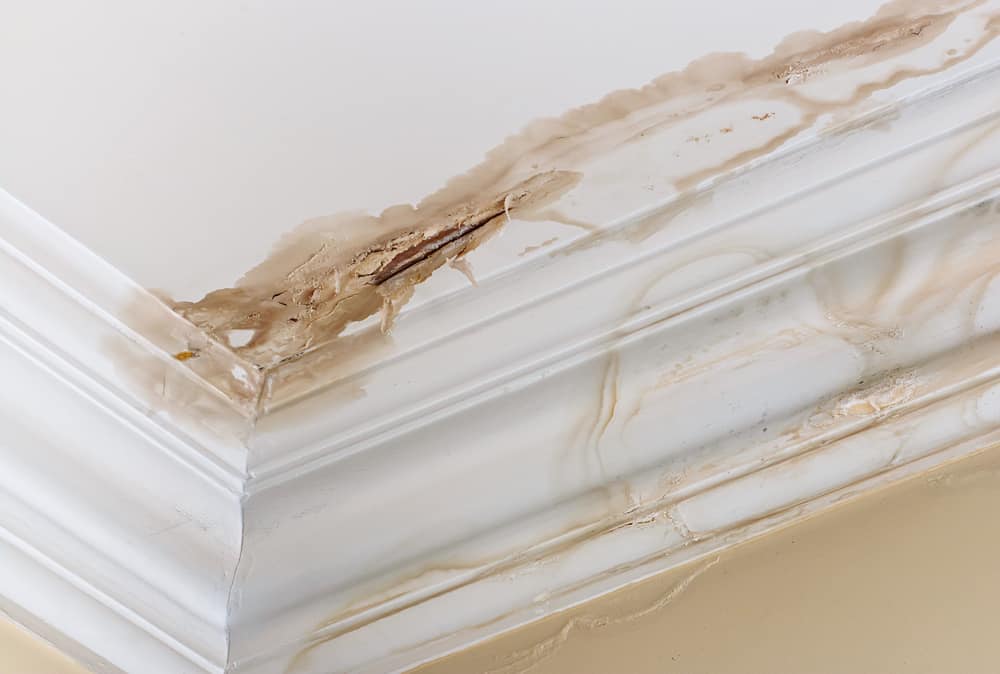
It depends on what caused the mold, and this is where documentation becomes critical. Most homeowners insurance policies will cover mold removal when it results from a covered peril a burst pipe, storm damage, or sudden water intrusion from a nor’easter, for example. What they typically won’t cover is mold that developed gradually due to long-term neglect or a maintenance issue that went unaddressed, like a slow roof leak that was never repaired.
For North Sea homeowners with seasonal properties, this distinction matters a lot. If a pipe bursts during a cold January week while the house is vacant and mold develops over the following months, whether that’s covered depends heavily on your specific policy language and how the damage is documented. We work directly with insurance carriers and know how to document the scope of damage in a way that supports your claim from the start not as an afterthought. Getting the documentation right on day one is one of the most valuable things a professional mold removal company can do for you.
How do I know if my North Sea home has black mold specifically?
You can’t confirm black mold or any specific mold species by looking at it. The color of mold growth doesn’t reliably indicate the type. What’s commonly called “black mold” refers to Stachybotrys chartarum, but other mold species can appear black, and Stachybotrys can appear greenish or dark gray. The only way to confirm the species is through laboratory testing of a collected sample.
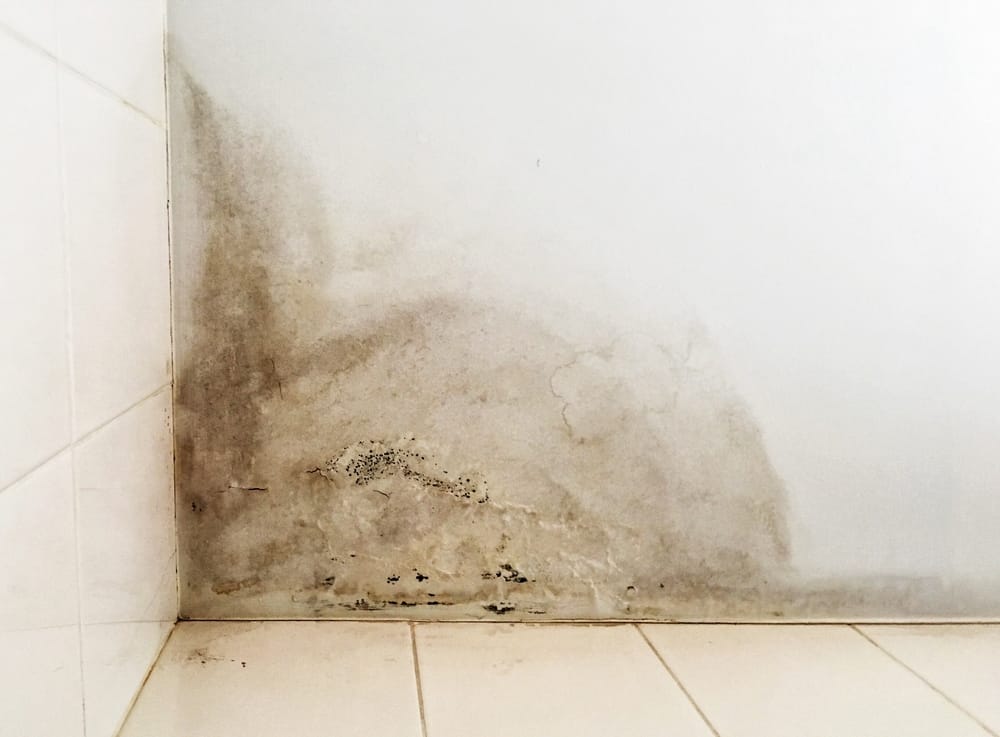
That said, the health implications of mold exposure don’t hinge entirely on the species. Any significant mold growth in a living space warrants professional assessment and removal. In North Sea homes particularly in basements, crawl spaces, and attics that have been exposed to bay humidity or seasonal vacancy the conditions that support Stachybotrys growth (prolonged moisture on cellulose materials like drywall paper and wood) are common. If you’re seeing dark staining on walls or ceilings, smelling a persistent musty odor, or experiencing unexplained respiratory symptoms, those are the signals that matter most. Don’t wait for a lab result to make the call get a professional assessment first.
Is mold removal something a North Sea homeowner can handle without a licensed contractor?
For very small, isolated surface mold less than 10 square feet on a non-porous surface the EPA does acknowledge that a homeowner can clean it themselves using appropriate precautions. But that scenario is the exception, not the rule, and it almost never describes what homeowners in North Sea are actually dealing with when they call us.
Most mold situations in North Sea homes involve porous materials drywall, wood framing, attic insulation, crawl space subfloor where surface cleaning doesn’t reach the mold that has grown into the material itself. Beyond the effectiveness issue, New York State’s Article 32 law requires that any mold remediation job exceeding 10 square feet be performed by a licensed mold remediation contractor. Attempting to handle a larger job yourself or hiring an unlicensed handyman to do it can void your homeowners insurance coverage, create legal exposure, and leave you with a mold problem that returns because the source was never properly addressed. In a home worth what North Sea properties are worth, the cost of doing it wrong is significantly higher than the cost of doing it right the first time.
Useful Links
Other Services we provide in North Sea