
Mold Removal in Northampton, NY
Lakeside Living Shouldn't Mean Living With Mold
Hear from Our Customers
Residential Mold Removal Northampton, NY
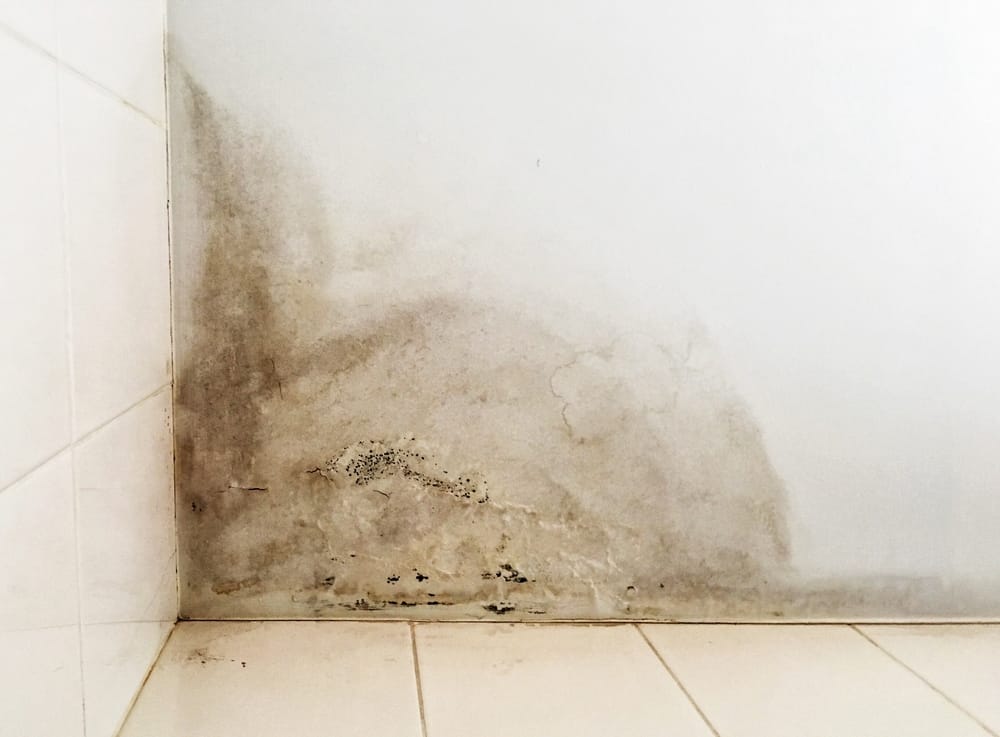
You stop second-guessing the air in your own home. That low-level concern the musty smell in the basement, the discoloration on the wall, the cough that won’t quit it goes away when the source is properly removed, not just sprayed over. That’s the difference between a real fix and a temporary one.
For homes in Northampton, the moisture problem is built into the land itself. The glacially formed soils around Wildwood Lake keep the water table high year-round, which means basements and crawl spaces are constantly exposed to ground moisture not just after a storm, but on a dry Tuesday in October. Homes bordering the David A. Sarnoff Pine Barrens State Forest and the Cranberry Bog Nature Preserve sit on soils that were historically wetland. That moisture doesn’t disappear because a house was built on top of it.
Professional mold removal in Northampton addresses what’s actually happening beneath the surface. Proper containment keeps spores from spreading to clean areas of your home during the process. Physical removal of affected materials not surface treatment eliminates the colony at the root. And a post-remediation clearance test confirms the job is done before anyone walks away. That’s what a resolved mold problem looks like.
Mold Removal Companies Northampton, NY
First Response Restoration and Cleaning Inc. has been handling mold remediation, water damage, and full restoration work across Long Island since the early 1990s. That’s three decades of real jobs in real homes including the kinds of homes you find throughout Northampton and eastern Suffolk County, where older construction, high water tables, and proximity to nature preserves create mold conditions that a generic playbook won’t solve.
We’re fully licensed under New York State Article 32, IICRC-certified, and carry full insurance and bonding. These aren’t checkboxes they’re legal requirements that protect you. Since 2016, New York State has required mold remediation contractors to hold a specific license to do this work legally. Hiring an unlicensed contractor can void your insurance claim and leave you with a remediation that doesn’t meet state standards.
Whether you’re in the Northampton Colony waterfront community or a ranch home off County Road 51, you can reach us at 631-587-5300. We work directly with your insurance company so you’re not stuck navigating that process alone.
Mold Mitigation Services Northampton, NY
It starts with an inspection a real one. One of our certified technicians assesses the affected areas using moisture meters and visual evaluation to identify both the visible mold and the moisture source driving it. In Northampton, that source is often sub-slab moisture from the high water table near Wildwood Lake, condensation in attic spaces during the heating season, or crawl space humidity from the bog-adjacent soils that run through much of this hamlet. Finding the source matters as much as finding the mold.
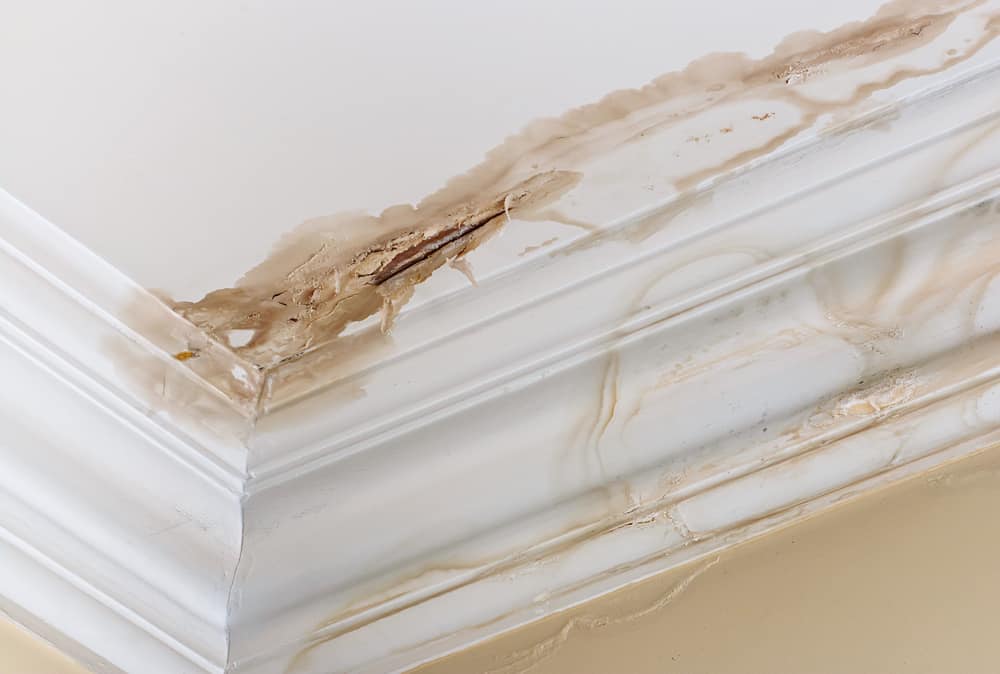
Once the scope is clear, we prepare a written remediation plan this is required by New York State law under Article 32, and it outlines exactly what will be done before any work begins. Containment is set up to isolate the affected area using physical barriers and negative air pressure, which prevents spores from traveling to clean parts of your home during removal. Affected porous materials drywall, insulation, wood framing are physically removed, not treated in place. HEPA filtration runs throughout the process to capture airborne particles.
After remediation is complete, we conduct a clearance test to verify the space meets acceptable air quality standards. If any reconstruction is needed new drywall, insulation, framing we handle that too, so you’re not coordinating a second contractor in an area where availability can be limited. One call, start to finish.
Ready to get started?
Professional Mold Removal Services Northampton, NY
Mold in a Northampton home doesn’t always look the same or live in the same place. Basement mold removal in Northampton is one of the most common calls and it makes sense given the water table conditions around Wildwood Lake and the low-lying areas near Peconic Bog County Park. Attic mold removal is the other major category, especially in the older housing stock throughout the hamlet where inadequate attic ventilation lets warm indoor air condense on cold roof sheathing through the winter months, often going undetected until spring.
Crawl space mold removal is particularly relevant for Northampton homes bordering the pine barrens and former bog land, where sub-slab moisture levels stay elevated regardless of surface conditions. Bathroom mold removal, black mold removal, and toxic mold cleanup round out the full scope of what we address all under the same licensed, IICRC-certified standard, regardless of where in the home the problem is located.
We also work directly with homeowners insurance on mold claims tied to water damage events. If your mold issue follows a storm, a plumbing failure, or a seepage event, we document and communicate with your adjuster directly. The goal is to reduce what comes out of your pocket while getting the work done right under New York State’s legal requirements for mold remediation.
Why do homes near Wildwood Lake in Northampton have more mold problems?
Wildwood Lake is a glacially formed natural lake, which means the soils surrounding it were shaped by glacial activity thousands of years ago. Those soils are porous and moisture-retaining, and they sit above a water table that stays high year-round not just during rainy seasons. For homes built near the lake in Northampton, that means the ground beneath the foundation is consistently damp, which creates the conditions mold needs to establish itself in basements and crawl spaces even when there’s no visible water intrusion.
This is different from a typical flooding situation. You don’t need a storm or a burst pipe for moisture to work its way into a lakeside home’s lower levels. Over time, that persistent low-level humidity allows mold colonies to develop slowly, often behind finished walls or under flooring, before any visible sign appears. By the time you notice a smell or discoloration, the colony is usually well-established. Professional mold removal that includes moisture source identification not just surface treatment is the only way to address this properly.
How much does mold removal cost in Northampton, NY?
The honest answer is that cost depends on where the mold is, how extensive the growth is, and what materials need to be removed. For most residential mold remediation jobs on Long Island, the range runs from roughly $1,200 to $6,000, with basement mold removal and attic mold removal typically landing between $1,500 and $4,000 depending on the size of the affected area and the materials involved. Crawl space jobs can vary widely based on access and the extent of moisture damage.
What affects cost most in Northampton specifically is the moisture source. If the mold is being driven by a persistently high water table common in homes near Wildwood Lake or the bog-adjacent areas around Peconic Bog County Park addressing the moisture source may involve additional work beyond the remediation itself. We provide a clear written scope before any work begins, so the number you see at the start is the number you can plan around.
Does homeowners insurance cover mold removal in Northampton, NY?
It depends on what caused the mold. Most homeowners insurance policies in New York cover mold remediation when it results from a covered peril a burst pipe, storm damage, or sudden water intrusion. What they typically don’t cover is mold that resulted from long-term moisture neglect or a maintenance issue you were aware of. This distinction matters a lot in Northampton, where some mold problems are tied to gradual water table seepage rather than a discrete event.
The practical step is to document everything as soon as you discover the problem and contact your insurance company before any work begins. We work directly with insurance adjusters on behalf of homeowners, handling the documentation and communication that supports your claim. Having a licensed contractor under New York State Article 32 perform the work is also essential insurance companies can and do deny claims when unlicensed contractors are involved. Getting that part right from the start protects both your coverage and the remediation itself.
What is attic mold, and is it common in older Northampton homes?
Attic mold is one of the most frequently overlooked mold problems in residential properties, and it’s particularly common in the older housing stock throughout Northampton and the broader 11901 ZIP code area. It develops when warm, humid air from the living space rises into the attic and meets the cold underside of the roof deck during winter months. If the attic isn’t properly ventilated or insulated, that moisture condenses on the rafters and sheathing and creates ideal conditions for mold growth often through an entire heating season before anyone notices.
The reason it’s easy to miss is that most homeowners don’t regularly inspect their attic. By the time a musty smell works its way down into the living space, or a home inspection turns it up before a sale, the growth is usually widespread. Attic mold removal requires proper containment, physical removal of affected wood surfaces or materials, and critically addressing the ventilation issue that caused it. Treating the mold without fixing the airflow problem means it comes back the following winter.
Can I use bleach or store-bought products to remove mold myself?
Bleach works on non-porous surfaces tile, glass, sealed concrete. It does not penetrate porous materials like drywall, wood framing, or insulation, which are exactly the materials mold colonizes in residential structures. What bleach does on those surfaces is kill the visible surface growth while leaving the root structure called hyphae intact inside the material. The mold looks gone. It isn’t. Within weeks, often less, the visible growth returns from the same root system that was never actually removed.
Beyond effectiveness, there’s a practical legal issue in New York. Under Article 32 of the NY Labor Law, mold remediation above a certain threshold must be performed by a licensed contractor. This isn’t just a technicality it exists because improper mold removal can spread spores to unaffected areas of the home, making the problem significantly worse. If you’re dealing with a small, isolated surface spot in a bathroom, cleaning it yourself may be fine. If the growth is in a basement, crawl space, or attic especially in a Northampton home where moisture sources are persistent professional mold removal is the right call.
How do I know if my crawl space has mold under my Northampton home?
Crawl spaces are rarely inspected, which is exactly why mold in them goes undetected for so long. The most common signs are a persistent musty odor in the lower level of the home, increased allergy or respiratory symptoms that seem worse indoors, visible moisture or efflorescence on foundation walls, or wood floors above the crawl space that feel soft or show signs of warping. In Northampton, these signs carry more weight than they might in other communities because the soil conditions here particularly in areas adjacent to the pine barrens and former bog land around Cranberry Bog Nature Preserve keep sub-slab moisture levels elevated year-round.
The only way to know for certain is a physical inspection. One of our certified technicians can access the crawl space, use moisture meters to measure humidity and material saturation, and identify any active mold growth or conditions that are likely to produce it. If mold is present, crawl space mold removal involves proper containment, removal of affected materials, treatment of remaining surfaces, and encapsulation or ventilation improvements to reduce moisture going forward. Catching it early makes the job significantly smaller and less expensive than waiting until the problem has spread to the subfloor above.
Useful Links
Other Services we provide in Northampton